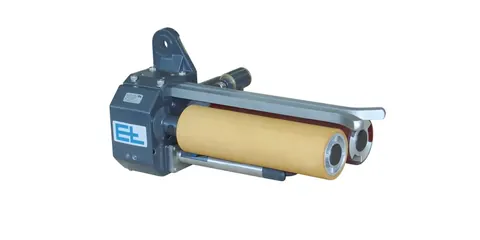
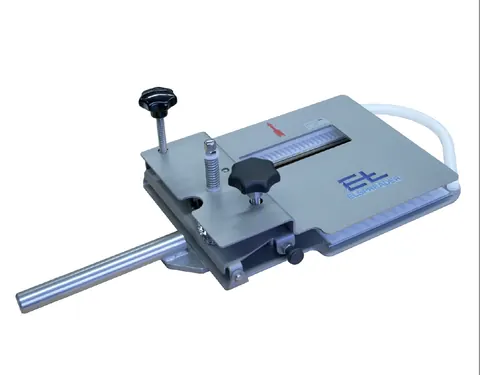
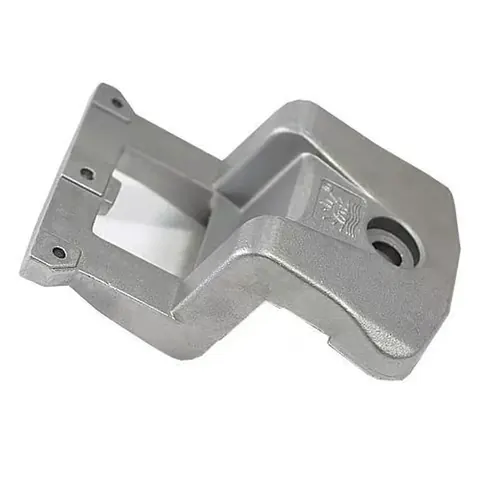
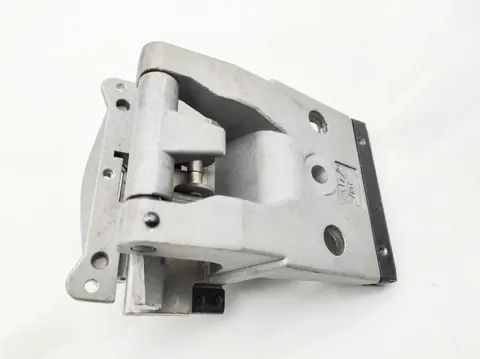
Double Use Pin and Clip For Monforts Stenters
One part that works as a pin stenter and as a clip stenter, so the frame runs both ways without a bed change.
View Details
By Machine Brand
By Part Type
Wear Parts and Equipment
Clips leave no pin marks and suit thicker fabrics; pins hold more tension and run faster, to 100 m per minute.
A tenter or stenter is a transport device that carries fabric from one point to another continuously in open width with precise width control. Stenters are of two types, pin stenters and clip stenters, depending on the means of holding the fabric onto the chains.
The choice is not a preference. It follows the article, and on a mixed schedule it is the thing that costs a shift every time it has to be changed.
The clip stenter requires a specific edge, preferably a selvedge, to grip, and is usually confined to woven fabrics. At first the clip is open; when the cloth enters, the knife of the clip closes and the cloth is held tightly; at the end of the machine the clip reopens.
The more common pin stenters have pins about 5 mm long, mounted in two rows at about three to four pins per centimetre along the base plate. The pins are thicker near the base to prevent direct contact of the fabric with the hot base plate. The press wheel presses the fabric onto the pins so it stays on them and follows the transmission chain forward.
Clip stenters leave no pin marks in the selvedge. Pin stenters do, and customers will accept pinholes in the selvedges associated with pin stenters, which is the honest summary of the commercial position.
The advantage of using a clip is that the edges of the cloth are relatively flat, which is suitable for thicker fabrics. The advantage of using a pin plate is that it increases the tension of the fabric, so the cloth runs faster, reaching 100 m per minute.
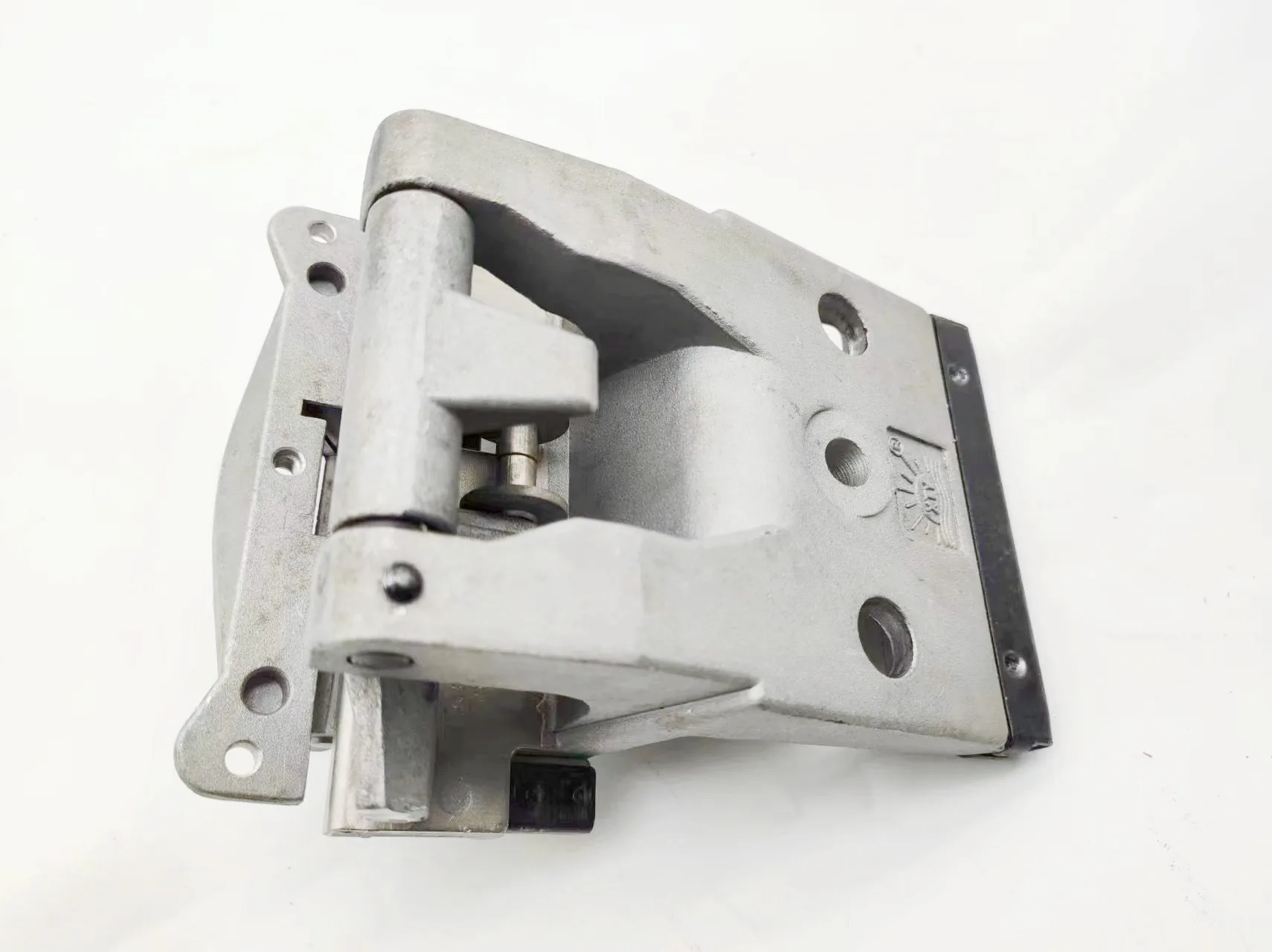
A double use part exists that can be used as a pin stenter and also as a clip stenter. On a commission finishing floor where the article mix is not known a month ahead, that removes the bed changeover from the schedule and the cost of holding two complete bed specifications.
Ask whether the selvedge is visible in the finished article. If it is, clip. Ask whether line speed is the constraint on output. If it is, pin. If both answers apply on different articles in the same week, look at the double use part rather than at a second machine.
They leave pinholes in the selvedge. Customers will accept pinholes in the selvedges associated with pin stenters, but on articles where the edge is visible in the made-up product, clip stentering is the better answer.
Pinning increases the tension you can hold on the fabric, which is what lets it run faster. On our customers' lines this reaches 100 m per minute.
Because the clip requires a specific edge, preferably a selvedge, to grip, and that is what a woven fabric has.
Yes, with a double use clip and pin part. It can be used as a pin stenter and also as a clip stenter, which removes the bed changeover.
One part that works as a pin stenter and as a clip stenter, so the frame runs both ways without a bed change.
View Details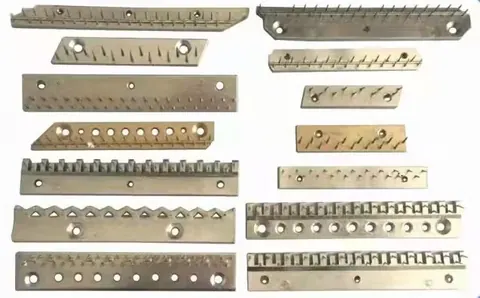
The standard pin plate: two rows of roughly 5 mm pins at 3 to 4 pins per cm on a hardened base plate.
View Details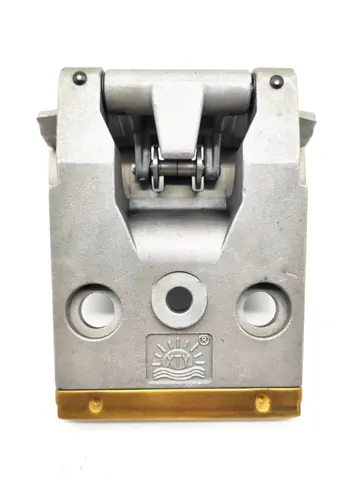
Monforts clip that opens at the infeed, closes its knife on the cloth, and reopens at the machine end.
View DetailsThe stenter heat-sets and dries fabric by stretching it to width and holding it there under controlled heat.
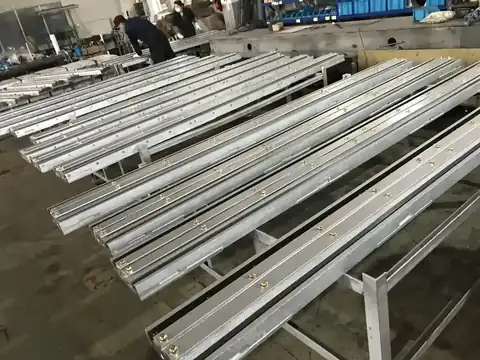
Entry section, clip or pin chains, rails, heating chambers, exhaust, blowers, temperature control, width adjustment and weft straightener.
Self-lubrication, high temperature resistance and low noise are why PEEK took over the wear interfaces.
Send the machine brand and a photo of the part. We identify the specification and quote it, usually the same day.