Skip to content
Reply within 24 hours · Despatch within 7 days
Knitwear and Elastic Fabrics stenter parts
Industry Application

Stenter Parts For Knitwear and Elastic Fabric Finishing

Knit selvedges roll the moment tension drops. On jersey, single knits and spandex blends the edge arrives at the pin bed as a tight tube, and if it is pinned that way the fault runs the length of the roll. Everything in this section exists to get the edge open without marking it.

Pain Points

What Goes Wrong On These Lines

Edges that roll faster than they can be opened

Ultra-delicate elastic knits, jersey, spandex blends and lightweight woven fabrics curl easily. A mechanical uncurler that works on denim will mark them, and a short opening zone will crease the edge rather than open it.
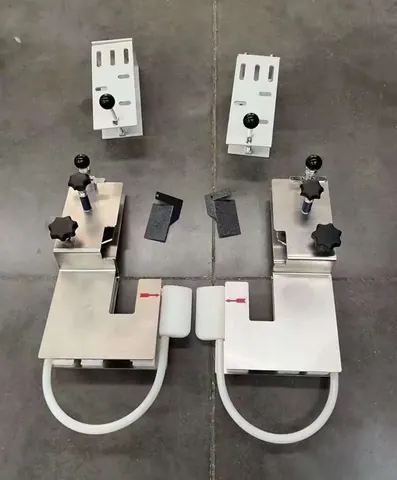
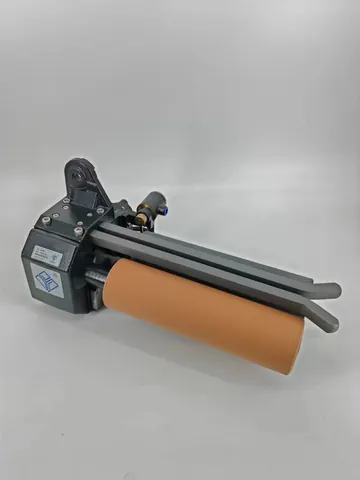
Contact damage on elastane

Metal guides can damage the edge on delicate or lightweight fabrics. That is the whole reason nylon and pneumatic alternatives exist.

Grease reaching the cloth

Knit goods show contamination that a heavy woven would hide. Every greased interface on the chain and rail is a route for that contamination.

Speed lost at the infeed

When the edge cannot be opened reliably, the line runs at the speed the infeed allows rather than the speed the chambers allow.

What Customers Need

  • Contactless edge opening for elastane and fine jersey
  • Non-abrasive contact faces where a mechanical uncurler is used
  • Self-lubricating wear parts so grease does not reach the fabric
  • Uncurler geometry that opens the edge progressively rather than in one step

Our Delivery Capability

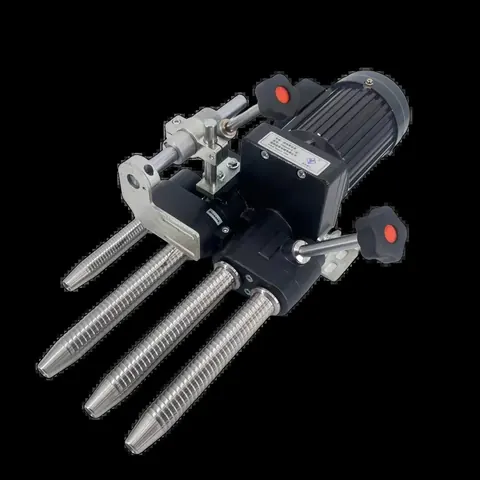
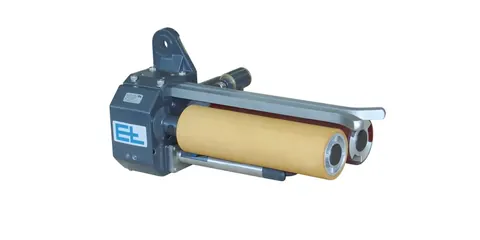
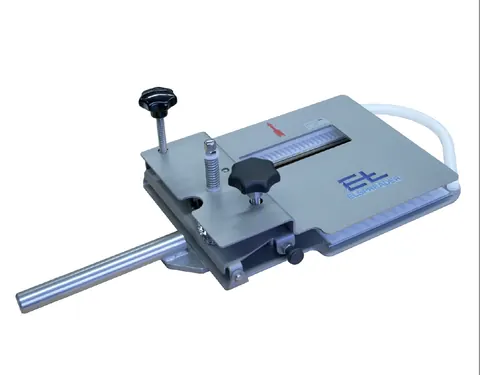
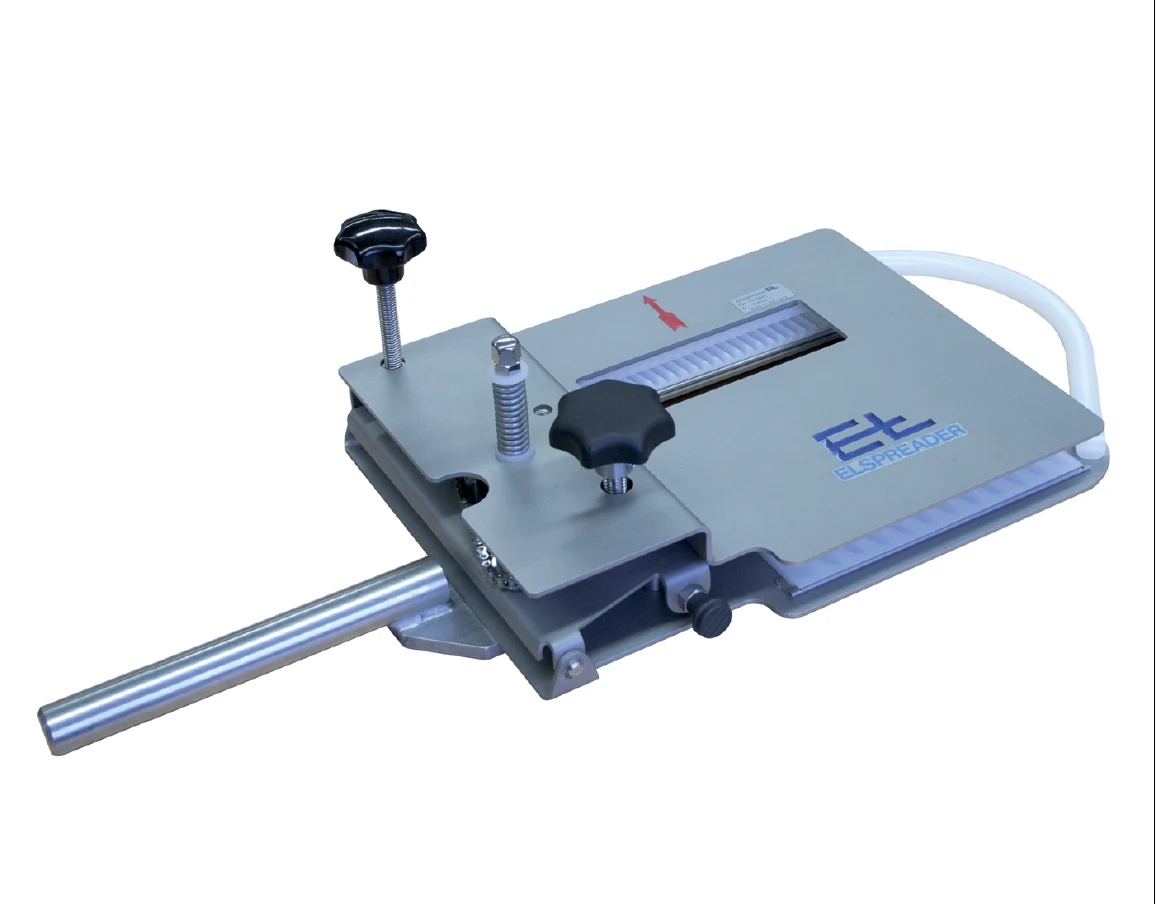
  • Erhardt+Leimer pneumatic selvedge uncurlers for contactless edge opening
  • Flat nylon uncurlers in high-wear polymer, non-abrasive and heat and chemical resistant
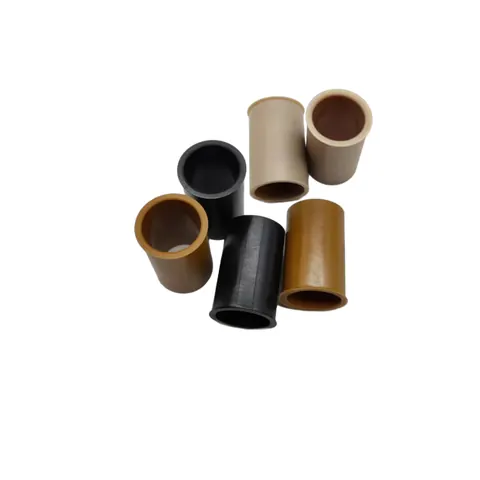
  • PEEK rollers for roller-type uncurlers, self-lubricating so no grease reaches the cloth
  • PEEK bushes and sliders that remove lubrication points from the chain and rail
Recommended Parts

Parts For Knitwear and Elastic Fabrics

Pneumatic uncurlers, nylon guides and PEEK wear parts for jersey, spandex blends and lightweight knits.

Solutions

How We Work With These Plants

PEEK Upgrade Programme

Replace copper mesh linings, metal sliders and lubricated nuts with PEEK, one interface at a time.

Infeed Station Renewal

Uncurler, web guider and pinning device treated as one station rather than three separate fittings.

FAQ

Questions From Knitwear and Elastic Fabrics Plants

What should I use on spandex blend edges?

A pneumatic spreader. The spreading is done by air, so there is no contact face rubbing the elastane edge. The E+L ELSPREADER LPA 03 is built for exactly this.

Why nylon rather than metal guides?

On delicate or lightweight fabrics a metal guide can damage the edge. Nylon is non-abrasive, so friction and edge damage are reduced, and it resists the heat and chemicals used in finishing.

Three fingers or four?

Four fingers open the edge across a longer zone, in stages, which is what a stubbornly curling edge needs. Three suits medium-weight work and tight mounting spaces.

How do I stop grease reaching the cloth?

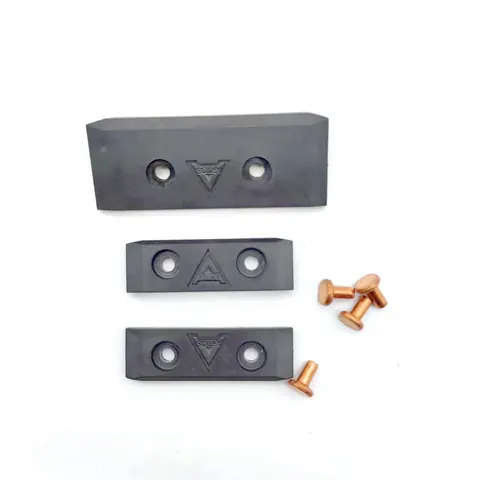
Convert the greased interfaces to self-lubricating PEEK: bushes between pin and chain, sliders on the rail, and a carbon graphite strip as the rail running surface.

Can you supply the whole infeed station?

Yes, including a combined nylon uncurler and pinning device assembly, so the edge opening and pinning geometry are fixed relative to each other.

What fabrics does the pneumatic uncurler suit?

Ultra-delicate elastic knits, jersey, spandex blends, lightweight woven fabrics and easily curling textiles.

Knowledge

Related Guides

Product Guide

Key Parts of a Stenter Machine

Entry section, clip or pin chains, rails, heating chambers, exhaust, blowers, temperature control, width adjustment and weft straightener.

Tell Us What You Finish And We Will Specify The Parts

The article decides the pin density, the bristle type and the chain grade. Tell us what runs on the line and we recommend rather than default.