Multi Brand Spare Parts Supply
Parts for multiple brands of stenter machine, so a mixed fleet is served from one order.

By Machine Brand
By Part Type
Wear Parts and Equipment
PEEK resin is a high performance special thermoplastic with excellent high temperature resistance, wear resistance, self-lubrication, low noise, corrosion resistance and high strength, and it is widely used in the field of textile machinery. Converting a frame to PEEK is not one job; it is four separate interfaces, each of which can be done on its own schedule.
Replace copper mesh linings, metal sliders and lubricated nuts with PEEK, one interface at a time.
The PEEK bush is a wear-resistant lining between the pin and the chain, replacing the original copper mesh lining. Because PEEK is self-lubricating it is more wear resistant and has a longer service life, and the bush can be changed easily. This is usually the first conversion because it gives the clearest return.
The slider rides the rail and decides how the chain behaves on the track. PEEK sliders are self-lubricating, quieter and longer lasting, but they want a rail in good condition. Inspect and dress the rail before converting, or copper remains the better choice.
The PEEK nut is the adjustable nut of the setting machine lead rod, which helps the guide rail to be widened. It is self-lubricating and does not require the use of molybdenum disulfide, is not easy to break, and resists high temperature, corrosion and wear.
PEEK buffer blocks take impact loads in the chain path without a metal-to-metal wear pair, which removes both the noise and the lubrication point.
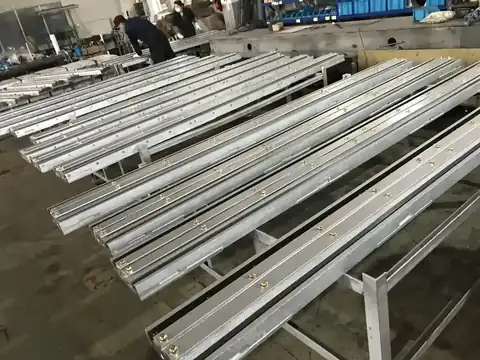
A carbon graphite strip fitted into the rail gives a dry running surface, so the chain rides on graphite rather than on rail metal and the rail no longer depends on grease that would eventually reach the cloth.
Fewer lubrication points, longer intervals and less contamination risk. Measure slider and bush wear at the next service to confirm the expected rate rather than assuming it.
With the bushes. The PEEK bush replaces the copper mesh lining between pin and chain, is easy to change, and gives the clearest improvement in chain life.
No. The four interfaces are independent, so each can be done on its own schedule. Convert a whole section at a time within each interface, though, so heights stay uniform.
No. The PEEK parts are self-lubricating, but the chain as a whole still needs cleaning at least once a year and a high temperature grease on the bearing side.
Not well. PEEK does not tolerate a scored rail as well as copper does. Dress the rail first, or stay on copper until you do.
No. PEEK is self-lubricating, so the molybdenum disulfide used on the older nuts is not required.
Yes. Bushes and sliders are sold separately for exactly that purpose.
Parts for multiple brands of stenter machine, so a mixed fleet is served from one order.
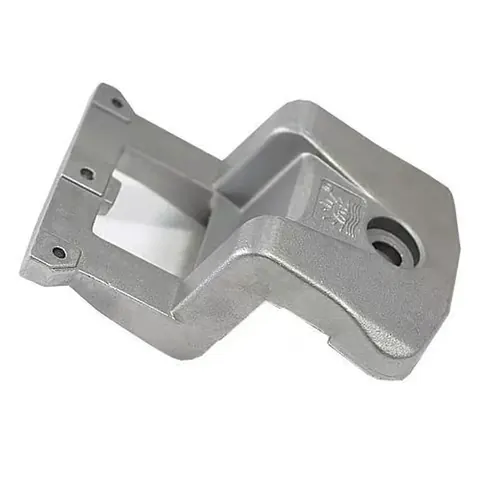
We customise parts according to customer needs: pin plates, pin plate holders, clips, brush wheels and other metal parts.
Artos rail changed to Monforts rail, LK rail changed to Monforts rail, so one specification covers several frames.
Clean the guide and chain at least once a year, grease with a high temperature product, and decide service against replacement by measurement.
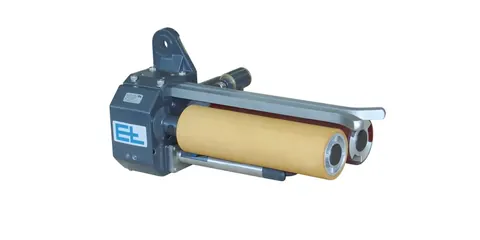
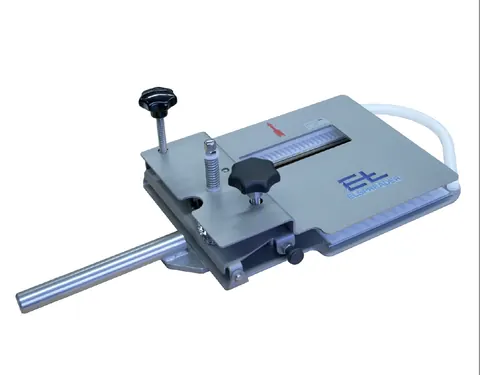
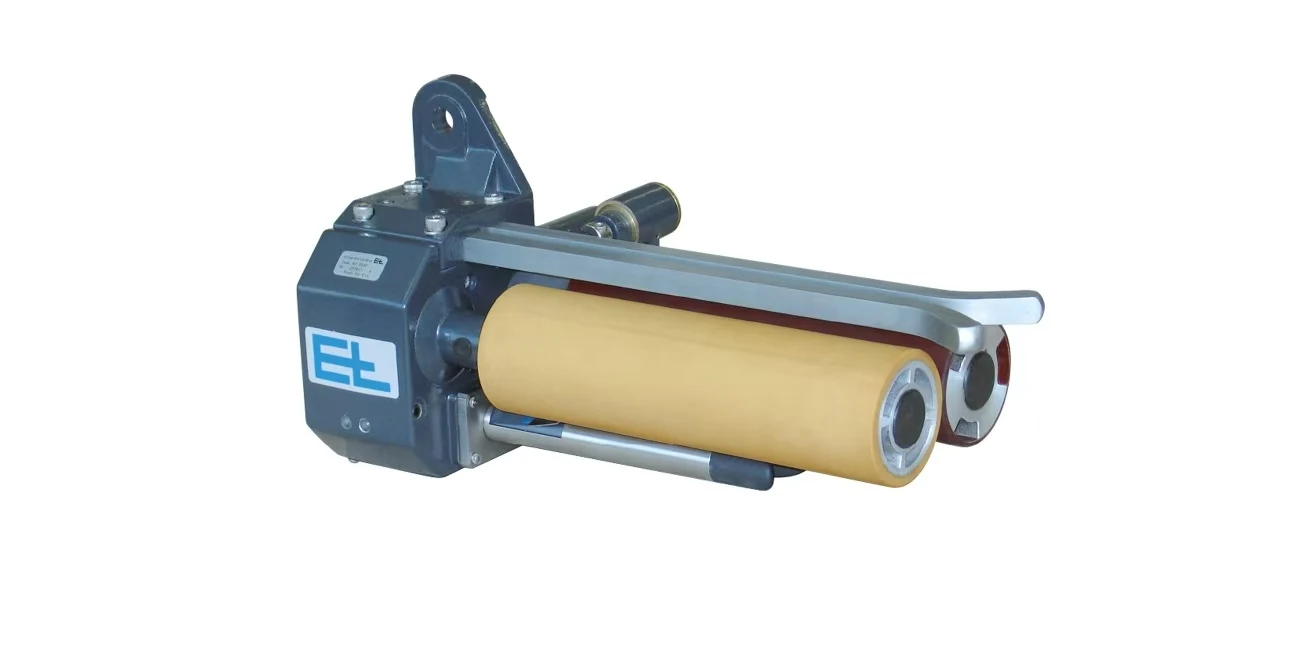
Uncurler, web guider and pinning device treated as one station rather than three separate fittings.
Everything here begins the same way. Send one part per machine, we match it, and the specification is recorded so it never has to be identified again.