Multi Brand Spare Parts Supply
Parts for multiple brands of stenter machine, so a mixed fleet is served from one order.

By Machine Brand
By Part Type
Wear Parts and Equipment
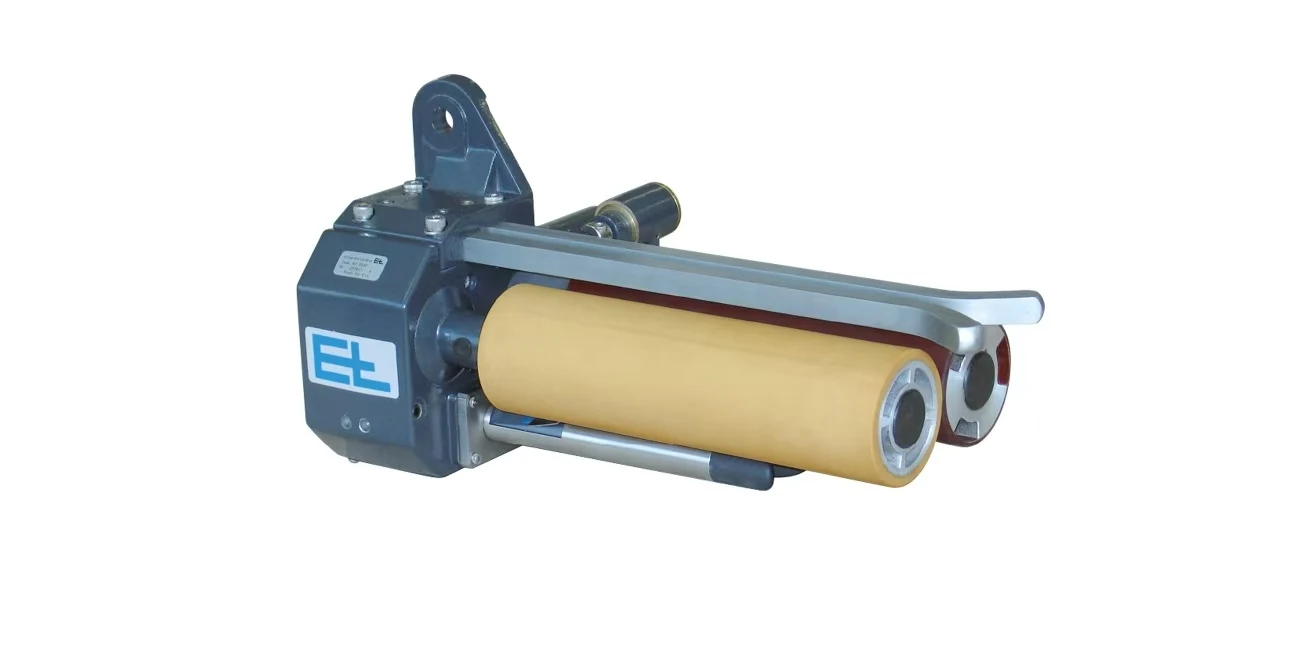
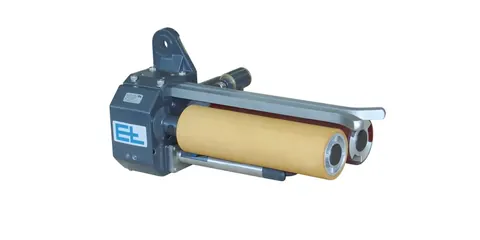
A curled edge arriving at the pin bed is pinned folded, and that shows as a defect down the whole roll. No amount of pin plate quality fixes an edge that was never opened. The infeed is worth treating as one station rather than as three components that happen to sit near each other.
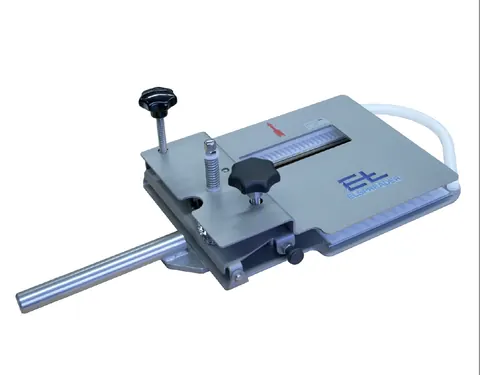
Uncurler, web guider and pinning device treated as one station rather than three separate fittings.
Watch the edge enter at production speed, not at crawl. Curled, folded and frayed edges each need a different answer, and a station that works on medium woven goods will mark elastane.
Pneumatic spreading is contactless and is the right answer for ultra-delicate elastic knits, jersey, spandex blends and lightweight wovens. Mechanical finger and roller types cost far less and are adequate on heavier cloth. Three fingers suit medium weight; four open a stubborn edge across a longer zone.
A combined nylon uncurler and pinning device assembly holds the opening face and the press wheel in a fixed relationship, which is what stops the setting drifting between shifts on a line with frequent article changes.
Metal guides can damage the edge on delicate or lightweight fabrics. High-wear nylon is non-abrasive, resists heat and finishing chemicals, and is normally adjustable in height and angle.
Fitting one new blade against one worn one gives asymmetric edge behaviour and different wear rates. Both sides, matched, is the only setting that stays repeatable.
Once the station is right, record the settings by article. Changeovers then stop being a matter of who is on shift.
Pneumatic for ultra-delicate elastic knits, jersey, spandex blends and lightweight wovens, because the spreading is done by air and there is no contact face. Mechanical for heavier cloth, at a fraction of the cost.
A rolled or curled selvedge causes uneven stretching, defects and handling issues, and it stops the fabric aligning properly in the chain clips or pins. The fault runs the length of the roll.
Separate parts are cheaper and easier to source piecemeal. The assembly holds the geometry between uncurler and press wheel, which is worth paying for on lines with frequent article changes.
Four opens the edge across a longer zone, in stages, which a heavy or stubbornly curling edge needs. Three suits medium-weight work and tight mounting spaces.
Yes. Send a photo with a scale reference or a drawing of the mounting point.
Yes: pin plates, holders, chains and clips for Monforts, Bruckner, Artos, LK, IL SUNG and other frames, all from the same order.
Parts for multiple brands of stenter machine, so a mixed fleet is served from one order.
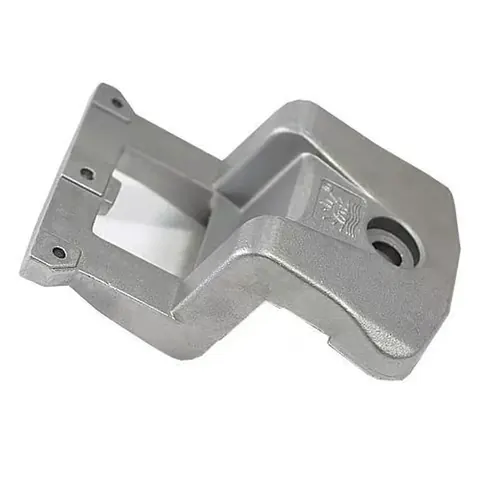
We customise parts according to customer needs: pin plates, pin plate holders, clips, brush wheels and other metal parts.
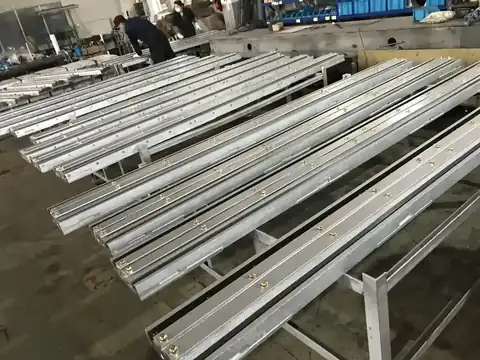
Artos rail changed to Monforts rail, LK rail changed to Monforts rail, so one specification covers several frames.
Replace copper mesh linings, metal sliders and lubricated nuts with PEEK, one interface at a time.
Clean the guide and chain at least once a year, grease with a high temperature product, and decide service against replacement by measurement.
Everything here begins the same way. Send one part per machine, we match it, and the specification is recorded so it never has to be identified again.