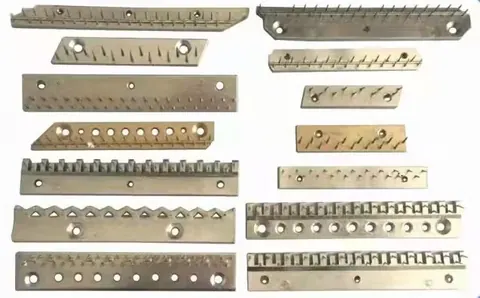
Pin Plate For Stenter Machines
The standard pin plate: two rows of roughly 5 mm pins at 3 to 4 pins per cm on a hardened base plate.
View Details
By Machine Brand
By Part Type
Wear Parts and Equipment
The stenter heat-sets and dries fabric by stretching it to width and holding it there under controlled heat.
The textile industry involves various complex processes to transform raw fabrics into the finished materials that reach the market. One critical piece of machinery in that transformation is the stenter machine.
A stenter machine is used primarily for heat-setting and drying fabric. It works by stretching the material to its desired width and then setting it in place through controlled heating. That ensures the fabric achieves uniformity in width and texture, which is what makes it suitable for further finishing processes such as dyeing, printing or coating.
Heat setting. The machine adjusts the fabric's dimensions by exposing it to high temperatures, so the fibres are set in their proper shape.
Drying. After washing or dyeing, fabrics need to be dried uniformly. The stenter controls the drying process so the fabric holds its correct dimensions throughout.
Stretching. Fabrics often shrink during dyeing. The stenter stretches the material back to its original or desired width.
Finishing. The machine can also apply finishing treatments such as softening agents or water repellents.
The fabric enters the machine on an entry roller and is held in place by clip chains on either side. As the material moves through the heated chambers it is subjected to hot air or steam at a controlled temperature. The adjustable chains on either side stretch the fabric to the required width before it exits, dried and heat set.
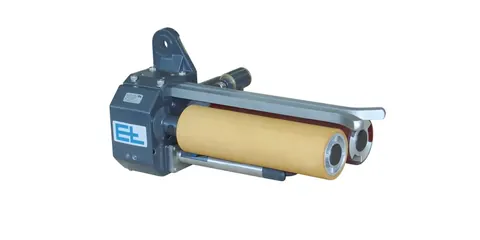
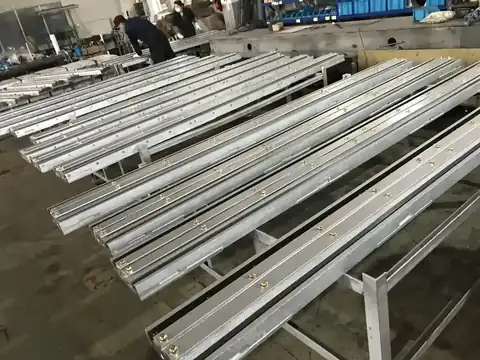
Everything we make sits on that path: the uncurlers that open the edge before it is held, the pins or clips that hold it, the chain that carries it, the rail the chain runs on, and the brush wheels that press the cloth onto the pins and keep the bed clear.
Consistent fabric width is the primary benefit and the one quality departments measure.
Enhanced fabric quality, because the machine reduces creases and distortions.
Efficient drying, far faster and more controlled than natural drying.
A stenter is a continuous machine, so the parts that touch the cloth are consumed continuously. Pin plates, clips, chain bushes, brush wheels and cutting blades are consumables rather than failures, which means their supply belongs in a maintenance plan rather than in an emergency purchase order.
Primarily heat-setting and drying fabric. It stretches the material to its desired width and sets it in place through controlled heating, which gives uniformity in width and texture.
By clip chains or pin chains on either side of the machine, which grip the edges as the cloth moves through the heated chambers.
Drying removes moisture after washing or dyeing while holding dimensions. Heat setting exposes the fabric to high temperature so the fibres are set in their proper shape, which is what stabilises synthetic fibres.
Yes. It can apply treatments such as softening agents or water repellents while processing the fabric.
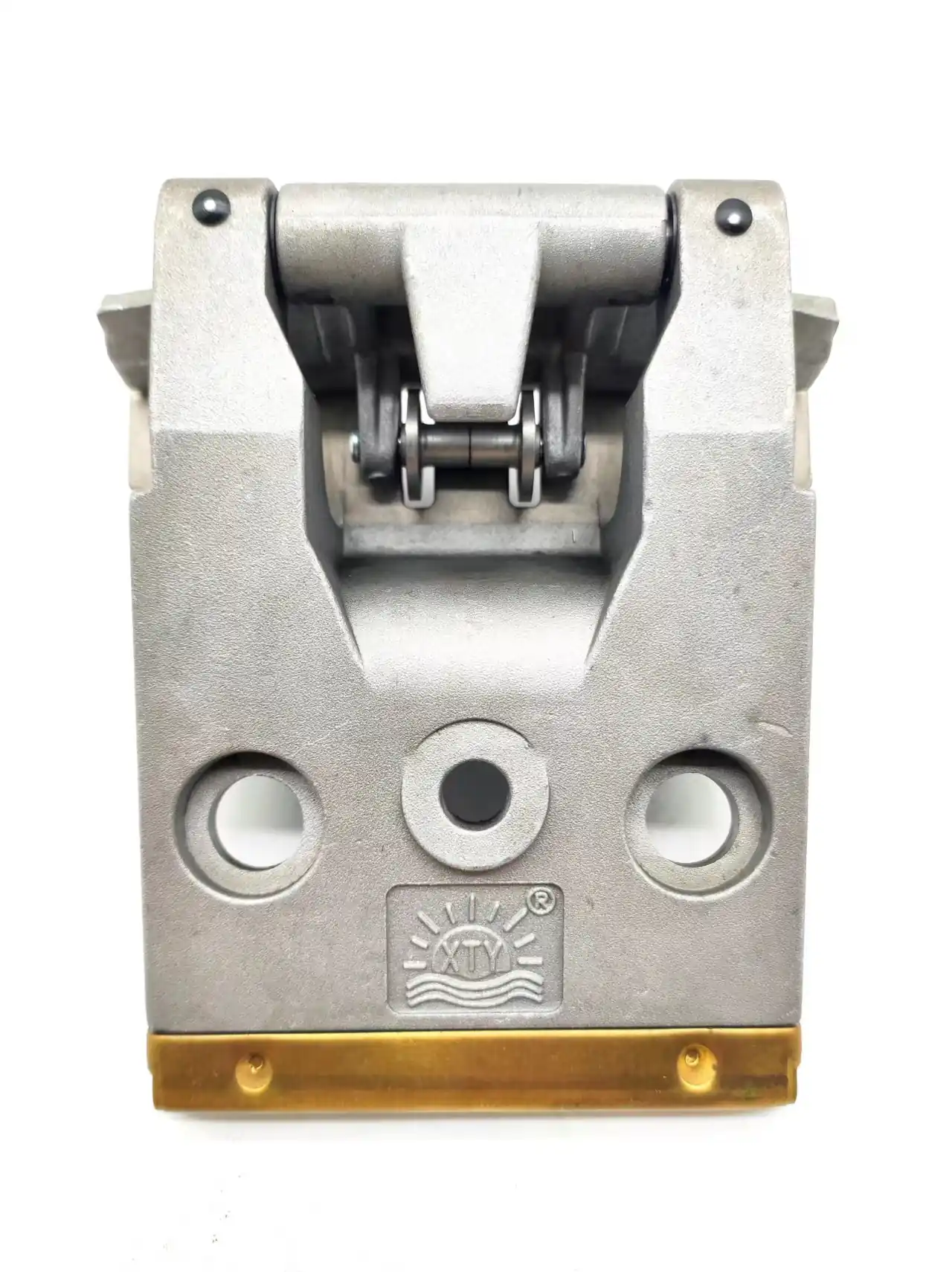
The standard pin plate: two rows of roughly 5 mm pins at 3 to 4 pins per cm on a hardened base plate.
View Details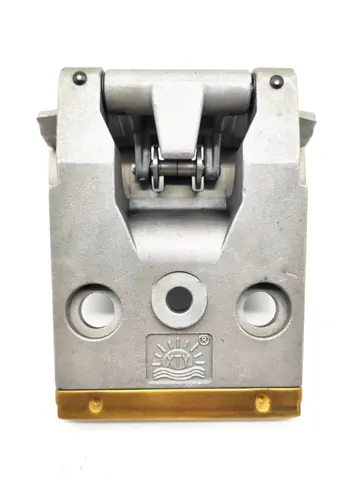
Monforts clip that opens at the infeed, closes its knife on the cloth, and reopens at the machine end.
View Details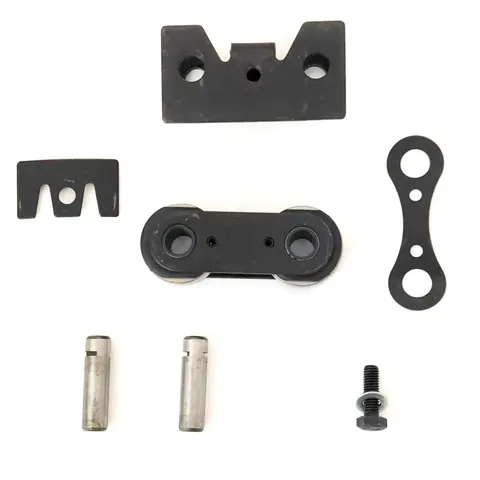
Loose chain components for Monforts oil-free guide frames: connectors, pins, PEEK bushes, dust covers and wear sleeves.
View DetailsEntry section, clip or pin chains, rails, heating chambers, exhaust, blowers, temperature control, width adjustment and weft straightener.
Clips leave no pin marks and suit thicker fabrics; pins hold more tension and run faster, to 100 m per minute.
Self-lubrication, high temperature resistance and low noise are why PEEK took over the wear interfaces.
Send the machine brand and a photo of the part. We identify the specification and quote it, usually the same day.