Chamber temperature at the top of the range
PP bristle deforms and softer polymers lose form. Nylon bristle and PEEK wear parts exist because of exactly these positions.

By Machine Brand
By Part Type
Wear Parts and Equipment
Technical textile and coating lines run hotter and dirtier than apparel finishing. Coating residue builds up on every contact surface, chamber temperatures sit at the top of the machine's range, and the wear parts that survive apparel work start failing early.
PP bristle deforms and softer polymers lose form. Nylon bristle and PEEK wear parts exist because of exactly these positions.
Coating and finish residue accumulates on brush wheels, uncurlers and pin plates, which changes how the cloth is held long before anything visibly fails.
Coated and laminated products show contamination that an apparel fabric would hide, which makes every greased interface a quality risk.
Technical textile plants run a wide range of substrates, so one bed specification rarely suits everything on the schedule.
High temperature wear parts for coating, laminating and technical textile finishing.
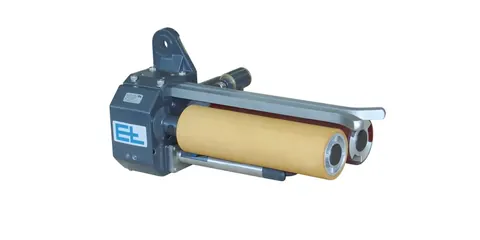
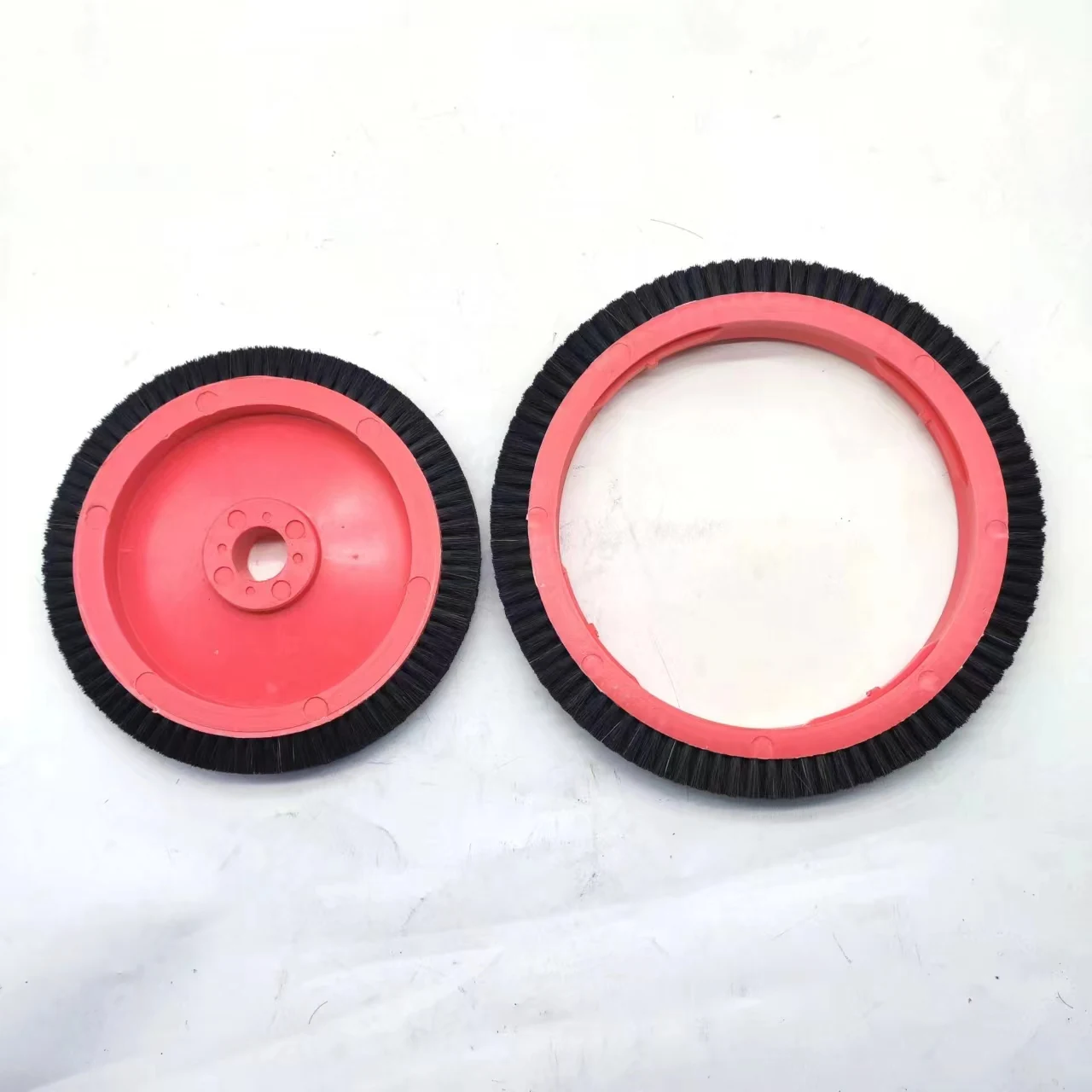
The 220 by 167 Monforts wheel specified with high temperature nylon bristle as standard.
View Details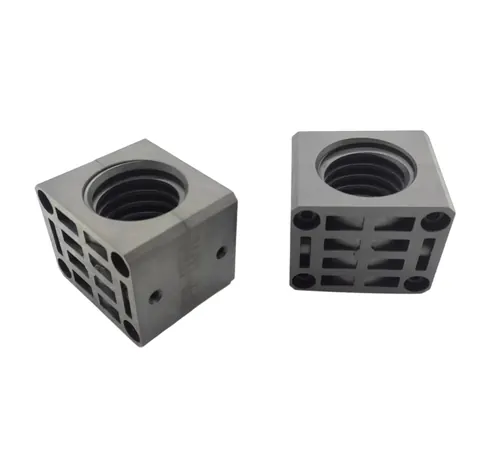
The black PEEK grade of the Monforts lead rod nut, same sizes and same self-lubricating behaviour.
View Details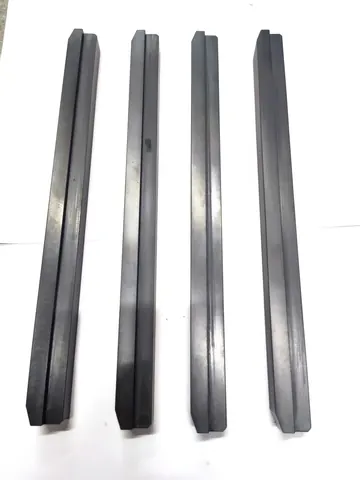
PEEK buffer block that absorbs impact in the chain path without metal-to-metal contact.
View Details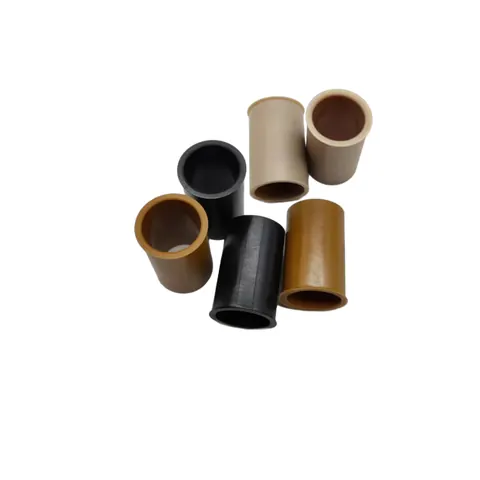
The wear-resistant lining between pin and chain, replacing the original copper mesh lining.
View Details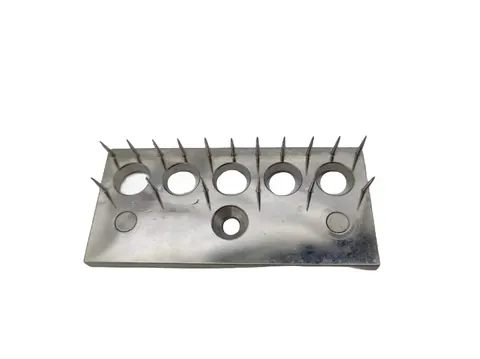
High strength stainless pin plate rated to 800 degrees for PI film stenter lines.
View Details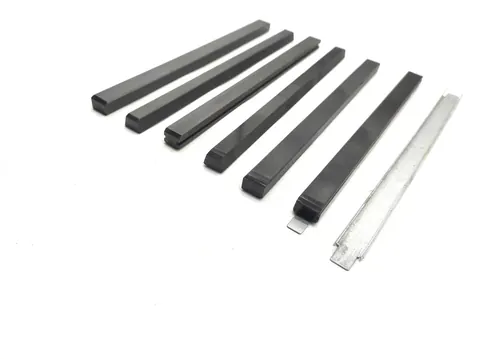
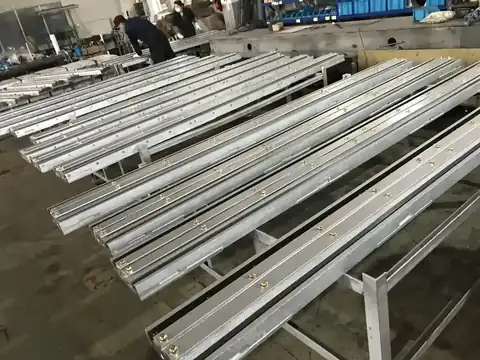
Graphite strip fitted into the guide rail as a low friction running surface.
View DetailsReplace copper mesh linings, metal sliders and lubricated nuts with PEEK, one interface at a time.
Clean the guide and chain at least once a year, grease with a high temperature product, and decide service against replacement by measurement.
We customise parts according to customer needs: pin plates, pin plate holders, clips, brush wheels and other metal parts.
Nylon. PP is the general purpose option but it deforms where the position runs hot, which is common on coating lines.
PEEK combines high temperature resistance, wear resistance, self-lubrication, low noise, corrosion resistance and high strength, which is the combination these lines need.
Remove the grease points. PEEK bushes and sliders are self-lubricating, and a carbon graphite strip gives a dry running surface in the rail.
Yes. Where a position is known to need nylon, we supply it as a fixed specification so the wrong bristle cannot be ordered by mistake.
Clean the guide and chain at least once a year at minimum; coating lines usually need more frequent attention on brush wheels and uncurler contact faces.
Yes. Custom parts to drawing or sample are a normal part of our work, including pin plates, holders, clips, brush wheels and other metal parts.
The stenter heat-sets and dries fabric by stretching it to width and holding it there under controlled heat.
Entry section, clip or pin chains, rails, heating chambers, exhaust, blowers, temperature control, width adjustment and weft straightener.
Clips leave no pin marks and suit thicker fabrics; pins hold more tension and run faster, to 100 m per minute.
The article decides the pin density, the bristle type and the chain grade. Tell us what runs on the line and we recommend rather than default.