
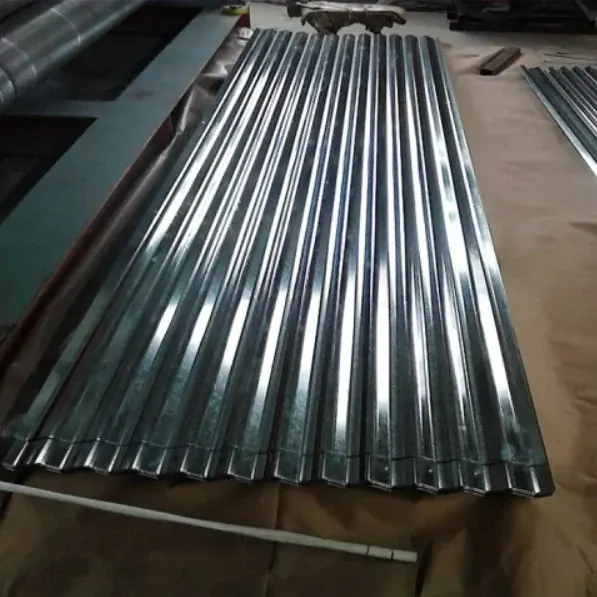
Color Coated Tin Roofing Sheet
Electrolytic tinplate sheet with a printed passivated surface for roofing and panels
SpecificationsIndustries
Solutions
Resources
Company
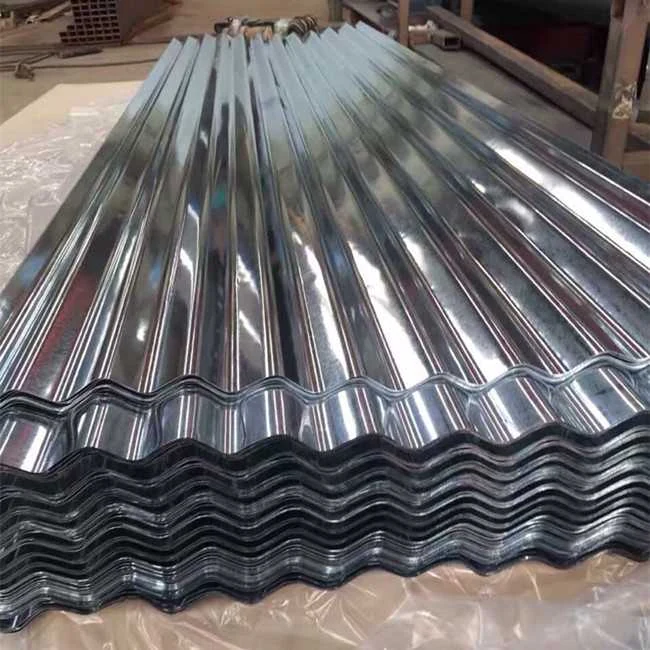
Cold rolled low carbon sheet tinned on both sides for light gauge roofing and panel work
Tin roofing sheet is electroplated tin steel sheet, known in the trade as SPTE or ETP, made by coating cold rolled low carbon steel with commercial pure tin on both faces. Roofing and light fabrication shops specify it where a thin steel panel has to resist rust, take a fold and still be soldered at the seam. Supplying the sheet already tinned removes the protective coating step and the drying time that bare cold rolled sheet needs before a panel can be formed. Gauge runs 0.15~0.50mm to a +/- 0.01 mm tolerance under GB/T 2520-2008, JIS G3303-2008, DIN EN 10203-1991 and ASTM A623M-2011.
Tin on both sides is what stops corrosion and rust on a panel this thin. Nothing has to be sprayed or baked on before the sheet goes into the roll former.
Tin gives the sheet its solderability, so lapped and standing seams can be closed with solder rather than sealed with a separate compound.
The base steel keeps its strength and formability under the tin layer, so bend lines stay clean at 0.15~0.50mm instead of tearing at the fold.
Temper runs T2 T2.5 T3 T3.5 T4 and T5 plus the double reduced DR7 DR7M and DR8, so a deep drawn detail and a stiff flat panel can each get the right sheet.
A thickness tolerance of +/- 0.01 mm means the forming line does not need resetting between bundles from the same order.
The sheet is light proof and rugged with strong antioxidant behavior, which is why the same material is used for both panel work and sealed containers.
Painted thin sheet loses protection wherever it is cut or bent hard. Tin coating on both faces of the base steel keeps corrosion resistance across the formed profile.
Coated sheets with an organic top film cannot be soldered without stripping. The tin surface is solderable as delivered, so seams close with the tools the crew already uses.
Every gauge change means a reset. Holding 0.15~0.50mm to +/- 0.01 mm lets one setting run through the bundle.
The same tinplate specification covers roofing panel work and packaging container work, so a converter can consolidate onto one material rather than two stock lines.
Formed and seamed roof sheets on outbuildings and workshop roofs where a thin steel panel has to be fixed by hand.
Folded rainwater goods and flashing details where soldered joints are used and the profile is bent from flat sheet.
Can bodies and ends that rely on the sealing, preservation and non toxic properties of the tinned surface.
Tins and protective cases for medical and instrument goods that need a light proof and rugged metal wall.
General industrial packs and commodity containers where printed tinplate replaces board for strength and shelf appearance.
Values below come from the product data published by Shandong Tianyu Metal Products. Confirm the exact grade and size against your order.
| Product Name | Tin Roofing Sheet |
|---|---|
| Also Known As | SPTE ETP tinplate sheet |
| Material | SPCC MR SPCH |
| Thickness | 0.15~0.50mm |
| Thickness Tolerance | +/- 0.01 mm |
| Tin Coating | 1.1~11.2g/m2 |
| Temper | T2 T2.5 T3 T3.5 T4 T5 DR7 DR7M DR8 |
| Annealing | CA continuous annealing or BA batch annealing |
| Surface Treatment | Bright stone or silver finish with passivation treatment and DOS oil |
| Standards | GB/T 2520-2008 JIS G3303-2008 DIN EN 10203-1991 ASTM A623M-2011 |
| Place of Origin | China |
| Certificate | ISO9001 BV SGS RoHS and mill test certificate |
| Galvanized roofing sheet | Tinplate gives a solderable surface and a food safe non toxic coating, which zinc coated sheet does not offer for container or soldered seam work. |
|---|---|
| Painted steel roofing sheet | Protection comes from the metallic tin layer on both faces rather than an organic film that can be scratched through during handling. |
| Plain cold rolled sheet | The same base steel is used but the tinned faces stop rust in transit and in service, so the panel does not need coating before it is formed. |
Yes. It is SPTE ETP electroplated tin steel sheet, the same specification used for can bodies, supplied in sheet sizes for panel work.
Down to 0.15mm and up to 0.50mm, held to a tolerance of +/- 0.01 mm.
BA is batch annealing and CA is continuous annealing. Both routes are available and the choice affects the temper grade you end up with, from T2 through T5 and the double reduced DR grades.
Yes. Solderability is one of the properties the tin coating gives the steel, which is why the material is used for seamed panels and container bodies.
Yes. Give the length and width and the sheets are sheared before packing so no trimming is needed at your end.
Sheets are bundled flat with edge protection over the DOS oil film so the tin surface is not marked in transit.
A mill test certificate against the ordered standard, with ISO9001, BV, SGS and RoHS documents available on request.
Electrolytic tinplate sheet with a printed passivated surface for roofing and panels
Specifications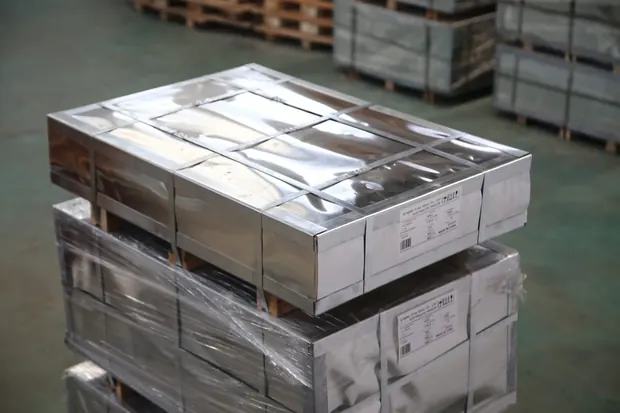
Gauge temper coating weight and finish set per order rather than taken from stock
Specifications
Electrolytic tin coated steel sheet for printed can bodies ends and closures
Specifications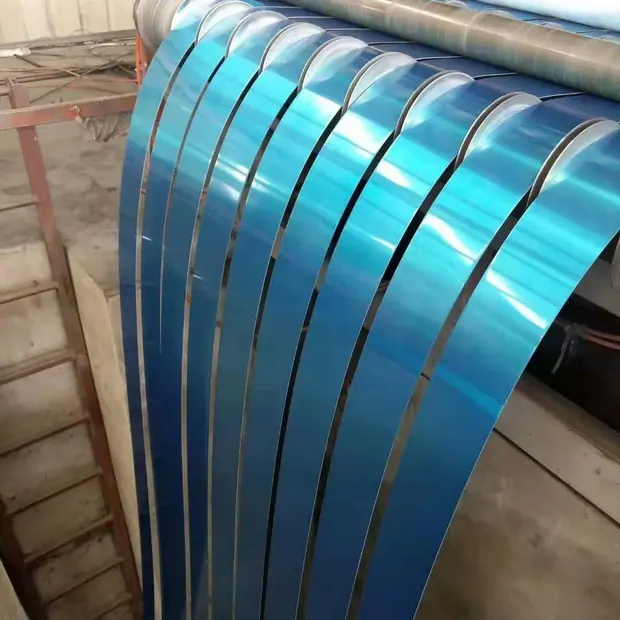
Narrow electrolytic tinplate cut to width for closures crowns and small formed parts
Specifications
Construction and infrastructure buyers order steel by the part it becomes: mild steel plate for base plates gussets and stiffeners
Read moreCan makers do not buy steel, they buy a strip that will draw without splitting, take a printed lacquer without blistering and seam
Read moreSend the grade, thickness, width and quantity you need together with your destination port. A cutting list or drawing gets you a firmer number.