
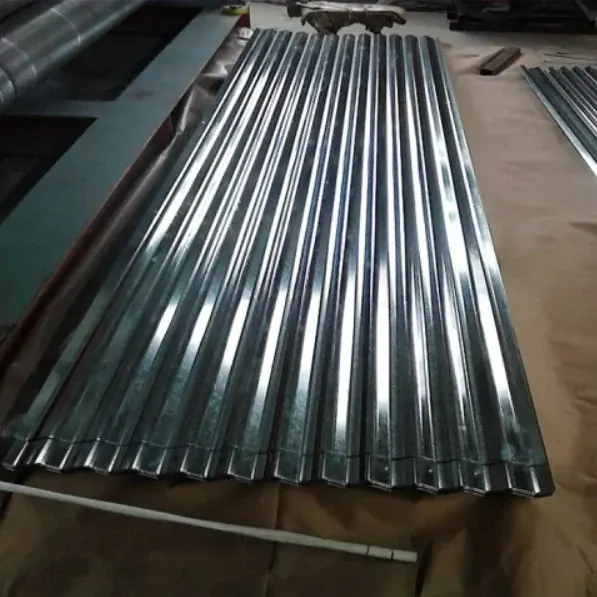
Color Coated Tin Roofing Sheet
Electrolytic tinplate sheet with a printed passivated surface for roofing and panels
SpecificationsIndustries
Solutions
Resources
Company
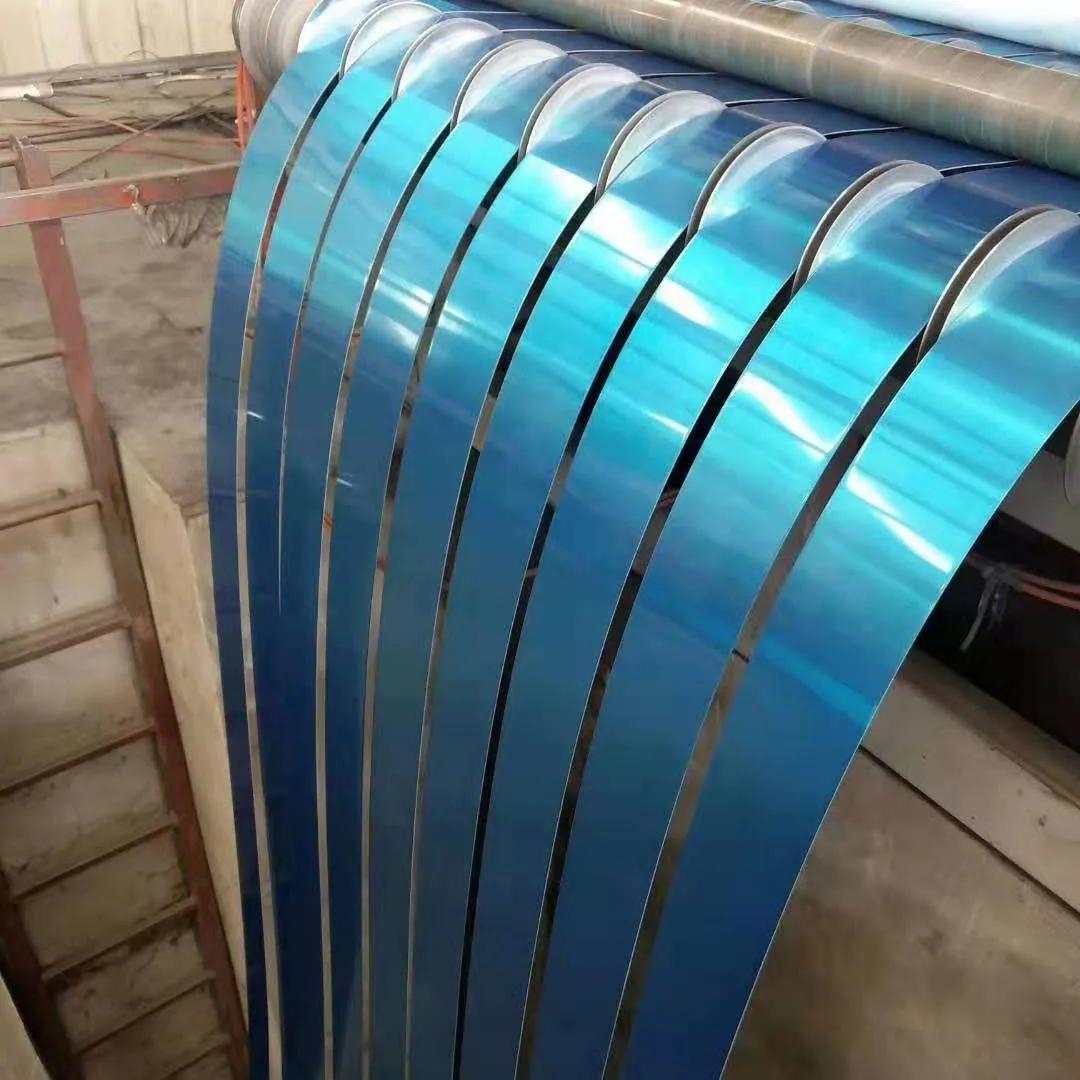
Narrow electrolytic tinplate cut to width for closures crowns and small formed parts
Coated tinplate strip is narrow width SPTE supplied as cold rolled low carbon steel plated with commercial pure tin on both faces, then passivated and oiled. Closure makers, crown cork producers and small parts formers specify it in SPCC, MR or SPCH against GB/T 2520-2008, JIS G3303-2008, DIN EN 10203-1991 or ASTM A623M-2011. Buying the strip already slit to the press width stops a converter having to run wide coil through its own slitter and carry the edge trim as scrap on every job. Thickness is held at 0.15-0.50mm within plus or minus 0.01 mm, which matters on a progressive die where feed height and blank pitch have no room to move.
Strip is prepared at the width your press or roll former runs. The edge trim stays at the mill rather than accumulating as scrap beside your line.
Tin coating can be ordered anywhere in the 1.1 to 11.2 g/m2 range on both faces. Crowns and closures in contact with carbonated or acidic contents take a heavier coating while dry pack components take a lighter one.
Thickness runs 0.15-0.50mm with a tolerance of plus or minus 0.01 mm. Consistent gauge keeps blanking burr and draw depth steady through a long die run.
Temper is available from T2 through to T5 and in the double reduced DR7, DR7M and DR8 grades. Stiff closure shells and deep drawn components can be ordered on the same purchase order.
The pure tin layer keeps the steel solderable and corrosion resistant while the base carries the strength. That combination is why tinplate is still used for soldered and seamed metal components.
Bright, stone or silver finish is passivated and carries DOS oil so the strip arrives without surface staining after a long sea leg.
decoiling wide coil in house leaves trim that has to be handled, stored and sold as scrap. Strip supplied at the finished width moves that loss back up the chain.
Gauge variation changes blanking burr and draw depth and costs die setup time. Holding 0.15-0.50mm within plus or minus 0.01 mm keeps the die running between planned stops.
Shops often split orders because one source covers soft tempers and another covers double reduced material. T2 to T5 and DR7 to DR8 come from the same stock here.
Unprotected tin surfaces mark during a long transit and get rejected at goods in. Passivation treatment plus DOS oil keeps the strip printable and formable on arrival.
Component buyers audit against different standards depending on market. Ordering to GB/T 2520-2008, JIS G3303-2008, DIN EN 10203-1991 or ASTM A623M-2011 keeps the paperwork aligned.
Narrow strip blanked and formed into crowns and screw closures where the tin surface must sit against a carbonated or acidic product.
End shells, collars and rings stamped from strip for food and commodity cans that are assembled on a seaming line.
Small formed shells and brackets for instrument packaging where a rugged, printable metal is preferred over plastic.
Slip lids, hinged lids and closure components for health product packs that need a non-toxic corrosion resistant surface.
Lever lid rings, handles and spout components for paint, adhesive and chemical containers produced in long die runs.
Values below come from the product data published by Shandong Tianyu Metal Products. Confirm the exact grade and size against your order.
| Product Name | Coated Tinplate Strip |
|---|---|
| Also Known As | SPTE ETP electroplated tin steel strip |
| Material | SPCC MR SPCH |
| Thickness | 0.15-0.50mm |
| Thickness Tolerance | Plus or minus 0.01 mm |
| Width | Slit to requirement |
| Tin Coating | 1.1-11.2 g/m2 |
| Temper | T2 T2.5 T3 T3.5 T4 T5 DR7 DR7M DR8 |
| Annealing | BA batch annealing or CA continuous annealing |
| Surface Treatment | Bright stone or silver finish with passivation treatment and DOS oil |
| Standards | GB/T 2520-2008 JIS G3303-2008 DIN EN 10203-1991 ASTM A623M-2011 |
| Certificate | ISO9001 BV SGS RoHS |
| Place of Origin | China |
| Wide tinplate coil slit in house | Mill slit strip arrives at the die width, so the trim loss and the slitter hours stay out of your plant. |
|---|---|
| Tin free steel strip | The tin layer keeps the strip solderable, which matters where components are soldered or seamed rather than only coated. |
| Stainless steel strip | Tinplate gives a corrosion resistant food contact surface at a much lower material cost where the duty is packaging rather than structural. |
| Pre painted cold rolled strip | Tinplate carries its corrosion protection as a metallic layer that survives blanking and drawing without the coating cracking at the cut edge. |
Strip is slit to the width your press or roll former feeds. Give the width and the inner diameter your decoiler takes and we will confirm what can be produced.
Thickness runs from 0.15mm to 0.50mm and is held within plus or minus 0.01 mm. Toward the thin end of that range the double reduced DR tempers are usually the sensible choice for stiffness.
Crowns are normally formed from the harder end of the range, so DR7, DR7M or DR8 are the usual candidates. Tell us the shell depth and we will comment on what has worked on similar tooling.
Coating runs from 1.1 to 11.2 g/m2 and the contents drive the choice. Acidic and carbonated products need the heavier end while dry pack components can run lighter.
Yes. Pure tin on the surface keeps the steel solderable, which is one of the reasons tinplate is still used on seamed and soldered components.
The material is covered by ISO9001, BV, SGS and RoHS documentation. Name the standard you are ordering against so the certificate references GB/T, JIS, DIN EN or ASTM correctly.
Yes. Repeat programs are normally run to a fixed strip width and temper so each delivery drops straight onto the same die without a new setup.
Electrolytic tinplate sheet with a printed passivated surface for roofing and panels
Specifications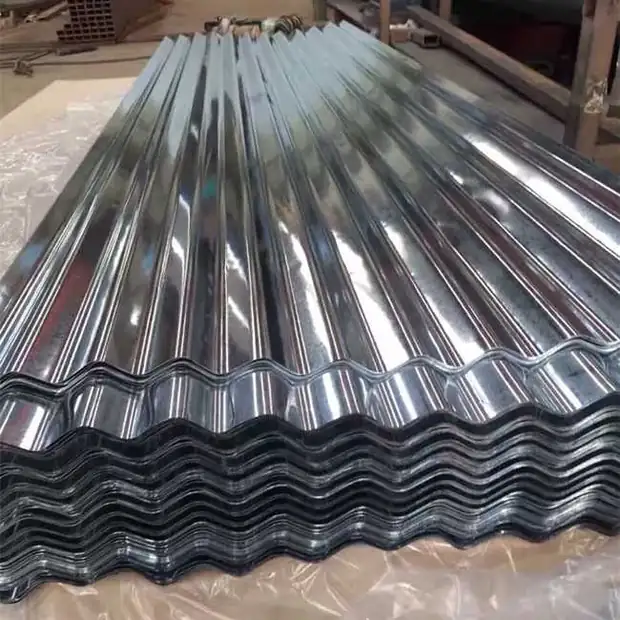
Cold rolled low carbon sheet tinned on both sides for light gauge roofing and panel work
Specifications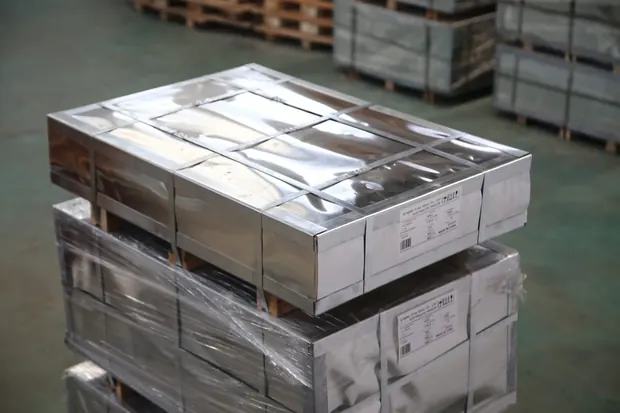
Gauge temper coating weight and finish set per order rather than taken from stock
Specifications
Electrolytic tin coated steel sheet for printed can bodies ends and closures
SpecificationsCan makers do not buy steel, they buy a strip that will draw without splitting, take a printed lacquer without blistering and seam
Read more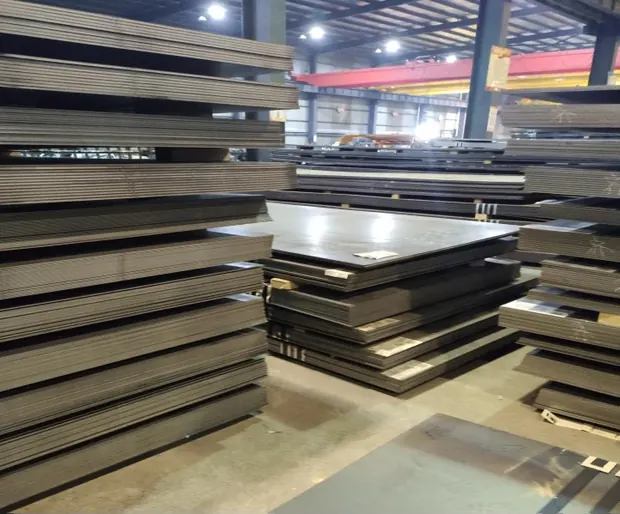
Construction and infrastructure buyers order steel by the part it becomes: mild steel plate for base plates gussets and stiffeners
Read moreSend the grade, thickness, width and quantity you need together with your destination port. A cutting list or drawing gets you a firmer number.