
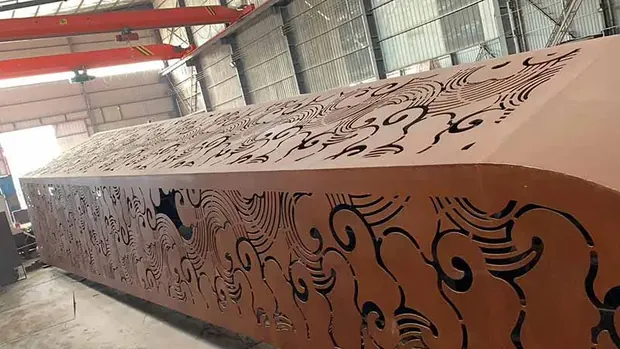
Corten Steel Plate
Atmospheric corrosion resistant plate that builds its own protective rust instead of paint
SpecificationsIndustries
Solutions
Resources
Company
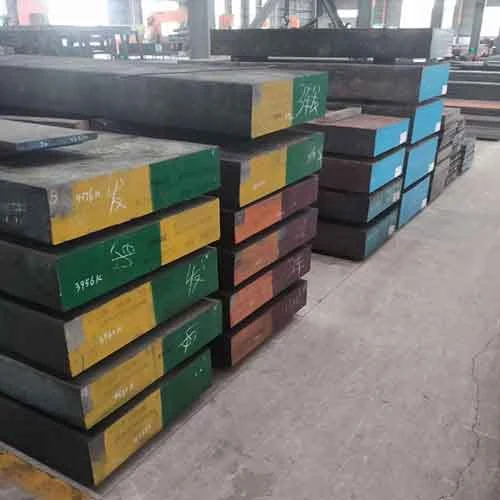
Vacuum degassed cold work die steel with strong hardenability and stable size
D2 SKD11 is a high chromium cold work die steel supplied under the designations 1.2379, Cr12Mo1V1, X153CrMoV12, X12M and SKD11. Die makers building blanking and forming tooling specify it where the working edge has to resist wear run after run and the tool has to come back to size after hardening. Because it is spheroidize annealed before shipment it cuts cleanly in the soft state, so a tool shop can machine the cavity and the die plate before the heat treatment cycle rather than fighting hard material. Vacuum degassing refines the steel before it is rolled, which matters on tool faces that will be polished or held to tight profile.
Spheroidization annealing softening treatment leaves the steel in a condition that machines cleanly. Cavity milling, drilling and turning are done before the tool is hardened.
The steel contains vanadium and molybdenum, which is what gives the working face its wear resistance in continuous blanking and forming duty.
Vacuum degassing refining treatment makes the steel purer, which shows up on polished faces and on edges that are held to a fine profile.
As a cold work die steel it hardens strongly, so the working hardness carries into thick die plates rather than stopping at the surface.
Dimensional stability during hardening keeps the finished tool close to the machined size and reduces the corrective grinding needed after treatment.
Once heat treated the material combines high hardness with wear resistance, which is the pairing a blanking edge needs to survive long production runs.
A tool that distorts in heat treatment has to be reground back to print or scrapped. The dimensional stability of this cold work grade keeps the hardened tool close to its machined size.
A blanking edge that dulls mid run forces an unplanned tool change. The vanadium and molybdenum content gives the wear resistance the edge needs to reach the end of the run.
Inclusions show up as pitting when a tool face is polished. Vacuum degassing refining treatment produces a purer steel for those faces.
Material delivered too hard slows cavity cutting and wears out end mills. Spheroidize annealed stock machines in the soft condition first.
Cut to size supply from 0-1000mm stock means a die insert order does not come with an offcut you have to store.
Die plates and inserts for blanking and forming operations where the cutting edge sees sheet stock on every stroke.
Press tooling and punches that must hold profile through a production run without being pulled for regrinding.
Rolls that shape strip continuously and wear on the profile faces rather than on a single edge.
Bits, guide bushes and wear parts inside a die set where sliding contact gradually opens clearances.
Trim and pierce stations rebuilt from stock so a worn insert can be replaced without remaking the whole die.
Values below come from the product data published by Shandong Tianyu Metal Products. Confirm the exact grade and size against your order.
| Product Name | Mold steel |
|---|---|
| Grade | 1.2379 sk10 SKD11 D2 X153CrMoV12 X12M |
| Also Known As | Cr12Mo1V1 cold work die steel |
| Thickness | 0-1000mm |
| Size | Customized size |
| Technique | Annealed quenched and tempered |
| Refining | Vacuum degassing |
| Surface | Raw material milling grinding |
| Application | Blanking and forming dies forming rolls press tools punches bits and bushes |
| Place of Origin | China |
| Processing Service | Bending welding decoiling cutting punching |
| Certificate | Mill test certificate |
| Sample | Available |
| Water hardening carbon die steel | Carbon die steel is cheaper but moves more in quench and wears out faster on the blanking edge, so tool changes come sooner. |
|---|---|
| Plastic mold steel such as P20 | Pre-hardened plastic mold steel is made for cavity work at moderate load, whereas this grade is built for the wear and impact of cold blanking and forming. |
| High speed steel punches | High speed steel suits tools that generate cutting heat, while this cold work grade is the economic choice for ambient temperature blanking and piercing. |
| Cemented carbide die inserts | Carbide lasts longer on very high volume work but chips under shock and costs far more to machine, whereas D2 inserts can be made and reground in a normal tool room. |
Thickness covers 0-1000mm and size is customized, so die plates and inserts are cut to your drawing sizes rather than sold as full plates.
Yes. The same cold work die steel is supplied as 1.2379, D2, SKD11, Cr12Mo1V1, X153CrMoV12 and X12M.
It is supplied after spheroidization annealing softening treatment, which gives it good cutting performance so the cavity and plate can be machined before hardening.
Vacuum degassing refining treatment makes the steel purer, which shows on polished tool faces and on fine blanking edges where inclusions would otherwise appear.
This grade is characterized by strong hardenability and stable size, so the hardened tool stays close to the machined dimensions.
Surface is available as raw material, milled or ground. Ground plate saves the squaring setup when the die plate goes straight to cavity machining.
Samples are available. Send the insert size and surface condition you need and we will confirm what can be released.
Atmospheric corrosion resistant plate that builds its own protective rust instead of paint
Specifications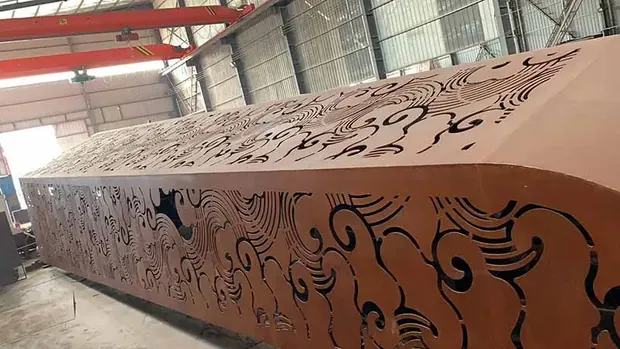
SPA-H grade weathering plate for bare exposed and long recoating interval structures
SpecificationsAtmospheric corrosion resistant plate that forms its own protective rust layer
Specifications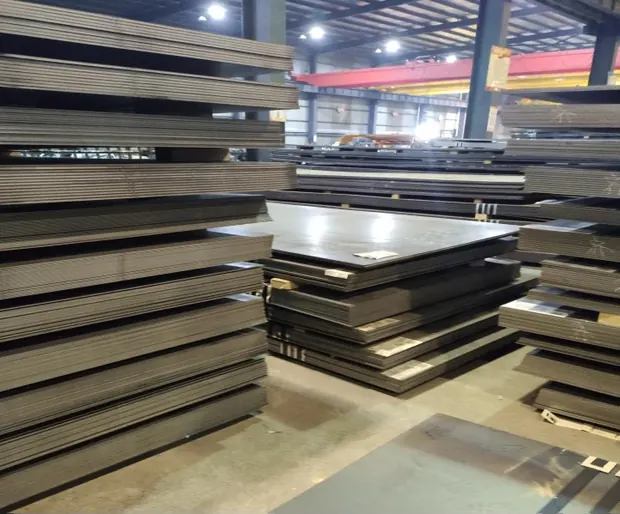
Quenched and tempered 690 MPa plate for boom arms lifting frames and welded structures
Specifications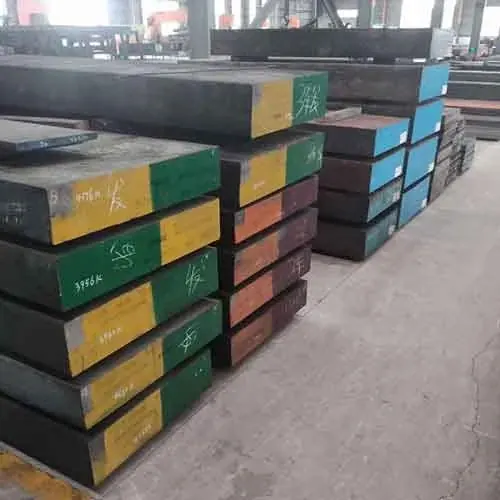
A tool room loses more time waiting for a block than cutting one. Tianyu Metal stocks the four families a die shop actually orders
Read more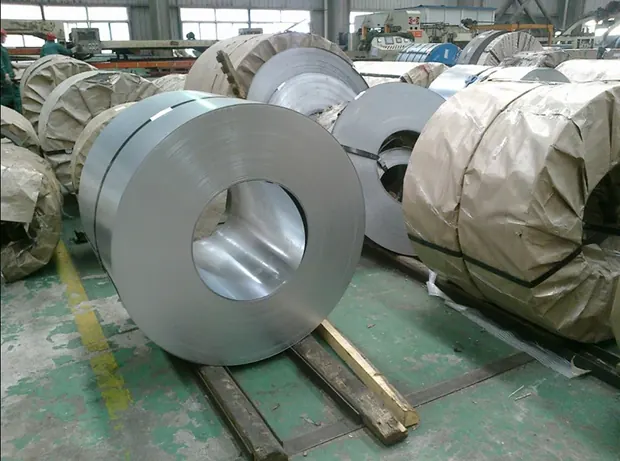
Vehicle and trailer components fail on fatigue, not on a single overload, so the grade behind each part matters more than the pric
Read more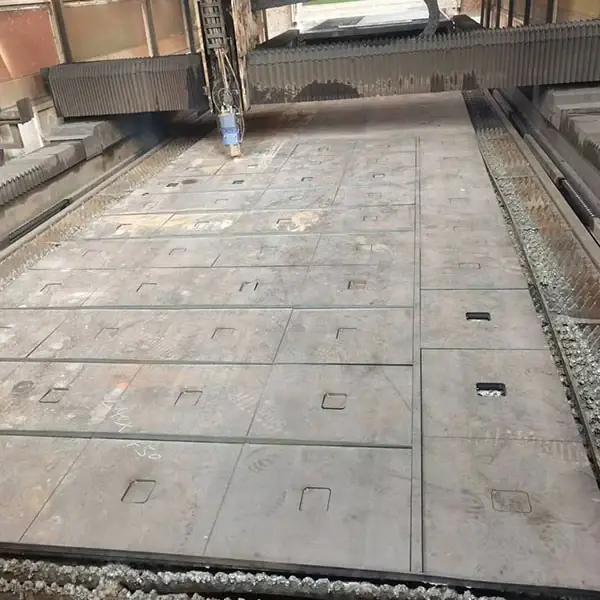
One loader or one tractor needs four different steels and most fabrication shops buy them from four different suppliers. The struc
Read moreSend the grade, thickness, width and quantity you need together with your destination port. A cutting list or drawing gets you a firmer number.