
Armor 500 550 Steel Plate
Two hardness classes from one stock so each zone gets the level it actually needs
SpecificationsIndustries
Solutions
Resources
Company
Buying armor steel comes down to six questions: what ammunition you have to stop, what weight the protected product can carry, what hardness grade your budget allows, what size you need.
Buying armor steel comes down to six questions: what ammunition you have to stop, what weight the protected product can carry, what hardness grade your budget allows, what size you need, how the plate will be cut welded and bent, and whether you buy from stock or order customized material. Tianyu Metal supplies ballistic and armor steel plate in 2.3mm to 100mm thickness in the quenched and tempered condition, with a hardness rating of 500 to 600 Brinell, yield strength of 1250 MPa and tensile strength of 1600 MPa. Answering the six questions in order stops you from paying for hardness you do not need or ordering a plate your workshop cannot fabricate.
The first question is what protection level you need and what type of ammunition you have to defeat. Buyers name threats such as M2AP, AK47, M80, SS109 and M193, and each one loads the plate differently. Until that is fixed, thickness and grade are guesses.
Armor and ballistic steel plate supplied by Tianyu Metal can stop AK47, NATO 5.56 x 45, NATO 7.62 x 51 and M80. Protection is quoted against the recognized level systems so your specification travels with the order.
The second question is what weight the steel is allowed to have. A cash in transit vehicle, a patrol boat and a fixed bank counter each have a different weight budget, and on a vehicle every added kilogram comes out of payload, range or suspension life.
Where a weight limit exists, work backwards from it. Fix the protected area, then the areas that can be thinner, then the grade. A higher hardness grade can reach the same protection level in a thinner section of the same plate, so hardness is often the lever that brings a heavy design back inside its weight limit.
The third question is cost. A buyer can step up from 500 Brinell material to 550 Brinell or 600 Brinell type armor steel, but the higher the hardness of the plate the higher the price. That trade is worth making only where the threat or the weight limit forces it.
Ballistic steel carries a hardness rating of 500 to 600 Brinell, a yield strength of 1250 MPa and a tensile strength of 1600 MPa, which together give it greater multi hit capacity than other steel. Structural steel may only be half that hardness, which is why an ordinary plate substitution is not a substitution at all.
The fourth question is size. Armor and ballistic steel plate runs from 2.3mm to 100mm in thickness and is supplied to customized size, so most orders are placed as a cutting list rather than as full plates.
Send the panel drawing with the inquiry. Hole positions, bevel edges and overlap allowances are cheaper to produce with the plate than to add later in a workshop that is not set up for hardened steel.

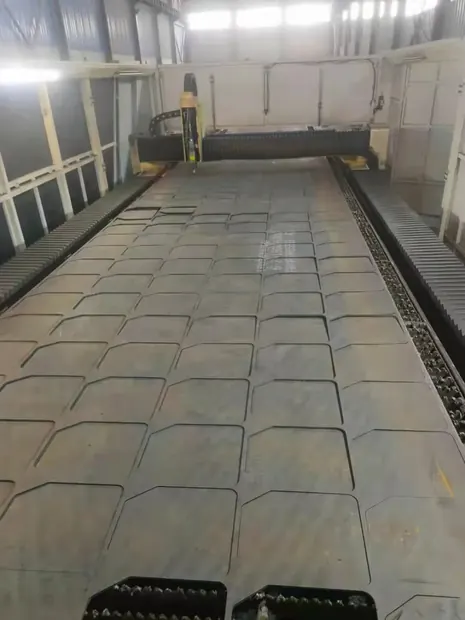
The fifth question is how the steel will be fabricated. As the hardness of armor steel improves, the ease of folding, welding and cutting decreases. All fixing holes and cutting to size therefore have to be carried out on a laser machine or a water jet rather than by flame cutting or drilling on site.
Processing services cover bending, welding, decoiling, cutting and punching, so the panels can arrive ready to fit. Confirm before you order which operations your own workshop can carry out on 500 Brinell and above, because that answer usually decides how much processing you buy with the plate.
The sixth question is whether to buy from stock or order customized goods. Ask whether your order quantity is large enough to justify a production run and whether you have the time to wait for one. A small quantity pulled from stock usually costs less in total than a short customized run, while a large quantity in a fixed specification usually favors production.
Where the schedule is tight, a hybrid works: stock material for the first units so assembly can start, customized production for the balance.
Armor and ballistic steel plate ships with a test report, and Tianyu Metal holds ISO9001, BV, SGS and RoHS certification. Ask for the documents at the quotation stage rather than after loading so that the paperwork matches the grade and protection level written on the purchase order.
Where the material goes into a regulated project, confirm that the protection level on the report is the level named in your own specification before production starts.
Two hardness classes from one stock so each zone gets the level it actually needs
Specifications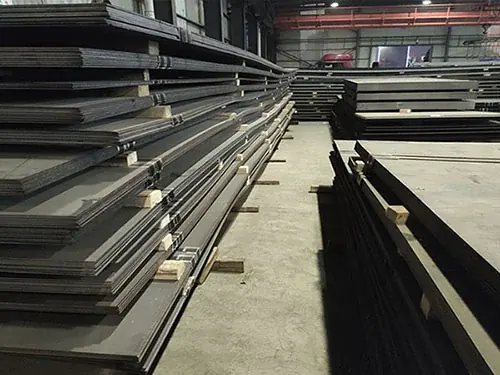
A 500 class ballistic plate supplied cut to panel size for vehicle and building armoring
Specifications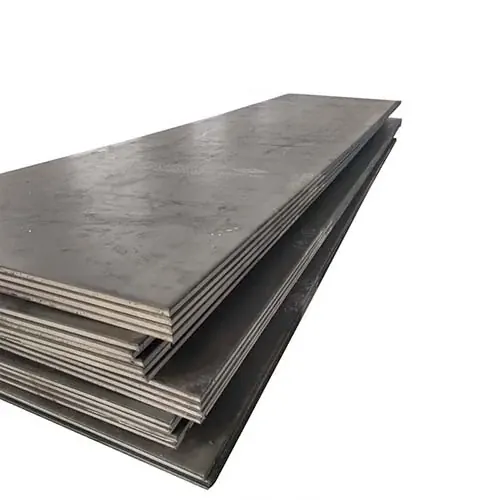
High hardness ballistic plate for shooting targets armor plate and armored vehicle work
Specifications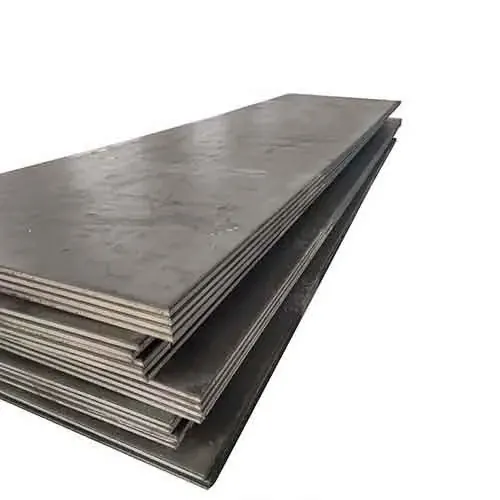
Quenched and tempered RHA plate for armour bodies doors shields and protected structures
Specifications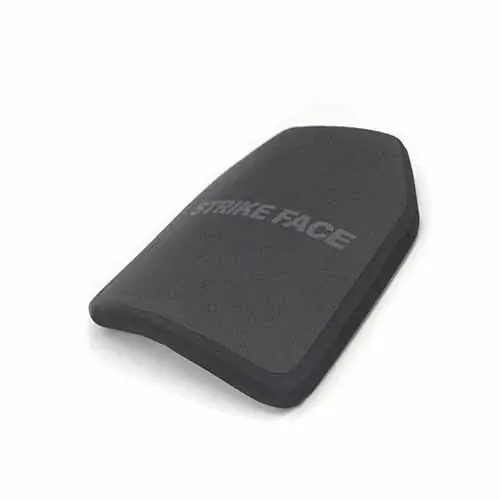
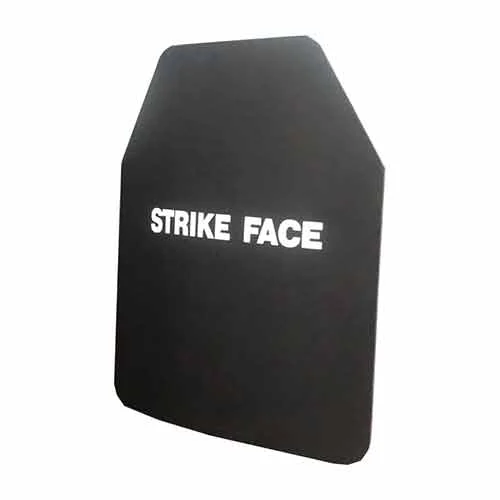
Ballistic plate and hard armor inserts for armored vehicles protective structures and body armor carriers
Read more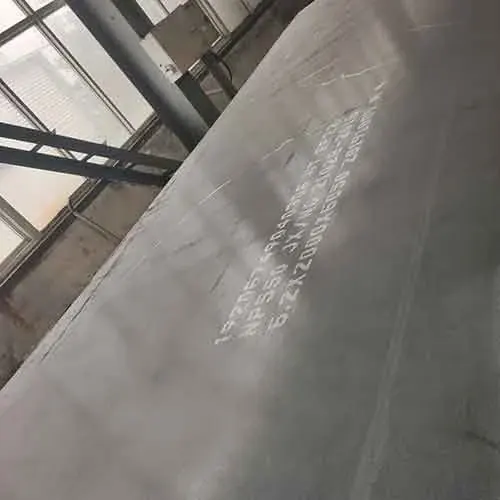
The flat plate program spanning mild structural plate through to armor wear and shipbuilding grades
Read more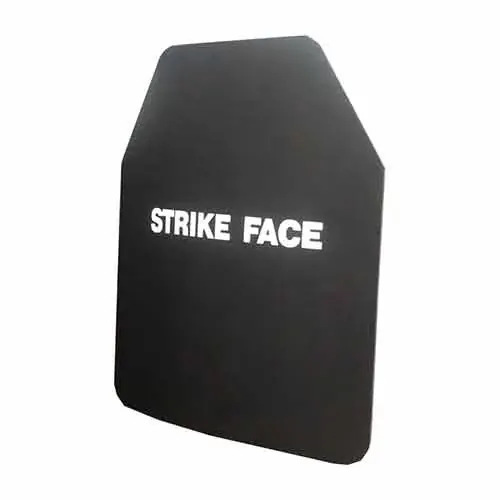
Vehicle armouring shops, security equipment makers and cash in transit builders buy armour steel against a protection le
Read more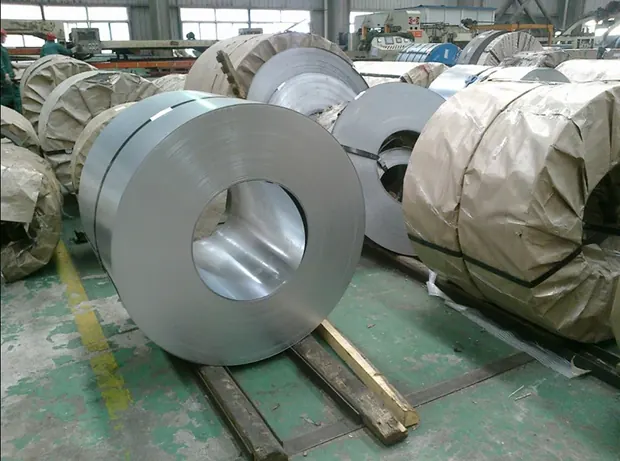
Vehicle and trailer components fail on fatigue, not on a single overload, so the grade behind each part matters more tha
Read moreThe threat or ammunition you have to stop, any weight limit on the protected product, the protection level you are working to, the thickness and panel sizes, and whether you want the plate cut and drilled or supplied plain. With those six answers a grade and a cutting list can be priced.
Not always. As hardness rises the ballistic performance of a plate of the same thickness improves, but the price rises and the plate becomes harder to fold, weld and cut. Step up to 550 Brinell or 600 Brinell type material when the threat or a weight limit requires it, not by default.
Armor and ballistic steel sheet runs from 2.3mm to 100mm. Plates are supplied in the quenched and tempered condition and cut to your size.
Ballistic steel resists conventional cutting and drilling because of its hardness, so fixing holes and cutting to size are performed on a laser machine or a water jet. If your workshop is not equipped for that, order the panels cut and punched with the plate.
It depends on quantity and schedule. A small requirement is usually cheaper from stock, while a large requirement in one specification usually favors a customized run. Tell us the quantity and the required delivery window and we will compare the two.
Armor and ballistic steel plate ships with a test report, and the company holds ISO9001, BV, SGS and RoHS certification. Ask for the documents when you Request A Quote so the paperwork is agreed before production.
If you are still asking "What information do you need to quote armor steel?" send us the sizes and the duty and we will answer it against your actual order.