
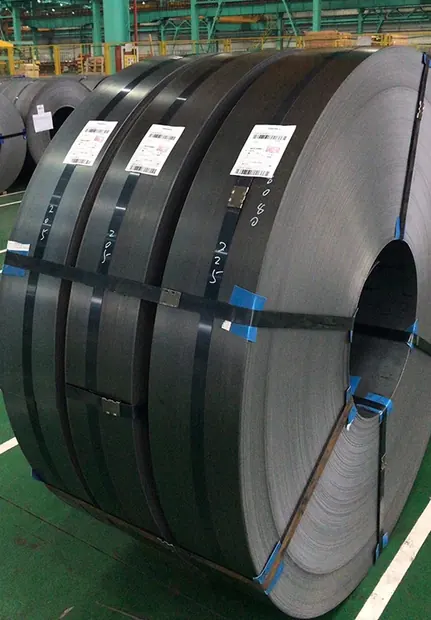
Cold Rolled Steel Coil
Cold rolled mild steel coil in SPCC SPCD SPCE and DC01 to DC04 up to 1500mm wide
SpecificationsIndustries
Solutions
Resources
Company
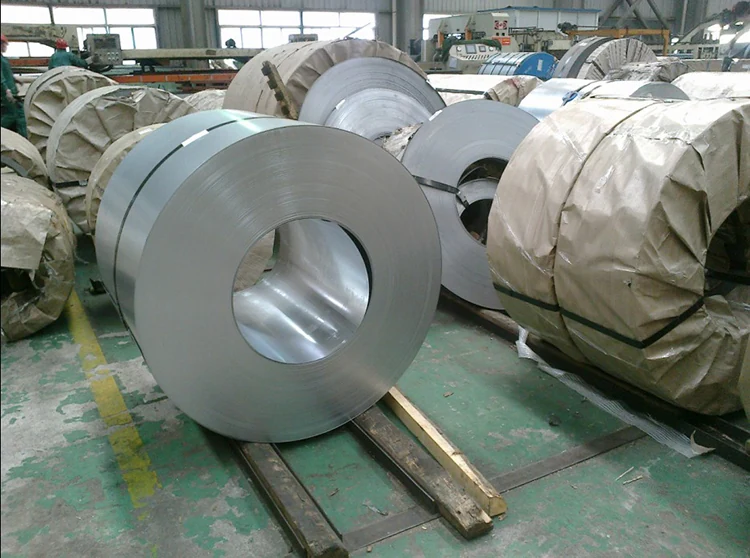
Hot rolled coil is rolled above the recrystallization temperature and comes off the mill with a scaled surface and a wide gauge range.
Hot rolled coil is rolled above the recrystallization temperature and comes off the mill with a scaled surface and a wide gauge range. Cold rolled coil is reduced again at room temperature, which gives a clean bright surface, a tighter gauge and a thinner range that tops out at 3mm here. The decision is usually made by the surface finish and the gauge your part needs, not by the strength of the steel.
Both products start as the same carbon steel. Hot rolling forms the strip at temperature, so the coil comes off with mill scale on the surface and looser dimensional control. Cold rolling takes that material and reduces it further at room temperature, which cleans up the surface, tightens the gauge and work hardens the strip until it is annealed back to a usable temper.
Carbon steel coil is quoted here in both techniques, hot rolled and cold rolled, from the same grade family. That means a fabricator can hold one grade across two thickness bands instead of managing two suppliers.
This is the decision that makes itself. Cold rolled steel coil is listed from 0mm to 3mm thickness with width to 1500mm or customized. Carbon steel coil covering the hot rolled route is listed from 0.1mm to 300mm or customized, and the plate and sheet specification block carries 0 to 100mm.
If the part needs 6mm it is a hot rolled job. If it needs 0.8mm with a clean face it is a cold rolled job. The overlap in the thin gauges is where surface finish and tolerance decide instead of thickness.
The two routes carry different designation families and mixing them up is the most common mistake on an inquiry. Cold rolled coil is quoted in SPCC, SPCD, SPCE, Q195, DC01, DC02, DC03, DC04 and ST12 to JIS G3141, DIN1623 and EN10130. Hot rolled carbon steel coil is quoted in Q195, Q215, Q235B, Q345B, S235JR, S355JR, SS400, SS490, SM400 and SM490 to EN10025, ASTM A573, ASTM A283, GB/T 700-2006, GB/T711-2008, JIS G3101, JIS G3131 and JIS G3016.
The DC and SPC families are drawing grades and step from DC01 up to DC04 as the forming demand rises. The Q and S families are structural grades where the number is a yield level. Quoting a structural grade for a deep drawn part, or a drawing grade for a load bearing member, is a specification error rather than a price question.
Cold rolled coil is supplied in general, bright, dull and mirror finish, oiled or non oiled. That choice runs straight into your downstream process. A part that gets painted or powder coated wants a finish the coating will key to. A part that is visible in service wants the bright or mirror end. Oiling protects the surface in transit but has to be removed before coating.
Hot rolled material is supplied natural or painted and carries mill scale unless it is processed further. If the part is welded and then painted, the scale is a process step you are inheriting, and it belongs in the cost estimate.
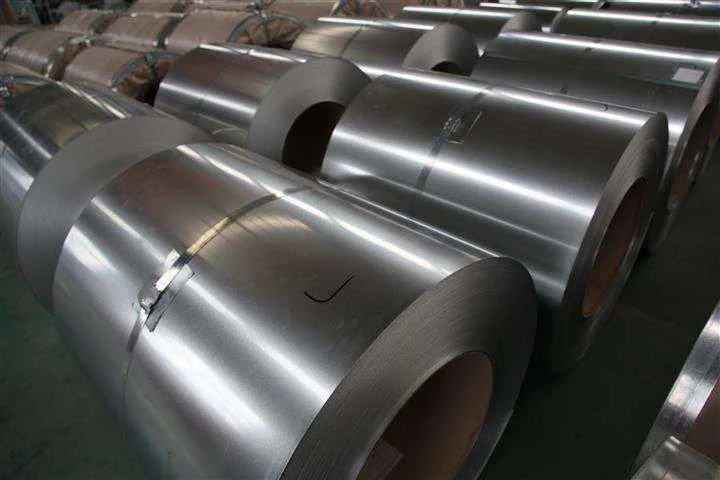
Carbon steel coil in this range has good plasticity and toughness, a bending strength that is not high so it falls into the easily bendable category, and it welds and shapes easily. Those properties are what make it the default for building work, bridges, road repair platforms, structural members and general fabrication.
Cold rolled material adds dimensional consistency to that. When a press tool is set and every coil feeds the same, scrap and setup time drop. That consistency, not raw strength, is usually what justifies the cold rolled price.
Hot rolled coil and plate go into buildings, bridges, road repair platforms, structural members and general fabrication work. Cold rolled coil goes into automotive parts, construction materials and mechanical components where the surface and the gauge are seen or measured.
Where a job needs both, order them against the same grade family and the same certificate so the stores and the inspector see one specification rather than two.
Name the route, the grade in the designation on your drawing, the thickness and width, the finish and the oiling condition, and whether you want coil, decoiled sheet or cut parts. Samples are available where a forming trial has to be run before a production order.
Ask for the mill test certificate so the grade and the route are documented. Certificates for ISO9001, BV, SGS and RoHS can be supplied with the paperwork.
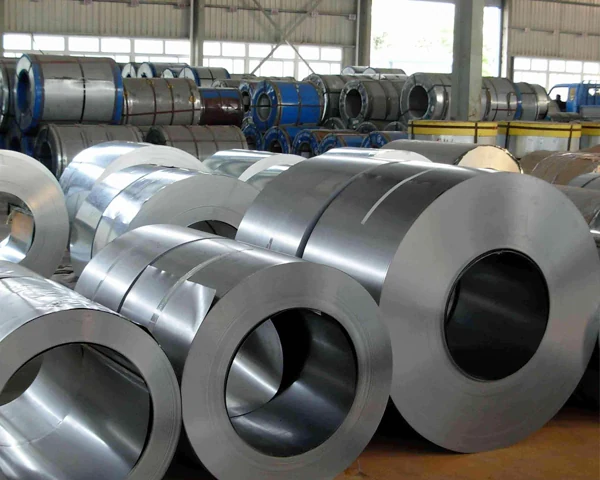
Cold rolled mild steel coil in SPCC SPCD SPCE and DC01 to DC04 up to 1500mm wide
Specifications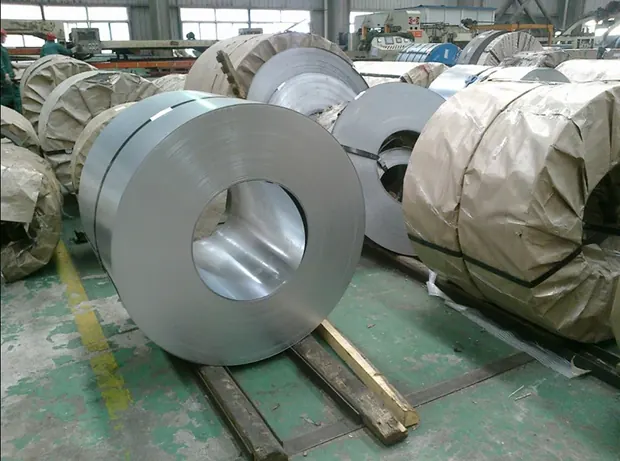
Mild steel coil for structural members bridge work and general fabrication
Specifications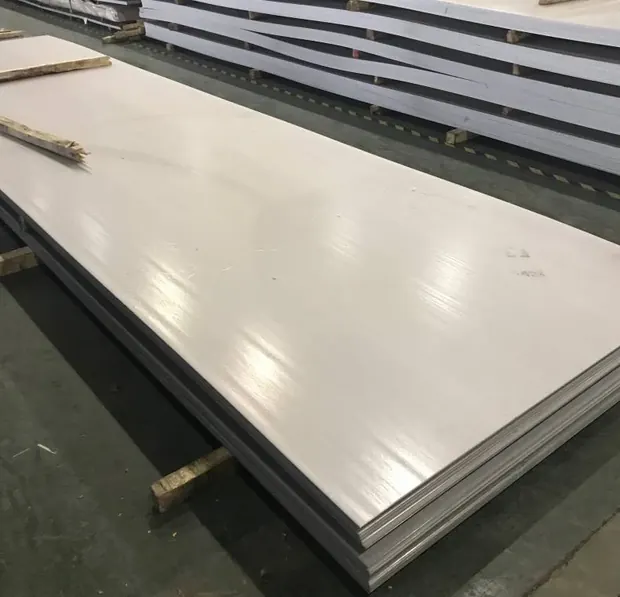
Flat rolled sheet across the 0.1-400mm range on one published width and length list
Specifications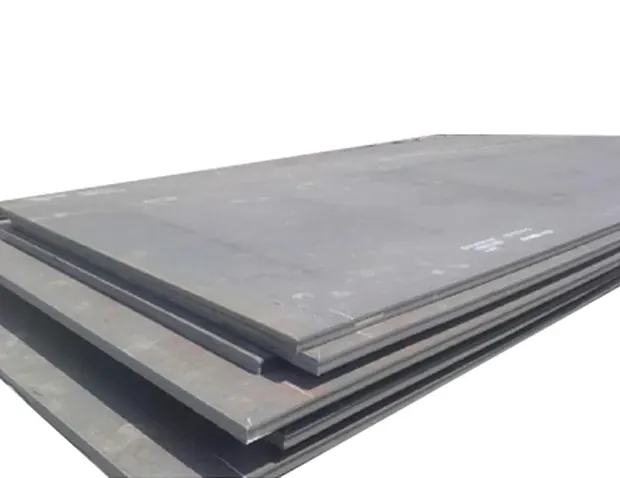
Low carbon plate in 0-100mm for building frames bridge members and fabrication work
SpecificationsUncoated mild steel coil for fabricators who roll form slit or press their own parts instead of buying finished sections
Read moreFlat steel bought by the coil for roll forming stamping and decoiling lines rather than by the cut sheet
Read moreLow carbon and medium carbon plate for structural fabrication road plates bridges and machined engineering parts
Read more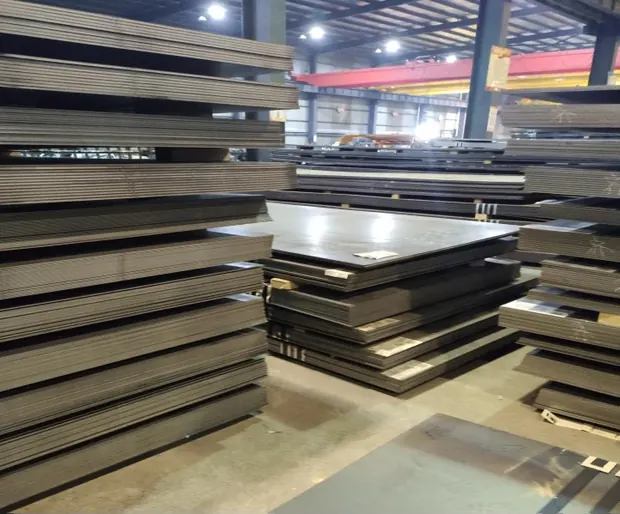
Construction and infrastructure buyers order steel by the part it becomes: mild steel plate for base plates gussets and
Read more
One loader or one tractor needs four different steels and most fabrication shops buy them from four different suppliers.
Read moreCold rolled steel coil is listed from 0mm to 3mm thickness with width to 1500mm or customized. Above that band the material moves to the hot rolled route, which is listed from 0.1mm and customized as required.
They are not different steels. Cold reduction work hardens the strip and the annealing that follows sets the final temper, so the grade you order decides the mechanical properties. Choose the route on gauge surface and tolerance, and choose the grade on the load.
Cold rolled coil is supplied in SPCC SPCD SPCE Q195 DC01 DC02 DC03 DC04 and ST12. Hot rolled carbon steel coil is supplied in Q195 Q215 Q235B Q345B S235JR S355JR SS400 SS490 SM400 and SM490.
Yes. Decoiling and cutting are part of the processing services, and steel sheet is cut to widths of 1000 1219 1500 1800 2000 2500 3000 and 3500mm and lengths of 2000 2400 3000 5800 and 6000mm.
Cold rolled coil is supplied oiled or non oiled. Say which your line expects, because the oil film protects the surface in transit but has to be degreased before painting or coating.
Cold rolled coil is certified to JIS G3141, DIN1623 and EN10130. Hot rolled carbon steel coil is certified to EN10025, ASTM A573, ASTM A283, GB/T 700-2006, GB/T711-2008, JIS G3101, JIS G3131 and JIS G3016.
If you are still asking "What thickness can I get in cold rolled coil?" send us the sizes and the duty and we will answer it against your actual order.