
Textile And Fabric Lamination
Fabric lamination is one of the listed uses of our hot melt resin, powder and film. The choice between those three forms is a choice about where the adhesive goes and how evenly.
Why This Process Is Chosen
Powder gives you adhesive only where it lands. Film gives you the same coat weight everywhere, fixed by thickness rather than by line speed. Resin lets you coat or compound in house. United Industry supplies all three across polyamide, polyurethane, polyester and polyolefin chemistries.
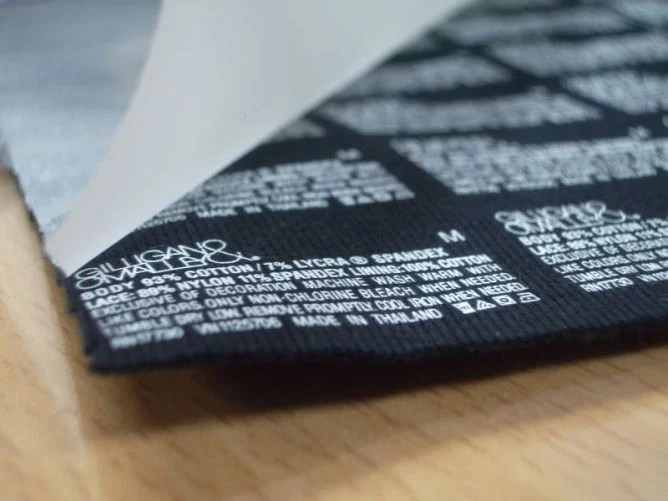
From Enquiry To A Repeatable Production Setting
Each stage below is a decision that narrows the grade list. Working through them in order is faster than starting with a sample and adjusting afterwards.
Substrate Pair Review
Which two materials are being joined, and which of the two sets the temperature limit.
Open fabrics also raise the strike-through question, which is a viscosity decision.
Form Selection
Powder for scatter coating and selective placement, film for uniform coat weight and narrow seams, resin for in-house coating.
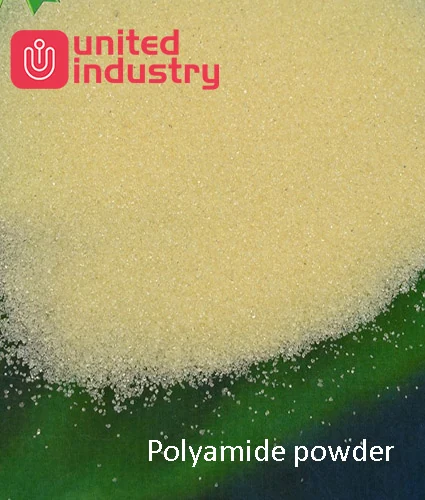
PA powder is supplied in 0-80, 80-170 and 180-420 micron fractions for lamination.
Polymer Selection
Polyamide for peel strength and heat stability, TPU for stretch and soft hand, PES for wash resistance, polyolefin where PP, PE and PET are involved.
Four families, one supplier, no compromise grade.
Coat Weight Setting
With powder, the fraction and the scatter head set the weight. With film, the thickness does — 50 to 200 micron across the film range.
High viscosity PA powder limits strike-through on open fabrics.
Press And Cool
Nip temperature, dwell and cooling. Thermoplastics set on cooling, so the cooling section matters as much as the heat.
Cool under pressure where the laminate will be handled immediately.
Peel And Wash Testing
Peel on the production laminate, then wash or heat age it to the customer's requirement.
A laminate that peels at the cut edge is usually under-coated, not under-heated.
Products Used In Textile And Fabric Lamination
 Polyamide (PA) Hot Melt Adhesives
Polyamide Hot Melt Powder
High strength polyamide powder for textile lamination and shoe fabric bonding
View Grade Data
Polyamide (PA) Hot Melt Adhesives
Polyamide Hot Melt Powder
High strength polyamide powder for textile lamination and shoe fabric bonding
View Grade Data
 Thermoplastic Adhesive Film
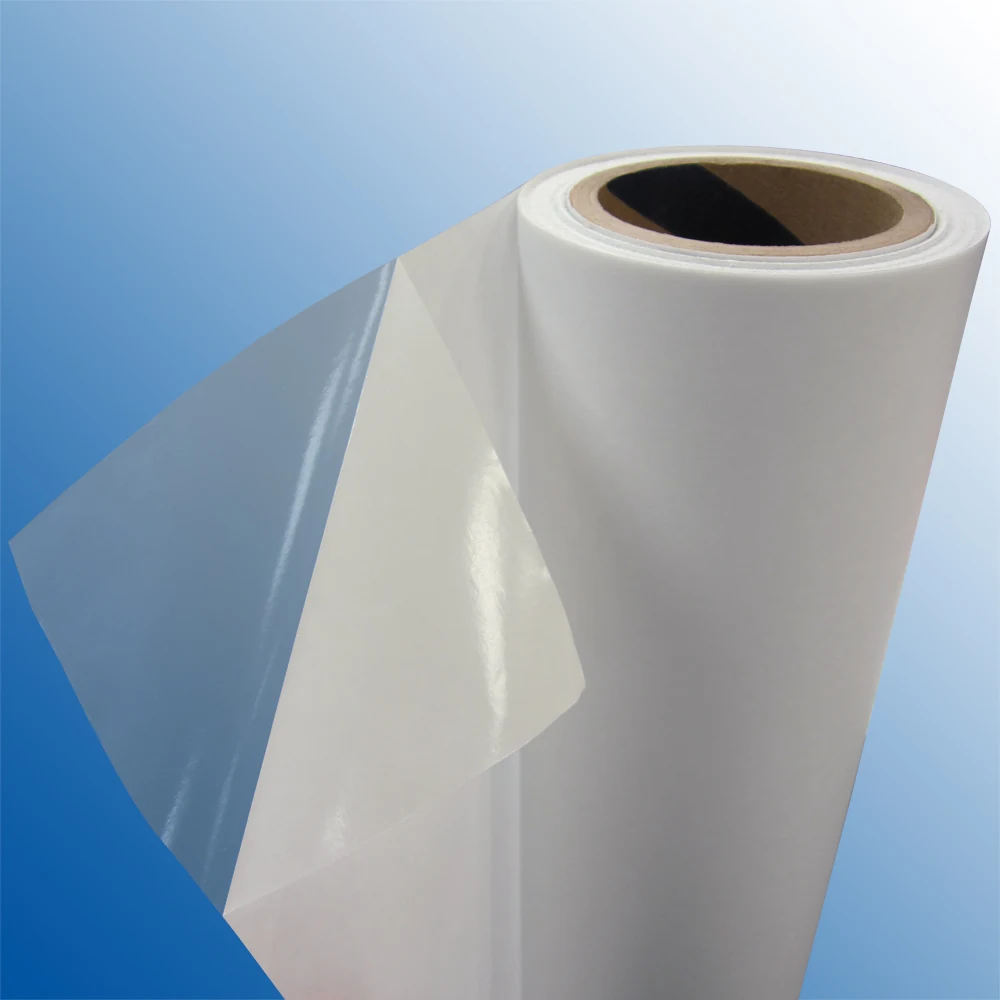
TPU Hot Melt Adhesive Film
Waterproof elastic TPU film for seamless bonding lamination and transfer printing
View Grade Data
Thermoplastic Adhesive Film
TPU Hot Melt Adhesive Film
Waterproof elastic TPU film for seamless bonding lamination and transfer printing
View Grade Data
 Hot Melt Adhesives
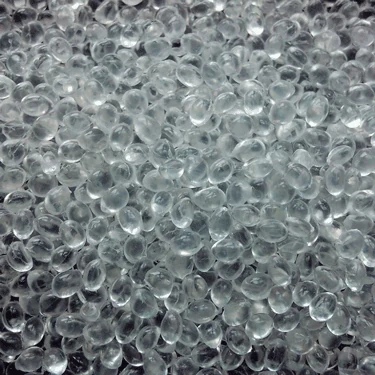
Thermoplastic Polyurethane Resin
TPU resin raw material from 72A to 93A hardness for shoe material and compounding
View Grade Data
Hot Melt Adhesives
Thermoplastic Polyurethane Resin
TPU resin raw material from 72A to 93A hardness for shoe material and compounding
View Grade Data
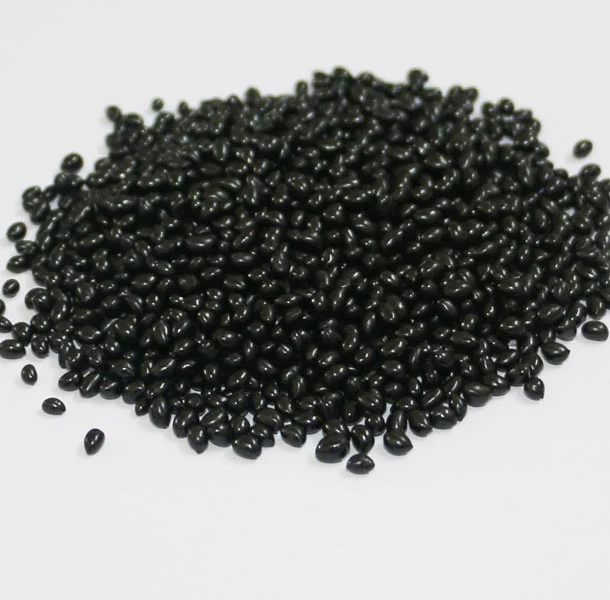 Hot Melt Resin
Black Polyamide Hot Melt Resin UA-G182C
Black polyamide resin for low pressure moulding of automotive and electronic assemblies
View Grade Data
Hot Melt Resin
Black Polyamide Hot Melt Resin UA-G182C
Black polyamide resin for low pressure moulding of automotive and electronic assemblies
View Grade DataIndustries Running This Process
Guides For This Process
How To Choose Hot Melt Powder Particle Size
Particle size decides whether powder passes your mesh cleanly and how much adhesive ends up on the substrate. Pick the fraction before you pick anything else.
Buying GuideChoosing Hot Melt Adhesive Film Thickness And Width
With film, the coat weight is a specification rather than a process variable. Thickness, width and processing temperature are the three numbers to get right.
Textile And Fabric Lamination FAQ
Which form gives the most even coat weight
Film. The thickness fixes the coat weight, so it does not drift with line speed the way scatter coating can.
Which polyamide powder fraction suits lamination
0-80, 80-170 and 180-420 micron are the standard lamination fractions, or we cut to requirement.
What causes strike-through on open fabric
Low viscosity adhesive and too much heat. A high viscosity powder and a lower nip temperature usually fixes it.
Can I laminate polypropylene fabric
Polyolefin resin has superior adhesion to PP, PE and PET. Tell us the exact substrate pair and we will confirm the grade.
What thicknesses of film can I get
50 to 200 micron across the range, with five standard TPU thicknesses from 0.05 to 0.20 mm.
Set Up Textile And Fabric Lamination With The Right Grade
Describe the joint, the substrates and the temperature limits of your line, and we will come back with a grade and a starting parameter set.