

Automotive Interiors And Filtration
In the automotive industry today, interior trim and automotive textiles are usually glued. Bonding is quicker, it saves riveting, welding and screwing, it is more straightforward, it is kinder on metal, and it lowers the weight of the vehicle.
What Goes Wrong In This Industry
Mechanical fasteners add weight, cost and assembly time
Trim adhesives that creep at summer cabin temperatures
Filter adhesives that wick into the media and starve the joint
Bond lines that have to pass a full automotive temperature cycle test
What Buyers Ask For
- Quicker bonding with fewer mechanical operations
- Heat stability across the cabin and underbonnet temperature range
- High viscosity grades that hold a bead on filter end caps
- Materials qualified against -45 C to +135 C testing
Where The Adhesive Goes
- Interior trim bonding
- Automotive textile lamination
- Conveyor belt bonding
- Air and oil filter end cap bonding
- Pleat pack sealing
- Sensor and ECU encapsulation
Products Specified For Automotive Interiors And Filtration
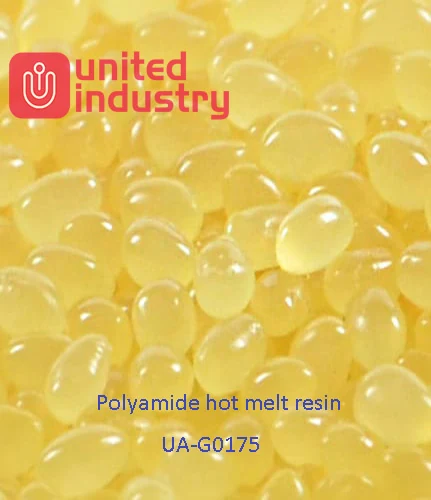 Hot Melt Resin
Polyamide Hot Melt Adhesive Resin UA-G0175
High viscosity polyamide resin for low pressure moulding and filter bonding
View Grade Data
Hot Melt Resin
Polyamide Hot Melt Adhesive Resin UA-G0175
High viscosity polyamide resin for low pressure moulding and filter bonding
View Grade Data
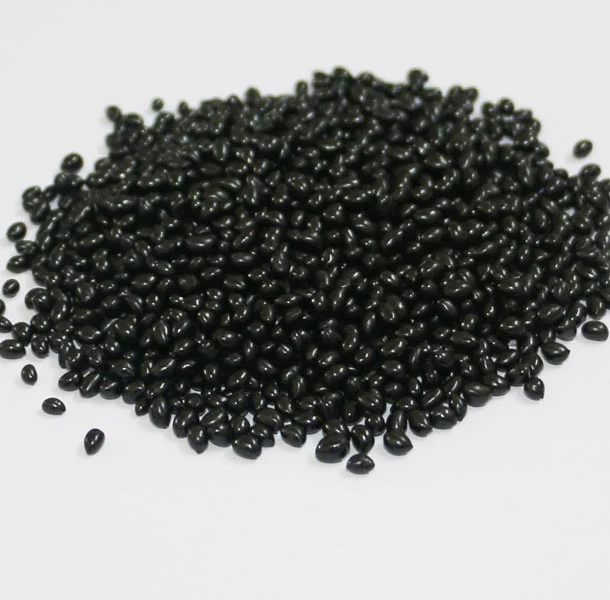 Hot Melt Resin
Black Polyamide Hot Melt Resin UA-G182C
Black polyamide resin for low pressure moulding of automotive and electronic assemblies
View Grade Data
Hot Melt Resin
Black Polyamide Hot Melt Resin UA-G182C
Black polyamide resin for low pressure moulding of automotive and electronic assemblies
View Grade Data
 Polyamide (PA) Hot Melt Adhesives
Polyamide Hot Melt Powder
High strength polyamide powder for textile lamination and shoe fabric bonding
View Grade Data
Polyamide (PA) Hot Melt Adhesives
Polyamide Hot Melt Powder
High strength polyamide powder for textile lamination and shoe fabric bonding
View Grade DataHow We Narrow The Grade List
Define the service temperature
Cabin, underbonnet and winter cold all pull in different directions; polyamide is specified when the span is wide.
Choose the viscosity
18000 mPa.s for a bead that must stand up on filter media, 5000-7000 mPa.s for thin wall encapsulation.
Select the form
Resin for moulding and bead application, powder for area lamination.
Qualify the joint
Temperature cycling and vibration, not just a peel test at room temperature.
Lock the process
Melt temperature, open time and cooling decide repeatability.
What We Can Deliver
- Polyamide grades with published melting range and viscosity
- High viscosity option for filter work
- Powder, granule and film forms across the same chemistry
Worked Examples From This Industry
Bonding Filter Media To End Caps With High Viscosity Polyamide Resin
Filter adhesives fail in a specific way: the adhesive wicks into the pleats and leaves the joint starved. A viscosity of 18000 mPa.s is the answer to that.
Application NoteEncapsulating A Tyre Pressure Monitoring Sensor With Black Polyamide Resin
A TPMS module has to survive wheel-well temperature swings, road salt and constant vibration, with a battery and a radio on the same small board. Low pressure moulding with black polyamide resin seals all of it in one shot.
Guides Relevant To This Industry
Low Pressure Molding Of Electronics A Practical Process Guide
Low pressure molding encapsulates fragile components in 8 to 50 seconds with no chemical reaction. Here is what the process does, what it needs and where it fits against potting.
Comparison GuidePolyamide Versus TPU Versus Copolyester For Heat Applied Adhesives
Three polymers, three different questions. Strength, stretch or wash — pick the one that decides your failure mode and the rest follows.
Automotive Interiors And Filtration FAQ
Why are automotive interiors bonded rather than fastened
Bonding is quicker, saves riveting, welding or screwing, is more straightforward, is kinder on metal and lowers the weight of the vehicle.
Which grade suits filter end cap bonding
UA-G0175 polyamide resin at 18000 mPa.s — the high viscosity is what keeps the adhesive in the joint instead of in the media.
What about conveyor belts
Conveyor belts are one of the listed applications for our thermoplastic hot melt adhesive products.
Can polyamide pass automotive temperature testing
Special polyamide hot melts are capable of passing the -45 C to +135 C tests required in the electrical and electronic sector for the automobile industry. Confirm the rating for a specific grade with us.
Bonding Questions In Automotive Interiors And Filtration
Send the substrate pair, the service temperature and your process limit. That is usually enough for a grade recommendation without a meeting.