
Time Temperature And Pressure In Heat Transfer Printing
Three key components decide every heat press result. Every heat transfer material has its own instructions for all three, and most failures are one of them being wrong.
The Three Variables
Time is the amount of time, in seconds, that heat must be applied to the design and garment. Temperature is the optimal degree at which the design will adhere to the garment. Pressure is the amount of downward force needed when heat applying.
They are not independent. Lowering the temperature usually means raising the time, and a press that is slightly cold with slightly short dwell will fail even though neither setting looks wrong on its own.
Setting Temperature From The Melting Range
The bond line — not the platen — has to pass through the full melting range of the adhesive. That is the single most common mistake: the platen reads 120 C, the adhesive melts at 100-125 C, and the top of the range is never reached inside the stack.
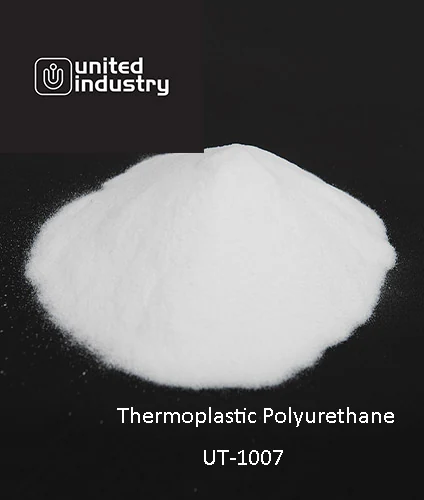
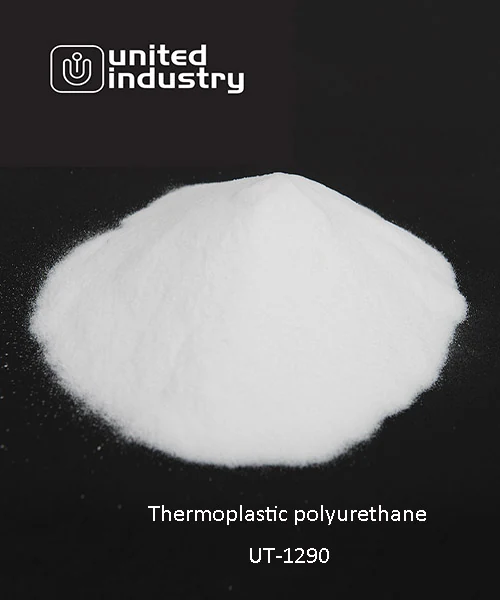
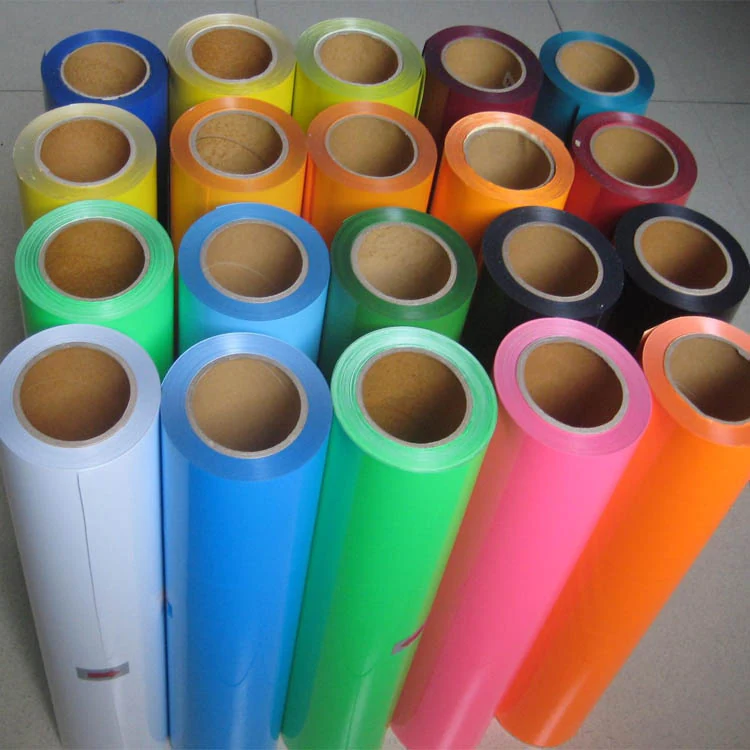
UT-1007 melts at 100-125 C, with flow beginning at 95 C. UT-1290 melts at 105-130 C, with flow beginning at 100 C. Transfer hot melt film works at 140-170 C. Set the platen above the top of the range, then confirm with a wash test rather than by eye.
See Thermoplastic Polyurethane Powder UT-1007
Setting Time From The Stack
Thick fabric, a thick transfer carrier and a cold garment all delay the bond line reaching temperature. A thin polyester jersey and a heavy hooded sweatshirt do not take the same dwell, even with an identical adhesive.
If the garment cannot take more heat, add time. If it cannot take more time, change to a lower melting adhesive — which is precisely why UT-1007 exists at 95 C flow beginning temperature.
Setting Pressure
Pressure closes the gap between the adhesive and the fibres. Too little and the adhesive bridges the fabric surface without penetrating; too much and it is driven through an open knit and shows on the face side. High viscosity grades resist strike-through, which is one reason the polyamide lamination powder is specified as high viscosity.
Cooling And Peeling
Thermoplastics set on cooling, so the peel step is part of the process, not an afterthought. Unless the carrier is specified as a hot peel, let the transfer cool before peeling. Peeling hot pulls the adhesive while it is still open and shows up later as edge lift.
A Repeatable Trial Procedure
Fix two variables and move one. Start at the adhesive's stated range, run a small matrix, wash every sample at the customer's cycle, and record the settings that survived. A heat press result that cannot be reproduced next month was not a result.
Grades Discussed In This Guide
 Thermoplastic Polyurethane Hot Melt Adhesives
Thermoplastic Polyurethane Powder UT-1007
Soft low melting TPU powder for screen heat transfer printing and shoe material
View Grade Data
Thermoplastic Polyurethane Hot Melt Adhesives
Thermoplastic Polyurethane Powder UT-1007
Soft low melting TPU powder for screen heat transfer printing and shoe material
View Grade Data
 Thermoplastic Polyurethane Hot Melt Adhesives
Thermoplastic Polyurethane Powder UT-1290
Aliphatic polyester TPU powder for high elasticity transfers with better colour fastness
View Grade Data
Thermoplastic Polyurethane Hot Melt Adhesives
Thermoplastic Polyurethane Powder UT-1290
Aliphatic polyester TPU powder for high elasticity transfers with better colour fastness
View Grade Data
 Thermoplastic Adhesive Film
Transfer Hot Melt Film
Wash resistant transfer film for fashion and sports suit heat transfer printing
View Grade Data
Thermoplastic Adhesive Film
Transfer Hot Melt Film
Wash resistant transfer film for fashion and sports suit heat transfer printing
View Grade DataRelated Guides
How To Choose Hot Melt Powder Particle Size
Particle size decides whether powder passes your mesh cleanly and how much adhesive ends up on the substrate. Pick the fraction before you pick anything else.
Comparison GuidePolyamide Versus TPU Versus Copolyester For Heat Applied Adhesives
Three polymers, three different questions. Strength, stretch or wash — pick the one that decides your failure mode and the rest follows.
Questions On This Topic
What temperature should I press TPU transfer powder at
Above its melting range: 100-125 C for UT-1007 and 105-130 C for UT-1290. The platen setting must be high enough that the bond line itself clears the top of that range.
Why did my transfer pass the press test and fail the wash
Usually because the bond line never reached full melt. Increase temperature or dwell and re-test.
Does more pressure always help
No. Too much pressure drives adhesive through an open knit and makes it visible on the face side.
Should I peel hot or cold
Cold, unless the carrier is specified as hot peel. Peeling while the adhesive is still open causes edge lift.
Apply This To Your Own Line
Send the substrates, the service temperature and the process limits. A grade recommendation is usually one email, not a meeting.