
What Is A Thermoplastic Hot Melt Adhesive And When To Use One
Hot melts bond by cooling, not by curing. That single difference explains most of what they are good at and most of what they are not.
Bonding By Cooling Instead Of Curing
A thermoplastic hot melt adhesive is solid at room temperature, melts when heated, wets the two surfaces while it is molten, and forms the bond as it cools. Nothing reacts. There is no pot life, no mixing ratio, no cure schedule and no solvent to evaporate.
The practical consequences show up immediately on a production line. The bond is made in seconds rather than hours. The material can be remelted, so both rework and material recovery stay possible. And because nothing is curing, the only variables are temperature, time and pressure — the same three variables a heat press operator already understands.
The Four Polymer Families
United Industry supplies thermoplastic hot melt adhesives in four chemistries, and almost every selection question comes down to which of the four fits.
Polyamide (PA) is the heat and strength family, made from renewable raw materials such as castor or rape seed oil. Special polyamide grades pass the -45 C to +135 C temperature tests required in the electrical and electronic sector for the automobile industry, and they resist many chemicals and softeners.
Thermoplastic polyurethane (TPU) is the elastomer family. It combines extreme elasticity with a soft touch, which is why it dominates transfer printing on stretch garments.
Copolyester (PES) is the wash resistance family, in big demand where high elasticity is not required and laundering is the test that matters.
Polyolefin (PO) is the polyolefin substrate family, with superior adhesion to PP, PE and PET, low hardness, low temperature flexibility and a wide service temperature range.
Granule Powder Or Film
The same chemistry behaves very differently depending on the form it arrives in, and the form is chosen by how the adhesive has to be placed.
Granule is for moulding, extrusion and in-house compounding — low pressure moulding runs on granule. Powder is for scatter coating and screen transfer printing, where adhesive should land only on the printed shape. Film is for lamination, seam sealing and cut letters, where the coat weight has to be identical everywhere and is fixed by thickness rather than by line speed.
Where Hot Melts Are The Wrong Answer
Being honest about the limits saves a failed trial. A thermoplastic softens again when it is reheated, so a joint that will see a temperature above the melting range in service needs either a higher melting grade or a different chemistry. Continuous heavy structural load at elevated temperature is also not the natural home of a hot melt.
Within those limits — lamination, encapsulation, decoration, counter bonding, filter sealing — the speed and the absence of solvent are hard to beat.
How To Start A Selection
Three facts narrow the field faster than any data sheet: what the two substrates are, what the maximum service temperature is, and what the process temperature limit is. Send those three and the grade list is usually down to two candidates before any sample is shipped.
Grades Discussed In This Guide
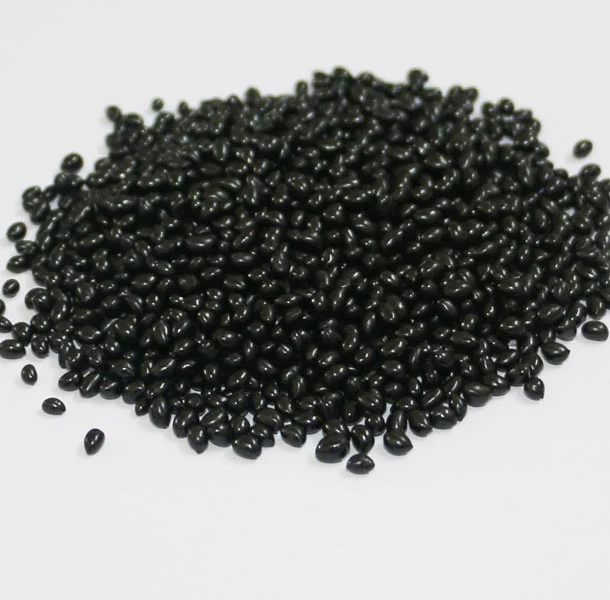 Hot Melt Resin
Black Polyamide Hot Melt Resin UA-G182C
Black polyamide resin for low pressure moulding of automotive and electronic assemblies
View Grade Data
Hot Melt Resin
Black Polyamide Hot Melt Resin UA-G182C
Black polyamide resin for low pressure moulding of automotive and electronic assemblies
View Grade Data
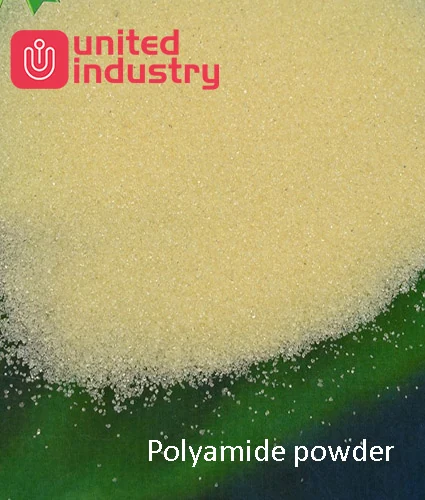 Polyamide (PA) Hot Melt Adhesives
Polyamide Hot Melt Powder
High strength polyamide powder for textile lamination and shoe fabric bonding
View Grade Data
Polyamide (PA) Hot Melt Adhesives
Polyamide Hot Melt Powder
High strength polyamide powder for textile lamination and shoe fabric bonding
View Grade Data
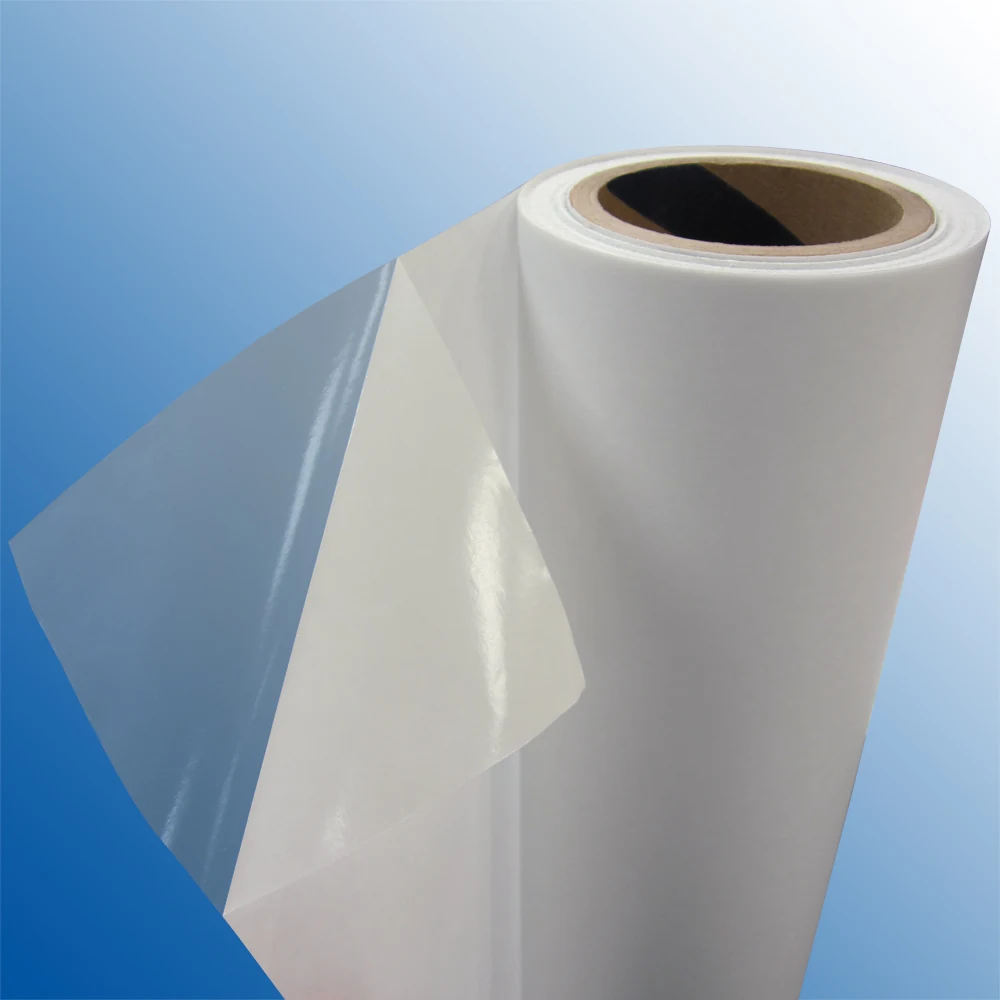 Thermoplastic Adhesive Film
TPU Hot Melt Adhesive Film
Waterproof elastic TPU film for seamless bonding lamination and transfer printing
View Grade Data
Thermoplastic Adhesive Film
TPU Hot Melt Adhesive Film
Waterproof elastic TPU film for seamless bonding lamination and transfer printing
View Grade DataRelated Guides
Polyamide Versus TPU Versus Copolyester For Heat Applied Adhesives
Three polymers, three different questions. Strength, stretch or wash — pick the one that decides your failure mode and the rest follows.
Process GuideLow Pressure Molding Of Electronics A Practical Process Guide
Low pressure molding encapsulates fragile components in 8 to 50 seconds with no chemical reaction. Here is what the process does, what it needs and where it fits against potting.
Questions On This Topic
Do hot melt adhesives contain solvent
No. Thermoplastic hot melts are solvent free — they melt and set rather than drying.
Can a hot melt bond be undone
Yes, by reheating. That is a genuine advantage over a cured two-part system when a unit has to be opened for analysis.
Which family is strongest
Polyamide gives the highest bond strength and heat stability of the four families.
Are your polyamide hot melts bio-based
They are made from renewable raw materials such as castor or rape seed oil.
Apply This To Your Own Line
Send the substrates, the service temperature and the process limits. A grade recommendation is usually one email, not a meeting.