
Encapsulating A Tyre Pressure Monitoring Sensor With Black Polyamide Resin
A TPMS module has to survive wheel-well temperature swings, road salt and constant vibration, with a battery and a radio on the same small board. Low pressure moulding with black polyamide resin seals all of it in one shot.
What The Assembly Has To Survive
The assembly is a populated board with a battery, a pressure sensor and an antenna. Conventional overmoulding pressure would crush it. Two-part potting would work but adds cure time, mixing waste and an irreversible encapsulation.
Why The Obvious Approach Fails
- Injection pressure high enough to fill the cavity is high enough to damage the board
- Potting compounds cure exothermically and shrink onto the components
- The finished module has to seal against moisture, dust and vibration
- The encapsulation should hide the board rather than show it
Grade Selection And Why
UA-G182C black polyamide hot melt resin, processed by low pressure moulding. It melts at 165-182 C and runs at a viscosity of 5000-7000 mPa.s at 210 C, which flows around the board at low pressure and still sets fast enough to hold the cavity shape.
How The Job Runs
Step 01
Melt UA-G182C in the moulding tank at around 210 C
Step 02
Load the assembled sensor board into the mould
Step 03
Inject at low pressure so the board is not mechanically loaded
Step 04
Cool in the closed mould until the polyamide sets
Step 05
Demould — typical low pressure moulding cycles run 8 to 50 seconds
Quality Control
Wall thickness and void inspection around the tallest component, adhesion to the housing material, and a function test after encapsulation. Polyamide grades of this type are the family qualified against the -45 C to +135 C temperature tests used in the electrical and electronic sector for the automobile industry.
Result
One moulded body replaces a housing plus a potting operation. The black finish hides the electronics, the seal covers moisture, dust and vibration, and because the material is thermoplastic, a failed unit can be remelted and opened for analysis.
Customer Benefit
Cycle time drops from a cure schedule to under a minute, and the bill of materials loses a separate enclosure.
Products In This Application Note
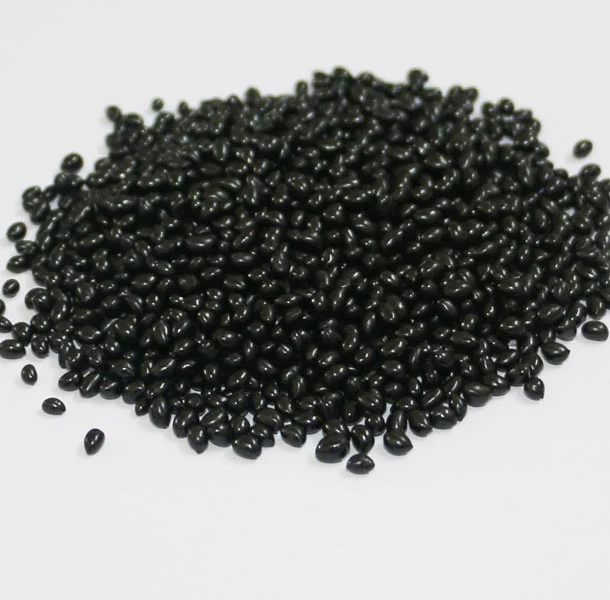 Hot Melt Resin
Black Polyamide Hot Melt Resin UA-G182C
Black polyamide resin for low pressure moulding of automotive and electronic assemblies
View Grade Data
Hot Melt Resin
Black Polyamide Hot Melt Resin UA-G182C
Black polyamide resin for low pressure moulding of automotive and electronic assemblies
View Grade Data
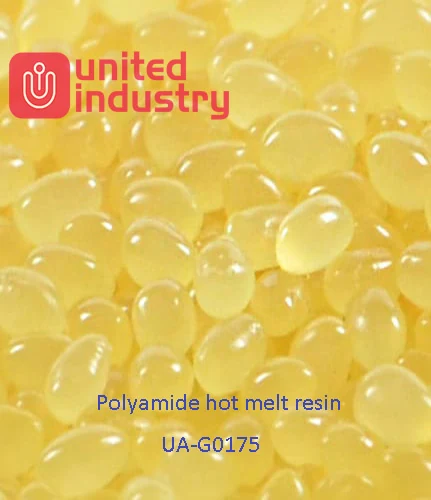 Hot Melt Resin
Polyamide Hot Melt Adhesive Resin UA-G0175
High viscosity polyamide resin for low pressure moulding and filter bonding
View Grade Data
Hot Melt Resin
Polyamide Hot Melt Adhesive Resin UA-G0175
High viscosity polyamide resin for low pressure moulding and filter bonding
View Grade DataQuestions About This Application Note
Is this a named customer project
No. This is an application reference built from the published process data for the grades named on this page. It describes a typical setup rather than a specific customer project, so treat the parameters as a starting point for your own trial.
Can you supply these grades for a trial
Yes. Sample requests are handled by email — state your substrates and process temperature limits.
Will the same parameters work on my line
Treat them as a starting point. Press condition, substrate and geometry all shift the window, which is why a trial comes before a production order.
Which grade should I start with
The products listed on this page are the ones this application uses. If none fits, tell us the joint and we will look wider.
Have A Similar Joint To Solve
Send the substrates, the service temperature and the process limits of your line. We will say which grade to trial and what to watch for.