
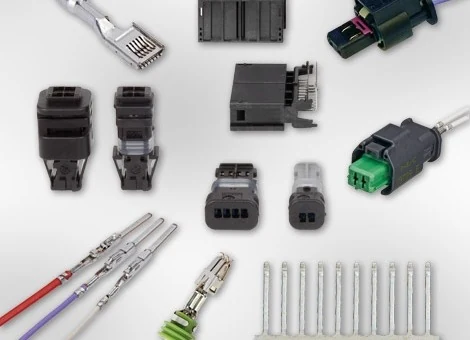
Electrical And Electronic Assembly
Low pressure moulding with thermoplastic polyamide and polyolefin hot melt resin encapsulates and environmentally protects electronic components such as circuit boards. The purpose is to protect electronics against moisture, dust, dirt and vibration.
What Goes Wrong In This Industry
Two-part potting compounds cure slowly and tie up fixtures
High pressure overmoulding damages fragile components
Reactive chemistry adds pot life, mixing and waste handling
Rework is impossible once a thermoset potting compound has cured
What Buyers Ask For
- Encapsulation at a pressure the component survives
- Cycle times measured in seconds, not hours
- Sealing against moisture, dust and vibration in one shot
- A resin that holds its properties across an automotive temperature cycle
Where The Adhesive Goes
- Electronic component encapsulation
- Connector potting and cable strain relief
- Grommets injection moulded in place
- Circuit board protection
- Sensor module sealing
- Antenna and RF device housings
Products Specified For Electrical And Electronic Assembly
 Hot Melt Resin
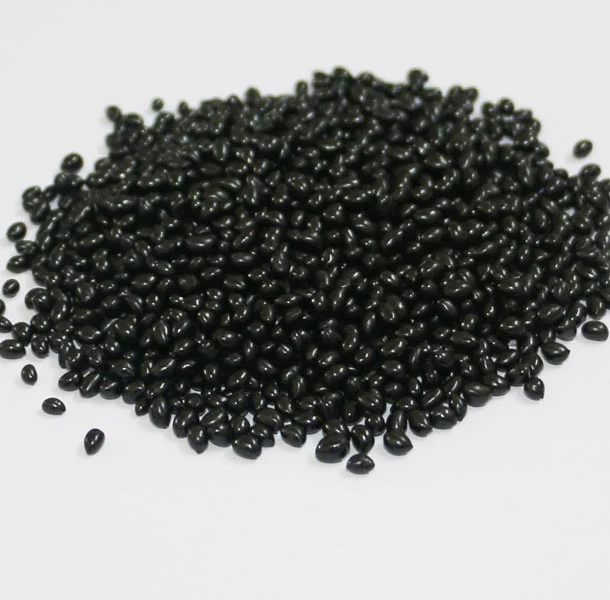
Black Polyamide Hot Melt Resin UA-G182C
Black polyamide resin for low pressure moulding of automotive and electronic assemblies
View Grade Data
Hot Melt Resin
Black Polyamide Hot Melt Resin UA-G182C
Black polyamide resin for low pressure moulding of automotive and electronic assemblies
View Grade Data
 Hot Melt Resin
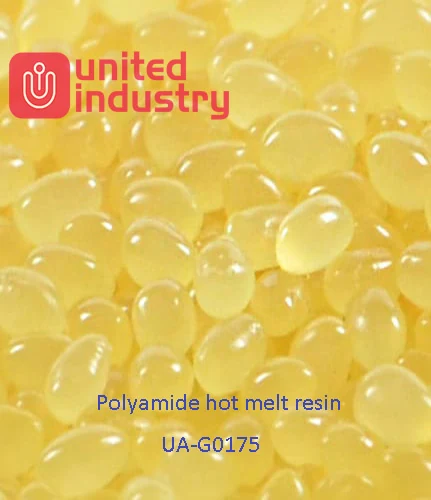
Polyamide Hot Melt Adhesive Resin UA-G0175
High viscosity polyamide resin for low pressure moulding and filter bonding
View Grade Data
Hot Melt Resin
Polyamide Hot Melt Adhesive Resin UA-G0175
High viscosity polyamide resin for low pressure moulding and filter bonding
View Grade DataHow We Narrow The Grade List
Assess the component
Fragile elements decide the moulding pressure and the wall thickness.
Select the resin
Polyamide for PA 6.6, ABS and PVC housings; polyolefin for PP, PE and PET.
Set the melt temperature
Around 210 C for UA-G182C, where the published viscosity applies.
Mould at low pressure
Cycle times typically 8 to 50 seconds.
Inspect the encapsulation
Wall thickness, voids and adhesion to the housing.
What We Can Deliver
- Amber, black and white polyamide resin for low pressure moulding
- Two viscosity levels — 5000-7000 mPa.s and 18000 mPa.s
- Polyolefin resin where PP, PE and PET adhesion is the requirement
Worked Examples From This Industry
Encapsulating A Tyre Pressure Monitoring Sensor With Black Polyamide Resin
A TPMS module has to survive wheel-well temperature swings, road salt and constant vibration, with a battery and a radio on the same small board. Low pressure moulding with black polyamide resin seals all of it in one shot.
Application NoteSealing A Connector And Moulding Strain Relief In One Operation
Hot melts are used for sealing the plug and also for cable strain relief. Doing both in one low pressure shot removes a whole assembly step.
Guides Relevant To This Industry
Low Pressure Molding Of Electronics A Practical Process Guide
Low pressure molding encapsulates fragile components in 8 to 50 seconds with no chemical reaction. Here is what the process does, what it needs and where it fits against potting.
Material GuideWhat Is A Thermoplastic Hot Melt Adhesive And When To Use One
Hot melts bond by cooling, not by curing. That single difference explains most of what they are good at and most of what they are not.
Electrical And Electronic Assembly FAQ
What are the main advantages of low pressure moulding
It encapsulates fragile and delicate components with no damage, no chemical reaction, a simple clean process, fast cycle times of 8 to 50 seconds, and it allows flexible miniaturised product design.
Which resin bonds to a PP housing
Polyolefin resin — it has superior adhesion to PP, PE and PET, with low hardness and low temperature flexibility.
Can the encapsulation be removed
Yes. Thermoplastic hot melts are re-meltable, unlike cured thermoset potting.
What temperature range can polyamide encapsulation survive
Special polyamide hot melts are capable of passing the -45 C to +135 C temperature tests required in the electrical and electronic sector for the automobile industry.
Bonding Questions In Electrical And Electronic Assembly
Send the substrate pair, the service temperature and your process limit. That is usually enough for a grade recommendation without a meeting.