
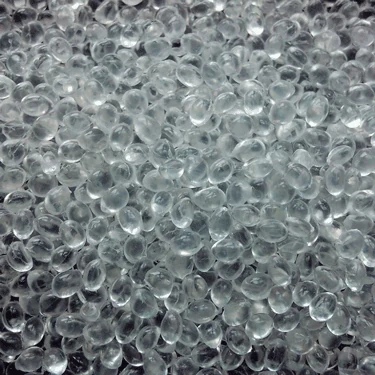
Thermoplastic Polyurethane Resin
TPU resin raw material from 72A to 93A hardness for shoe material and compounding
| Material | Thermoplastic polyurethane (TPU) |
|---|---|
| Form | Resin granule |
| Melt Point | 90-180 C |
| Hardness | 72-93 Shore A |
What This Grade Is Built For
Thermoplastic polyurethane resin supplied as raw material, with a melt point from 90 to 180 C and hardness from 72A to 93A. It is used for shoe material and other applications, and it is the grade to ask about if you compound, extrude or coat in house rather than buying a finished adhesive.
Key Benefits
- Broad melt point range from 90 to 180 C across the grade family
- Hardness from 72A to 93A, so the softness can be matched to the part
- Raw material supply for converters who compound or extrude in house
- Same polymer family as our TPU powder and TPU film, which keeps a product range consistent
- Thermoplastic and re-meltable
Buyers Who Specify This Grade
- Converters producing their own TPU film or powder
- Shoe material manufacturers buying resin rather than finished adhesive
- Compounders needing a defined hardness and melt point window
What It Fixes On The Line
- Finished adhesives do not always match an in house process — resin lets you set your own formulation
- Buying resin and finished adhesive from different suppliers makes grade matching harder
- Hardness that is fixed by the supplier limits the part design
Application Scenarios
- Shoe material production
- In house compounding and extrusion
- Film and sheet casting
- Custom hot melt formulation work
How It Behaves In Process
- Melt point 90-180 C depending on grade
- Hardness 72-93 Shore A
- Thermoplastic polyurethane elastomer
- Supplied as raw material resin
What It Is Made Of
Thermoplastic polyurethane elastomer resin.
Customisation
- The melt point and hardness window covers several grades. Tell us the target hardness and processing temperature and we will point to the grade.
Published Data For Thermoplastic Polyurethane Resin
Only values published for this grade are listed. Where a value is grade specific rather than fixed, the data sheet issued with your quotation carries it.
| Material | Thermoplastic polyurethane (TPU) |
|---|---|
| Form | Resin granule |
| Melt Point | 90-180 C |
| Hardness | 72-93 Shore A |
| Application | Shoe material and other applications |
How This Grade Is Applied
Step 01
Dry the resin before processing
Step 02
Extrude, cast or compound to the target form
Step 03
Set processing temperature from the grade melt point
Step 04
Condition the finished material before testing
Quality Control
Melt point and hardness define the grade. Because the range is wide, the technical data sheet for the specific grade is the document that matters — request it before ordering.
Use Guide
- Ask for the data sheet for the specific grade — the 90-180 C span covers several products
- Dry the granule before extrusion; TPU is moisture sensitive
- Match hardness to the part: softer for flexible shoe components, harder for structural parts
- Store sealed in a dry area
How It Compares With The Alternatives
| Compared with | What changes |
|---|---|
| TPU hot melt powder | Powder is the finished adhesive form for scatter coating and transfer printing. Resin is the raw material. |
| TPU hot melt film | Film is the finished adhesive form for lamination and seam sealing. |
| Polyamide resin | Polyamide runs hotter, holds more heat in service and is the low pressure moulding chemistry. TPU is the elastomer choice. |
Related Products
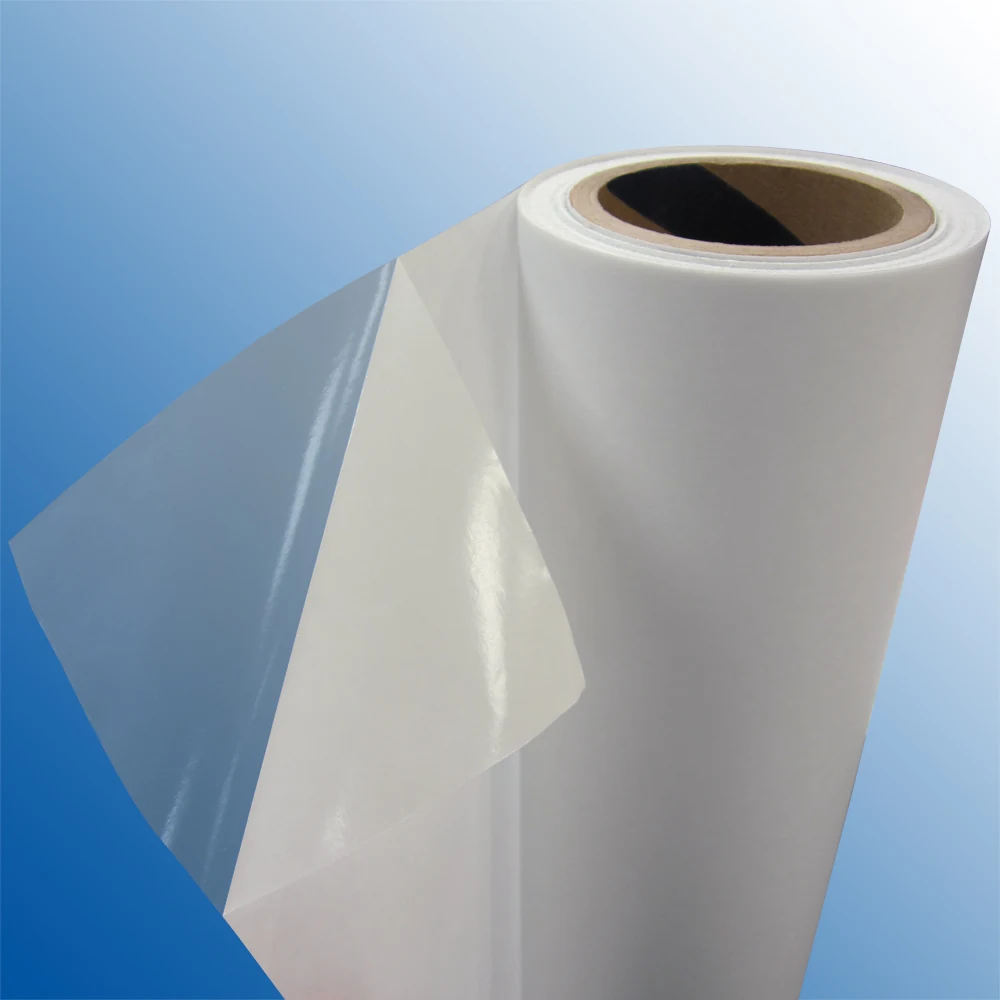 Thermoplastic Adhesive Film
TPU Hot Melt Adhesive Film
Waterproof elastic TPU film for seamless bonding lamination and transfer printing
View Grade Data
Thermoplastic Adhesive Film
TPU Hot Melt Adhesive Film
Waterproof elastic TPU film for seamless bonding lamination and transfer printing
View Grade Data
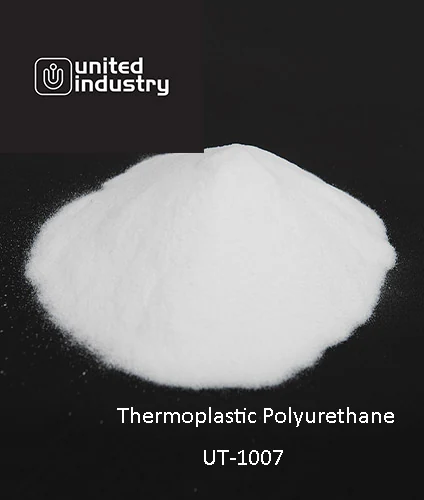 Thermoplastic Polyurethane Hot Melt Adhesives
Thermoplastic Polyurethane Powder UT-1007
Soft low melting TPU powder for screen heat transfer printing and shoe material
View Grade Data
Thermoplastic Polyurethane Hot Melt Adhesives
Thermoplastic Polyurethane Powder UT-1007
Soft low melting TPU powder for screen heat transfer printing and shoe material
View Grade Data
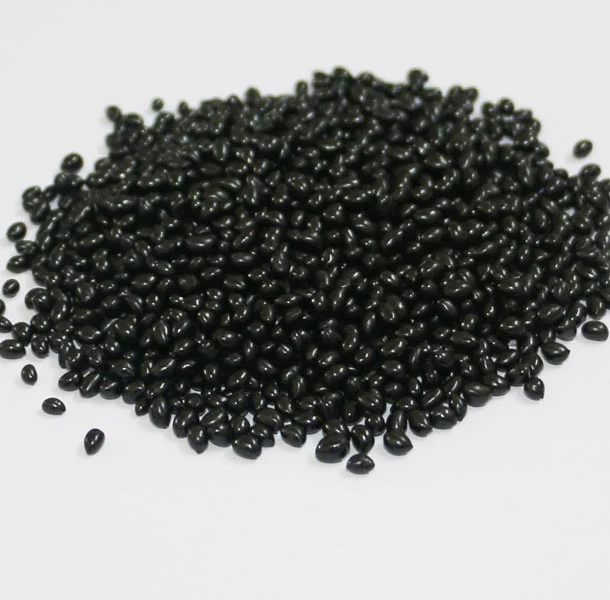 Hot Melt Resin
Black Polyamide Hot Melt Resin UA-G182C
Black polyamide resin for low pressure moulding of automotive and electronic assemblies
View Grade Data
Hot Melt Resin
Black Polyamide Hot Melt Resin UA-G182C
Black polyamide resin for low pressure moulding of automotive and electronic assemblies
View Grade DataGuides That Explain This Grade
What Is A Thermoplastic Hot Melt Adhesive And When To Use One
Hot melts bond by cooling, not by curing. That single difference explains most of what they are good at and most of what they are not.
Comparison GuidePolyamide Versus TPU Versus Copolyester For Heat Applied Adhesives
Three polymers, three different questions. Strength, stretch or wash — pick the one that decides your failure mode and the rest follows.
Thermoplastic Polyurethane Resin FAQ
Which grade will I get if I order TPU resin
It depends on the melt point and hardness you need. The range covers 90-180 C melt point and 72-93 Shore A. Send those two numbers by email and we will confirm the grade.
Can you send a technical data sheet
Yes. The original product listing asks buyers to contact us for the technical data sheet, because it is grade specific.
Is this the same material as your TPU powder
Same polymer family, different form. The powder and film are finished adhesives; this is the raw resin.
What is it used for
Shoe material and other applications, including in house compounding and film or sheet production.
Do you also supply polyamide and polyolefin resin
Yes. The hot melt resin range covers thermoplastic polyurethane, polyamide and polyolefin.
Request Data Or A Sample Of Thermoplastic Polyurethane Resin
Data sheets are grade specific and issued by email. Tell us the substrates and your process temperature limit and the right sheet comes back with the quotation.