
Choosing Between Polyamide And Copolyester For Heel Counter Bonding
The counter is what keeps the heel in shape. Whether polyamide or copolyester is the right adhesive is decided by the upper material, not by the counter.
What The Assembly Has To Survive
A sports shoe with a coated synthetic upper and a working shoe with a leather upper run down the same lasting line. One of them marks if the press goes too hot; the other needs the heat to get a strong counter bond.
Why The Obvious Approach Fails
- Heel collapse after a few weeks of wear traces back to the counter bond
- Synthetic uppers mark or distort at high lasting temperature
- Solvent cements need drying time and ventilation
- Two upper materials on one line usually means a compromise setting
Grade Selection And Why
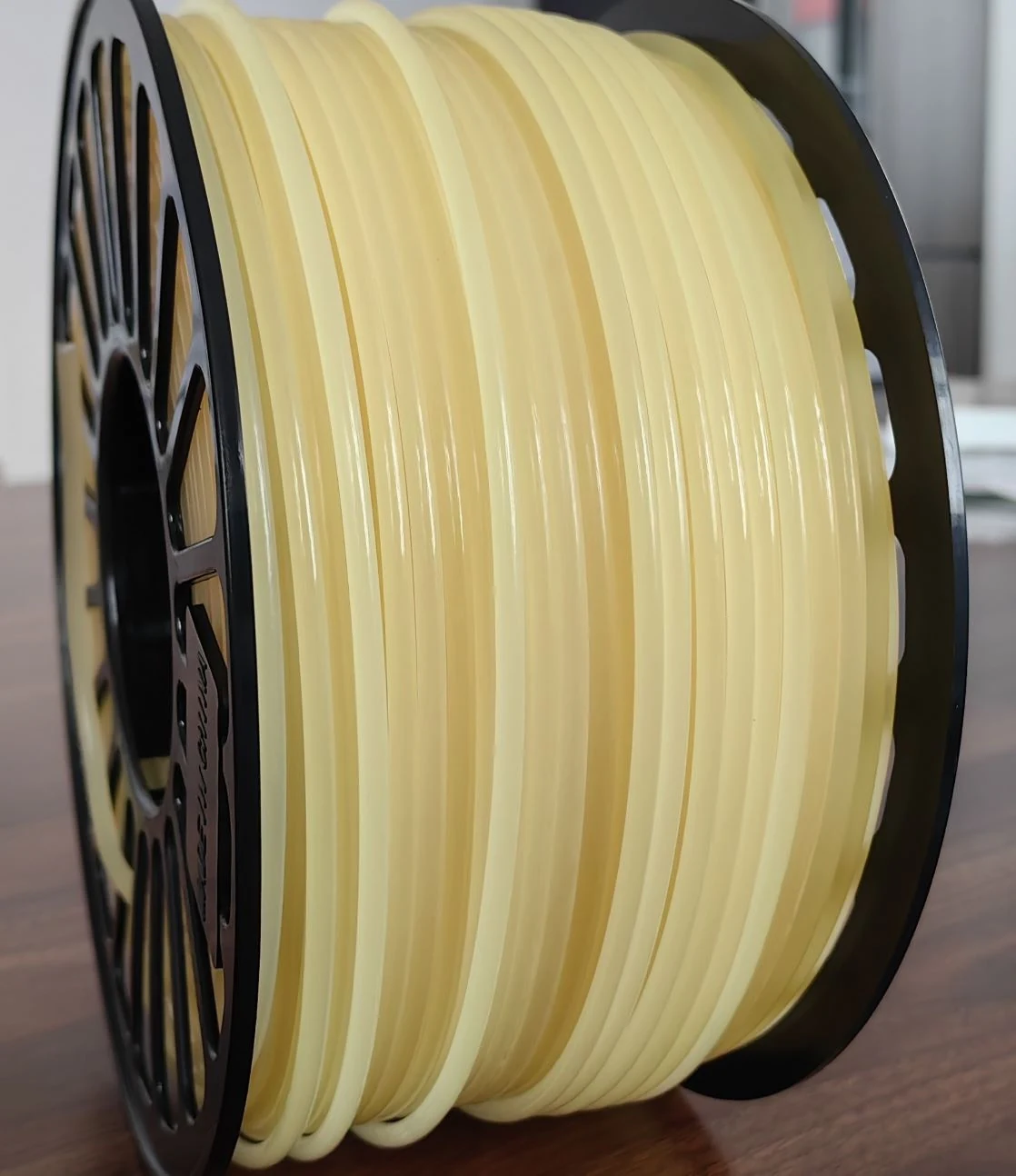
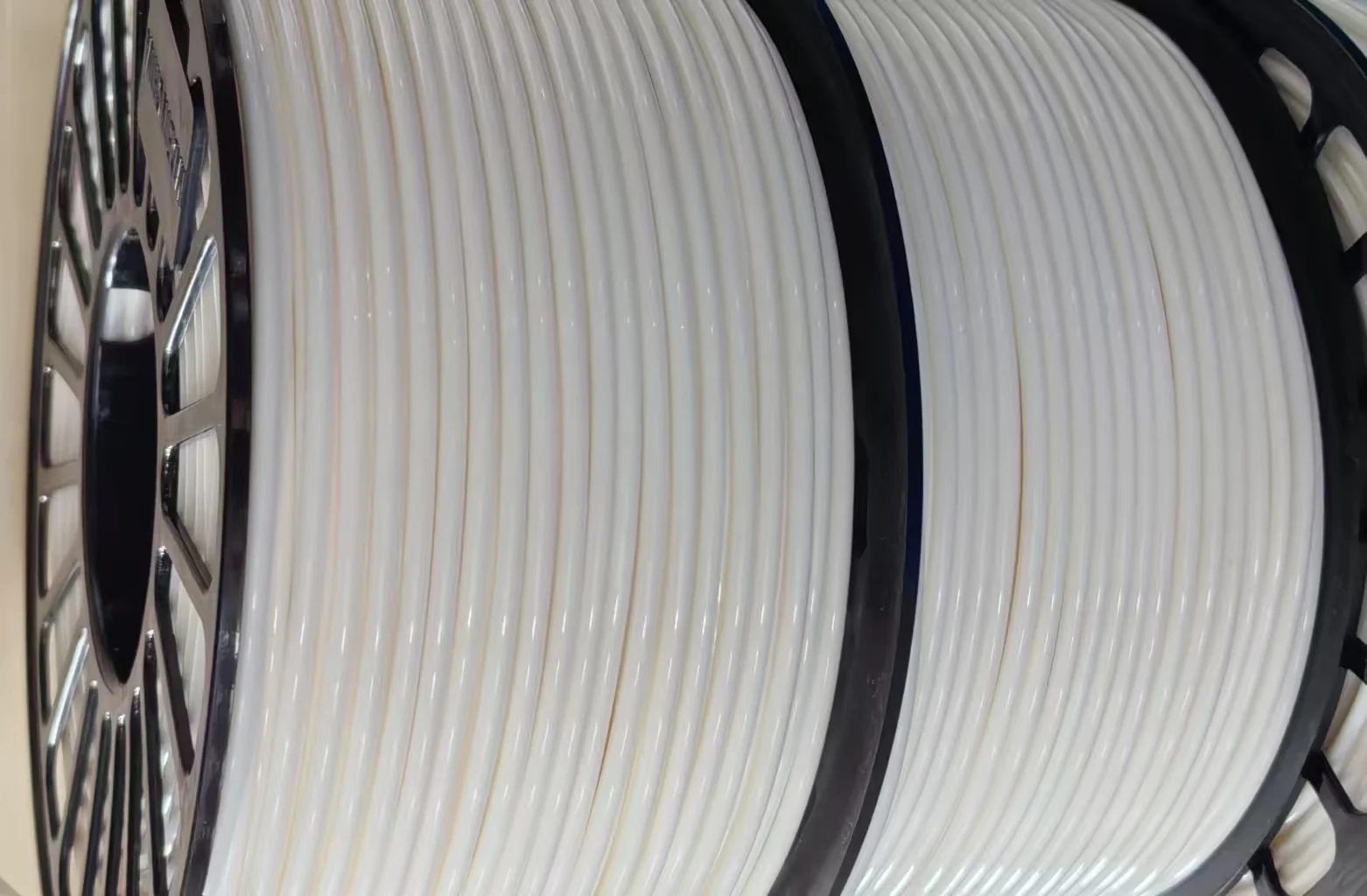
Two solvent free counter adhesives instead of one compromise grade. The polyamide back counter adhesive for the leather working shoe, where heat resistance and load matter. The copolyester counter adhesive for the coated synthetic upper, where the lasting temperature has to stay down.
How The Job Runs
Step 01
Record the maximum temperature each upper material tolerates
Step 02
Assign polyamide to the high temperature upper and copolyester to the heat sensitive one
Step 03
Coat or place the adhesive on the counter and assemble into the upper
Step 04
Heat last at the temperature that upper allows
Step 05
Cool fully before the heel is loaded by the next operation
Quality Control
Flex and heat testing on the finished shoe rather than a flat coupon. Both grades are specified to solidify quickly after coating, which is what keeps the lasting line moving.
Result
Each upper gets the press temperature it can take, and neither is asked to accept a setting chosen for the other.
Customer Benefit
One line, two grades, no compromise — and no solvent recovery in either case. Both grades are packed 20 kg, 12 rolls per carton.
Products In This Application Note
Questions About This Application Note
Is this a named customer project
No. This is an application reference built from the published process data for the grades named on this page. It describes a typical setup rather than a specific customer project, so treat the parameters as a starting point for your own trial.
Can you supply these grades for a trial
Yes. Sample requests are handled by email — state your substrates and process temperature limits.
Will the same parameters work on my line
Treat them as a starting point. Press condition, substrate and geometry all shift the window, which is why a trial comes before a production order.
Which grade should I start with
The products listed on this page are the ones this application uses. If none fits, tell us the joint and we will look wider.
Have A Similar Joint To Solve
Send the substrates, the service temperature and the process limits of your line. We will say which grade to trial and what to watch for.