
Choosing Hot Melt Adhesive Film Thickness And Width
With film, the coat weight is a specification rather than a process variable. Thickness, width and processing temperature are the three numbers to get right.
Why Film Instead Of Powder
Powder puts adhesive where it lands. Film puts the same amount of adhesive everywhere, fixed by thickness rather than by line speed, scatter head condition or operator technique.
That matters in two situations above all: a narrow seam that powder cannot reach cleanly, and a large laminated panel where an uneven coat weight shows as patchy adhesion after ageing.
The Thickness Range
United Industry supplies thermoplastic adhesive film in TPU, PES, PA and EVA with thickness from 50 to 200 micron. The TPU hot melt film is stocked in five thicknesses: 0.05, 0.08, 0.10, 0.15 and 0.20 mm.
Thin film suits smooth, light substrates where a small amount of adhesive is enough. Thicker film is for rough, open or uneven surfaces, where the adhesive has to fill as well as bond.
See TPU Hot Melt Adhesive Film
Width And Roll Length
TPU hot melt film comes in 100 cm and 150 cm widths, 100 yards per roll. Transfer hot melt film is cut from 20 mm up to 1500 mm wide in 100 metre rolls, which covers narrow numbering tape and full panel widths from the same product.
Ordering the width closest to the finished shape is the simplest way to cut film waste, and it removes a slitting step from the line.
Processing Temperature Decides Which Film
TPU hot melt film is suitable for a variety of processing temperatures from 110 to 160 C. Transfer hot melt film works at 140 to 170 C. If the substrate cannot take 140 C, the decision is already made.
The other separator is the property being bought: the TPU film is elastic, waterproof and non-permeable, which is what waterproof zips, seamless pockets and seamless underwear need. The transfer film is specified on excellent wash resistance, which is what a numbered sports jersey needs.
Typical Applications By Film Type
TPU film goes into leather and fabric lamination, heat transfer printing, TPU bonding, waterproof zips on outdoor jackets, seamless pockets on ski suits and plackets, pressing glue for the net cloth of sports shoes, seamless underwear, bonded labels and embroidery labels, sound and heat insulation materials, synthetic board and metal film composites, electric conductive cloth, reflective material, seamless mobile phone covers, IC card packaging and PVC composites.
Transfer film goes into fashion and sports suit heat transfer printing, where the wash test is the acceptance criterion.
Customisation
Other specifications can be customised. If the requirement sits between two standard thicknesses, or needs a width that is not stocked, state it with the enquiry rather than designing the part around a standard roll.
| Film | Thickness | Width | Processing temperature |
|---|---|---|---|
| TPU hot melt film | 0.05 to 0.20 mm | 100 cm, 150 cm | 110-160 C |
| Transfer hot melt film | Within the 50-200 micron range | 20 to 1500 mm | 140-170 C |
Grades Discussed In This Guide
 Thermoplastic Adhesive Film
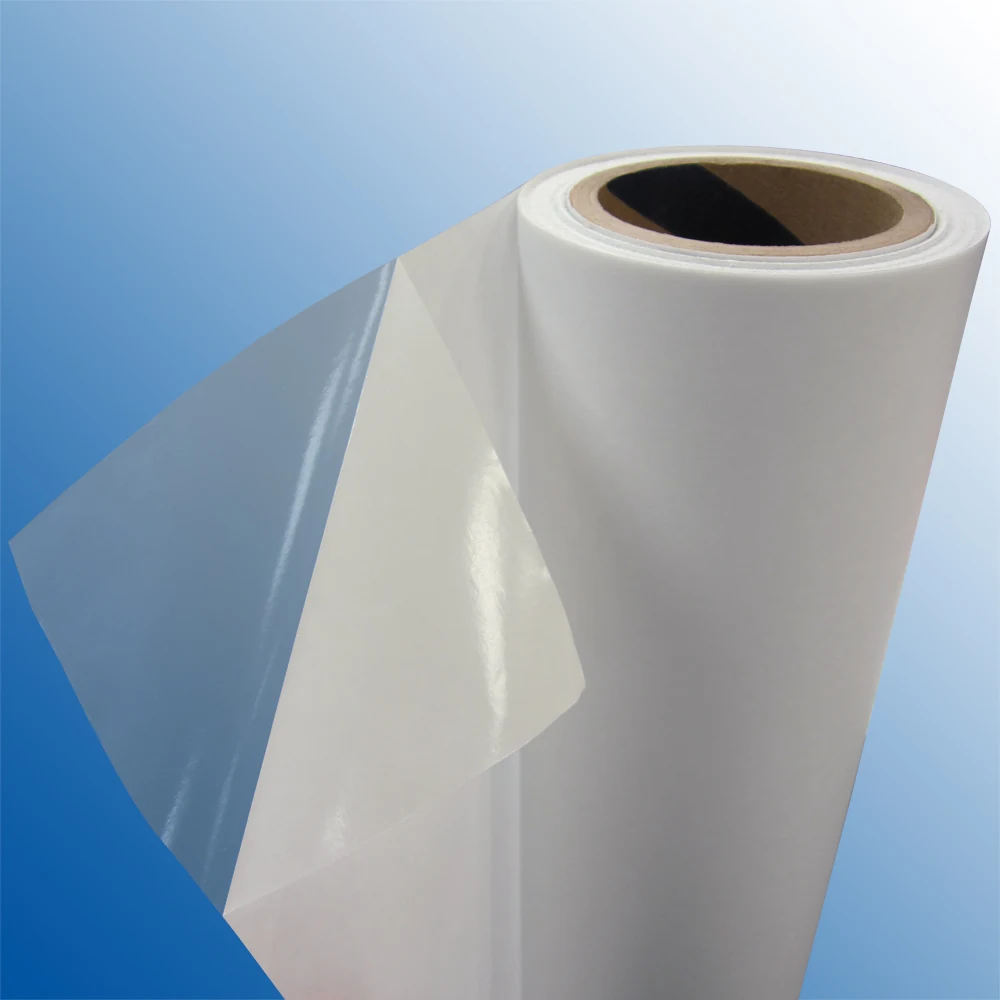
TPU Hot Melt Adhesive Film
Waterproof elastic TPU film for seamless bonding lamination and transfer printing
View Grade Data
Thermoplastic Adhesive Film
TPU Hot Melt Adhesive Film
Waterproof elastic TPU film for seamless bonding lamination and transfer printing
View Grade Data
 Thermoplastic Adhesive Film
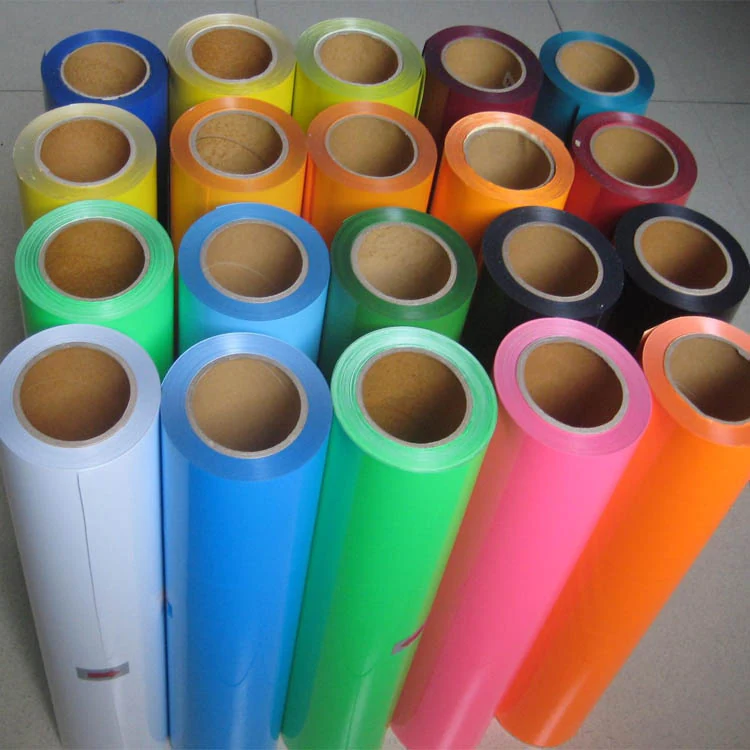
Transfer Hot Melt Film
Wash resistant transfer film for fashion and sports suit heat transfer printing
View Grade Data
Thermoplastic Adhesive Film
Transfer Hot Melt Film
Wash resistant transfer film for fashion and sports suit heat transfer printing
View Grade Data
 Hot Melt Adhesives
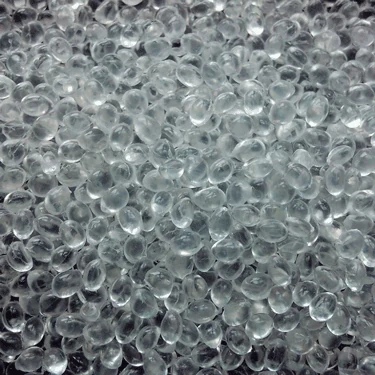
Thermoplastic Polyurethane Resin
TPU resin raw material from 72A to 93A hardness for shoe material and compounding
View Grade Data
Hot Melt Adhesives
Thermoplastic Polyurethane Resin
TPU resin raw material from 72A to 93A hardness for shoe material and compounding
View Grade DataRelated Guides
What Is A Thermoplastic Hot Melt Adhesive And When To Use One
Hot melts bond by cooling, not by curing. That single difference explains most of what they are good at and most of what they are not.
Buying GuideHow To Choose Hot Melt Powder Particle Size
Particle size decides whether powder passes your mesh cleanly and how much adhesive ends up on the substrate. Pick the fraction before you pick anything else.
Questions On This Topic
What film thickness should I start with
Thin film on smooth light substrates, thicker film where the surface is rough or open. 0.05 to 0.20 mm covers the TPU range.
What is the widest film you can supply
Transfer hot melt film is cut up to 1500 mm wide.
Which materials are available as film
TPU, PES, PA and EVA, from 50 to 200 micron.
Can I get a non-standard thickness
Yes, other specifications can be customised.
Which film is waterproof
The TPU hot melt film — it is waterproof, water resistant and non-permeable, which is why it is used on waterproof zips and ski suit pockets.
Apply This To Your Own Line
Send the substrates, the service temperature and the process limits. A grade recommendation is usually one email, not a meeting.