
Shoe Making Materials
A single shoe carries four different bonded joints — counter, toe puff, lining and sole, plus the seamless work on a sports upper. Each one asks something different of the adhesive, and United Industry supplies the powder, resin, film and counter grades that cover all of them.
Why This Process Is Chosen
Thermoplastic adhesive powder is used primarily for durable adhesion of toe puffs, shoe lining materials and soles. Polyamide resin is specially designed for vamp adhesive. Hot melt adhesive film is the choice for seamless and other applications. Between those three forms, most of the bonded joints in a shoe are covered.
From Enquiry To A Repeatable Production Setting
Each stage below is a decision that narrows the grade list. Working through them in order is faster than starting with a sample and adjusting afterwards.
Upper Material Review
The upper sets the maximum lasting temperature. Leather, coated synthetics and knitted uppers do not tolerate the same press.
Every grade decision downstream depends on this number.
Joint By Joint Selection
Counter and toe puff take a counter adhesive; linings and soles take powder; the vamp takes polyamide resin; seamless panels and net cloth take film.
One shoe, four joints, four adhesive forms — from one supplier.
Polymer Choice
Polyamide for heat resistance and load. Copolyester where the upper cannot take a high lasting temperature and a lower softening point is needed.
Both counter grades are solvent free and solidify quickly after coating.
Lasting Trial
Run the trial on the production upper with the production counter, not on a flat coupon.
Flex and heat the finished shoe; that is where counter bonds actually fail.
Line Parameter Lock
Coating weight, lasting temperature, dwell and cooling. Most field failures trace back to a drifting press rather than to the adhesive.
Record the settings that passed the trial and hold them.
Packing And Supply
Counter adhesive is supplied at 20 kg, 12 rolls per carton. Film and powder specifications are cut to the order.
Repeat orders reference the trial grade so the line does not have to be re-qualified.
Products Used In Shoe Making Materials
 Shoes Hot Melt Adhesives
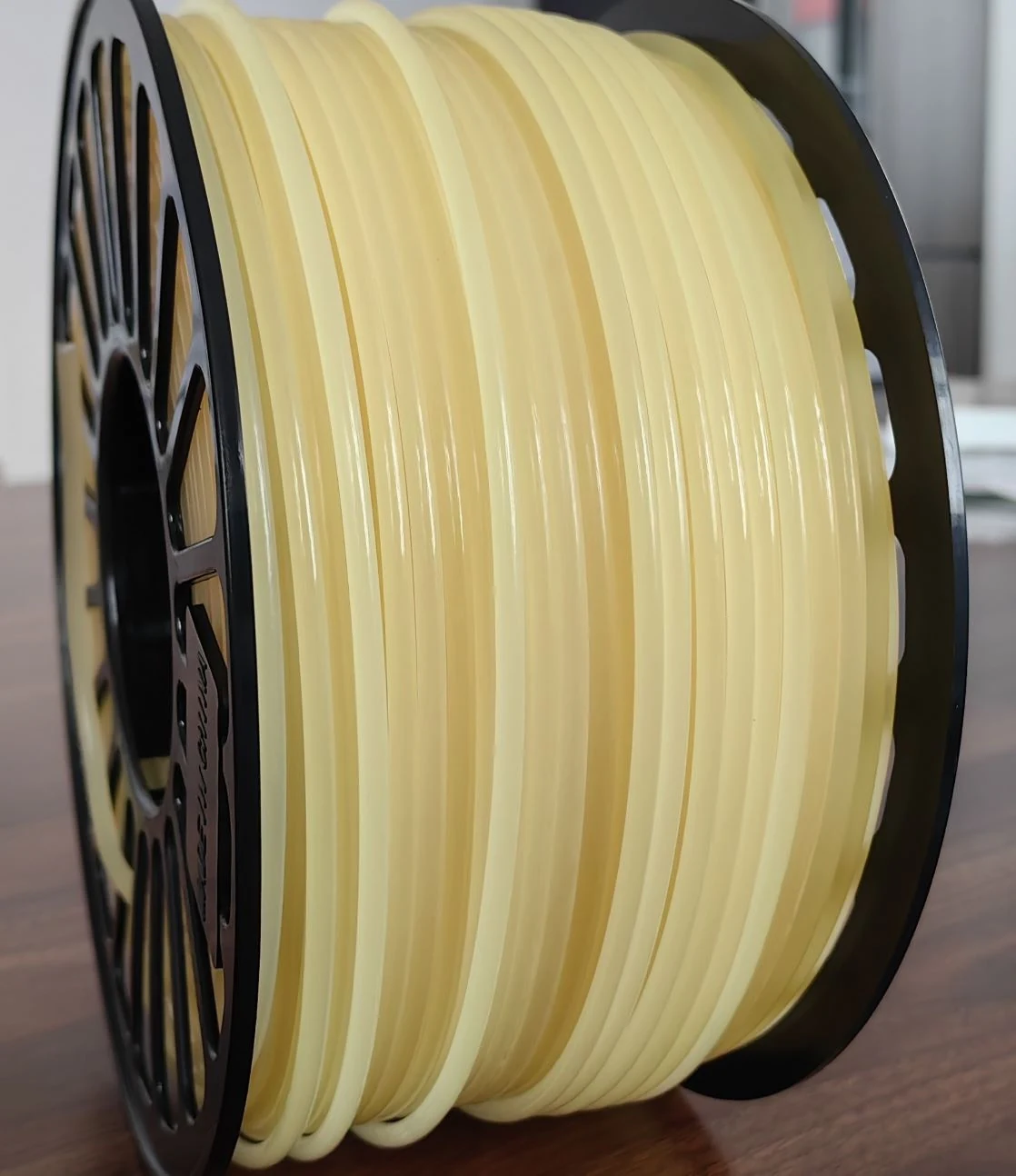
Polyamide Shoe Back Counter Adhesive
Polyamide counter adhesive for heel counters and back parts in shoe making
View Grade Data
Shoes Hot Melt Adhesives
Polyamide Shoe Back Counter Adhesive
Polyamide counter adhesive for heel counters and back parts in shoe making
View Grade Data
 Shoes Hot Melt Adhesives
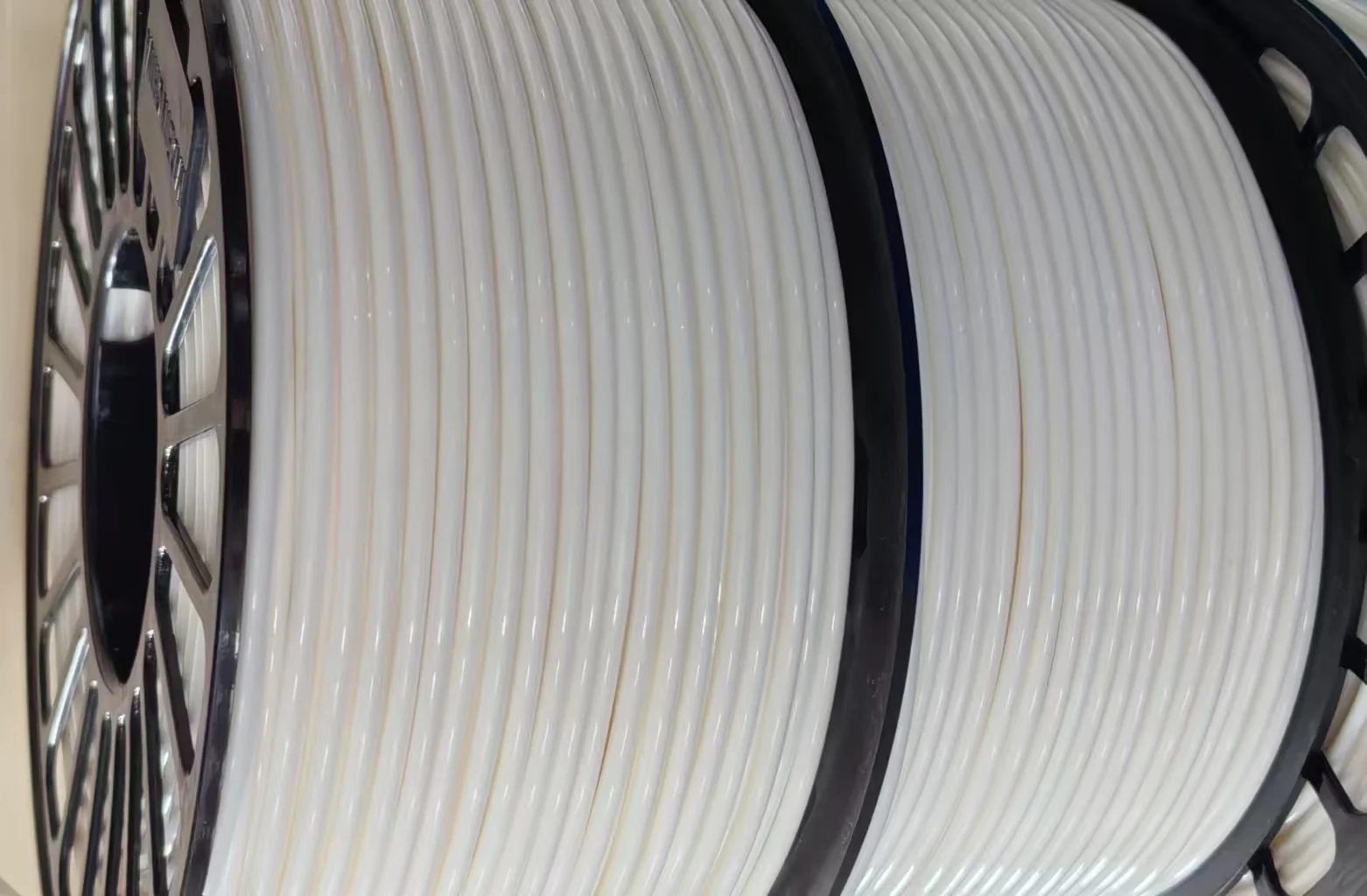
Copolyester Shoe Counter Adhesive
Copolyester counter adhesive for toe puffs counters and lining bonding
View Grade Data
Shoes Hot Melt Adhesives
Copolyester Shoe Counter Adhesive
Copolyester counter adhesive for toe puffs counters and lining bonding
View Grade Data
 Thermoplastic Adhesive Film
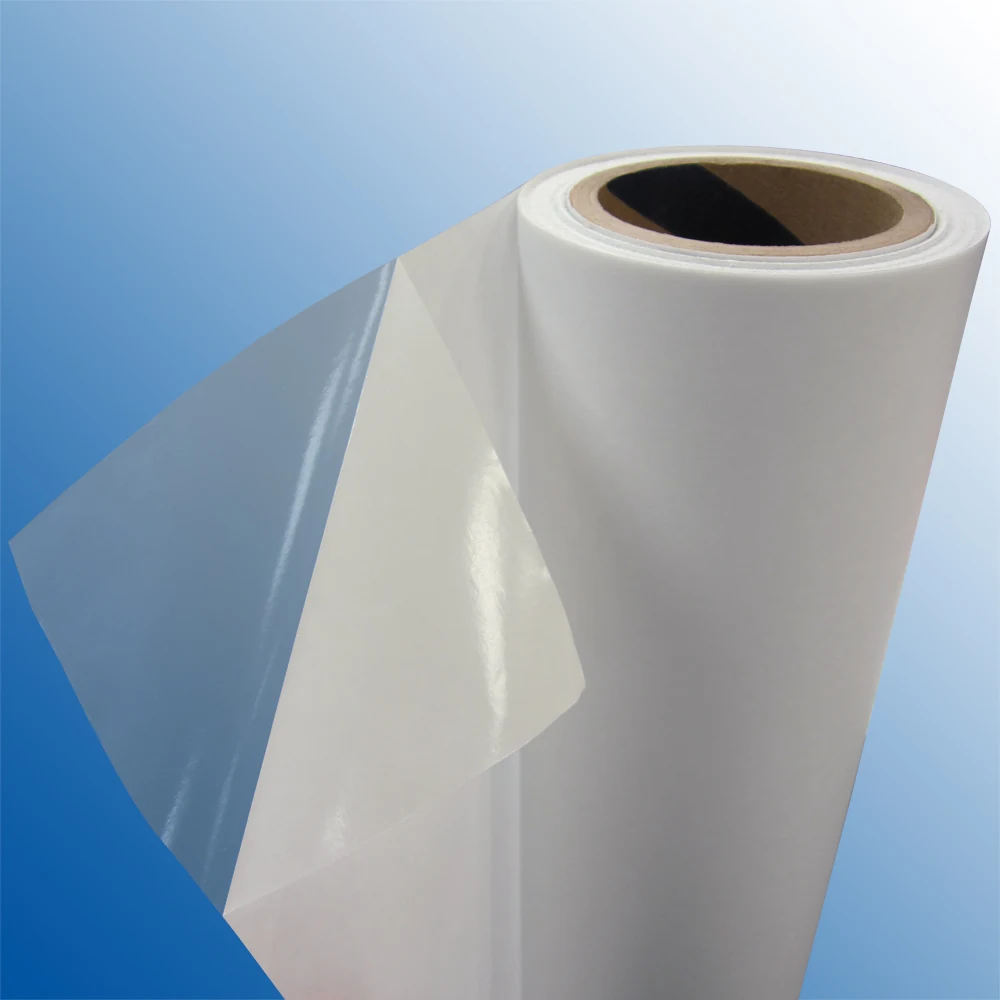
TPU Hot Melt Adhesive Film
Waterproof elastic TPU film for seamless bonding lamination and transfer printing
View Grade Data
Thermoplastic Adhesive Film
TPU Hot Melt Adhesive Film
Waterproof elastic TPU film for seamless bonding lamination and transfer printing
View Grade Data
 Hot Melt Adhesives
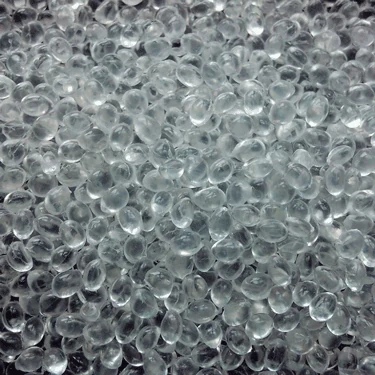
Thermoplastic Polyurethane Resin
TPU resin raw material from 72A to 93A hardness for shoe material and compounding
View Grade Data
Hot Melt Adhesives
Thermoplastic Polyurethane Resin
TPU resin raw material from 72A to 93A hardness for shoe material and compounding
View Grade DataIndustries Running This Process
Guides For This Process
Polyamide Versus TPU Versus Copolyester For Heat Applied Adhesives
Three polymers, three different questions. Strength, stretch or wash — pick the one that decides your failure mode and the rest follows.
Buying GuideChoosing Hot Melt Adhesive Film Thickness And Width
With film, the coat weight is a specification rather than a process variable. Thickness, width and processing temperature are the three numbers to get right.
Shoe Making Materials FAQ
Which adhesive is used for toe puffs and soles
Thermoplastic adhesive powder, used primarily for durable adhesion of toe puffs, shoe lining materials and soles.
What is used for the vamp
Polyamide resin is specially designed for vamp adhesive.
What is used for seamless uppers
Hot melt adhesive film is the good choice for seamless and other applications, including pressing glue for the net cloth of sports shoes.
Polyamide or copolyester counter adhesive
Polyamide for heat resistance and load; copolyester for heat sensitive uppers.
Are the shoe grades solvent free
Yes, and they solidify quickly after coating, which is what keeps a lasting line moving.
Set Up Shoe Making Materials With The Right Grade
Describe the joint, the substrates and the temperature limits of your line, and we will come back with a grade and a starting parameter set.