
Bonding Filter Media To End Caps With High Viscosity Polyamide Resin
Filter adhesives fail in a specific way: the adhesive wicks into the pleats and leaves the joint starved. A viscosity of 18000 mPa.s is the answer to that.
What The Assembly Has To Survive
A pleat pack has to be sealed into its end caps so that no unfiltered fluid can bypass the media. The adhesive has to bridge between the pleat tips and the cap without running up the media and without going brittle at service temperature.
Why The Obvious Approach Fails
- Low viscosity adhesive wicks into the media and starves the bond line
- Reactive polyurethane needs cure time and moisture control
- The joint has to hold at service temperature under vibration
- Bypass leakage is a field failure, not a line failure — it shows up late
Grade Selection And Why
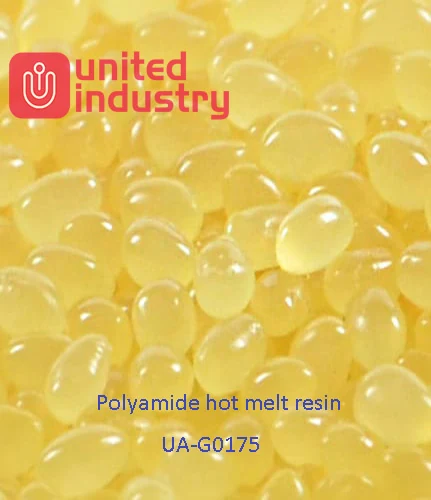
UA-G0175 polyamide hot melt adhesive resin, melting range 158-173 C, viscosity 18000 mPa.s. Filter work is one of the two applications the grade is listed for, and the high viscosity is exactly why.
How The Job Runs
Step 01
Melt the resin in the hot melt applicator at the working temperature
Step 02
Dispense a bead of adhesive into the end cap
Step 03
Set the pleat pack into the open adhesive
Step 04
Cool so the polyamide sets — there is no cure wait
Step 05
Inspect the bond line at the pleat tips for full contact
Quality Control
Bead height and continuity, pleat tip embedment depth, and a bypass or pressure drop test on the finished element. Polyamide is chosen here because it keeps strength at elevated service temperature and stays reliable when the element goes cold.
Result
The bead stays where it was placed instead of disappearing into the media, so the embedment depth is repeatable from element to element.
Customer Benefit
Bypass leakage becomes a design variable rather than a lottery, and the line loses the cure time a reactive system would need.
Products In This Application Note
 Hot Melt Resin
Polyamide Hot Melt Adhesive Resin UA-G0175
High viscosity polyamide resin for low pressure moulding and filter bonding
View Grade Data
Hot Melt Resin
Polyamide Hot Melt Adhesive Resin UA-G0175
High viscosity polyamide resin for low pressure moulding and filter bonding
View Grade Data
 Hot Melt Resin
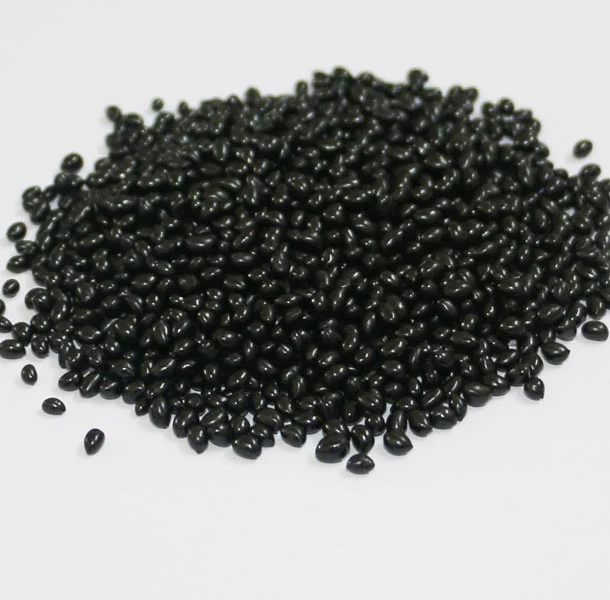
Black Polyamide Hot Melt Resin UA-G182C
Black polyamide resin for low pressure moulding of automotive and electronic assemblies
View Grade Data
Hot Melt Resin
Black Polyamide Hot Melt Resin UA-G182C
Black polyamide resin for low pressure moulding of automotive and electronic assemblies
View Grade DataQuestions About This Application Note
Is this a named customer project
No. This is an application reference built from the published process data for the grades named on this page. It describes a typical setup rather than a specific customer project, so treat the parameters as a starting point for your own trial.
Can you supply these grades for a trial
Yes. Sample requests are handled by email — state your substrates and process temperature limits.
Will the same parameters work on my line
Treat them as a starting point. Press condition, substrate and geometry all shift the window, which is why a trial comes before a production order.
Which grade should I start with
The products listed on this page are the ones this application uses. If none fits, tell us the joint and we will look wider.
Have A Similar Joint To Solve
Send the substrates, the service temperature and the process limits of your line. We will say which grade to trial and what to watch for.