
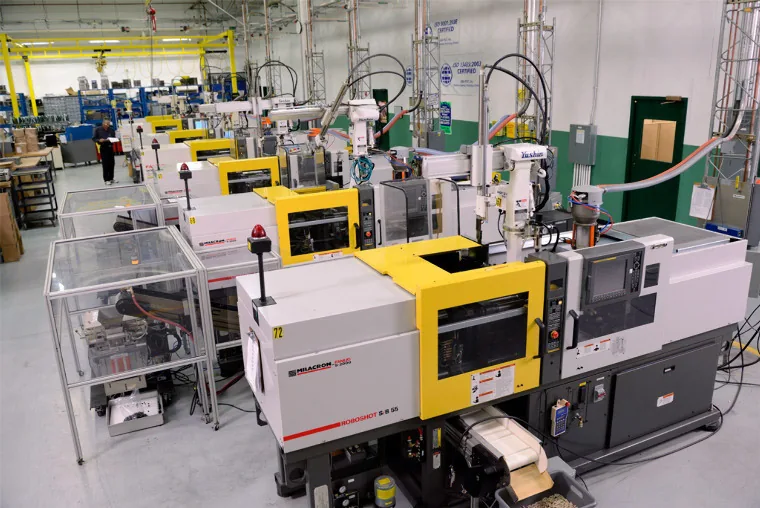
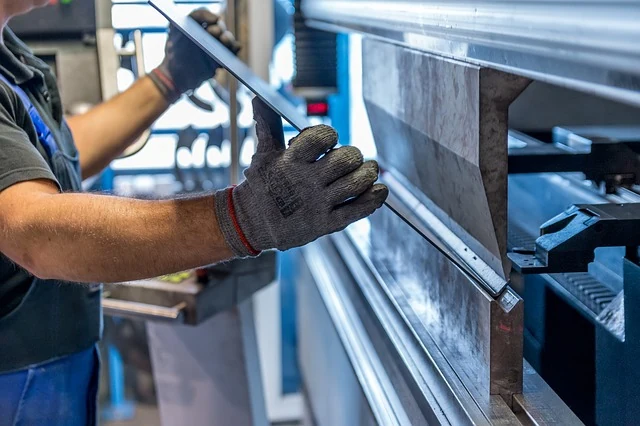
Thermoplastic Hot Melt Adhesives For Bonding Lines That Cannot Stop
Polyamide, polyurethane, polyester and polyolefin hot melts supplied as granule, powder and film — matched to your press, your substrate and your cycle time.
Thermoplastic Hot Melt Adhesives For Industrial Bonding
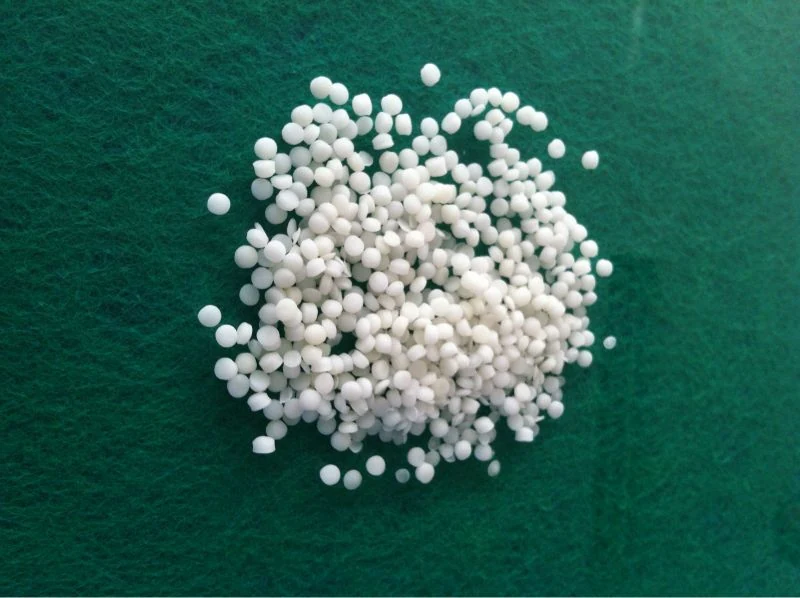
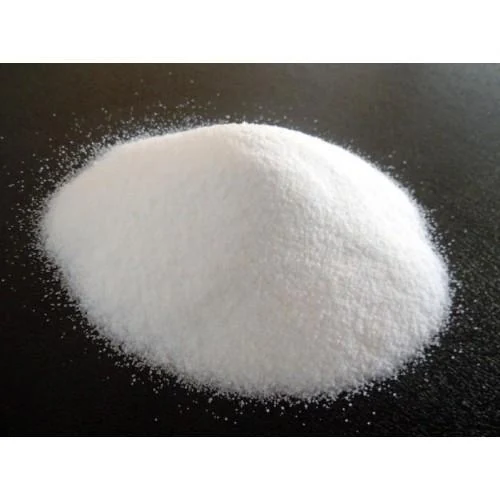
Thermoplastic hot melt adhesives based on polyamide (PA), thermoplastic polyurethane (TPU), copolyester (PES) and polyolefin (PO), supplied as granule, powder and film.
Every Grade We Supply
Ten grades across five categories. Each page carries the published melt range, viscosity or particle size, and the process it was designed for.
 Hot Melt Resin
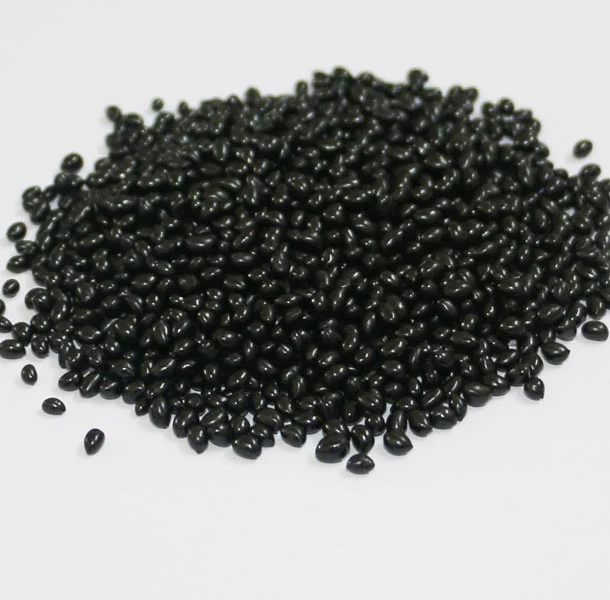
Black Polyamide Hot Melt Resin UA-G182C
Black polyamide resin for low pressure moulding of automotive and electronic assemblies
View Grade Data
Hot Melt Resin
Black Polyamide Hot Melt Resin UA-G182C
Black polyamide resin for low pressure moulding of automotive and electronic assemblies
View Grade Data
 Hot Melt Resin
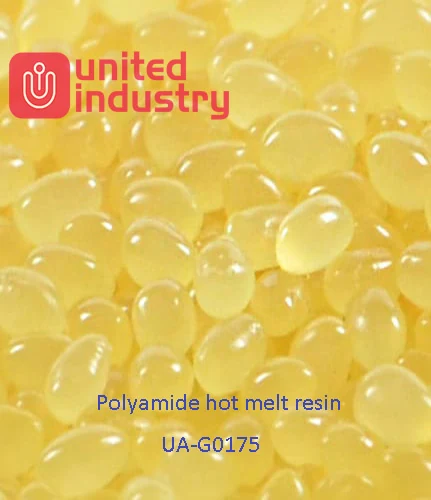
Polyamide Hot Melt Adhesive Resin UA-G0175
High viscosity polyamide resin for low pressure moulding and filter bonding
View Grade Data
Hot Melt Resin
Polyamide Hot Melt Adhesive Resin UA-G0175
High viscosity polyamide resin for low pressure moulding and filter bonding
View Grade Data
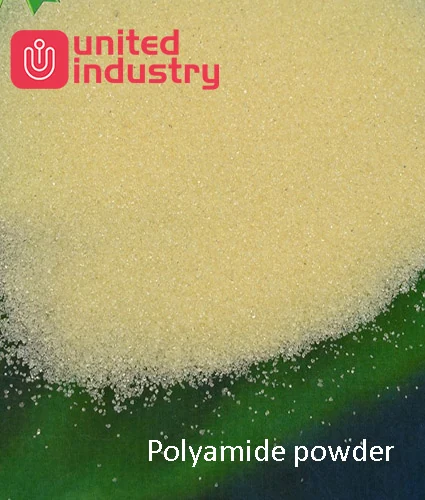 Polyamide (PA) Hot Melt Adhesives
Polyamide Hot Melt Powder
High strength polyamide powder for textile lamination and shoe fabric bonding
View Grade Data
Polyamide (PA) Hot Melt Adhesives
Polyamide Hot Melt Powder
High strength polyamide powder for textile lamination and shoe fabric bonding
View Grade Data
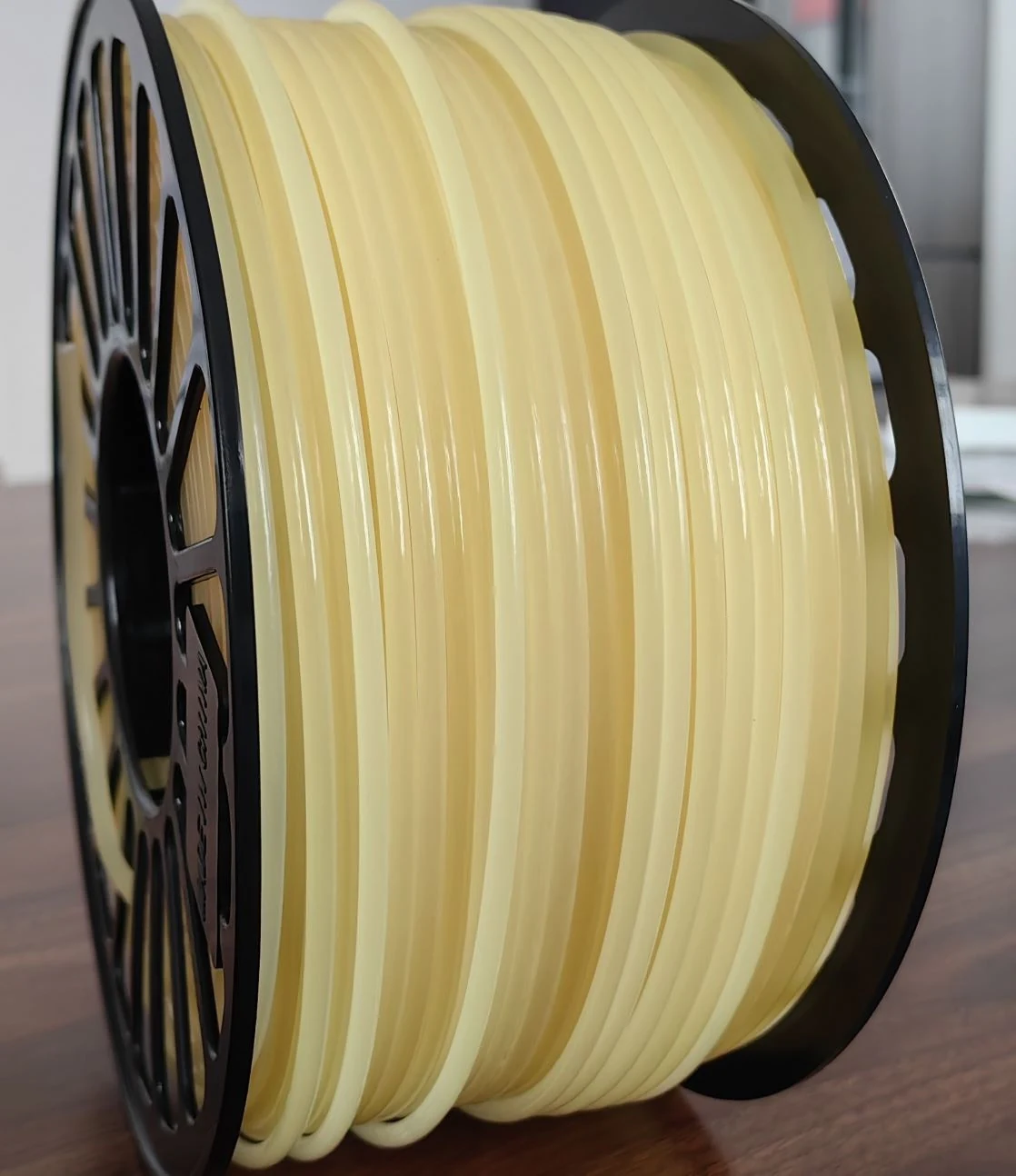 Shoes Hot Melt Adhesives
Polyamide Shoe Back Counter Adhesive
Polyamide counter adhesive for heel counters and back parts in shoe making
View Grade Data
Shoes Hot Melt Adhesives
Polyamide Shoe Back Counter Adhesive
Polyamide counter adhesive for heel counters and back parts in shoe making
View Grade Data
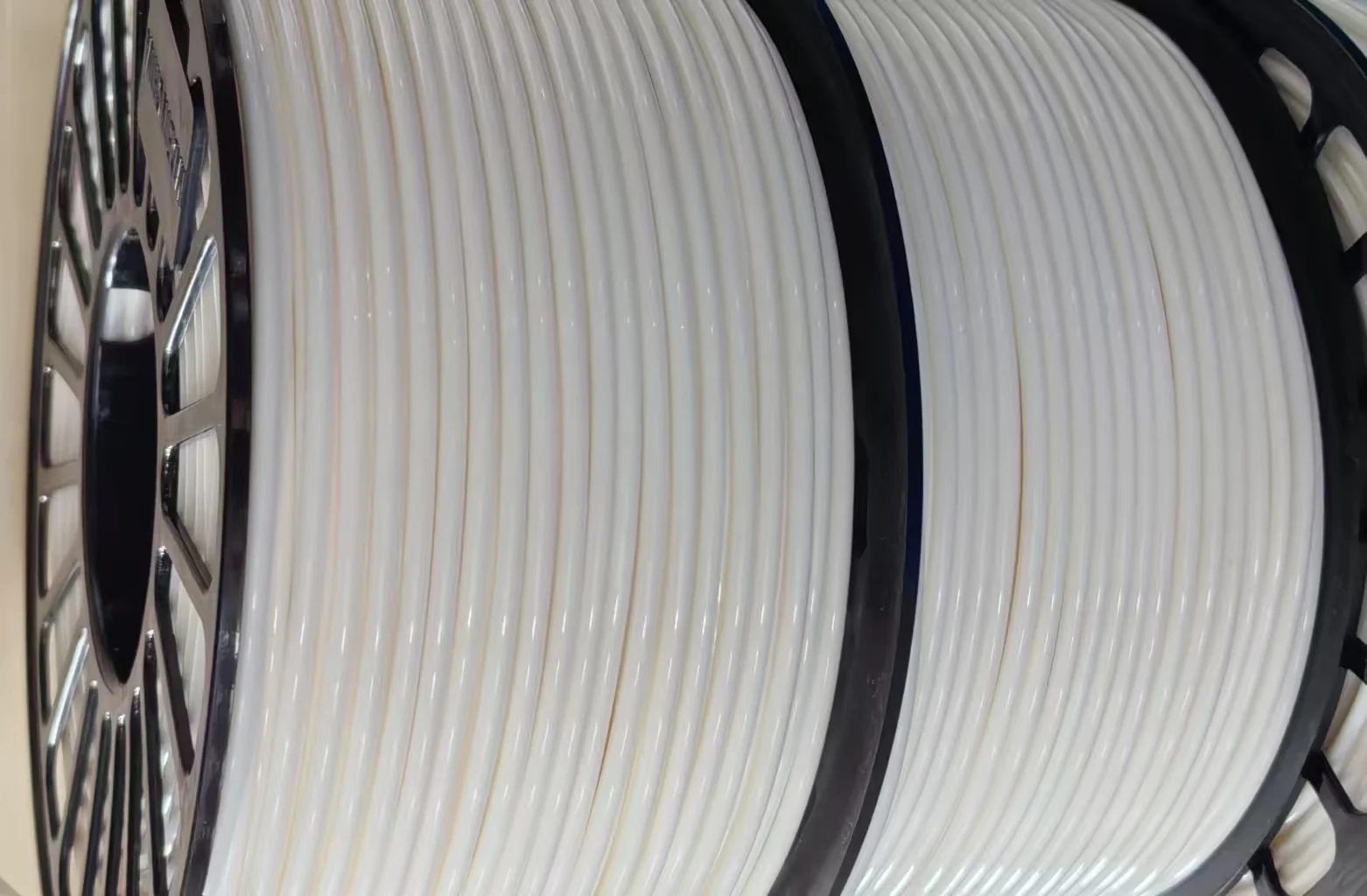 Shoes Hot Melt Adhesives
Copolyester Shoe Counter Adhesive
Copolyester counter adhesive for toe puffs counters and lining bonding
View Grade Data
Shoes Hot Melt Adhesives
Copolyester Shoe Counter Adhesive
Copolyester counter adhesive for toe puffs counters and lining bonding
View Grade Data
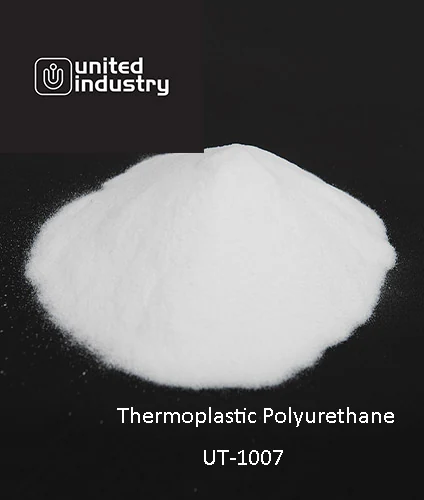 Thermoplastic Polyurethane Hot Melt Adhesives
Thermoplastic Polyurethane Powder UT-1007
Soft low melting TPU powder for screen heat transfer printing and shoe material
View Grade Data
Thermoplastic Polyurethane Hot Melt Adhesives
Thermoplastic Polyurethane Powder UT-1007
Soft low melting TPU powder for screen heat transfer printing and shoe material
View Grade Data
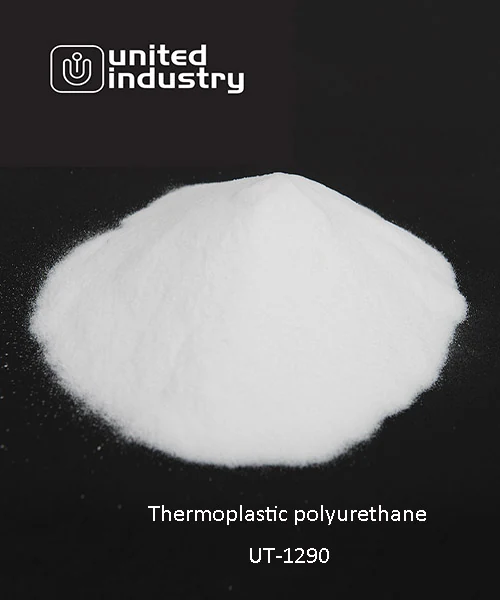 Thermoplastic Polyurethane Hot Melt Adhesives
Thermoplastic Polyurethane Powder UT-1290
Aliphatic polyester TPU powder for high elasticity transfers with better colour fastness
View Grade Data
Thermoplastic Adhesive Film
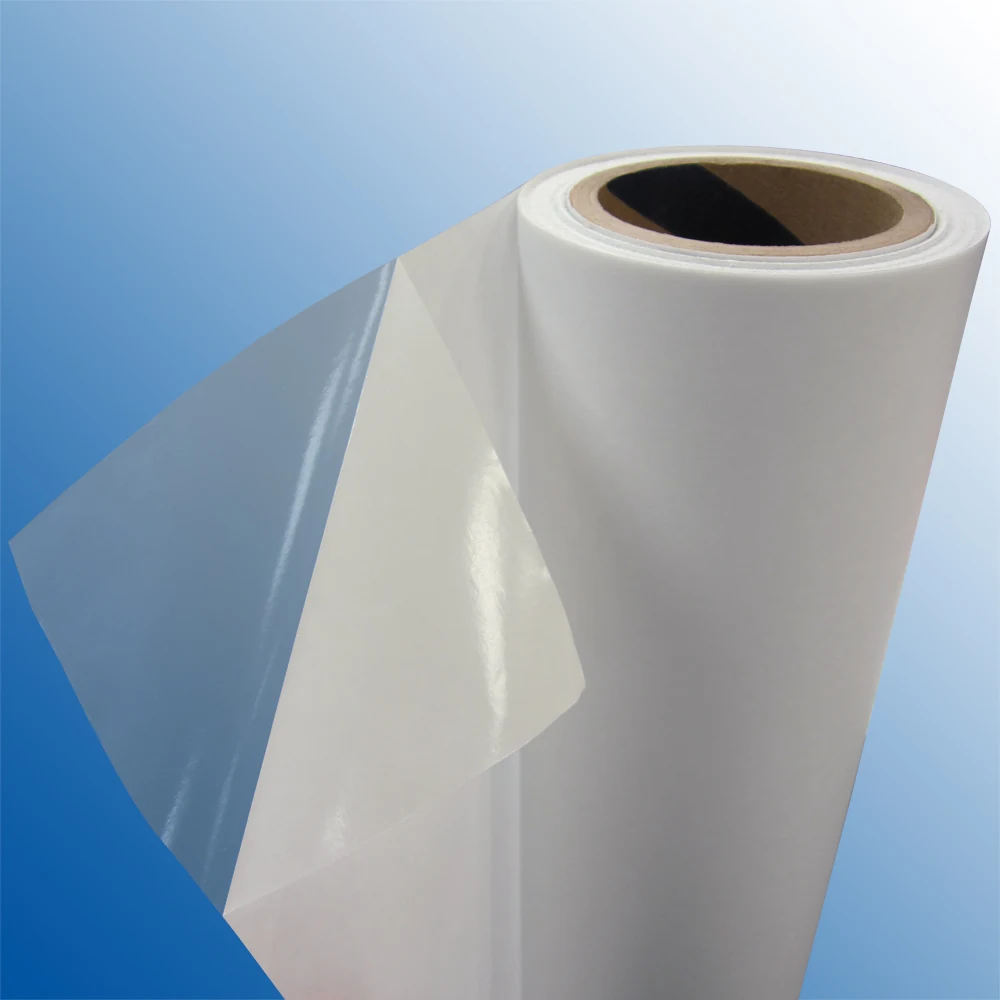
TPU Hot Melt Adhesive Film
Waterproof elastic TPU film for seamless bonding lamination and transfer printing
View Grade Data
Thermoplastic Polyurethane Hot Melt Adhesives
Thermoplastic Polyurethane Powder UT-1290
Aliphatic polyester TPU powder for high elasticity transfers with better colour fastness
View Grade Data
Thermoplastic Adhesive Film
TPU Hot Melt Adhesive Film
Waterproof elastic TPU film for seamless bonding lamination and transfer printing
View Grade Data
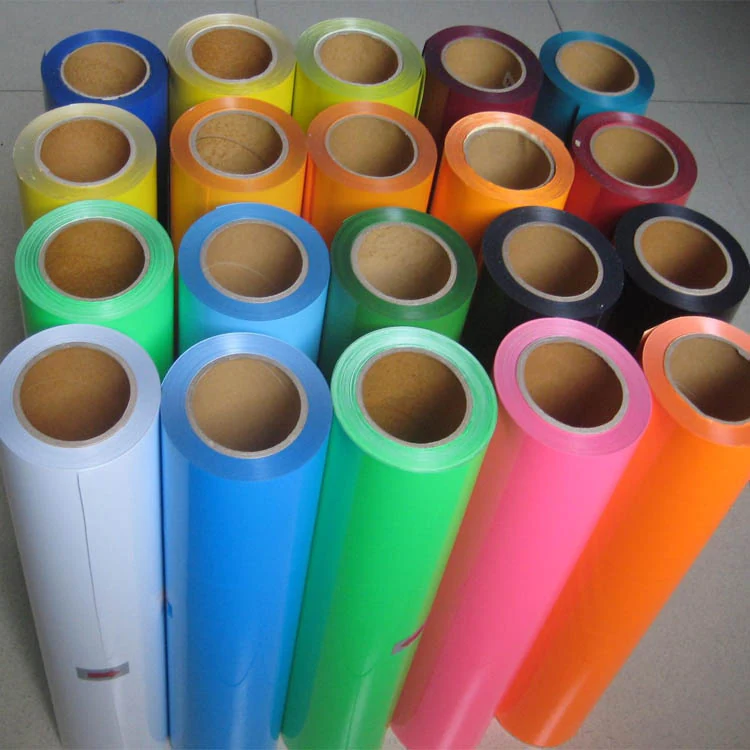 Thermoplastic Adhesive Film
Transfer Hot Melt Film
Wash resistant transfer film for fashion and sports suit heat transfer printing
View Grade Data
Thermoplastic Adhesive Film
Transfer Hot Melt Film
Wash resistant transfer film for fashion and sports suit heat transfer printing
View Grade Data
 Hot Melt Adhesives
Thermoplastic Polyurethane Resin
TPU resin raw material from 72A to 93A hardness for shoe material and compounding
View Grade Data
Hot Melt Adhesives
Thermoplastic Polyurethane Resin
TPU resin raw material from 72A to 93A hardness for shoe material and compounding
View Grade DataIndustries That Bond With Hot Melt Every Day
Heat transfer printers, shoe material converters, textile laminators, low pressure moulding houses, filter makers and automotive interior suppliers.
 IndustryApparel And Textile DecorationHeat transfers are one of the most common hot melt applications and a great way to personalise apparel and accessories on demand. The adhesiSee Applications
 IndustryFootwear ManufacturingShoes are exposed to all weather conditions and have to bear the most diverse range of stresses. United Industry is the solution for superioSee Applications
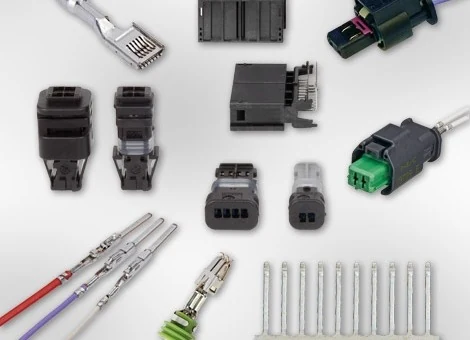 IndustryElectrical And Electronic AssemblyLow pressure moulding with thermoplastic polyamide and polyolefin hot melt resin encapsulates and environmentally protects electronic componSee Applications
 IndustryAutomotive Interiors And FiltrationIn the automotive industry today, interior trim and automotive textiles are usually glued. Bonding is quicker, it saves riveting, welding anSee Applications
Most Bonding Failures Are A Materials Mismatch Not A Machine Fault
Most bonding failures are a materials mismatch, not a machine fault: the melt range fights the press, the particle size blocks the screen, or the polymer will not wet the substrate. We select the grade around the process you already run.
Transfers Crack Or Peel After Washing
Elastic garments need a soft, high-elongation adhesive. A rigid powder holds on the press table and fails on the body. TPU powder keeps the stretch; PES holds the wash.
Powder Blocks The Screen Or Dusts The Line
Particle size decides whether powder passes the mesh cleanly. We cut PA and TPU powders into 0-80, 80-180, 100-300 and 200-500 micron fractions so the grade matches the mesh instead of the mesh matching the grade.
Potting Compounds Damage The Component
Two-part resins cure exothermically and shrink onto fragile parts. Low pressure moulding with polyamide resin encapsulates in 8 to 50 seconds with no chemical reaction and no cure stress.
Counters And Toe Puffs Delaminate
Shoe uppers face heat, moisture and flex at the same time. Polyamide and copolyester counter adhesives are built for that combination rather than for flat lamination.
One Grade Cannot Cover The Whole Product Range
Lamination, transfer printing, moulding and filter bonding pull the melt range in different directions. Carrying PA, TPU, PES and PO under one supplier removes the compromise grade.
Solvent Adhesives Fail The Customer Audit
Thermoplastic hot melts contain no solvent and are re-meltable, which removes the VOC question from apparel, footwear and automotive interior audits.
Solutions Built Around Your Production Line
Heat Transfer Printing
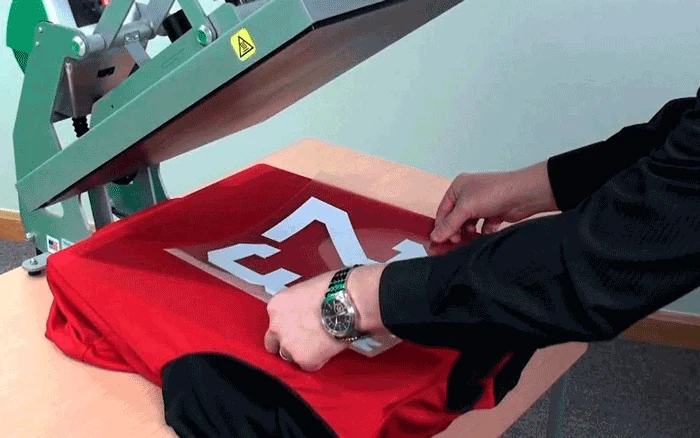
Heat transfer printing applies heat-activated materials to textiles and other items with a heat press. The material carries a heat-sensitive adhesive
ProcessLow Pressure Molding
Low pressure molding is a moulding process using hot melt adhesives. It achieves superior sealing and better protection of electrical and electronic c
ProcessShoe Making Materials
Shoes are exposed to all weather conditions and have to bear the most diverse range of stresses. United Industry is the solution for superior adhesion
ProcessTextile And Fabric Lamination
Fabric lamination is one of the listed uses of our hot melt resin, powder and film. The choice between those three forms is a choice about where the a
One Supplier Across Every Polymer And Every Form
One supplier covering all four polymer families and all three forms, so a grade change does not mean a new vendor, a new audit and a new lead time.
Four Polymer Families Under One Roof
Polyamide, thermoplastic polyurethane, copolyester and polyolefin. You are not pushed toward the one chemistry a supplier happens to stock.
Three Forms Of The Same Chemistry
Granule for moulding and extrusion, powder for scatter coating and transfer printing, film for lamination and seamless bonding.
Grades Defined By Process Data
Melt range, viscosity, flow beginning temperature and particle size are published per grade, so the selection is made against your press settings.
Raw Material Supply As Well As Compounds
We supply resin raw material alongside finished adhesives, which matters if you compound or coat in house.
Customisation Is The Normal Case
Film thickness, roll width, roll length and powder fraction are cut to the order rather than sold from a fixed list.
Shanghai Base With Export Handling
Production and trade are handled by the same company in Jinshan District, Shanghai, so technical questions and shipping questions go to one place.
Browse By Adhesive Type
 4 gradesPolyamide (PA) Hot Melt AdhesivesThe high strength high temperature family — polyamide hot melts for bonds that have to hold when the part gets hot, cold or oily.Open Category2 gradesHot Melt ResinResin raw material in polyurethane, polyamide and polyolefin for moulding, lamination, packing and filter work.Open Category
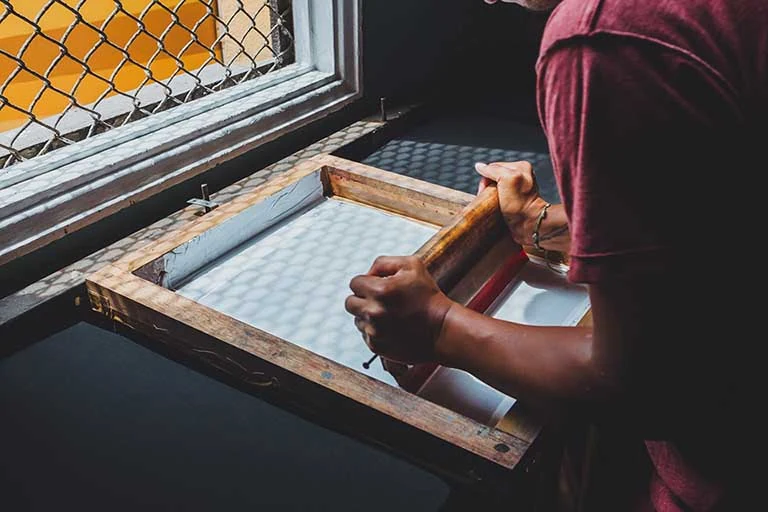 2 gradesThermoplastic Polyurethane Hot Melt AdhesivesSoft elastic TPU powders and resin for transfer printing, stretch garments and shoe material.Open Category
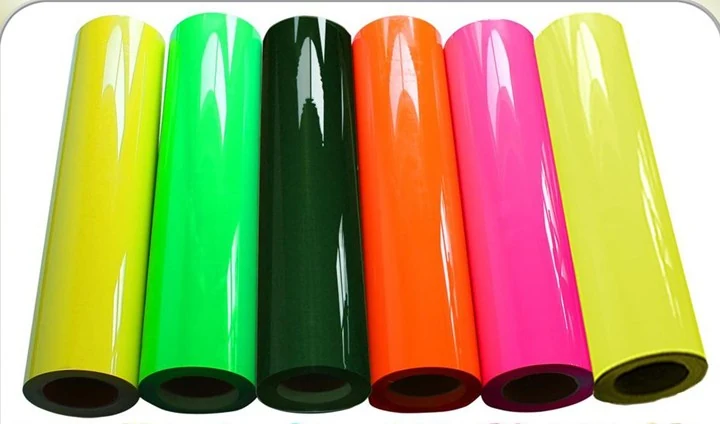 2 gradesThermoplastic Adhesive FilmTPU, PES, PA and EVA adhesive film from 50 to 200 micron for lamination, seam sealing and transfer printing.Open Category
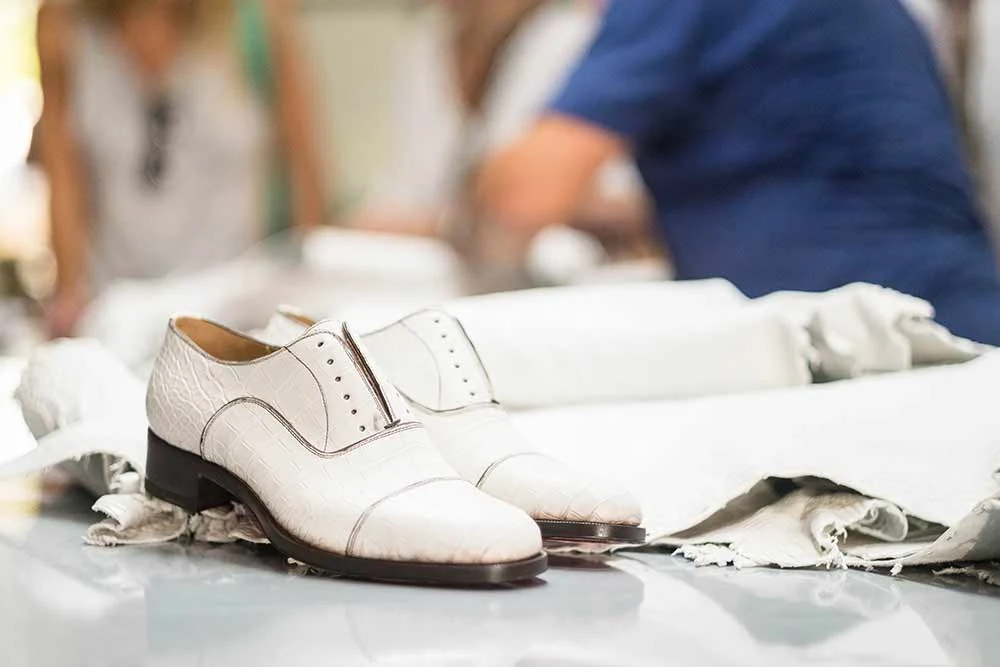 2 gradesShoes Hot Melt AdhesivesCounter and toe puff adhesives for heat lasting lines, in polyamide and copolyester.Open Category
How These Grades Are Used In Production
Encapsulating A Tyre Pressure Monitoring Sensor With Black Polyamide Resin
A TPMS module has to survive wheel-well temperature swings, road salt and constant vibration, with a battery and a radio on the same small board. Low pressure moulding with black polyamide resin seals all of it in one shot.
Application NoteSealing A Connector And Moulding Strain Relief In One Operation
Hot melts are used for sealing the plug and also for cable strain relief. Doing both in one low pressure shot removes a whole assembly step.
Application NoteBonding Filter Media To End Caps With High Viscosity Polyamide Resin
Filter adhesives fail in a specific way: the adhesive wicks into the pleats and leaves the joint starved. A viscosity of 18000 mPa.s is the answer to that.
Technical Guides For Buyers And Process Engineers
What Is A Thermoplastic Hot Melt Adhesive And When To Use One
Hot melts bond by cooling, not by curing. That single difference explains most of what they are good at and most of what they are not.
Comparison GuidePolyamide Versus TPU Versus Copolyester For Heat Applied Adhesives
Three polymers, three different questions. Strength, stretch or wash — pick the one that decides your failure mode and the rest follows.
Process GuideTime Temperature And Pressure In Heat Transfer Printing
Three key components decide every heat press result. Every heat transfer material has its own instructions for all three, and most failures are one of them being wrong.
Hot Melt Adhesive Questions We Are Asked Most
What types of hot melt adhesive do you supply
Thermoplastic hot melt adhesives based on polyamide, thermoplastic polyurethane, polyester and polyolefin, supplied as granule, powder and film.
Which industries use your products
Our hot melt adhesive products are widely used in heat transfer printing, shoe materials, low pressure injection moulding, filters, conveyor belts and automotive interiors.
How do I choose between polyamide TPU and polyester
Polyamide for bond strength and heat stability, TPU for elasticity and soft hand feel, polyester for wash resistance where elasticity is not required. Tell us which failure you are trying to avoid and the choice is usually immediate.
Do you supply raw material as well as finished adhesive
Yes. In addition to raw material supply we provide thermoplastic hot melt adhesives of polyamide, polyurethane, polyester and polyolefin.
Can products be customised
Yes. Particle fractions, film thickness, roll width and roll length are cut to the order, and other specifications can be customised on request.
How do I get a quotation
Email us with the grade or application, the form you need, the quantity and the destination port.
Tell Us The Substrates And The Temperature Limits
Three facts narrow the grade list faster than any data sheet: the two substrates, the service temperature and the process temperature your line can run. Send those and we will come back with a shortlist.