
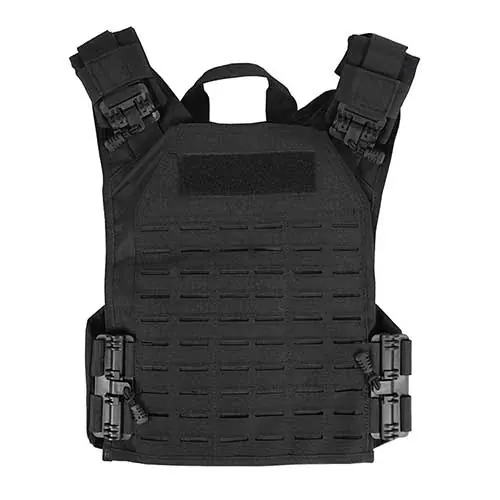
Bulletproof Vest
Polyester or nylon carrier with front and back pockets for armor plates
SpecificationsIndustries
Solutions
Resources
Company
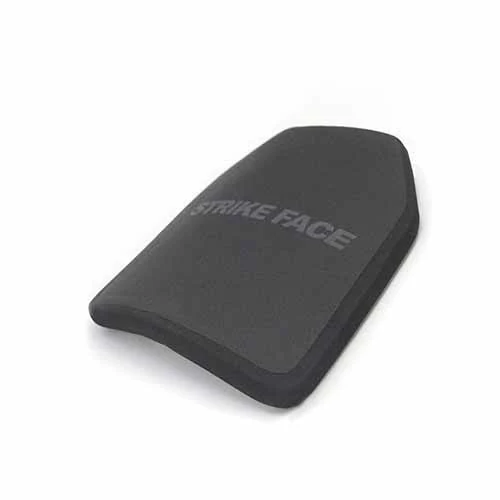
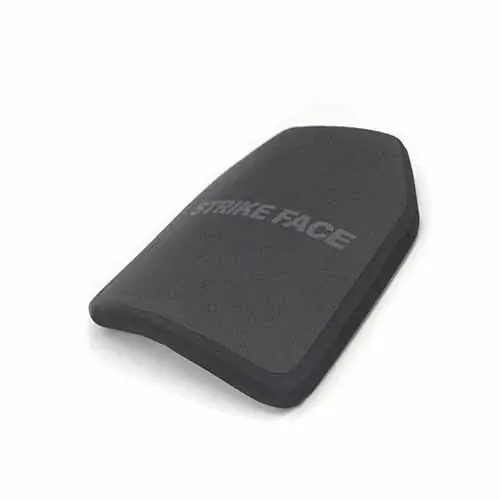
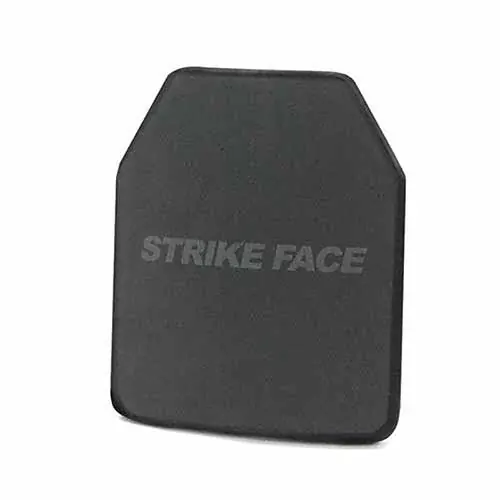
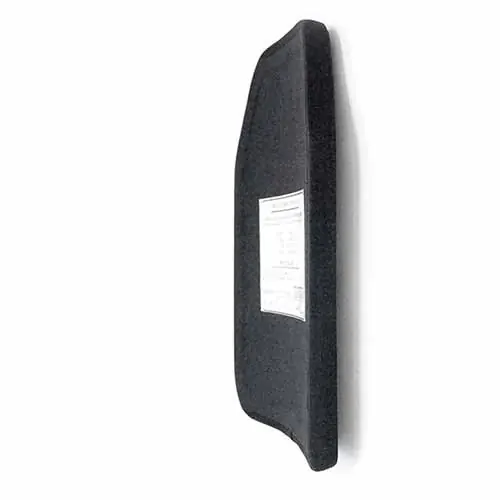
Rigid ballistic insert supplied in steel ceramic or UHMWPE at 0-25mm thickness
A bulletproof plate is a rigid panel inserted into a tactical vest or carrier to give ballistic protection against bullets and shrapnel. It is specified by armor assemblers, police and defense buyers and tactical equipment distributors who need a defined protection level rather than a generic panel. The plate is made in steel, ceramic or ultra high molecular weight polyethylene at a stated thickness of 0-25mm, so the buyer can trade weight against level instead of accepting one fixed build. Choosing the material and the level at order stage removes the usual problem of a plate that fits the carrier but does not meet the threat the end user actually faces.
Steel, ceramic and UHMWPE builds are all available. Where weight on the wearer matters more than cost, the material can be changed without changing the protection level.
The supplied thickness range is 0-25mm. That gives room for both thin handgun rated panels and thicker rifle rated builds under one purchase specification.
Levels run from NIJ IIIA through NIJ III to NIJ IV, with FB4+ to FB7, STANAG 4569 Level 1 and Level 2 and GA-3 to GA-6 also available. The level is written into the order rather than assumed.
Hard ceramic or steel alloy plates cover rifle threats while flexible soft panels cover handgun threats. Both can be quoted so a carrier can be built with the right combination.
Plates are supplied with a fabric or polyurea coated surface. That protects the ballistic core from knocks in the pocket and from moisture in service.
A test report accompanies the plate so the buyer has evidence of the level supplied for the tender or for the issuing authority.
A steel plate at the level required can be heavier than the user will tolerate on a long shift. The same level can be offered in ceramic or UHMWPE so the plate stays in the carrier instead of in the locker.
Buying inserts and carriers separately often produces a plate that will not sit in the pocket. Size is made to your order so the insert is cut to the carrier you already use.
Without paperwork the level is only a sales claim. A test report is issued with the order so the supplied level is on record.
One plate specification rarely suits every role in a unit. Material, thickness and level can be varied line by line within the same order.
Armor assemblers buying inserts to fit their own carriers, sized to the pocket and to the coverage they specify.
Replacing time expired plates across an existing fleet of carriers without replacing the carriers themselves.
Batch supply against a written level such as NIJ IV or STANAG 4569 Level 1 with documentation attached.
Distributors holding a spread of levels and materials so a customer can be matched from stock.
Rigid panels used behind seats, in door cards or in fixed guard positions where a hard insert is fitted rather than worn.
Values below come from the product data published by Shandong Tianyu Metal Products. Confirm the exact grade and size against your order.
| Product Name | Bulletproof Plate |
|---|---|
| Also Known As | Armor plate ballistic plate UHMW-PE armor plate ceramic armor plate |
| Material | Steel ceramic or UHMWPE |
| Thickness | 0-25mm |
| Size | Customized size |
| Application | Bulletproof vest |
| Surface | Fabric or polyurea coating |
| Protection Level | FB4+ FB5 FB6 FB7 NIJ IIIA NIJ III NIJ IV STANAG 4569 Level 1 Level 2 GA-3 GA-4 GA-5 GA-6 |
| Cuts | SAPI ESAPI Swimmer Shooter |
| Curve | Single curve or multi curve |
| Place of Origin | China |
| Certificate | Test report |
| Sample | Available |
| Steel plate versus ceramic plate | Steel is the simpler and more robust build while ceramic works by shattering and deforming the projectile, which usually gives a lighter panel at rifle levels. |
|---|---|
| Ceramic plate versus UHMWPE plate | Ceramic is normally used with a backing and suits higher rifle levels, while UHMWPE gives the lightest build in the range for the wearer. |
| Soft armor panel | Soft panels are flexible and typically aimed at handgun threats. A rigid plate is what is fitted when rifle level protection is specified. |
Thickness is supplied in the 0-25mm range. The actual thickness depends on the material and the protection level you order.
Levels include NIJ IIIA, NIJ III and NIJ IV, plus FB4+, FB5, FB6, FB7, STANAG 4569 Level 1 and Level 2 and GA-3 to GA-6. State the level on the order and it is built and tested to it.
Steel is the most robust and usually the heaviest. Ceramic is the common route for rifle levels and normally uses a backing, while UHMWPE gives the lightest panel for the wearer.
Yes. Size is customized, so send the pocket dimensions and the cut you want and the plate is made to that outline.
The plate is finished with a fabric cover or a polyurea coating, which protects the ballistic core from knocks and moisture in the pocket.
A test report is supplied with the order. Ask for it at quotation stage if it has to accompany a tender submission.
Samples are available. Confirm material, level, cut and size and we will advise what can be released for evaluation.
Polyester or nylon carrier with front and back pockets for armor plates
Specifications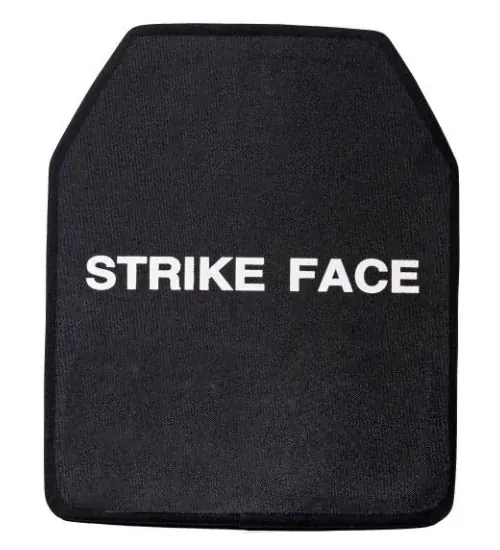
Torso plates in 10 by 12 6 by 8 and 11 by 14 inch sizes for standard carriers
Specifications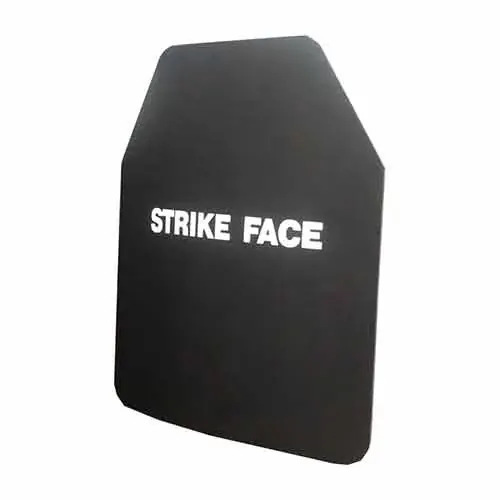
Vehicle armouring shops, security equipment makers and cash in transit builders buy armour steel against a protection level and a
Read more
Vehicle and trailer components fail on fatigue, not on a single overload, so the grade behind each part matters more than the pric
Read moreSend the grade, thickness, width and quantity you need together with your destination port. A cutting list or drawing gets you a firmer number.