Shandong Tianyu Metal Products Co., Ltd. · Liaocheng, Shandong, China [email protected] +86 199 6352 2611
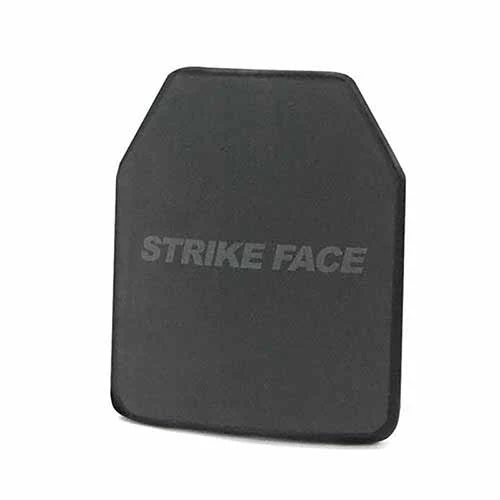
flat gray single-curve body armor plate, front view
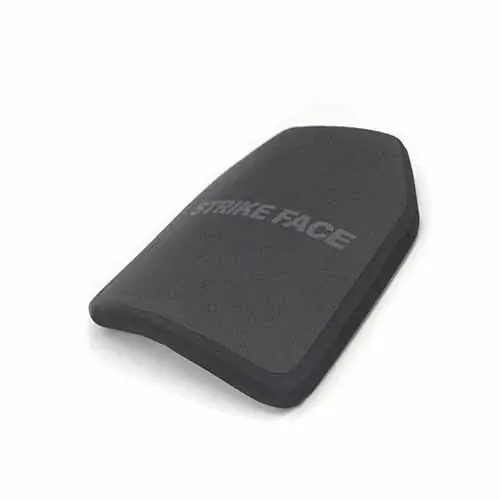
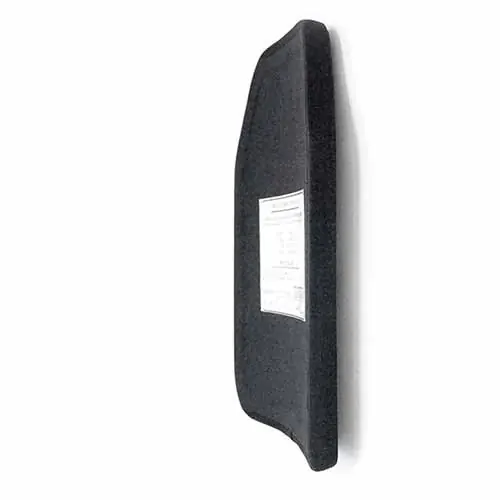
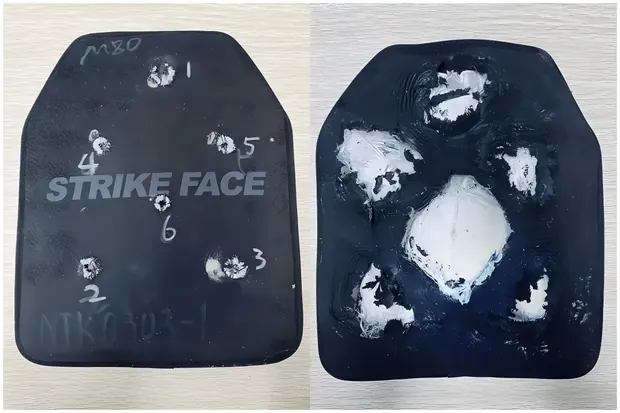
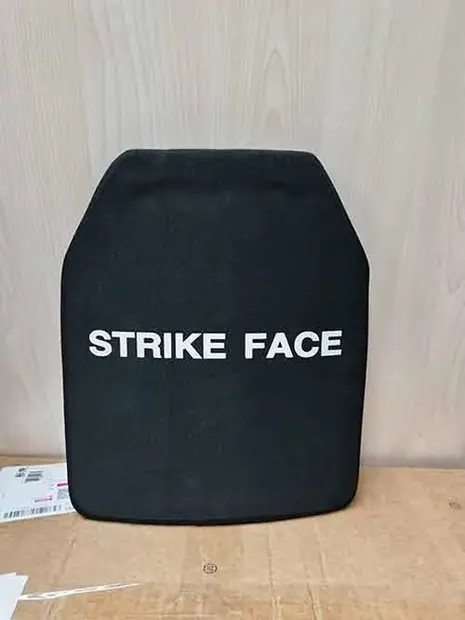
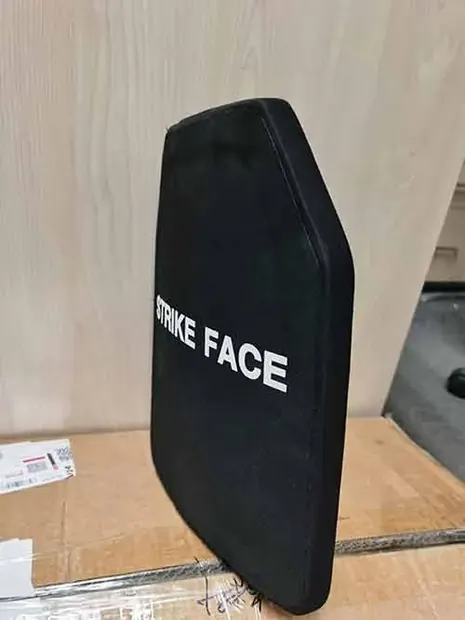
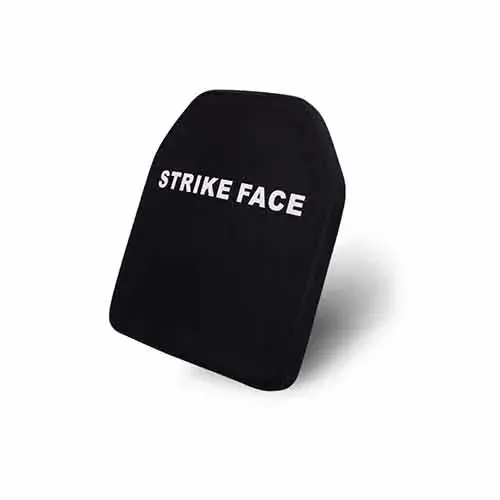
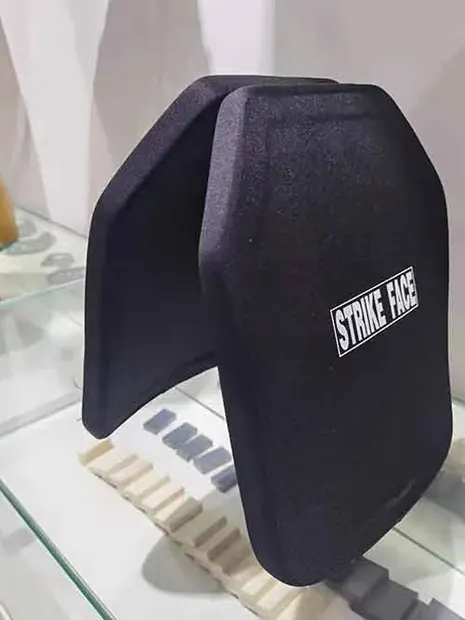
flat gray single-curve body armor plate, front viewcurved gray body armor plate photographed at an angleedge-on view of an armor plate showing its thicknesstwo tested armor panels with handwritten markings and bullet strikesblack armor plate standing upright against a pale wallblack curved armor plate propped on cardboard packagingblack multi-curve armor plate on a plain white backgroundtwo armor plates standing in a glass display cabinet
Bulletproof Steel Sheet

Armor Plate Hard and Soft Ballistic Panels

Hard and soft ballistic panels specified by material level cut and curve

Armor plate covers the rigid and flexible ballistic panels that go into a tactical vest or plate carrier to protect the wearer against bullets and shrapnel. Procurement teams, armor assemblers and equipment distributors turn to it when a requirement has to be written as a material, a level and a fitted size rather than as a product name. Hard armor in ceramic or steel alloy covers rifle threats, soft armor panels cover handgun threats, and both are quoted with thickness inside the 0-25mm range. Settling the four variables of material, level, cut and curve in one specification is what stops a shipment of correctly rated panels arriving in the wrong shape for the carriers waiting for them.

  • Product Name — Armor Plate
  • Also Known As — Bulletproof plate ballistic plate UHMW-PE armor plate ceramic armor plate
  • Material — Steel ceramic or UHMWPE
  • Construction — Hard armor or soft armor
  • Thickness — 0-25mm
Why It Is Specified

Key Benefits of Armor Plate

Hard and Soft Armor From One Specification

Rigid ceramic and steel panels and flexible soft panels are quoted side by side. A mixed requirement can be placed as one order instead of split across suppliers.

Material Traded Against Weight

Steel, ceramic and UHMWPE are all offered. Where the wearer carries the panel all day, the material can be moved without moving the protection level.

Levels Written in Recognized Standards

Levels are quoted as NIJ IIIA, NIJ III and NIJ IV, FB4+ to FB7, STANAG 4569 Level 1 and Level 2 and GA-3 to GA-6. A tender can be answered in the wording it was written in.

Fit Controlled by Cut and Curve

SAPI, ESAPI, Swimmer and Shooter cuts and single or multi curve profiles are available. The panel can be shaped to the carrier and to the wearer at the same time.

Thickness Held Within 0 to 25mm

The supplied range is 0-25mm, which keeps panels inside the depth carrier pockets are built for across the whole level range.

Protective Surface Over the Ballistic Core

Panels are finished in a fabric cover or a polyurea coating so the core is shielded from handling damage and moisture while in the pocket.

Problems It Solves

What This Material Removes From Your Process

Requirements Written as a Product Name

An order that only says armor plate leaves material, level and shape open. Quoting against material, level, cut and curve turns the requirement into something a mill and a buyer can both check.

Right Level Wrong Shape

Panels that meet the level but not the pocket outline sit unused. The cut and curve are fixed in the same specification as the level.

Split Sourcing of Hard and Soft Armor

Buying rigid and flexible panels from different vendors creates thickness and fit mismatches in the carrier. Both are supplied here against one order.

Weight That Drives Non Compliance

Panels heavier than the wearer will accept end up left behind. Offering ceramic or UHMWPE at the same level keeps the panel in the carrier.

Undocumented Deliveries

A test report is issued with the goods so the level delivered is recorded rather than assumed.

Application Scenarios

Where It Is Used

Plate Carrier Build Programs

Assemblers buying panels to populate carriers they are building for a police or defense contract.

Mixed Hard and Soft Armor Orders

Soft panels for everyday handgun level wear with hard plates held for higher level duties in the same delivery.

Tender Responses Against a Written Level

Supplying against a specification worded in NIJ, FB, STANAG 4569 or GA terms with documentation attached.

Vehicle and Fixed Position Armoring

Rigid panels fitted behind seats, into door assemblies or into fixed guard positions by armoring workshops.

Distributor Range Building

Dealers assembling a catalog that spans materials, cuts and levels rather than a single stocked item.

Replacement of Time Expired Panels

Refreshing panels across an installed base of carriers where the carriers themselves stay in service.

Who It Is For

Buyers Who Specify This Product

  • Armor assemblers populating carriers built for a police or defense contract
  • Procurement engineers writing a specification in material level cut and curve terms
  • Tender buyers answering a requirement worded in NIJ FB STANAG 4569 or GA levels
  • Vehicle armoring workshops sourcing rigid panels for seats doors and bulkheads
  • Equipment distributors building a catalog across materials cuts and levels
  • Maintenance and store managers replacing time expired panels in issued carriers
Technical Data

Specifications and Technical Features

Values below come from the product data published by Shandong Tianyu Metal Products. Confirm the exact grade and size against your order.

Armor Plate specifications
Product NameArmor Plate
Also Known AsBulletproof plate ballistic plate UHMW-PE armor plate ceramic armor plate
MaterialSteel ceramic or UHMWPE
ConstructionHard armor or soft armor
Thickness0-25mm
SizeCustomized size
ApplicationBulletproof vest
CutsSAPI ESAPI Swimmer Shooter
CurveSingle curve or multi curve
SurfaceFabric or polyurea coating
Protection LevelFB4+ FB5 FB6 FB7 NIJ IIIA NIJ III NIJ IV STANAG 4569 Level 1 Level 2 GA-3 GA-4 GA-5 GA-6
Place of OriginChina
CertificateTest report
SampleAvailable

Technical Features

  • Hard armor panels in backed ceramic or in steel alloy
  • Soft armor flexible panels for handgun threats
  • UHMWPE construction for the lightest panels
  • Thickness supplied in the 0-25mm range
  • Levels covering NIJ IIIA NIJ III and NIJ IV
  • Ratings also quoted as FB4+ to FB7 STANAG 4569 Level 1 and Level 2 and GA-3 to GA-6
  • Cuts SAPI ESAPI Swimmer and Shooter
  • Single curve or multi curve profile with a fabric or polyurea coated surface
  • Protection level quoted as Levels quoted in NIJ terms as IIIA III or IV
  • Protection level quoted as Levels quoted in FB terms from FB4+ to FB7
  • Protection level quoted as Levels quoted as STANAG 4569 Level 1 or Level 2 and as GA-3 to GA-6

Materials

  • Ceramic strike face with a backing for hard armor
  • Steel alloy panels for the most robust hard armor build
  • Ultra high molecular weight polyethylene UHMWPE panels
  • Flexible ballistic material for soft armor panels
  • Fabric cover or polyurea coating as the outer surface

Certification

  • Test report supplied with the goods
Manufacturing

How It Is Made and Processed

  1. Taking the requirement as material level cut curve and finished size

  2. Preparing the ceramic steel UHMWPE or flexible ballistic core

  3. Bonding the ceramic strike face to its backing where ceramic is ordered

  4. Shaping the panel to a single curve or a multi curve form

  5. Cutting the outline to SAPI ESAPI Swimmer or Shooter

  6. Sealing the edges then coating the panel in fabric or polyurea

  7. Testing against the ordered level before the report is issued

  8. Marking by level and size then packing for export

Quality Control

Checks Before It Ships

  • Test report issued against the level named on the order
  • Material and construction checked against the order line before production
  • Thickness verified inside the 0-25mm range
  • Outline and curve checked against the cut template
  • Surface coating and edge sealing inspected panel by panel
  • Level and size markings reconciled with the packing list before loading
Customization

What We Can Change on Your Order

  • Hard armor or soft armor construction
  • Steel ceramic or UHMWPE chosen for the core
  • Protection level named from the NIJ FB STANAG 4569 or GA list
  • Thickness set within the 0-25mm range
  • Cut and curve chosen as SAPI ESAPI Swimmer or Shooter and single or multi curve
  • Outline cut to your carrier pocket with a fabric or polyurea finish
Comparison

Armor Plate Against the Alternatives

Hard armor versus soft armorHard ceramic or steel alloy panels are the route to rifle level protection, while flexible soft panels are typically specified for handgun threats and are sometimes carried with a hard plate.
Steel alloy panelSteel is the most robust construction but the heaviest for the wearer. Ceramic and UHMWPE builds reach comparable levels with less weight in the carrier.
Fixed catalog panelA catalog item locks material, level and outline together. Here each variable is set on the order so the panel matches both the threat and the carrier.
Use Guide

Specifying Handling and Welding Notes

  • Write the requirement as material level cut curve and finished size rather than as a product name
  • Answer a tender in the standard it was written in whether that is NIJ FB STANAG 4569 or GA
  • Check carrier pocket depth against the 0-25mm thickness range before fixing the material
  • Pair soft and hard panels deliberately if both are to be worn in the same carrier
  • Inspect the fabric or polyurea surface at each issue and withdraw damaged panels from service
  • Keep the test report filed against the batch so the delivered level stays traceable
Questions Buyers Ask

Armor Plate FAQ

What information do you need to quote armor plate?

Material, protection level, cut, curve and the finished size or carrier pocket dimensions. With those five points the panel can be quoted and built without further clarification.

Do you supply soft armor as well as hard plates?

Yes. Hard ceramic and steel alloy panels cover rifle threats and flexible soft panels cover handgun threats, and both can go on the same order.

Which standards can you quote levels against?

NIJ IIIA, NIJ III and NIJ IV, FB4+, FB5, FB6 and FB7, STANAG 4569 Level 1 and Level 2, and GA-3 through GA-6.

What thickness should we allow in the carrier pocket?

Panels are supplied inside the 0-25mm range. The exact thickness follows from the material and the level, so confirm both before fixing the pocket depth.

Why does the curve matter if the level is correct?

A single curve panel sits less closely on the chest than a multi curve one. Multi curve is generally preferred for fit and comfort in daily wear.

What documentation ships with the panels?

A test report is supplied with the goods against the level ordered. Ask for it at quotation stage if it has to go into a tender file.

Can we evaluate a panel before committing to a batch?

Samples are available. Confirm material, level, cut, curve and size and we will advise what can be released for evaluation.

Same Range

Related Products

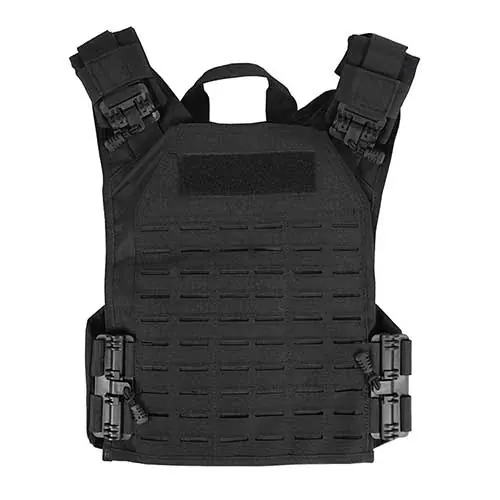
Black tactical plate carrier with MOLLE webbing and quick-release buckles

Bulletproof Vest

Polyester or nylon carrier with front and back pockets for armor plates

Specifications
curved gray body armor plate photographed at an angle

Bulletproof Plate

Rigid ballistic insert supplied in steel ceramic or UHMWPE at 0-25mm thickness

Specifications
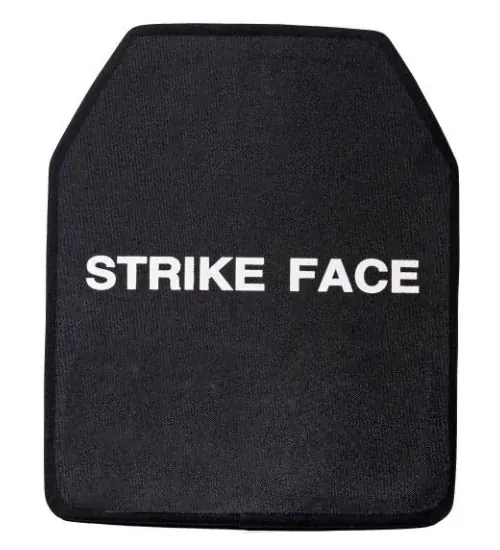
edge-on view of an armor plate showing its thickness

Ballistic Plate

Hard armor insert cut and curved to sit correctly in the plate carrier

Specifications
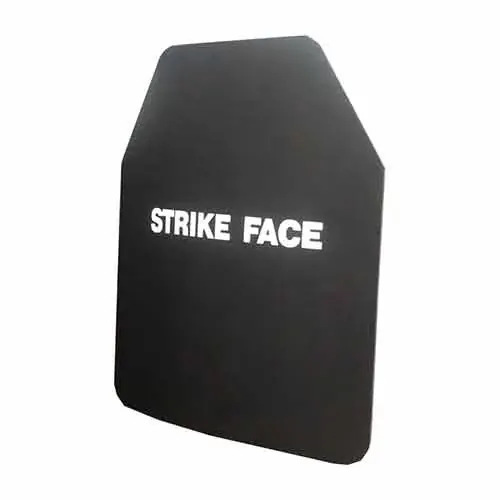
black rectangular body armor plate with cut corners

Body Armor Plate

Torso plates in 10 by 12 6 by 8 and 11 by 14 inch sizes for standard carriers

Specifications
Go Deeper

Industries and Guides Related to This Product

Black curved ballistic armor plate on a white background

Defense and Security

Vehicle armouring shops, security equipment makers and cash in transit builders buy armour steel against a protection level and a

Read more
large bright steel coil lying on a warehouse floor beside more coils

Automotive and Transport

Vehicle and trailer components fail on fatigue, not on a single overload, so the grade behind each part matters more than the pric

Read more

Need a Price on Armor Plate

Send the grade, thickness, width and quantity you need together with your destination port. A cutting list or drawing gets you a firmer number.