
Peristaltic And Dosing Pumps
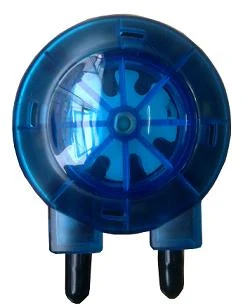
SK165 Peristaltic Pump
Tube pump for analytical instruments and feeding equipment.
View specifications →Product Lines
Centrifugal PumpsSanitary PumpsMicro Gear And Magnetic Drive PumpsPeristaltic And Dosing PumpsRubber Lobe PumpsProgressing Cavity PumpsGear PumpsHigh Temperature PumpsSubmersible Aerators And MixersStainless Steel Tanks And VesselsHigh Shear EmulsifiersMagnetic MixersDefoaming MachinesVinegar AcetatorsSanitary Valves And FittingsSanitary Manhole CoversStainless Steel Pipe FittingsIndustries
Water Supply And DrainageWastewater And SewageWater TreatmentChemical And PetrochemicalFood And BeveragePharmaceutical And BiotechPulp And PaperMining And MarineSolutions
Sanitary Process Line PackagesWastewater Aeration And MixingThermal Oil And Hot Water CircuitsChemical Dosing And TransferKnowledge CenterDocumentationAboutContactPeristaltic And Dosing Pumps
The same tube pump principle supplied for general feeding duty rather than for a specific instrument.
Overview
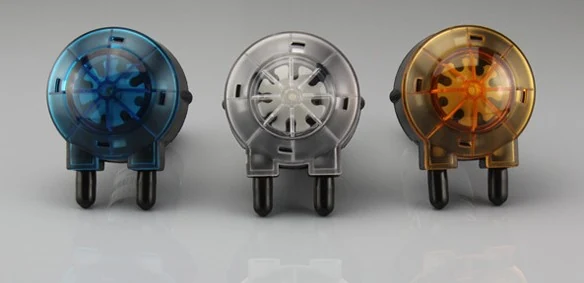
This is the SK165 tube pump supplied as a general purpose unit. Maximum tube size is 4.8 mm and maximum speed is 200 rpm, with tube thickness of 1 mm or 1.6 mm chosen for the duty.
It suits feeding equipment across food processing, laundry, printing, warewashing and car wash machinery, where a small liquid feed is needed and the chemical would attack a conventional pump.
| Maximum of tube | 4.8mm |
|---|---|
| Maximum speed | 200 rpm |
Key Benefits
Nothing to gas lock and nothing to leak, because the wetted path is a single length of tube.
A tube change needs no tools and no specialist, which suits equipment in the field.
Gas simply passes along the tube, which is where diaphragm pumps usually stop.
A small head that fits inside equipment or on a panel.
Application Scenarios
Feeding detergent or chemistry into a machine at a set rate.
Metering liquid additives without a pump body in contact with the product.
Supplying ink or coating to an application point.
A tube change is a two minute job for an operator, not a pump rebuild.
Compatibility is handled by choosing the tube compound rather than the entire pump.
Positive displacement by roller gives a consistent volume per revolution.
Technical Features
Specifications
Published tube pump data. State the liquid and the rate so tube bore and compound are selected correctly.
| Maximum of tube | 4.8mm |
|---|---|
| Maximum speed | 200 rpm |
Materials And Process
| SK165 peristaltic pump | The same head. This listing is the general purpose supply rather than the instrument oriented build. |
|---|---|
| Tube pump with stepper motor | Choose the stepper version when a controller must command an exact volume rather than a rate. |
Use Guide
Bore for the flow, compound for the chemical. Both matter equally.
Leave room to open the head, because that is where all maintenance happens.
Run the pump to prime the line and confirm the delivered rate at working speed.
Keep at least one spare set per pump so a change never waits on delivery.
Answers
4.8 mm, with tube thickness of 1 mm or 1.6 mm for selection.
Up to 200 rpm. Running slower with a larger tube usually gives longer tube life at the same flow.
No. The tube and rollers do everything, which is why there is nothing to gas lock.
Tube choice decides that. State the product and the standard required with the enquiry.
Yes, by changing tube bore or drive speed.
Related Equipment
The other tube pump builds and a gear pump alternative.
Peristaltic And Dosing Pumps
Tube pump for analytical instruments and feeding equipment.
View specifications →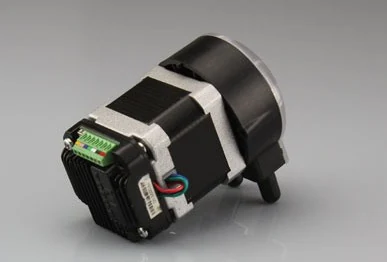
Peristaltic And Dosing Pumps
Stepper driven tube pump for counted volume dosing.
View specifications →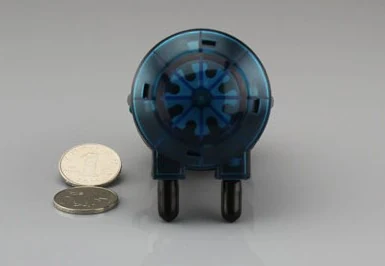
Peristaltic And Dosing Pumps
Peristaltic dosing build of the SK165 for chemical feed.
View specifications →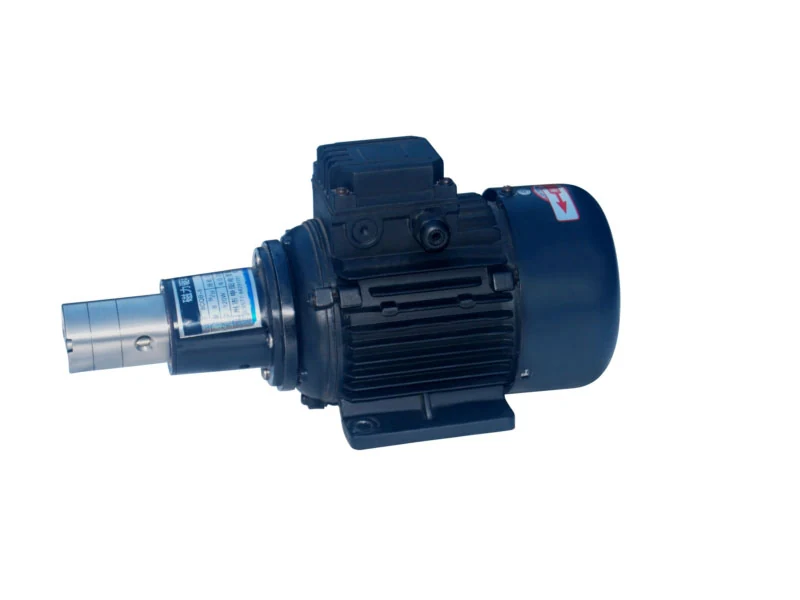
Micro Gear And Magnetic Drive Pumps
Compact magnetic drive gear pump for machine mounted duty.
View specifications →Keep Reading
Tell us the liquid and the rate and we will confirm the tube and supply spares with the pump.