
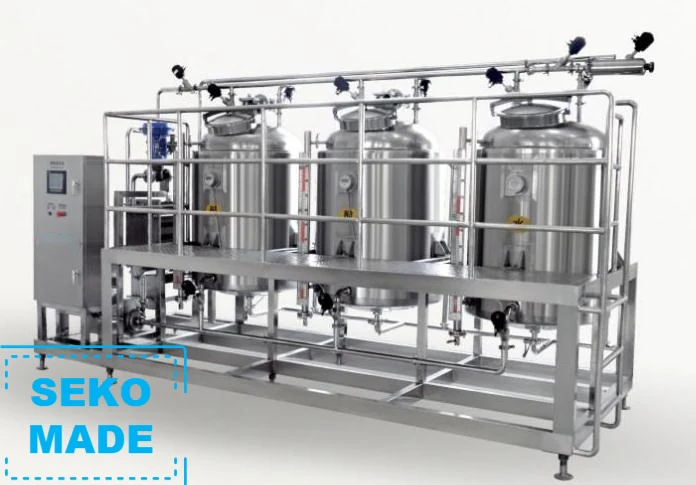
Stainless Steel Tanks And Vessels
CIP Tank
Clean in place vessels and skids with spray devices and pumps.
View specifications →Product Lines
Centrifugal PumpsSanitary PumpsMicro Gear And Magnetic Drive PumpsPeristaltic And Dosing PumpsRubber Lobe PumpsProgressing Cavity PumpsGear PumpsHigh Temperature PumpsSubmersible Aerators And MixersStainless Steel Tanks And VesselsHigh Shear EmulsifiersMagnetic MixersDefoaming MachinesVinegar AcetatorsSanitary Valves And FittingsSanitary Manhole CoversStainless Steel Pipe FittingsIndustries
Water Supply And DrainageWastewater And SewageWater TreatmentChemical And PetrochemicalFood And BeveragePharmaceutical And BiotechPulp And PaperMining And MarineSolutions
Sanitary Process Line PackagesWastewater Aeration And MixingThermal Oil And Hot Water CircuitsChemical Dosing And TransferKnowledge CenterDocumentationAboutContactSanitary Valves And Fittings
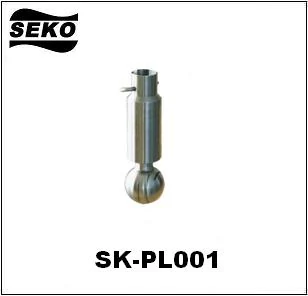
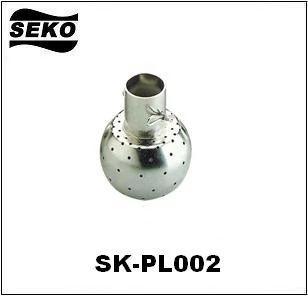
The part that actually cleans the tank: a drilled ball that spreads cleaning solution across the whole internal surface.
Overview
Spray balls are the main components for cleaning tanks and vessels such as storage tanks, CIP tanks and milk collecting trucks. Models SK-PL001 and SK-PL002 are supplied in SS304 or SS316L for DN15 to DN200 connections.
They are supplied to DIN, SMS, 3A, ISO and IDF standards with polished surfaces, and are specified together with the CIP pump and the cleaning cycle rather than as an afterthought.
| Model | Rotation or Fixed |
|---|
Key Benefits
Drilling pattern and position determine whether cleaning solution reaches the whole internal surface.
Ball size and connection are chosen for the tank diameter and the nozzle available.
Each device needs a defined flow and pressure, which is what the CIP pump has to deliver.
Vessels are built with the spray device specified, so coverage is designed rather than discovered.
Application Scenarios
Routine cleaning between batches and products.
Cleaning the cleaning vessels themselves.
Milk collecting trucks, IBCs and similar containers.
Agitator shafts and baffles block spray. Position and device count are what solve it.
An undersized or wrongly placed device means longer cycles and more chemical for the same result.
The top of the vessel is often the hardest area to reach and the first place a swab fails.
Technical Features
Specifications
Spray device selection depends on tank diameter, internals and the flow available. Send all three with the enquiry.
| Model | Rotation or Fixed |
|---|
Materials And Process
| Rotating tank washer | A rotating or orbital washer covers larger vessels and heavier soil. A fixed ball is simpler and has nothing to seize. |
|---|---|
| Manual cleaning | A fixed spray ball makes the cycle repeatable and recordable, which manual cleaning never is. |
Use Guide
Off centre mounting leaves shadows. Check position against the internals, not the empty shell.
Each device needs a defined flow and pressure to work. Size the CIP pump for it.
Use riboflavin or an equivalent method to prove coverage before production.
Blocked holes change the spray pattern. Check them at planned intervals.
Answers
SK-PL001 and SK-PL002 fixed spray balls, plus spray tank washers, jet, orbital and high pressure washers in the CIP range.
From the tank diameter, the internals and the flow your CIP pump can deliver. Send all three.
A vessel with agitator shafts and baffles often needs more than one to avoid shadows.
Yes, matched to the nozzle or manhole you already have.
It depends on the device and the tank. That figure is what sets the CIP pump duty, so ask before sizing the pump.
Related Equipment
Cleaning equipment and tank fittings ordered together.
Stainless Steel Tanks And Vessels
Clean in place vessels and skids with spray devices and pumps.
View specifications →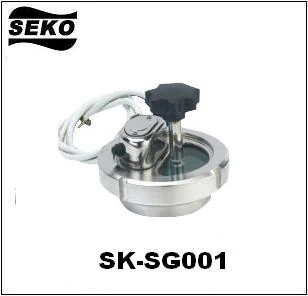
Sanitary Valves And Fittings
Inline sight glasses SK-SG001 and SK-SG002 for hygienic lines.
View specifications →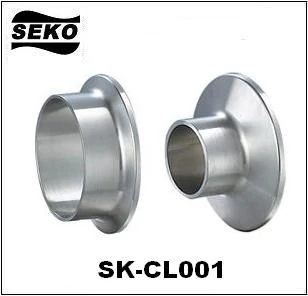
Sanitary Valves And Fittings
Clamps SK-CL001 to SK-CL003 with gaskets to match the line.
View specifications →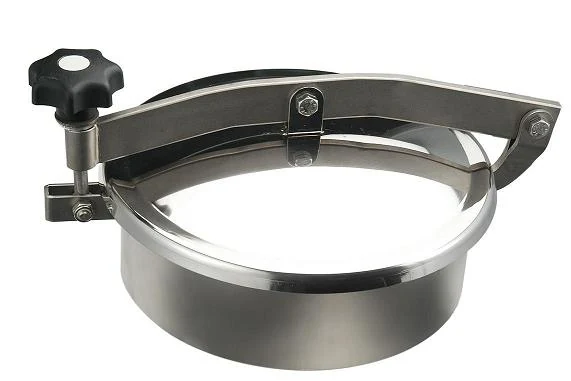
Sanitary Manhole Covers
Round stainless manhole covers for process and storage tanks.
View specifications →Send the tank diameter, the internals and the CIP flow available and we will select the device.