
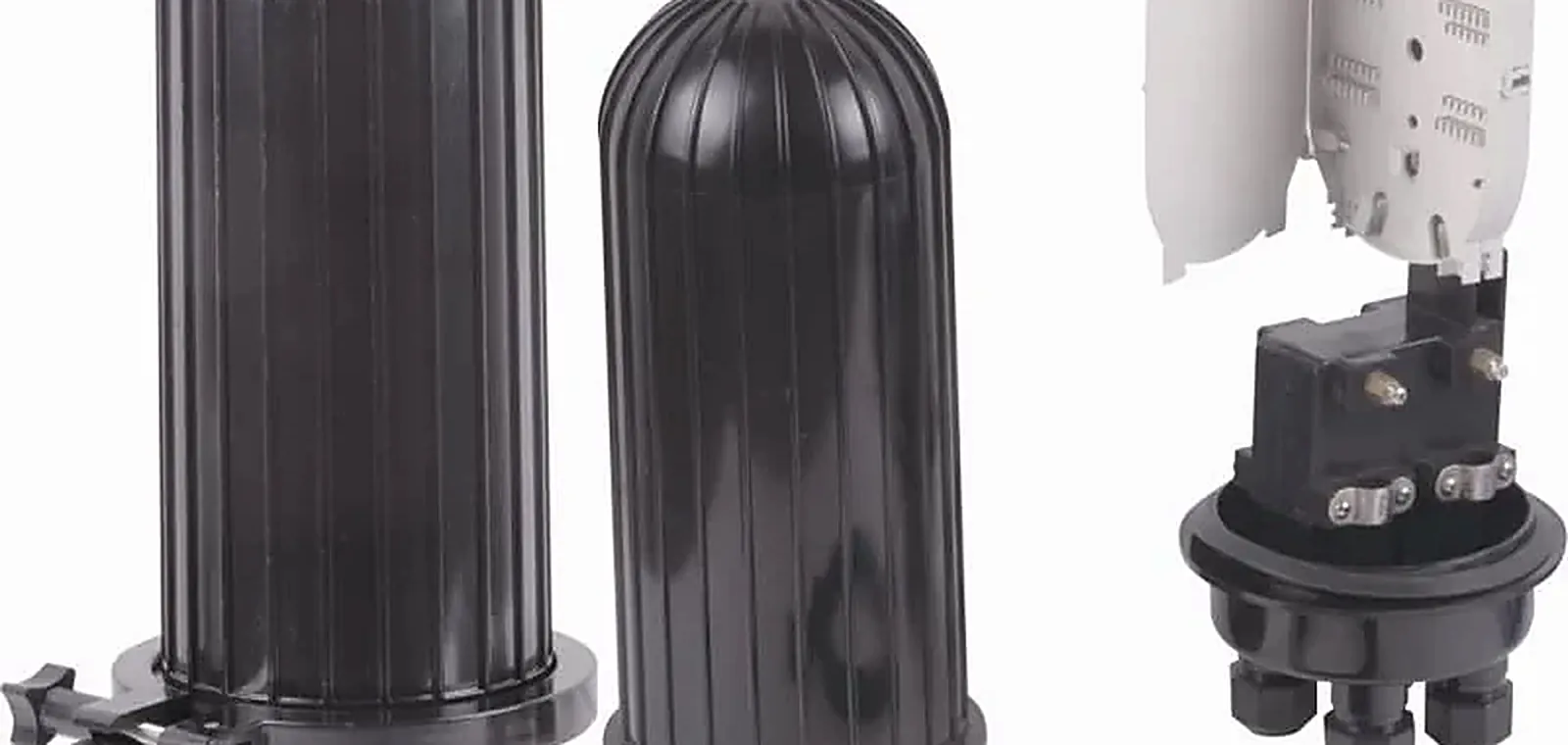
Choosing Between Dome and Horizontal Splice Closures
Cable geometry decides the format, capacity decides the size, and the reopening method decides what the next crew has to carry.
In This Guide
Cable Geometry Decides The Format
A horizontal closure takes cables in at both ends, which suits straight-through joints along duct and aerial routes. A dome closure takes everything in through one base plate, which suits pole mounting, wall mounting and hand holes where water has to run off rather than collect. Start from how the cables arrive, not from preference.
Browse our Horizontal FOSC range
Size For The End State
Capacity is set by tray count and tray type. The mistake almost everyone makes once is sizing for today's fiber count. A closure replaced two years later costs the closure, the splices, the truck roll and the outage, all of which dwarf the price difference at build time.
Reopening Is A Design Requirement
Outside plant closures get reopened: to add a branch, to add a subscriber, to restore after damage. A mechanical gasket and clamp seal can be opened and reclosed by any crew. Anything requiring heat shrink or specialist sealing means the next visit needs a specific person with specific equipment.
Entry Ports And Grommets
Ports have to be sized for the cables you actually deploy, including the drop cables that will arrive later. Unused ports must stay sealed; an open entry on an outside plant closure is the shortest path to water inside the trays.
Browse our FTTH Solution range
Working Without Disturbing Live Splices
Hinged, stackable trays let a crew reach a free position without lifting splices that are already in service. In an FTTH network where subscribers are connected progressively over years, this is the feature that determines whether later connections are routine or risky.
Browse our Various Pigtail range
Anchoring And Routing
Every cable's strength member has to be anchored to the closure body before any splicing, so that a pull on the cable never reaches the fiber. Inside, fiber follows the routing guides and slack is stored in the tray, above the minimum bend radius throughout.
Label It For Someone Who Was Not There
Tray numbers, position numbers and the cable references they carry. The crew that needs this information has not met the crew that installed the closure, and will be working in the dark on a ladder.
Questions This Guide Gets Asked
Dome or horizontal, how do I decide?
By how the cables arrive. Both ends of a straight-through joint means horizontal. Everything entering from below on a pole, a wall or a hand hole means dome.
Can closures be reopened later?
Yes, these use a mechanical gasket seal rather than heat shrink, so a later crew can open, splice and reseal without a torch.
How many fibres will one hold?
It depends on the tray count and tray type ordered. Tell us your planned end-state fiber count and we will confirm the configuration rather than leaving you to add trays in the field.
Are they suitable for hand holes and buried use?
The sealed bodies are intended for outside plant including hand holes. Confirm whether the installation may be submerged so the right sealing configuration is supplied.
Ranges Covered In This Guide
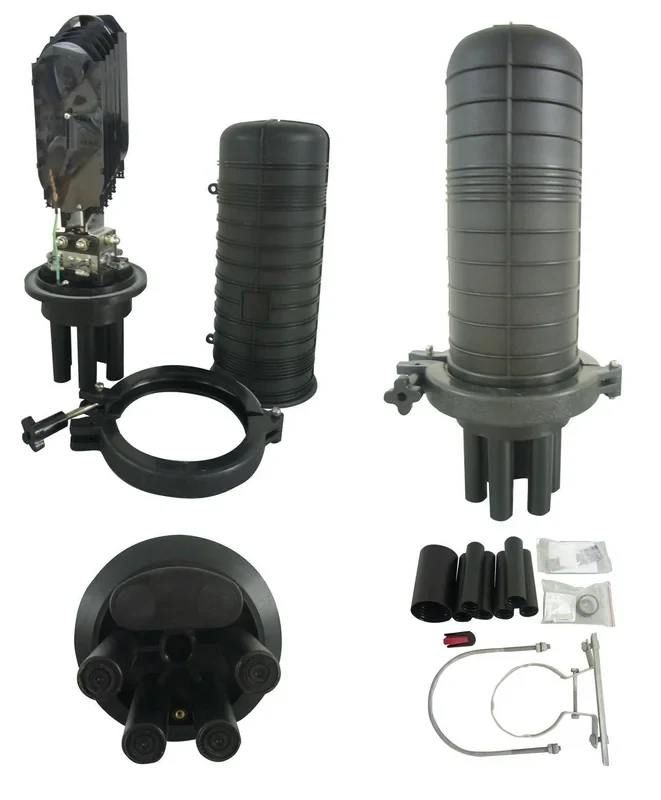
Dome FOSC
Vertical dome closures for pole, wall and hand-hole splice points
9 products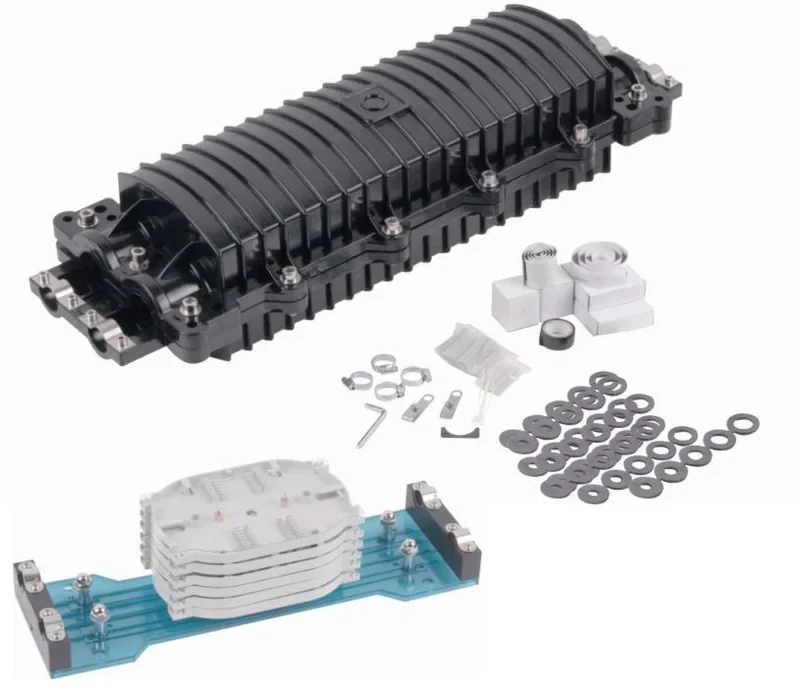
Horizontal FOSC
In-line splice closures for aerial, duct and direct-buried straight-through joints
8 products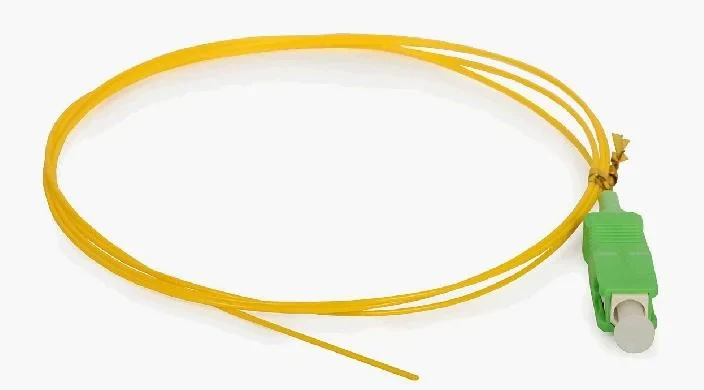
Various Pigtail
Pre-terminated tails that put the factory end face inside your splice tray
12 products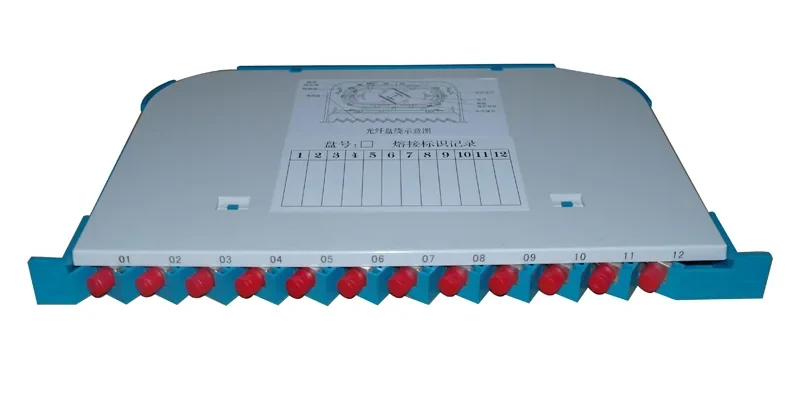
Accessories
The consumables and small parts an installation actually runs out of
11 products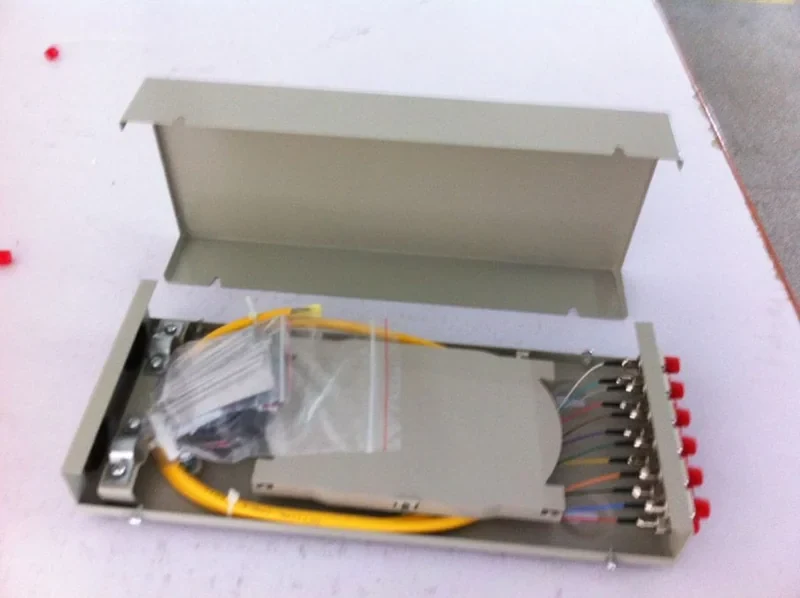
Terminal Box
Wall and pole distribution boxes between the feeder and the drops
7 productsIndustries and Solutions
Have A Specification To Check
Send the part, the drawing or the link budget. We will confirm what fits before you commit to an order.