
Choosing a Fiber Media Converter
Single fiber or dual fiber, fixed optics or SFP, standalone or chassis: four decisions that determine whether the link works and whether it scales.
In This Guide
Why Convert At All
Two reasons, and they are different. Distance, because twisted pair stops at a hundred meters. And isolation, because fiber carries no current, which removes ground potential differences and surge paths between buildings. The second reason is often the more valuable one and is frequently overlooked.
Browse our Fiber Optic Media Converter range
Single Fiber Or Dual Fiber
Dual fiber uses one strand per direction at the same wavelength. Single fiber carries both directions on one strand using two different wavelengths, which means the units must be bought and deployed as matched A and B pairs. Single fiber halves your fiber consumption and doubles the number of ways a spares cupboard can go wrong.
Fixed Optics Or SFP
Fixed optics are cheaper and simpler. SFP slots let you choose reach separately from the converter, so one model covers short multimode links and long single-mode spans, and reach can be changed later without replacing the unit. On a network that will grow, SFP is usually worth the difference.
Browse our Fiber Optic Patchcord range
Standalone Or Chassis
Below about six links, standalone units with individual power supplies are fine. Above that, a rack chassis consolidates converter cards into one managed space with shared power, which removes a pile of separate power adapters from the comms room floor.
Work The Optical Budget, Not The Map Distance
Reach specifications assume a loss budget, not a distance. Count the connectors, the splices and the actual route length, not the straight line on the site plan. A four hundred meter route through three patch panels is not a four hundred meter link.
Browse our Test Equipment range
Verify At Line Rate
A link that comes up is not a link that works. Duplex and speed mismatches on the copper side produce links that pass ping and collapse under load. Test at full line rate before handing over.
Power And Documentation
Where the link matters, power the converters from a protected supply, because a converter pair is a single point of failure for everything behind it. Label both ends with the pair reference so a future fault is not a search.
Questions This Guide Gets Asked
What is the difference between single fiber and dual fiber converters?
Dual fiber uses one strand per direction at the same wavelength. Single fiber uses one strand for both directions at two wavelengths, so units must be deployed as matched A and B pairs.
How far will a media converter reach?
It depends on the optics, the fiber mode and the loss of the actual route. Send us the distance, the fiber type and the number of connectors and splices and we will confirm the version that has the budget.
Do media converters need configuration?
Standard units operate without configuration. Check duplex and speed settings on the equipment they attach to, because a mismatch there is the most common cause of a link that comes up but performs badly.
When should I use a chassis instead of standalone units?
Above roughly six links. Shared power and a single managed enclosure beat a pile of individual power adapters in a comms room.
Ranges Covered In This Guide
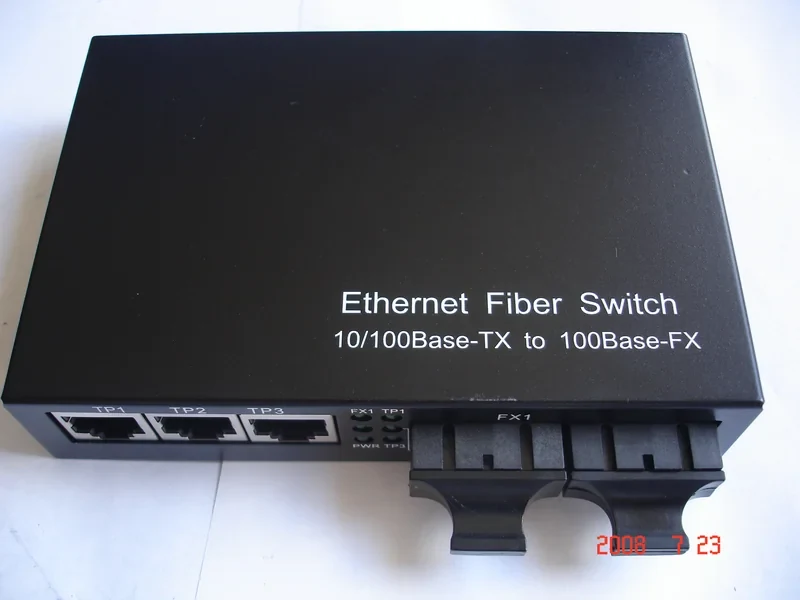
Fiber Optic Media Converter
Copper to fiber conversion where distance or interference rules out twisted pair
8 products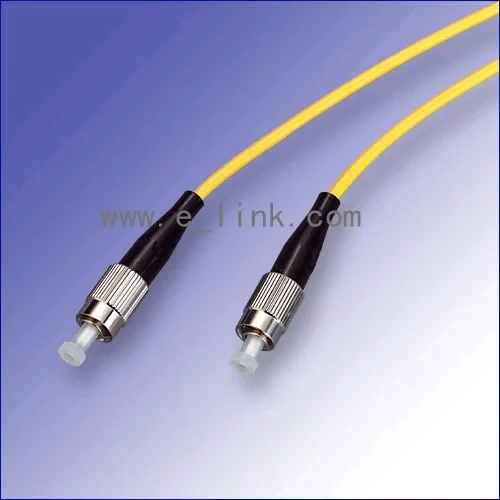
Fiber Optic Patchcord
Factory-terminated jumpers that turn a planned link budget into a working one
11 products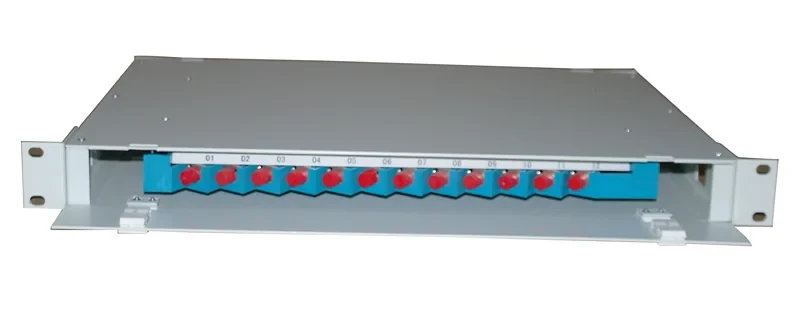
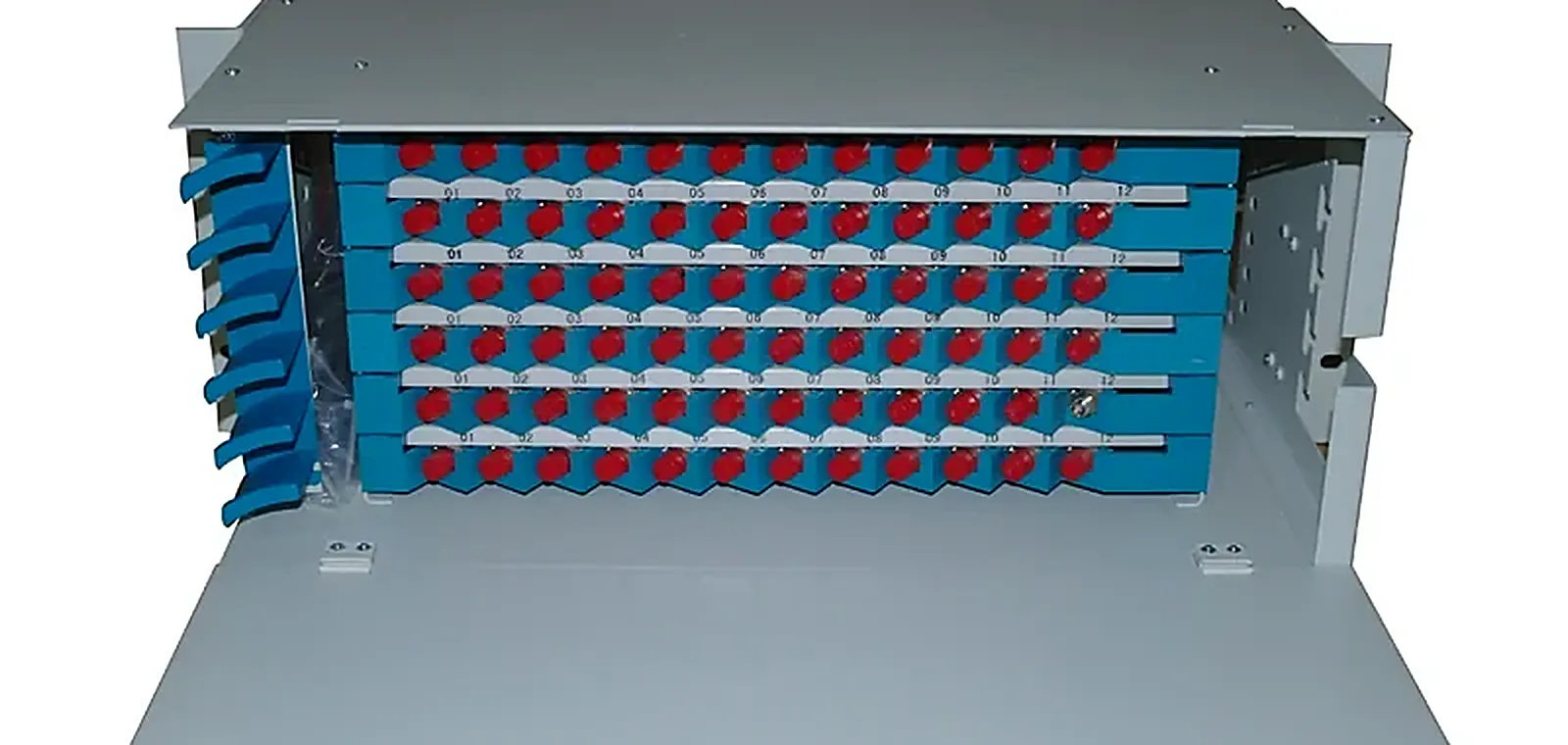
ODF
Rack-mounted optical distribution frames that make a fiber plant maintainable
7 products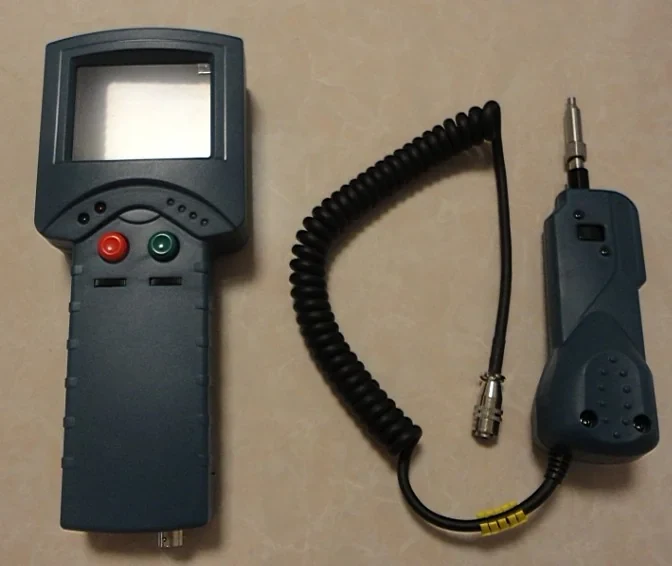
Test Equipment
Splicers, meters, identifiers and inspection tools for people who have to prove the link works
15 productsDeployment Profiles
Have A Specification To Check
Send the part, the drawing or the link budget. We will confirm what fits before you commit to an order.