
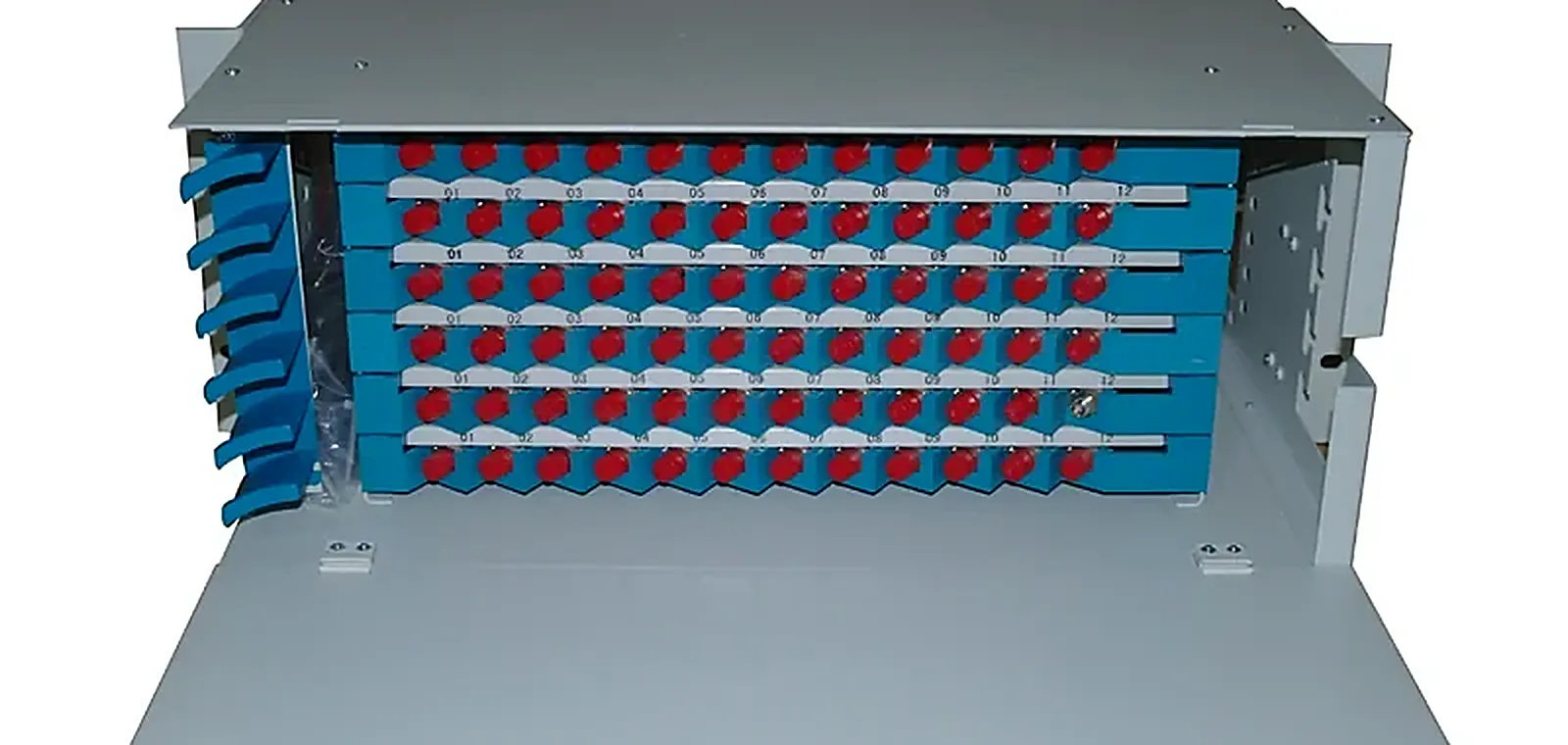
ODF Terminal Box and FTTH Termination Box Compared
Three enclosures that all hold fiber and adapters, separated by where they sit in the network and who opens them.
In This Guide
They Are Not Interchangeable
All three terminate fiber and present ports, which is why they get confused on bills of materials. What separates them is position in the network, port count, mounting and who is expected to open them. Getting it wrong usually shows up as a box that is either far too large for the space or far too small for the network.
ODF: The Frame In The Rack
An optical distribution frame is where incoming cable stops being cable and starts being ports. It lives in a 19 inch rack, holds from one to five rack units, and separates splicing, slack storage and patching into distinct zones so that patching a service never disturbs a splice.
Terminal Box: The Distribution Point
A terminal box sits between the closure and the premises, on a wall or a pole, where a feeder is spliced and broken out into subscriber ports. It is normally lockable, weather-sealed where it is outdoors, and sized by how many customers that street or building will eventually take.
FTTH Termination Box: The Subscriber End
This is the small box inside the premises where the drop stops. It protects the splice, holds a service loop and presents a port the modem cord plugs into. Its constraints are domestic: it has to be small enough for a subscriber to accept on their wall.
Browse our FTTH Termination Box range
Sizing Each One
Frames are sized by fiber count plus growth, then checked for whether cords can still be routed at that density. Terminal boxes are sized by final take-up on that distribution point. Termination boxes are sized by whether the premises might take a second service later. Two of those three are routinely undersized.
Who Opens It Changes The Specification
A frame is opened by trained staff in a controlled room, so it can be optimized for density and access. A terminal box in a stairwell is opened by whoever has a key, so it needs a lock and physical separation between splice and patch areas. A subscriber box may be opened by the subscriber, so it should present nothing but a port.
Buying Them Pre-Loaded
All three can be supplied with adapters and pigtails already fitted, with pigtail length cut to the enclosure. Field assembly time is the expensive kind, and pre-loading moves it into a workshop where it is done consistently.
Questions This Guide Gets Asked
Can I use a terminal box instead of an ODF in a small room?
For a handful of fibres, sometimes. But a terminal box does not give you the splice, slack and patch separation that makes a rack-mounted frame maintainable, and you will feel that the first time a service has to be re-patched.
How many ports should an FTTH termination box have?
Two is the normal single-service choice, four suits premises that may take a second service later. Adding the port at install is much cheaper than a return visit.
Can these be supplied pre-loaded with adapters and pigtails?
Yes, all three, with pigtail length cut to the enclosure and connector type and polish specified per order.
Which of these need to be lockable?
Anything in a communal or public area: risers, stairwells, street-level distribution. Boxes inside a private dwelling normally use a clip closure.
Ranges Covered In This Guide
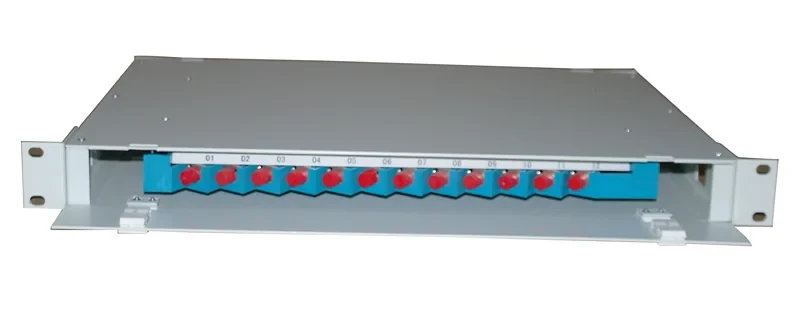
ODF
Rack-mounted optical distribution frames that make a fiber plant maintainable
7 products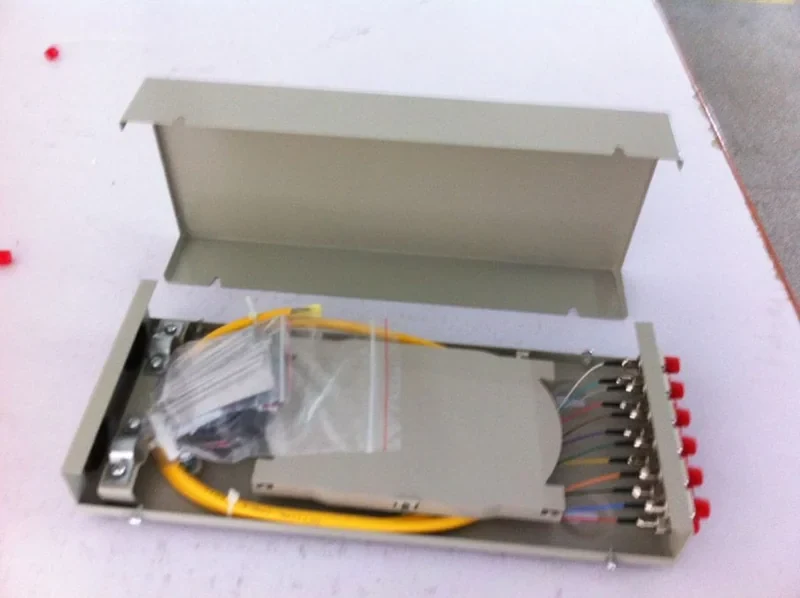
Terminal Box
Wall and pole distribution boxes between the feeder and the drops
7 products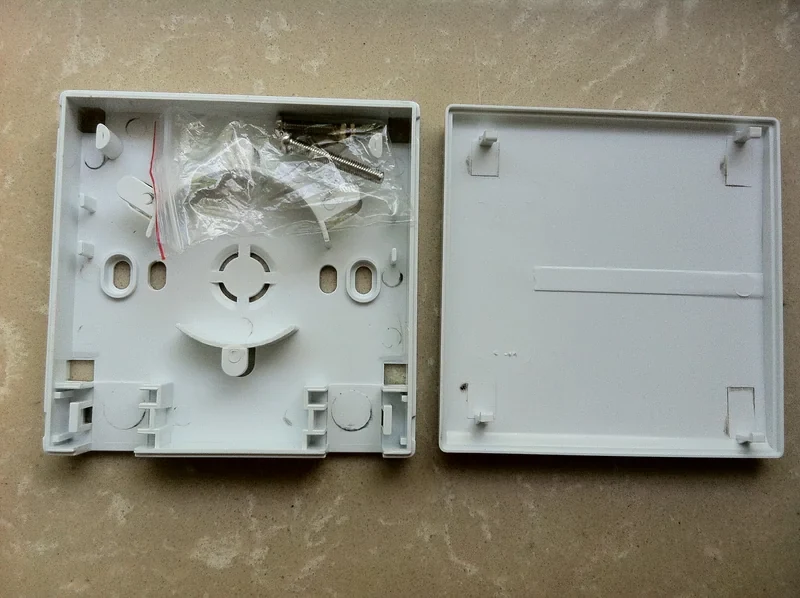
FTTH Termination Box
Compact subscriber-side boxes that end the drop and present a clean port
5 products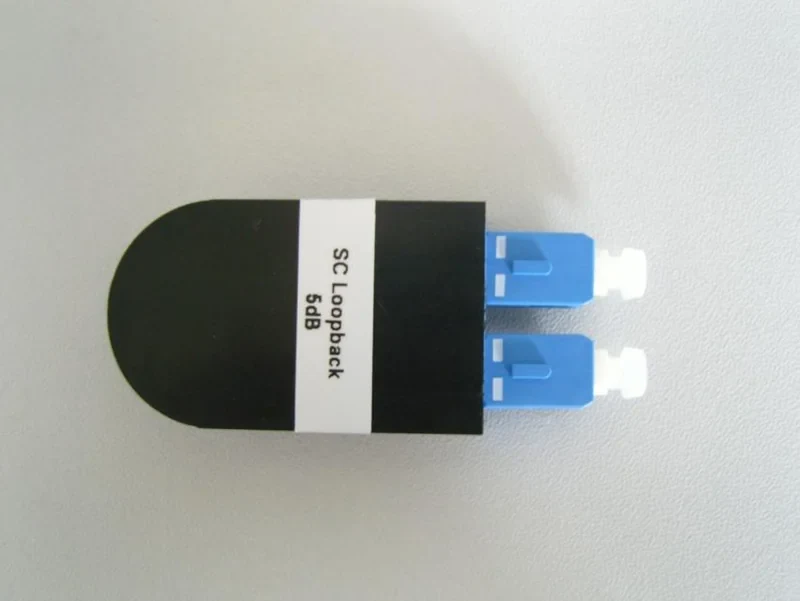
Face Plate
Wall outlets that present a fiber port where the user actually is
11 products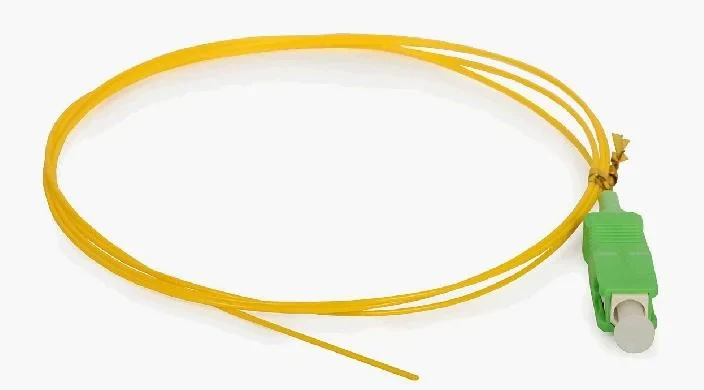
Various Pigtail
Pre-terminated tails that put the factory end face inside your splice tray
12 productsIndustries and Solutions
Have A Specification To Check
Send the part, the drawing or the link budget. We will confirm what fits before you commit to an order.