
Buyer Guides And Technical Notes On Amino Acid Fertilizer
28 articles on grade selection, dosage, timing, compatibility, storage, documentation and sourcing, written for formulators and importers rather than for growers.
Amino Acid 45: Practical Advantages and Real Limits
What a 45% total amino acid grade actually offers a formulator, what it cannot do, and the specifications to verify first.
Read more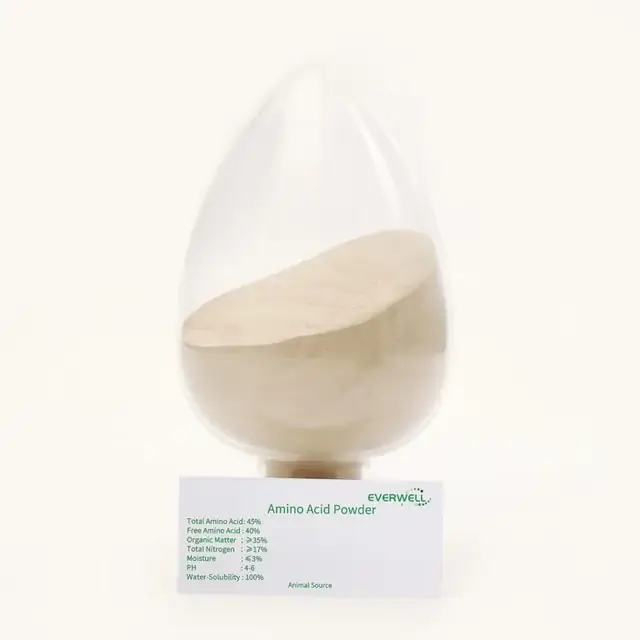
Amino Acid 45 Explained: Composition, Uses, Buyer Checks
How a 45% grade is defined and produced, where it fits in formulations, and the analytical checks that make two offers comparable.
Read more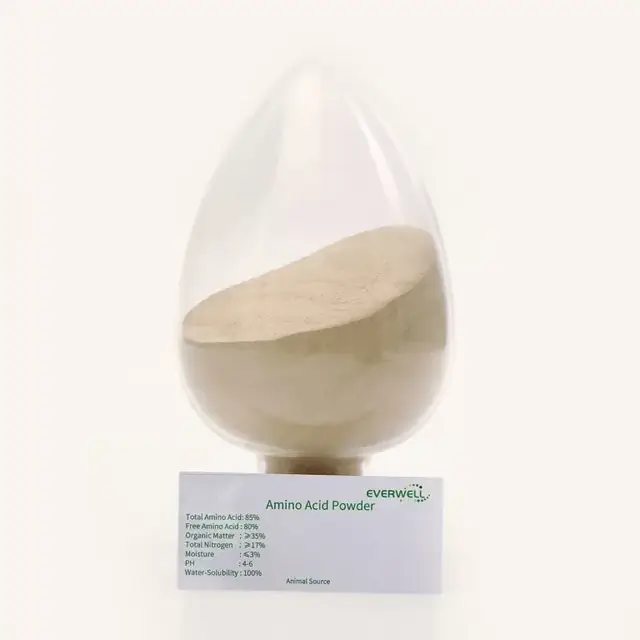
Amino Acid 80 Explained: Composition and Formulation Use
What an 80% total amino acid grade delivers per kilogram, where concentration helps, and why higher is not automatically better.
Read more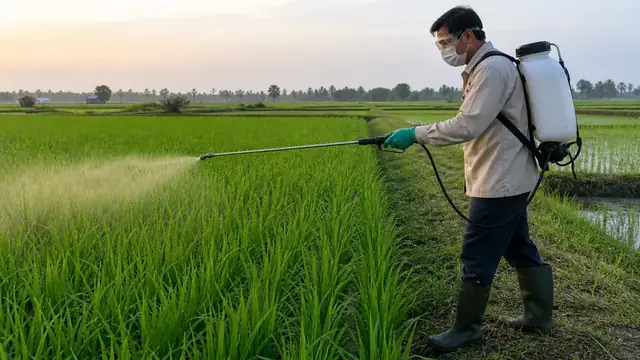
Amino Acid Fertilizer for Rice: A Practical Foliar Guide
How to evaluate an amino acid powder in rice by growth stage, set a safe starting rate and calibrate the spray without over-claiming.
Read more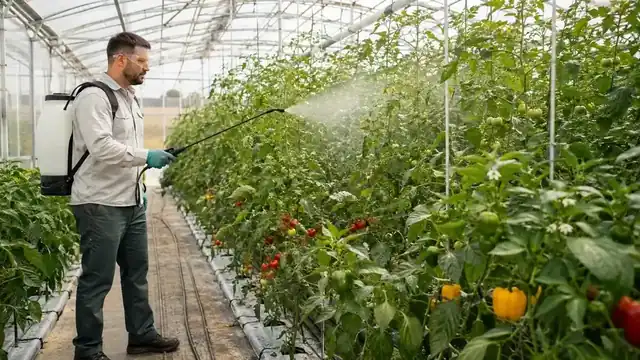
Amino Acid Fertilizer for Vegetables: Foliar Guide by Crop
Evaluation windows, rate calculation and spray practice for protein hydrolysates across fruiting, leafy, cucurbit, root and legume vegetables.
Read more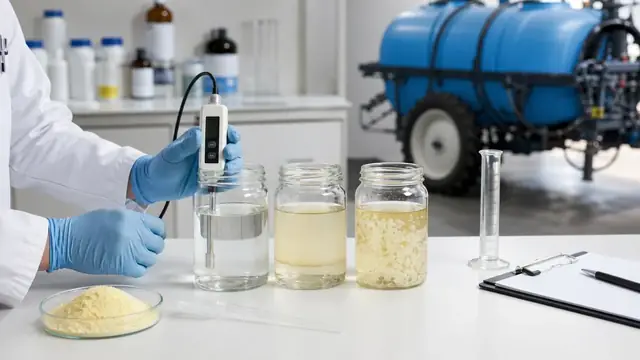
Mixing Amino Acid Powder: A Safer Compatibility Guide
Why category-level compatibility claims fail, how labels and water quality govern the answer, and how to run a jar test that means something.
Read more
Amino Acid Powder Shelf Life and Storage: A Buyer's Guide
What shelf life, expiry and retest dates actually mean, how to store sealed and opened bags, and how to judge caking without guessing.
Read more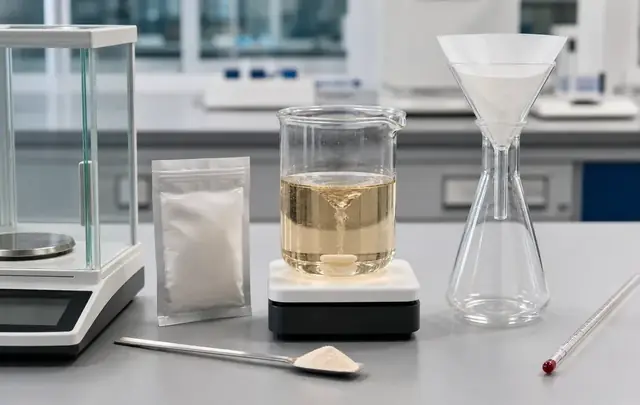
Amino Acid Powder Solubility: Testing and Mixing Guide
How to read a water-solubility claim, specify a defensible insoluble-residue method, and run a jar test that reflects real tank conditions.
Read more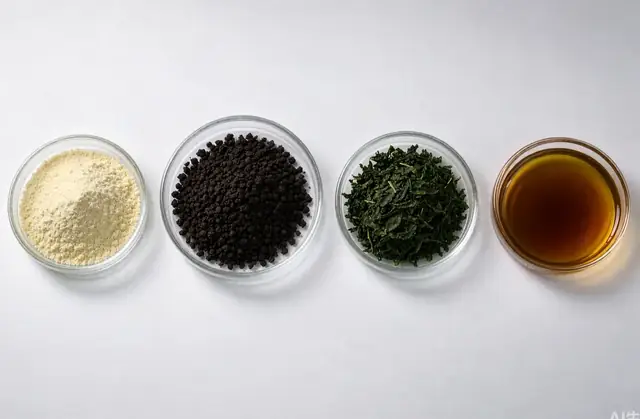
Amino Acid vs Humic, Seaweed and Fish Hydrolysate
Four biostimulant categories, what each actually contains, and the buyer checks that decide which one belongs in your formulation.
Read more
Where Compound Amino Acid Powder Is Used: Four Applications
The four working roles of compound amino acid powder in agriculture, and what each one implies for grade choice and documentation.
Read more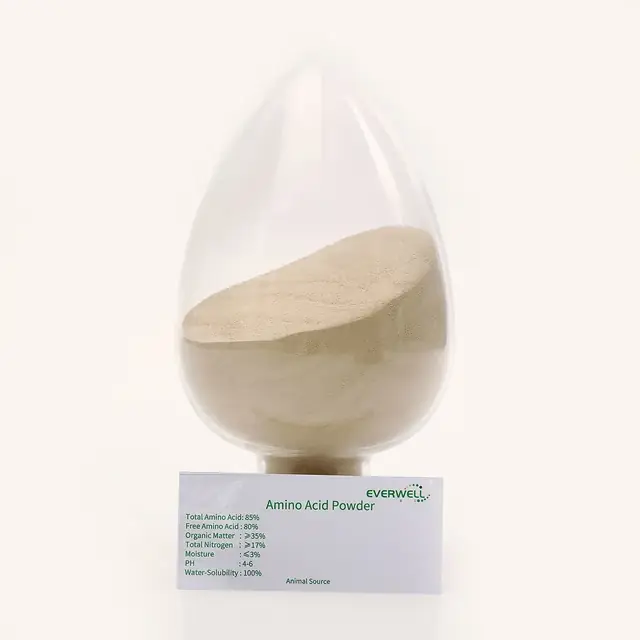
Benefits of Animal-Source Compound Amino Acid Powder in Fertilizer
Four documented benefits of animal-source compound amino acid powder as a fertilizer input, and how to verify each one before formulating.
Read more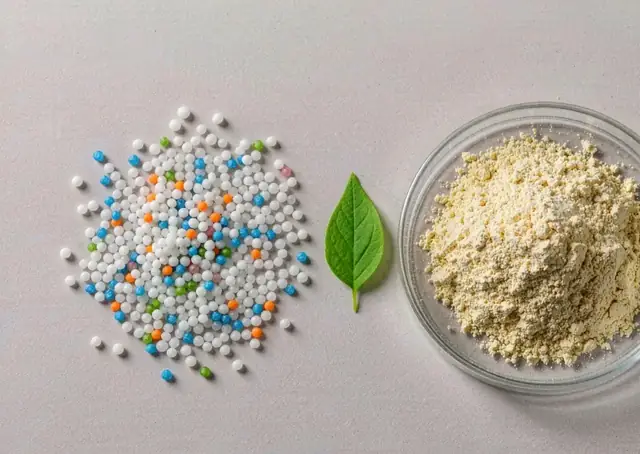
Can Amino Acid Fertilizer Replace NPK? An Evaluation Framework
Why no universal NPK-reduction percentage is defensible, and a nutrient-by-nutrient process for evaluating an amino acid product alongside a fertilizer programme.
Read more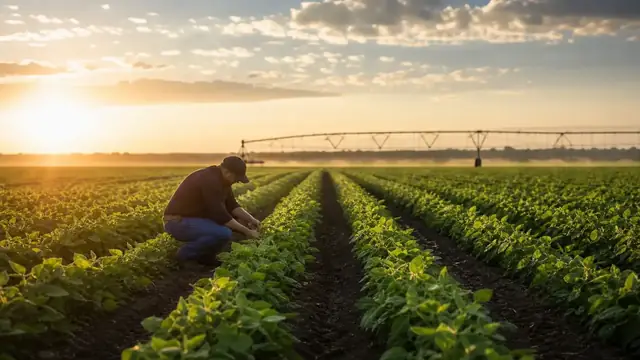
How to Choose 35%, 45% or 80% Compound Amino Acid Powder
A grade-by-grade comparison of Amino Acids 35, 45 and 80, with the cost, nitrogen and solubility checks that should decide the purchase.
Read more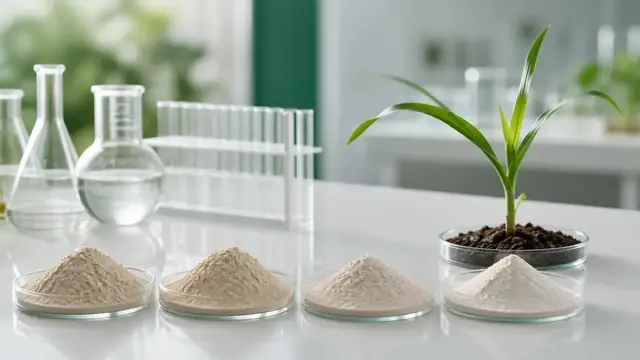
Choosing an Amino Acid Powder Grade for Fertilizer Formulation
AA35, AA45, AA50 and AA80 positioned against formulation objectives, with the specification lines and bench tests that should decide the choice.
Read more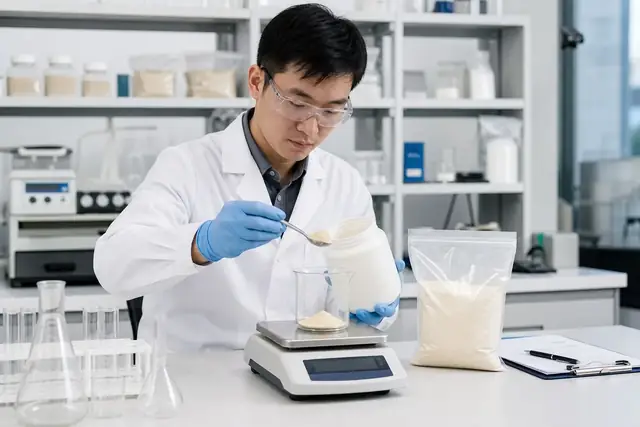
Documents to Request Before Buying Amino Acid Powder
The document set a buyer should collect before ordering compound amino acid powder, and what each one actually proves.
Read more
Environmental Considerations for Amino Acid Powder Use
How to account for nitrogen loading, runoff, salts and manufacturing footprint before making an environmental claim about amino acid powder.
Read more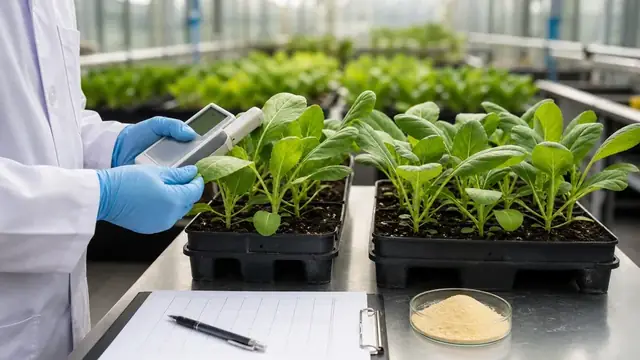
How Long Does Amino Acid Fertilizer Take to Work?
A staged monitoring timeline for judging whether an amino acid fertilizer has delivered a useful response, from application day to harvest.
Read more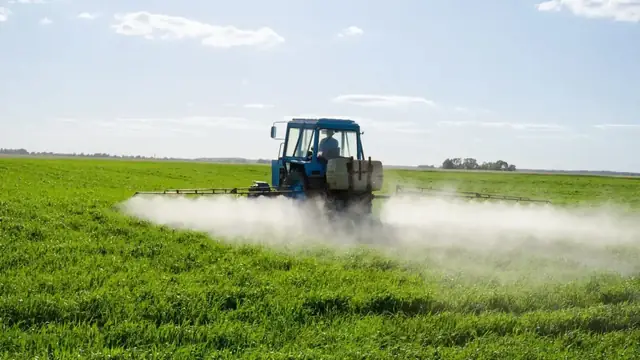
How to Apply Compound Amino Acid Powder Safely
A trial-based framework for foliar, fertigation and root-zone use, including jar testing, crop safety checks and dosage priority.
Read more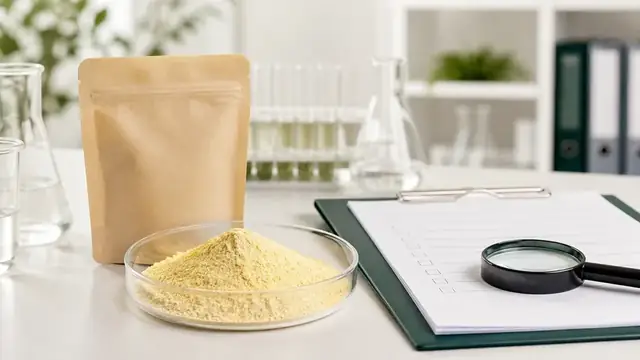
Is Amino Acid Powder Allowed in Organic Farming?
How NOP, OMRI, EU organic rules and JAS treat amino acid and protein-hydrolysate inputs, and which documents a buyer must request.
Read more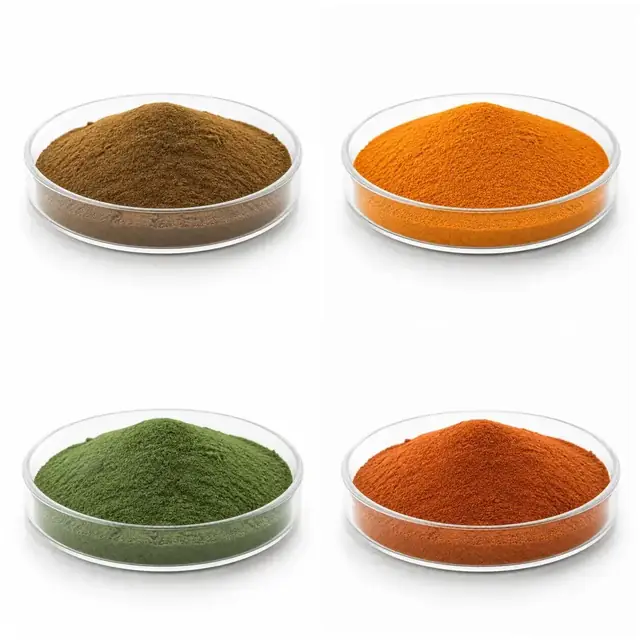
Mixed-SKU FCL Consolidation for Fertilizer Inputs
How several fertilizer raw materials can be loaded into one buyer-dedicated container at the Suzhou warehouse, with no consolidation fee.
Read more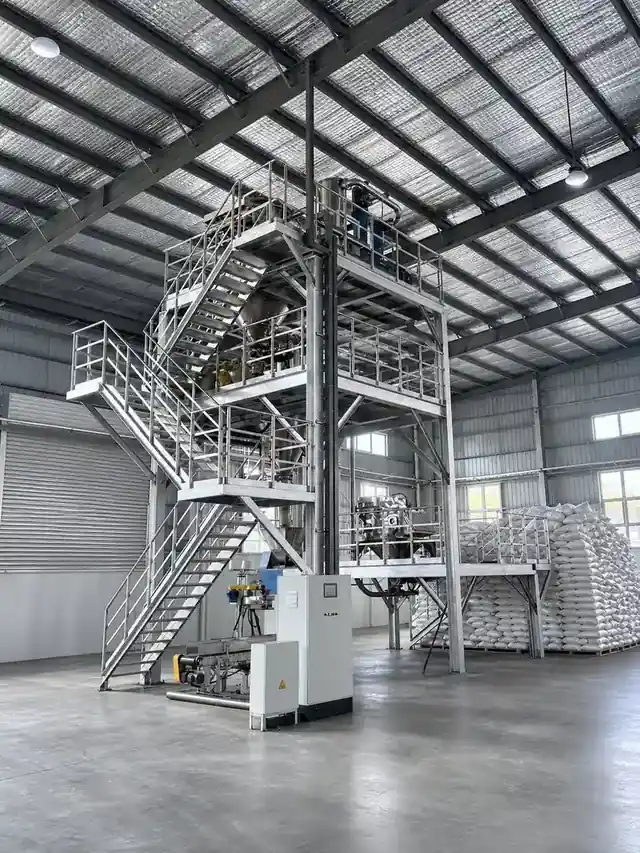
Everwell Bio Adds Production and Packaging Capacity
New liquid-handling tanks and automated bagging equipment are commissioned and running at the Suzhou facility, with specifications unchanged.
Read more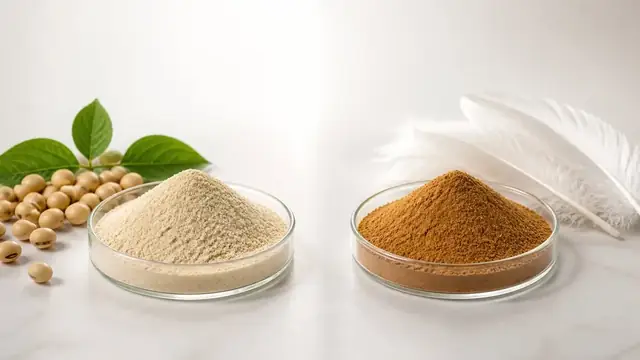
Plant vs Animal Source Amino Acid Powder for Fertilizer
How soy, corn, feather, fish and collagen hydrolysates really differ, and why the finished specification decides more than the protein source.
Read more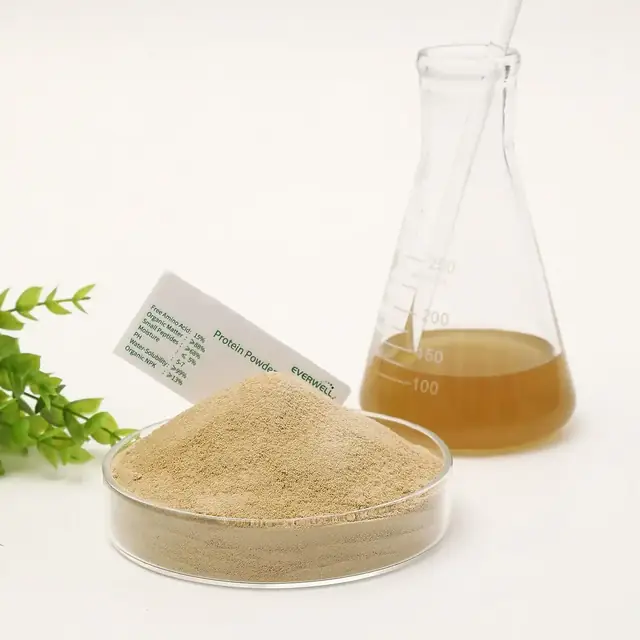
Hydrolyzed Protein Powder: Composition, Uses, Compliance
What a 90% crude protein cattle-bone hydrolysate is, how it differs from amino acid powder, and what each end use still requires you to prove.
Read more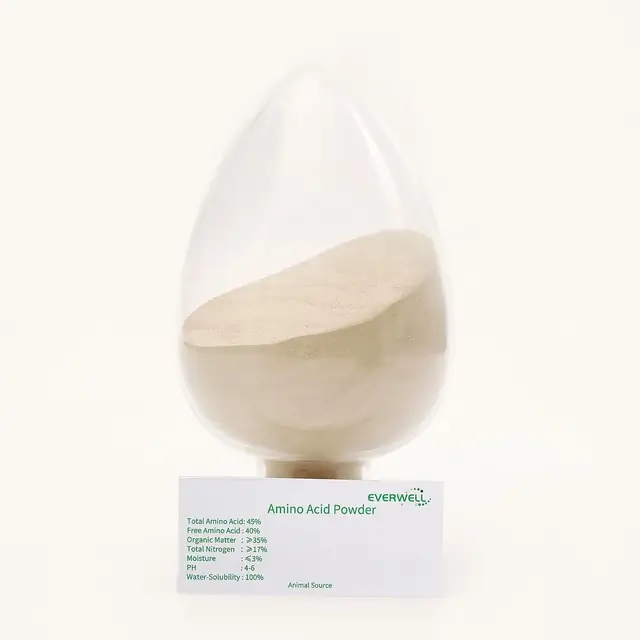
Recommended Dosage for Compound Amino Acid Powder
Starting foliar and soil rates for compound amino acid powder, how to convert them into a real programme, and why the grade changes the arithmetic.
Read more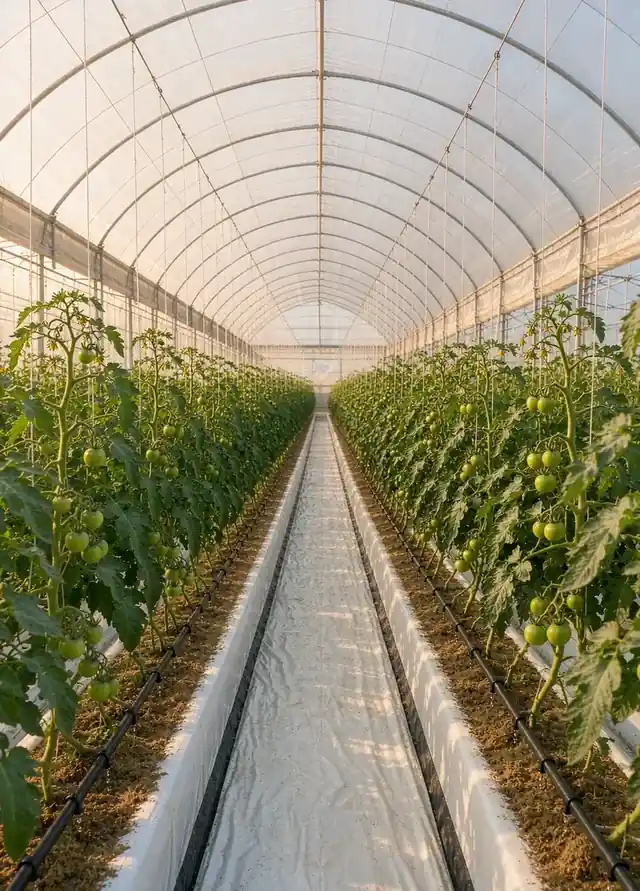
Sourcing Amino Acid Powder for Fertilizer in Turkiye
A procurement guide for Turkish importers and formulators: grade selection, drip-irrigation testing, documents, GTIP questions, HALAL and shipping terms.
Read more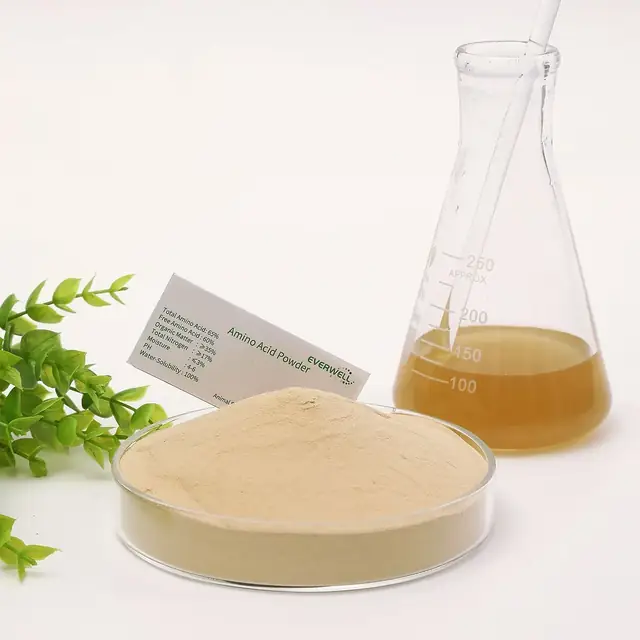
What Is Compound Amino Acid Powder? A Buyer's Guide
What compound amino acid powder actually is, why the grade number alone does not qualify it, and the documents to request before you buy.
Read more
When to Apply Amino Acid Fertilizer: A Timing Guide
Why there is no universal application date, which windows are worth testing locally, and the safeguards that keep a timing decision crop-safe.
Read more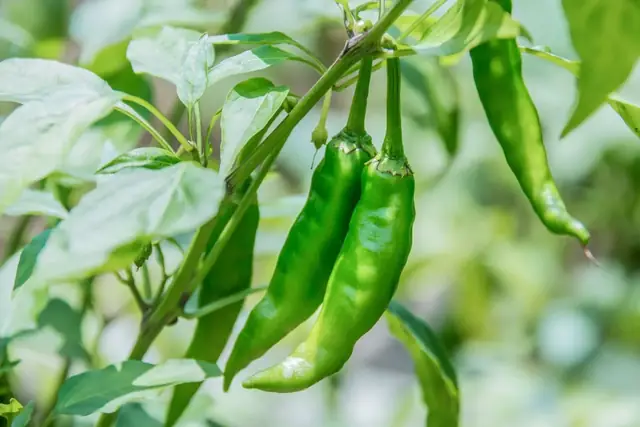
Which Crops Benefit Most From Amino Acid Fertilizer
The crop groups most often formulated for with compound amino acid powder, and how to qualify a grade for each of them.
Read moreAbout The Knowledge Centre
Where should a new buyer start?
With What Is Compound Amino Acid Powder, then How To Choose 35%, 45% Or 80%, then Documents To Request Before Buying.
Are these articles about your own products?
Most are. The grade explanations, dosage and application guides all describe the powders we manufacture; the sourcing and documentation guides apply to any supplier.
Can I ask a question that is not covered here?
Yes. Email it and it reaches the export and technical team directly.
Do the articles give binding recommendations?
No. Rates and timings are starting points. Final dosage and compatibility must be validated for your crop, formulation, water quality, application method and local regulations.
Have A Question We Have Not Written Up
Send it over. Technical questions reach the people who run the line, not a call centre.