
Mixed-SKU FCL Consolidation for Fertilizer Inputs
If you are already buying amino acid powder, the other raw materials for the same product line can travel in the same container, quoted together and consolidated free of charge. This guide explains how mixed-SKU FCL consolidation differs from true LCL, which complementary products can be loaded, and what the service does and does not change about customs clearance at your end.
What the Service Is, and How It Differs From LCL
Distributors and formulators in Latin America, the Middle East, Southeast Asia and Europe usually source more than one input from China. Running that through two or three separate suppliers means two or three price negotiations, two or three container bookings and two or three customs files, which is expensive and slow.
Mixed-SKU FCL consolidation removes that friction by combining several SKUs into one FCL container dedicated to a single buyer, shipped under one exporter and shipper, and loaded at the Suzhou warehouse. True LCL works differently: a freight forwarder consolidates cargo from several different shippers into one container and deconsolidates it at a container freight station at the destination port. Where an order does not fill a container, small-batch LCL can be arranged through a freight partner, but the service described here is mixed-product FCL, meaning one buyer, multiple SKUs, one full container.
Why the Service Exists
Most buyers of compound amino acid powder are not buying it in isolation. They are building a foliar or fertigation product line, so they also need humic or fulvic carriers, seaweed for biostimulant blends, or a lignosulphonate chelating agent. Sourcing each from a different factory means a separate price negotiation, a separate production lead time, a separate shipment and a second or third customs file at the destination.
Consolidating those inputs into a single 20 ft or 40 ft container changes the commercial shape of the purchase, and because there is no consolidation fee, the customer pays for the freight and the raw materials only.
- One commercial counterparty for the full basket of raw materials needed to launch a product line.
- One shipping line booking and one freight cost instead of two or three.
- One shipment file instead of several, reducing duplicate shipping paperwork.
- One payment by a single wire transfer, simplifying accounting and foreign exchange handling.
Complementary Products Available in the Same Container
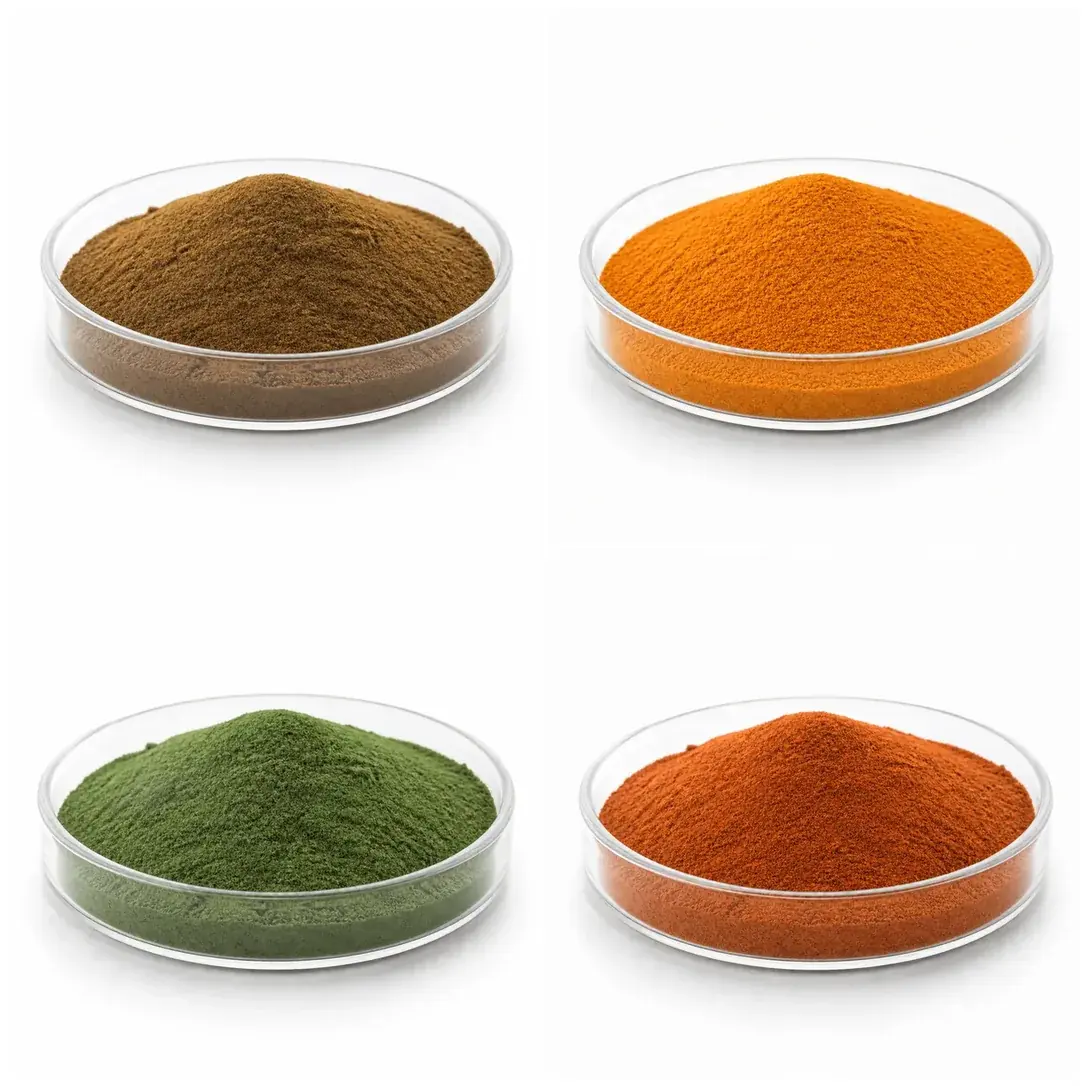
When you order compound amino acid powder in the AA35, AA45 or AA80 grade, four complementary products can be quoted and loaded into the same container at competitive prices. All four come through qualified partner suppliers, are consolidated at the Suzhou warehouse, and are then quoted and loaded alongside the amino acid powder order.
Fulvic Acid 50% is a mid-grade fulvic acid extracted from leonardite, typically containing 50% active fulvic content on a dry basis as certified in the batch COA, with the test method available on request. It serves as a foliar carrier and a soil conditioner in fertigation blends, chelating micronutrients in slightly acidic irrigation water and supporting nutrient availability and root-zone conditions. Indicative starting range is 2 to 5 kg/ha in drip irrigation, or 1 to 2 g/L in foliar spray, packed in 25 kg or 20 kg kraft bags on pallets.
Super Fulvic Acid 90% is a high-purity grade at 90% active content on a dry basis, tested by the same method as the 50% grade and certified in the batch COA. It suits formulators who need more active ingredient per kilogram of finished product. Solubility, effective dosage and finished-blend performance should be verified against the batch TDS and COA rather than inferred from the percentage. Indicative starting range is 0.5 to 2 g/L in foliar spray and 1 to 3 kg/ha in hydroponic and high-value fertigation programmes, packed in 25 kg or 20 kg kraft bags.
Seaweed Extract 30% is a cold-water extract of the brown seaweed Ascophyllum nodosum, standardised to 30% alginic acid on a dry basis as certified in the supplier TDS and COA, with other assay bases available on request. It contains alginates, mannitol, betaines and other bioactive compounds that may influence endogenous plant signalling and stress responses. Indicative starting range is 1 to 2 kg/ha foliar and 3 to 5 kg/ha fertigation, packed in 25 kg or 20 kg kraft bags.
Potassium Ligno Sulphonate 60% is a refined lignosulphonate at 60% active content, a by-product of the paper industry used widely in fertiliser formulation as a binder, dispersant and complexing agent in water-soluble NPK, micronutrient and suspension fertilisers. Anti-caking behaviour and any specific addition rate should be confirmed against the supplier's technical data; an indicative starting range is 3 to 8% of formulation weight, packed in 25 kg or 20 kg kraft bags.
All application rates above are indicative starting points. Final dosage and compatibility should be validated against the crop, the formulation, water quality, application method, local regulations and the product-specific TDS. Other dry fertilizer inputs, including NPK water-soluble grades, humic acid, potassium humate and EDTA chelated micronutrients, can also be quoted on request.
How the Consolidation Works
The process runs on the existing export workflow rather than a separate one. Send your basket first, specifying the products, the grade for each and the quantity in tons or in 25 kg or 20 kg bags per SKU. There is no minimum on the complementary products provided the total container reaches a sensible load.
You then receive one quotation covering each product priced individually, plus a consolidation line shown free of charge. Quotes can be issued FCA Suzhou warehouse, FOB Shanghai, CIF destination port or on other agreed Incoterms 2020 terms, and for containerised shipments handed to the carrier before vessel loading, FCA or CIP may be more appropriate than FOB or CIF. The full SKU breakdown appears on the packing list and commercial invoice, while the bill of lading description follows what the shipping line accepts.
From there it is one production plan, with production or stock release coordinated for each product and a single ready date confirmed; one container load at the Suzhou yard, with all pallets loaded into the same container, proper separation between SKUs and clear pallet labels; and one set of export documents, comprising a commercial invoice, a packing list and a COA for each SKU. A single certificate of origin can be issued where the products' origin, manufacturer, destination country and any applicable preferential-trade rules allow it; otherwise origin documents are issued per product or per supplier.
What Consolidation Does Not Change
One shipment and one bill of lading do not guarantee a single customs declaration or a single inspection at the destination. Declarations, inspections, registrations and permits follow the destination country's rules and the HS classification of each individual product, so a four-SKU container may still generate more than one clearance process.
Consolidation reduces duplicate shipping paperwork and freight movements. It does not reduce regulatory obligations, and it should not be presented internally as though it did. Confirm the clearance path with your customs broker for each product in the basket before the container is booked.
An Example Load
For illustration only, a 40 ft high-cube container of around 27 tons might be split as shown below. The actual split depends on your order and on packaging choices, which may be 25 kg bags, 20 kg bags, 1,000 kg jumbo bags or a mix of formats.
Final payload and SKU split also depend on the container maximum gross weight, product density, pallet dimensions and stacking limits, so treat the figures as a starting point for a loading plan rather than a fixed template.
Illustrative 40 ft high-cube load of approximately 27 tons
| Product | Quantity |
|---|---|
| Amino Acid Powder 80% | 20 tons |
| Fulvic Acid 50% | 4 tons |
| Seaweed Extract 30% | 2 tons |
| Potassium Ligno Sulphonate 60% | 1 ton |
Conclusion
Send your full basket list, with the grade and the quantity per SKU in tons or in bags, and you will receive a single combined quotation covering each product priced individually plus a free consolidation line, on FCA, FOB, CIF or other agreed Incoterms 2020 terms. Email [email protected] with the products, quantities, packaging format and destination port to start the quotation.
Products Discussed In This Article
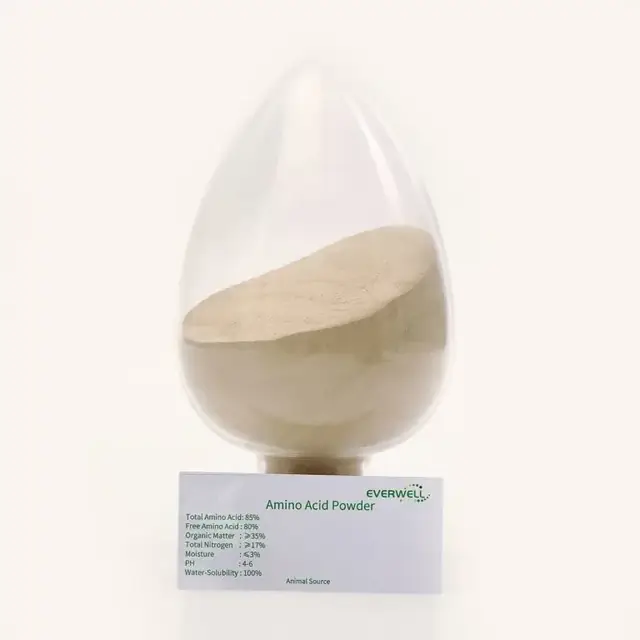
Amino Acids 80
The density grade: ≥ 80% total amino acids, ≥ 80% organic matter, and 75.37% free amino acids measured by Eurofins. Glycine and proline rich, for conc
View specification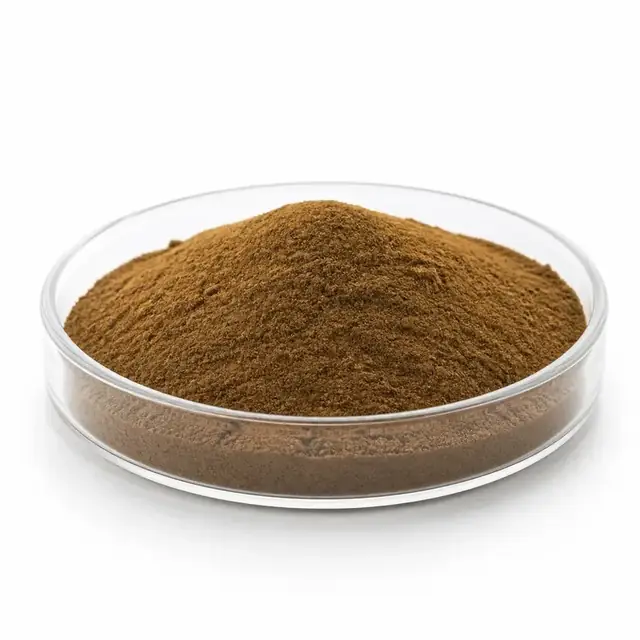
Fulvic Acid 50%
A mid-grade fulvic acid at ≥ 50% active content on a dry basis, supplied through our qualified partner network and consolidated into the same containe
View specification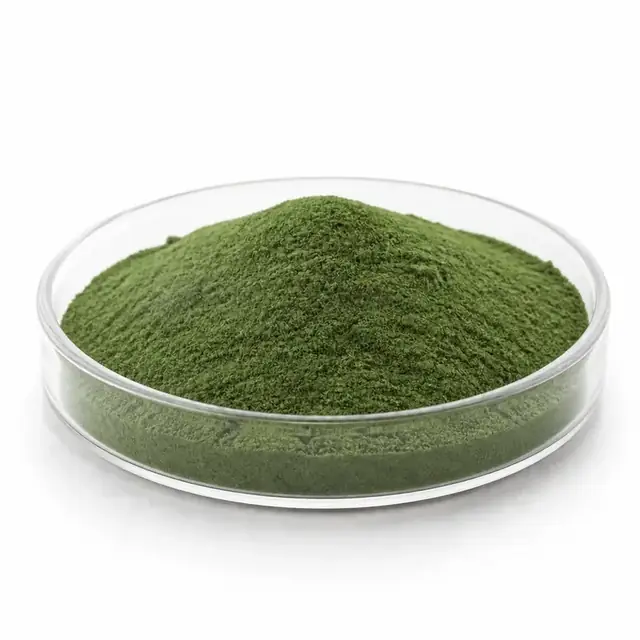
Seaweed Extract 30%
A cold-water extract of brown seaweed standardised to 30% alginic acid on a dry basis, carrying alginates, mannitol and betaines, supplied through the
View specificationRelated Articles
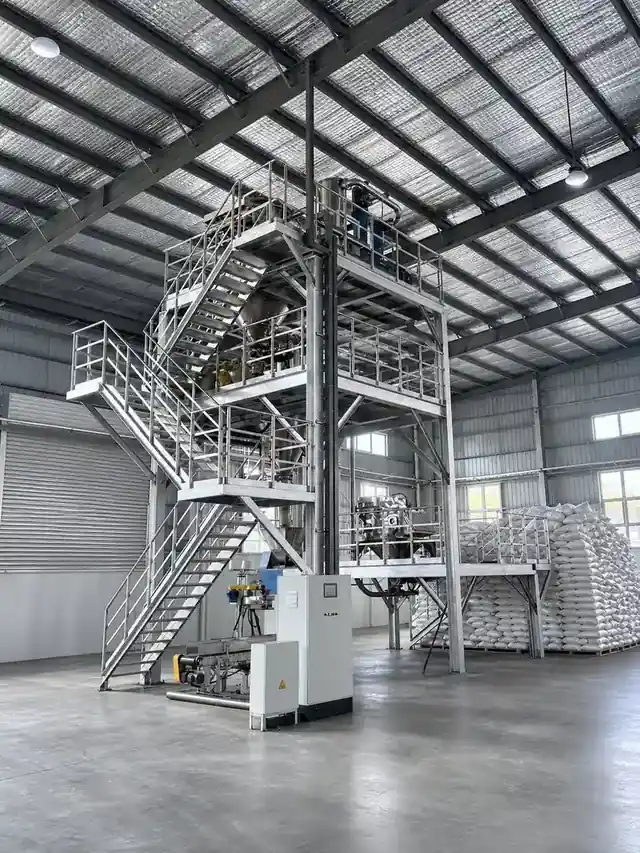
Everwell Bio Adds Production and Packaging Capacity
New liquid-handling tanks and automated bagging equipment are commissioned and running at the Suzhou facility, with specifications unchanged.
Read more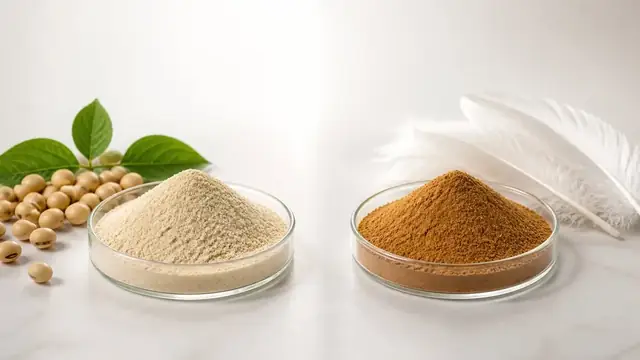
Plant vs Animal Source Amino Acid Powder for Fertilizer
How soy, corn, feather, fish and collagen hydrolysates really differ, and why the finished specification decides more than the protein source.
Read more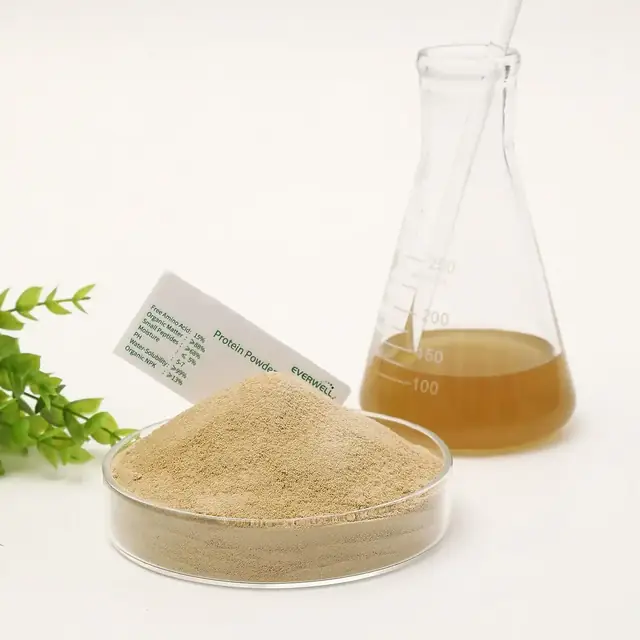
Hydrolyzed Protein Powder: Composition, Uses, Compliance
What a 90% crude protein cattle-bone hydrolysate is, how it differs from amino acid powder, and what each end use still requires you to prove.
Read moreQuestions On This Topic
Is this the same as LCL shipping?
No. In true LCL a forwarder combines cargo from several different shippers and deconsolidates it at a container freight station. This service is mixed-product FCL: one buyer, multiple SKUs, one full container loaded at the Suzhou warehouse.
What does the consolidation cost?
There is no consolidation fee. The customer pays for the freight and the raw materials only.
Is there a minimum quantity on the complementary products?
No, provided the total container reaches a sensible load. Specify the grade and quantity per SKU in tons or in 25 kg or 20 kg bags.
Will one container mean one customs declaration?
Not necessarily. One shipment and one bill of lading do not guarantee a single declaration or inspection. Declarations, inspections, registrations and permits follow the destination country's rules and each product's HS classification.
Can a single certificate of origin be issued for the whole container?
It can, where the products' origin, manufacturer, destination country and applicable preferential-trade rules allow. Otherwise origin documents are issued per product or per supplier.
Can products outside the four listed be included?
Other dry fertilizer inputs, including NPK water-soluble grades, humic acid, potassium humate and EDTA chelated micronutrients, can be quoted on request as part of the same basket.
Ask Us About This Directly
Technical questions are answered by the export and production team, normally within 24 hours.