
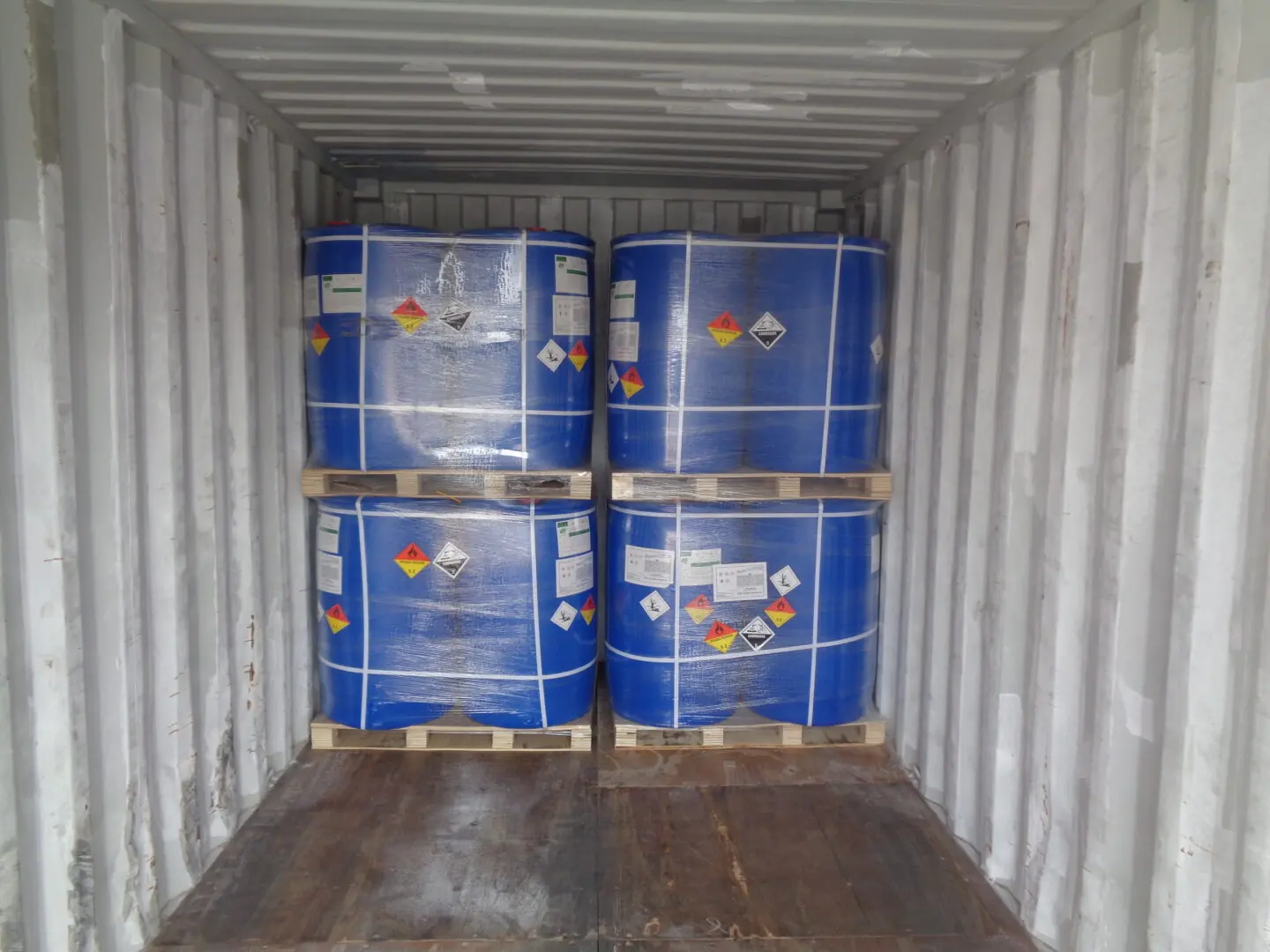
Flavours Fragrances and Food Additives
Flavour and fragrance houses need the isomer split, not just the assay. Our pentanols, valeraldehyde and triethyl citrate are quoted with the isomer content that decides how the finished note smells.
What This Industry Struggles With
- An unstated isomer ratio changes the aroma profile between lots
- Food contact use needs a national standard grade, not an industrial one
- Aldehydes oxidise in storage and the acid value climbs
- Plasticizers for filter rods and food contact film must be non-phthalate
What we bring to it
- Isomer content stated — 3-methyl-1-butanol and 2-methylbutan-1-ol on isoamyl alcohol, n-amyl and 2-methylbutanol on the pentanol mixture
- Triethyl citrate offered against GB 29967-2013 food additive standard alongside industrial and refined grades
- Acid value and moisture specified so oxidation in transit is visible on arrival testing
Where Our Material Goes in Your Process
Fruit and confectionery flavour bases
The pentanol mixture is a raw material for fruit, chocolate and mint flavourings and works as an auxiliary in pharmaceutical, fine chemical and food industry use.
Ester synthesis for perfumery
Isoamyl alcohol is used as a photographic chemical, flavouring and analytical reagent and for organic synthesis and pharmaceuticals, at 99.5% minimum with 85.82% minimum 3-methyl-1-butanol.
Fruity and nutty aroma notes
Valeraldehyde is used as a flavouring agent giving a fruity or nutty aroma and contributes to perfume and cosmetic scent, at 99.50% minimum n-valeraldehyde.
Tobacco filter rods
Triethyl citrate replaces triacetin as the plasticizer for acetate fibre filter rods.
Food additive use
Triethyl citrate is used as a bulking agent to improve the foaming and bulk of baked food, as an antioxidant stabilising soybean oil, salad oil, margarine and shortening, and as a flavouring in soft drinks, cold drinks, candy and baked goods.
What We Supply Into Flavours Fragrances and Food Additives
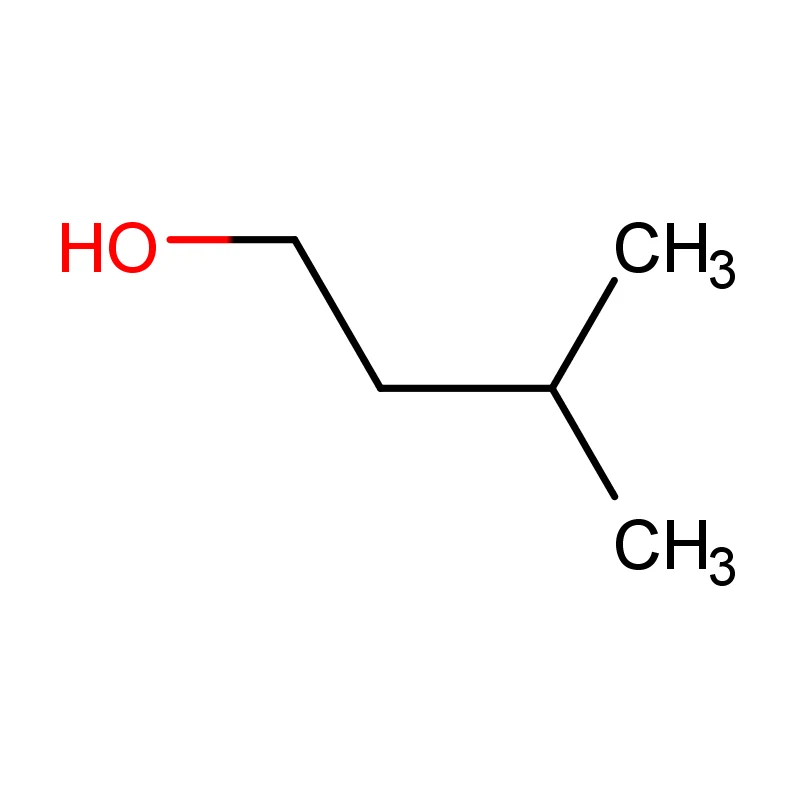
Isoamyl Alcohol
CAS 123-51-3 · C5H12O
Isoamyl alcohol, 3-methyl-1-butanol, is a colourless liquid slightly soluble in water and miscible with alcohol, ether and other organic solvents.
View specification →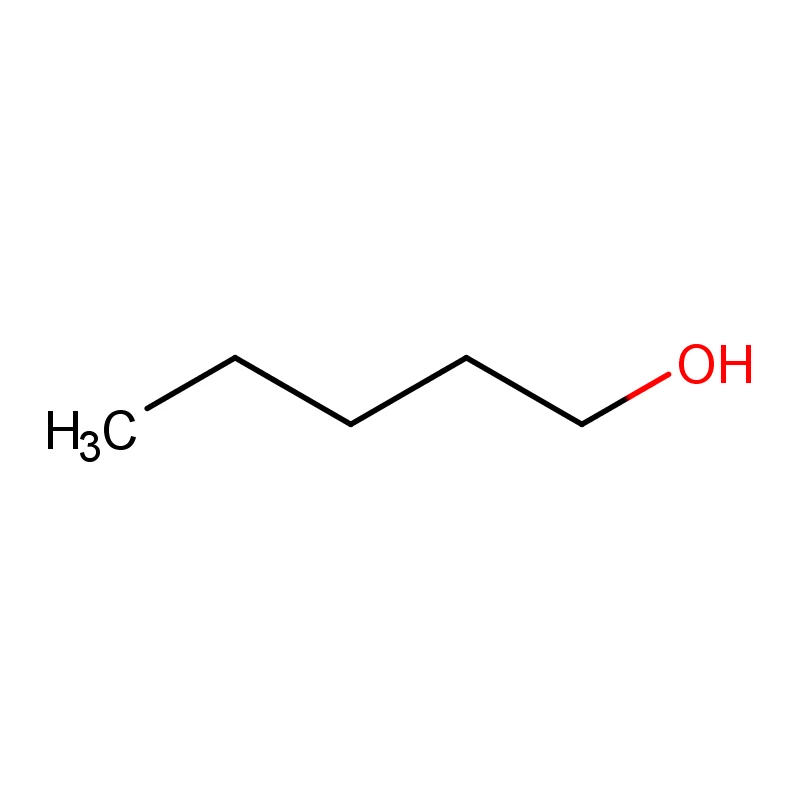
1-Pentanol
CAS 71-41-0 · C5H12O
1-Pentanol, also called n-pentanol or n-amyl alcohol, is the straight-chain form of amyl alcohol with five carbon atoms.
View specification →
Pentanol Mixture
CAS TBC · C5H12O
The pentanol mixture is a multifunctional solvent running 62-68% n-amyl alcohol and 32-38% 2-methylbutanol at 99.0% minimum total content.
View specification →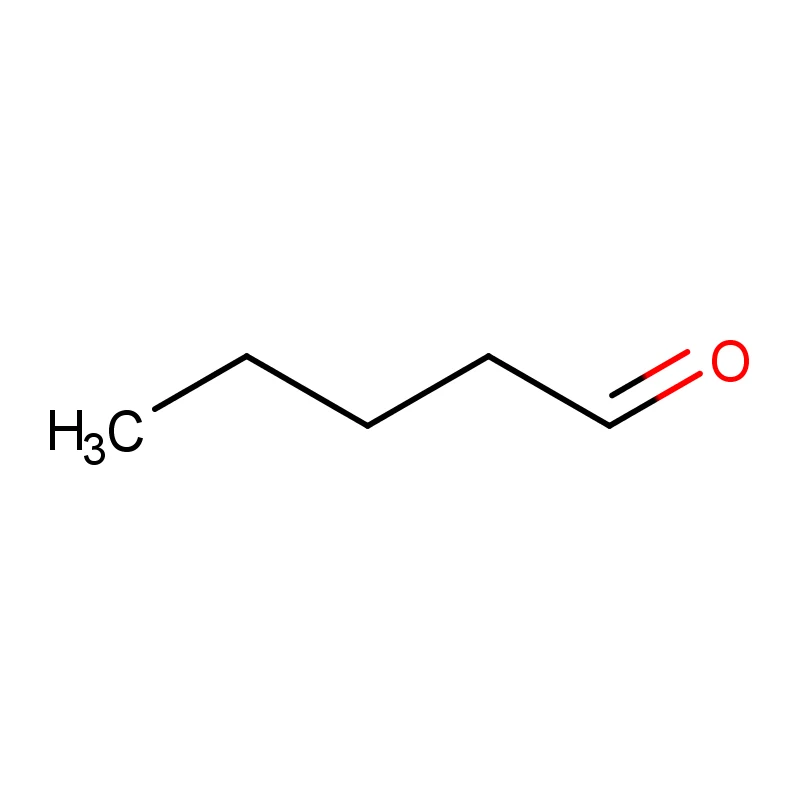
Valeraldehyde
CAS 110-62-3 · C5H10O
Valeraldehyde is a colourless liquid with a pungent odour, a five-carbon chain carrying an aldehyde group.
View specification →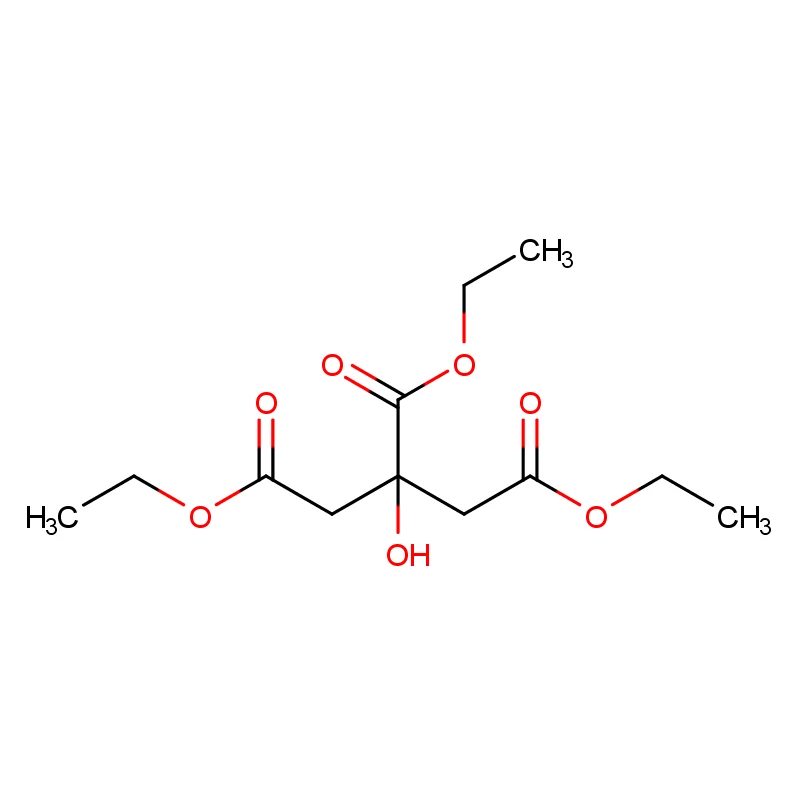
Triethyl Citrate
CAS 77-93-0 · C12H20O7
Triethyl citrate is an environmentally friendly non-toxic ester with strong solvency and good compatibility with a range of resins.
View specification →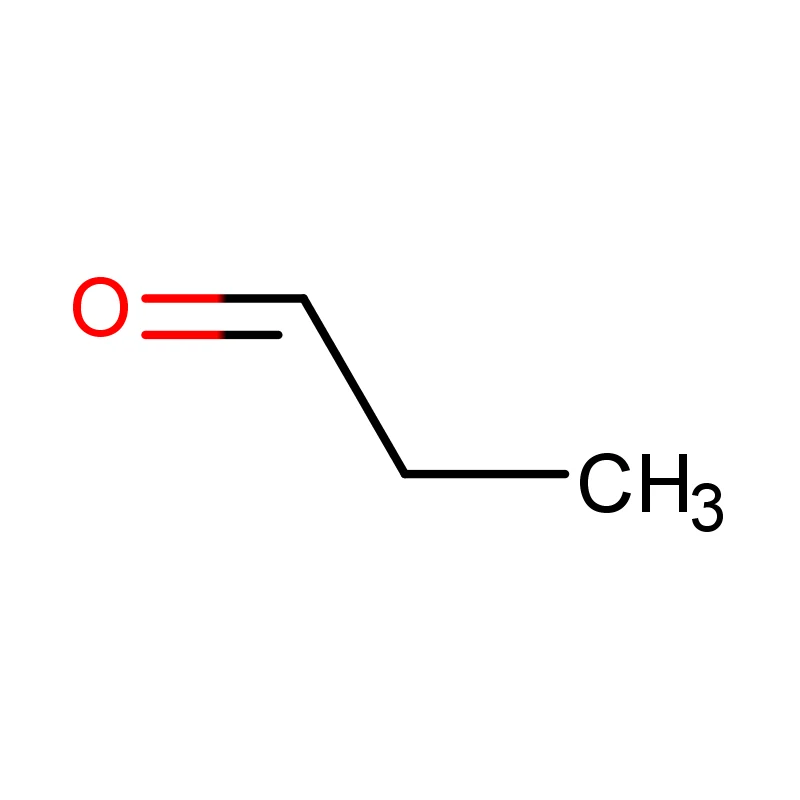
Propionaldehyde
CAS 123-38-6 · C3H6O
Propionaldehyde is recognised as a basic raw material of the fine chemical industry.
View specification →Delivery Capability Behind the Product
Articles Behind These Products
Analysis Report on the n-Pentanol Market
n-Pentanol production is technology intensive with high technical thresholds, and only a few companies worldwide hold large-scale capacity.
Product GuideWhere the Pentanol Mixture Is Actually Used
A multifunctional solvent used across coatings, inks, pigments, cleaning agents, flavours and organic synthesis, with a documented isomer split.
Process GuideProduction Methods and Main Applications of Propionaldehyde
Low-pressure oxo synthesis became the dominant propionaldehyde route from the 1970s and today accounts for the overwhelming share of capacity.
Flavours Fragrances and Food Additives Questions
What isomer split does your isoamyl alcohol carry?
99.5% minimum main content by ISO, with 3-methyl-1-butanol at 85.82% minimum and 2-methylbutan-1-ol at 13.68% minimum, specific gravity 0.809 maximum and moisture 0.15 maximum.
Is your triethyl citrate food grade?
It is available against GB 29967-2013 National Food Safety Standard for food additive triethyl citrate, as well as in industrial and refined grades to an enterprise standard.
How fresh is the valeraldehyde on arrival?
Valeraldehyde is specified at 99.50% minimum n-valeraldehyde, 0.20% maximum isovaleraldehyde and 0.10% maximum water. Ask for the batch date with the COA if your process is sensitive to ageing.
What packing suits a flavour house taking small volumes?
Galvanised iron drums at 165 kg net are the standard unit for these liquids, and packing can be adjusted to your requirement. Message us with the volume and we confirm what is practical.
Tell Us What Your Line Runs
Send the specification you buy against today and we will tell you which of our products matches, with the measured test report.