
Solvent Grade Alcohols Aldehydes and Esters for Coatings Inks and Synthesis
Twelve products covering the solvent and intermediate range a coating, ink or synthesis plant buys every month: propanols, pentanols, propionaldehyde, valeraldehyde, propyl acetate, the glycol ethers PM and PMA, dibasic ester and triethyl citrate. Each one ships with its own quality index — assay, water, acid value, colour — not a generic datasheet.
All 12 Alcohols Aldehydes and Esters Products
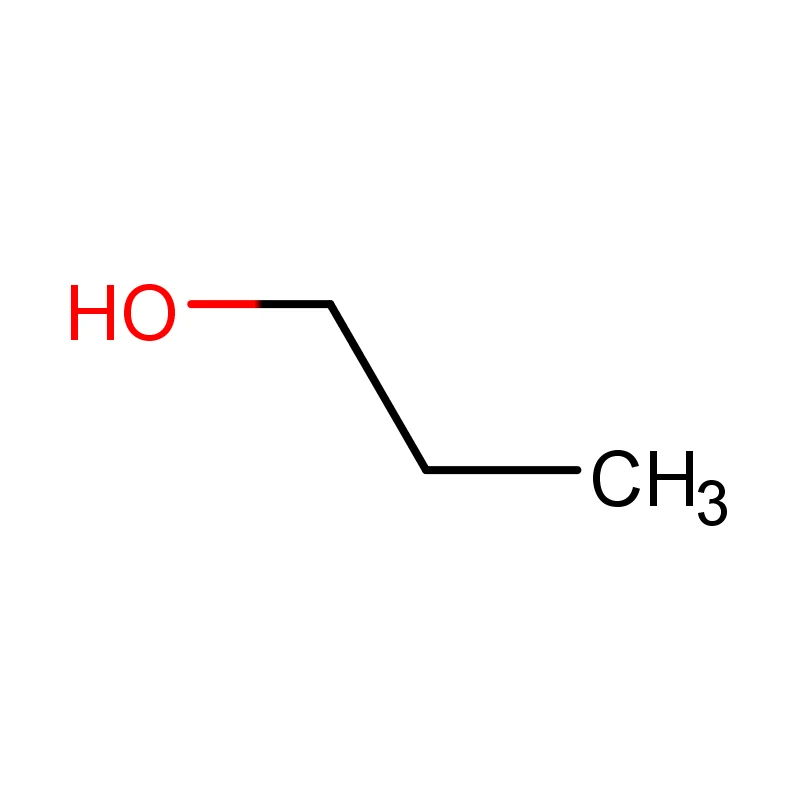
1-Propanol
CAS 71-23-8 · C3H8O
1-Propanol is the main raw material for n-propyl acetate, the green food printing ink solvent, and for n-propylamine, di-n-propylamine, bromopropane...
View specification →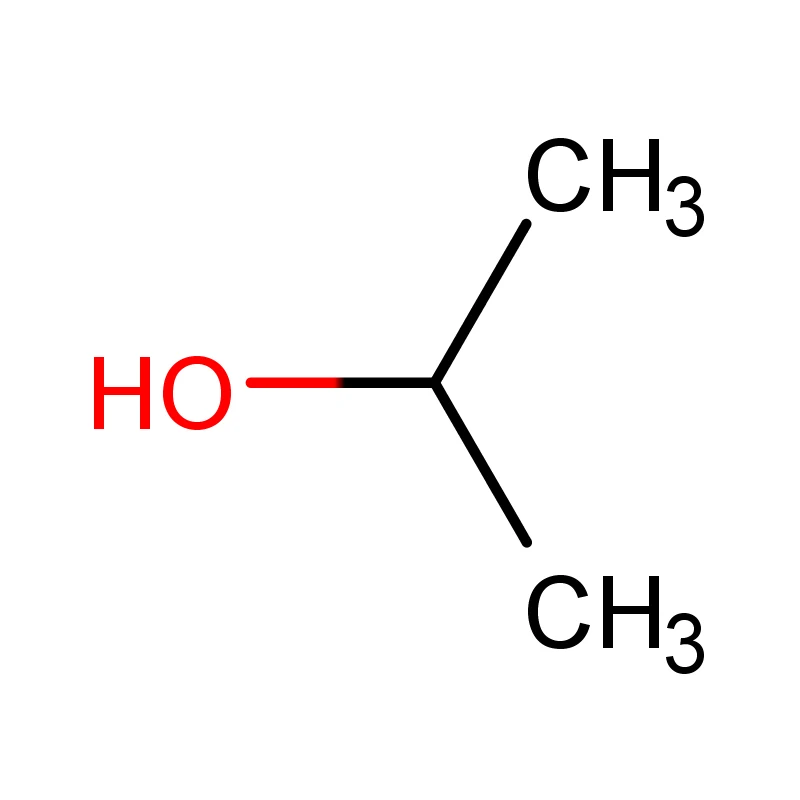
2-Propanol
CAS 67-63-0 · C3H8O
2-Propanol, isopropyl alcohol, is made from propylene and is used as an industrial and coating solvent, as a component in cleaning, car care and...
View specification →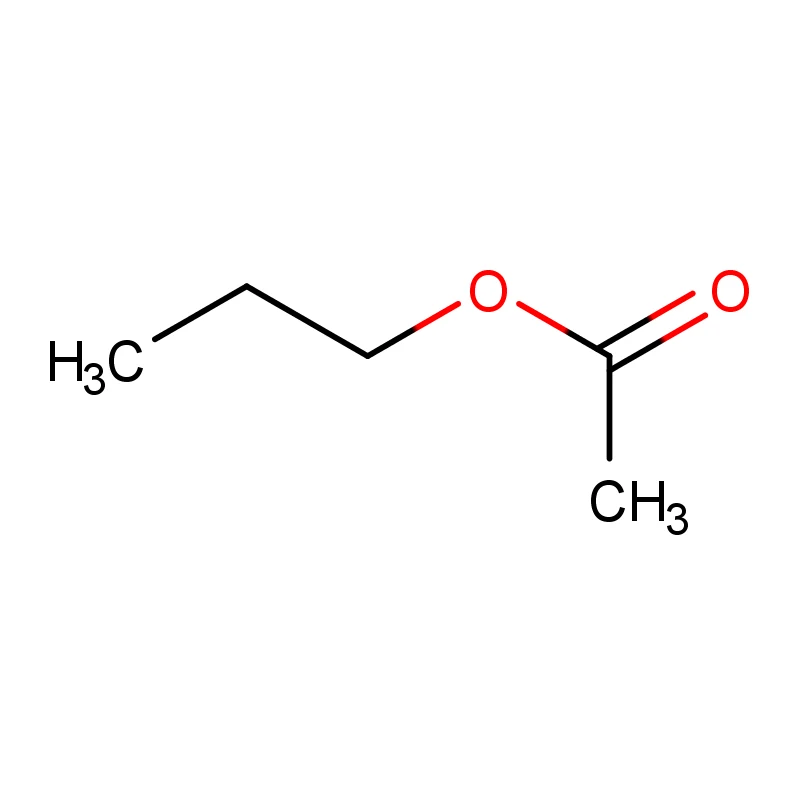
Propyl Acetate
CAS 109-60-4 · C5H10O2
Propyl acetate is a coating and ink solvent, a drug extractant and a fragrance solvent, and industrially it is used as an azeotrope for acetic acid...
View specification →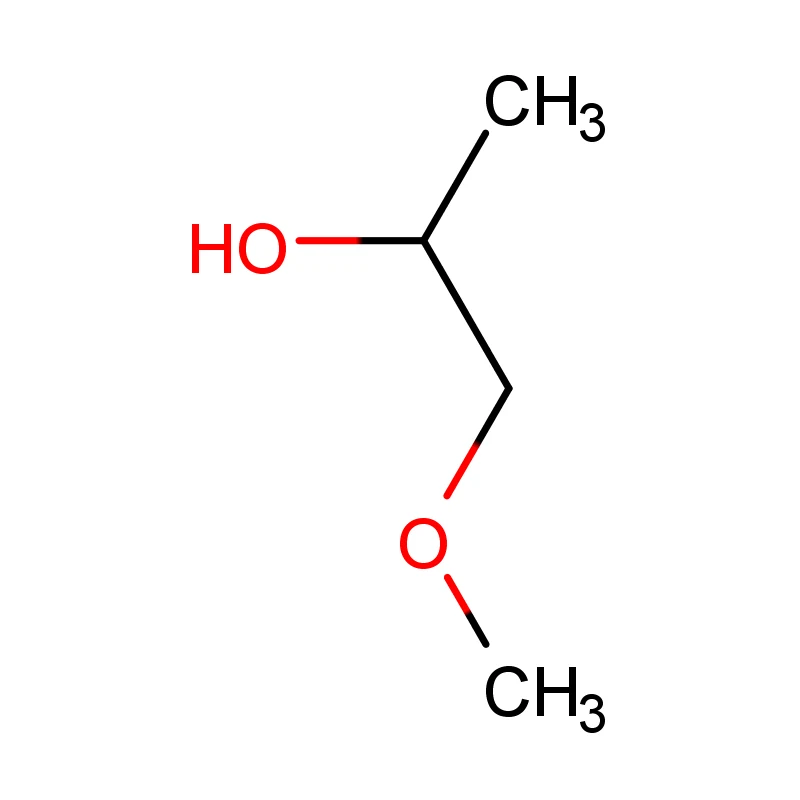
1-Methoxy-2-Propanol PM
CAS 107-98-2 · C4H10O2
1-Methoxy-2-propanol, the glycol ether known as PM, is used as a solvent, dispersant or diluent in coating, ink, printing and dyeing, pesticide,...
View specification →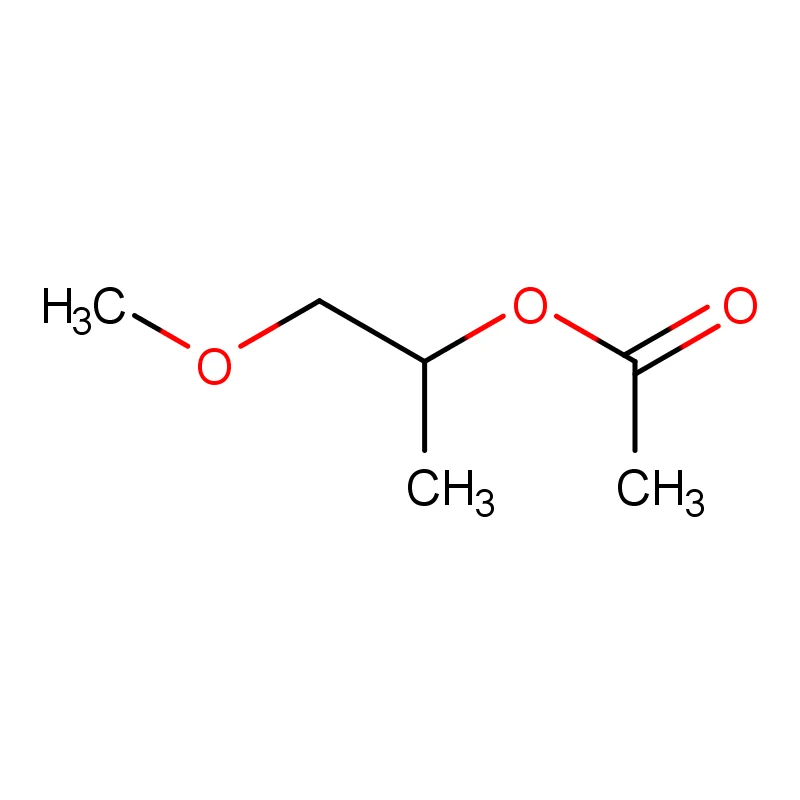
Propylene Glycol Methyl Ether Acetate PMA
CAS 108-65-6 · C6H12O3
Propylene glycol methyl ether acetate is a low-toxicity high-grade solvent whose molecule carries both an ether group and a carbonyl group in ester...
View specification →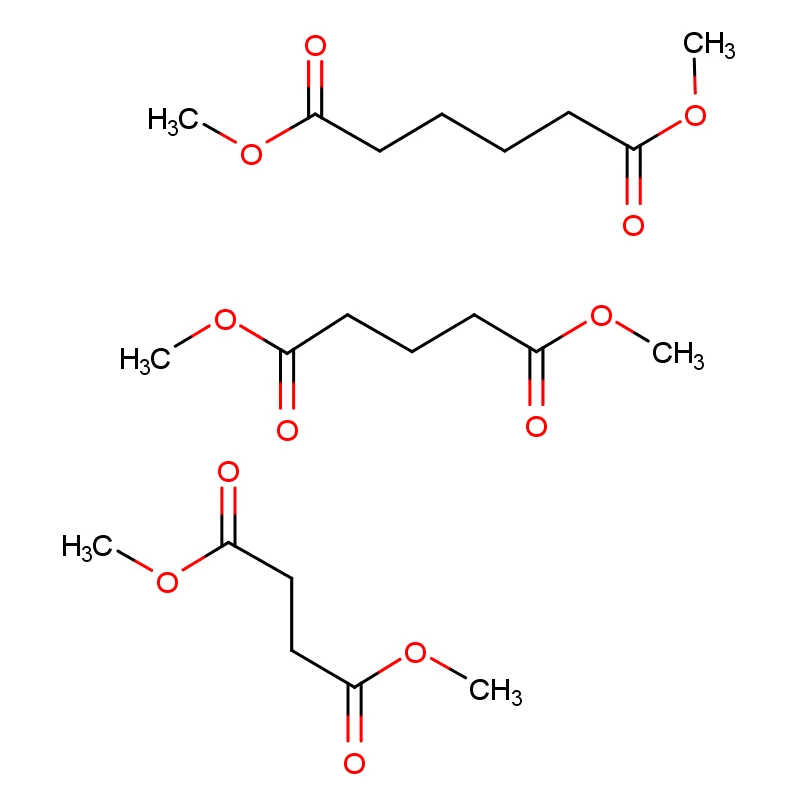
Dibasic Ester DBE
CAS 95481-62-2 · CH3OOC(CH2)nCOOCH3
Dibasic ester, also called divalent acid ester or mixed acid dimethyl ester, is a mixture of dimethyl succinate, dimethyl glutarate and dimethyl adipate.
View specification →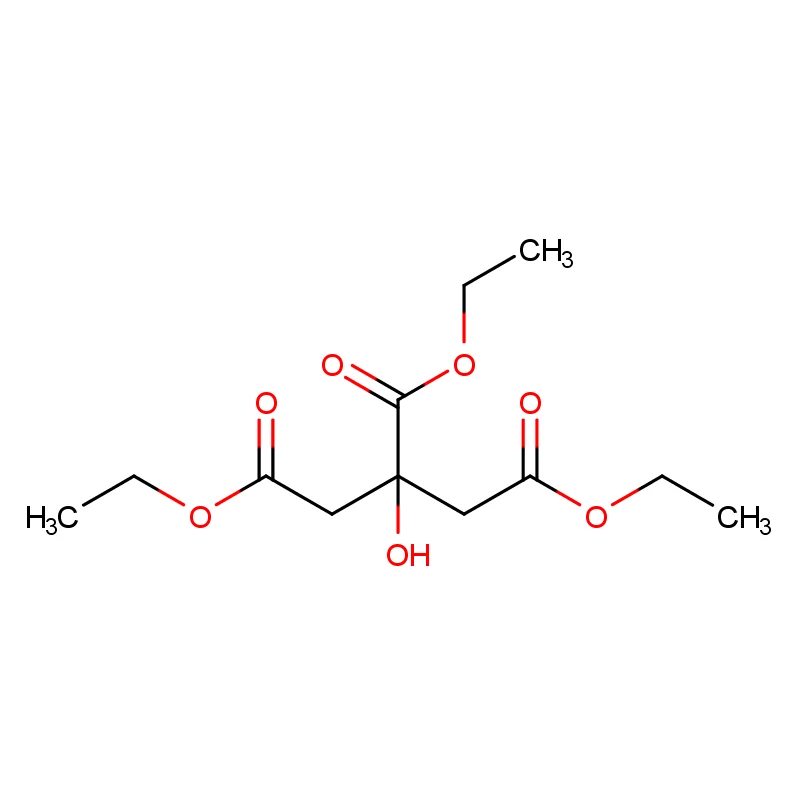
Triethyl Citrate
CAS 77-93-0 · C12H20O7
Triethyl citrate is an environmentally friendly non-toxic ester with strong solvency and good compatibility with a range of resins.
View specification →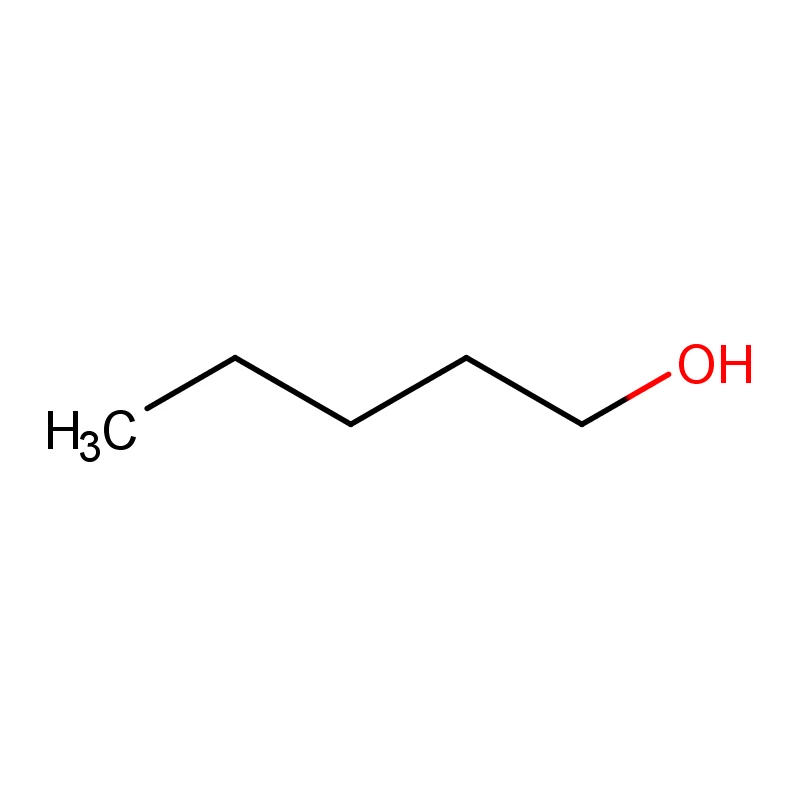
1-Pentanol
CAS 71-41-0 · C5H12O
1-Pentanol, also called n-pentanol or n-amyl alcohol, is the straight-chain form of amyl alcohol with five carbon atoms.
View specification →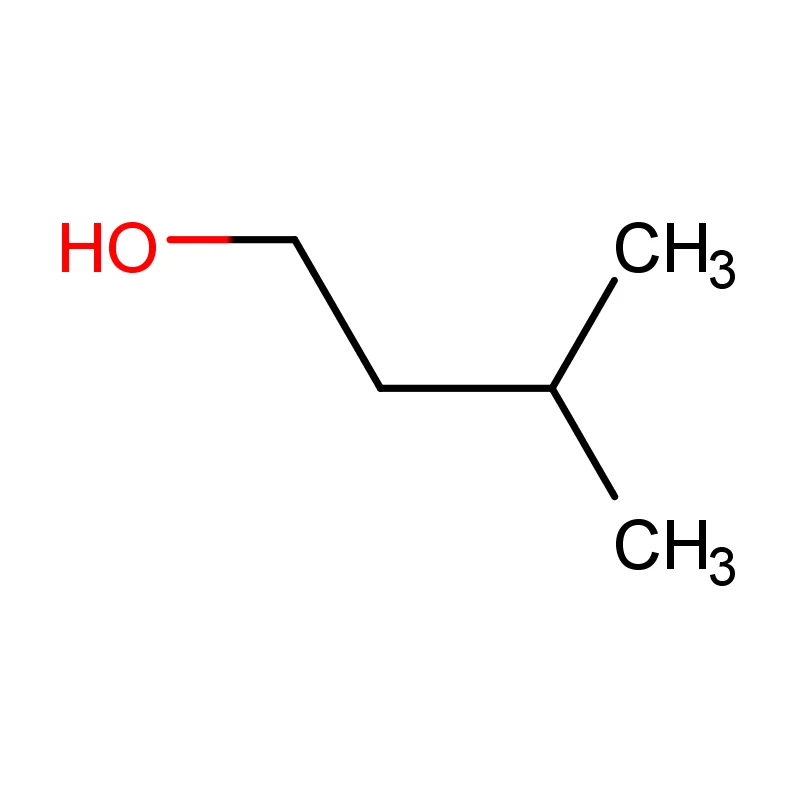
Pentanol Mixture
CAS TBC · C5H12O
The pentanol mixture is a multifunctional solvent running 62-68% n-amyl alcohol and 32-38% 2-methylbutanol at 99.0% minimum total content.
View specification →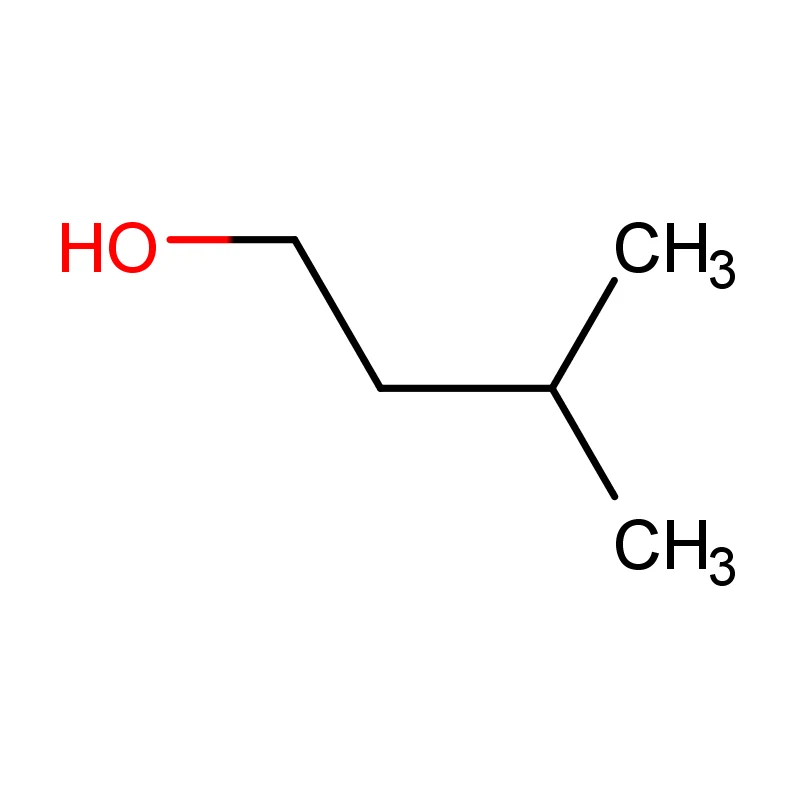
Isoamyl Alcohol
CAS 123-51-3 · C5H12O
Isoamyl alcohol, 3-methyl-1-butanol, is a colourless liquid slightly soluble in water and miscible with alcohol, ether and other organic solvents.
View specification →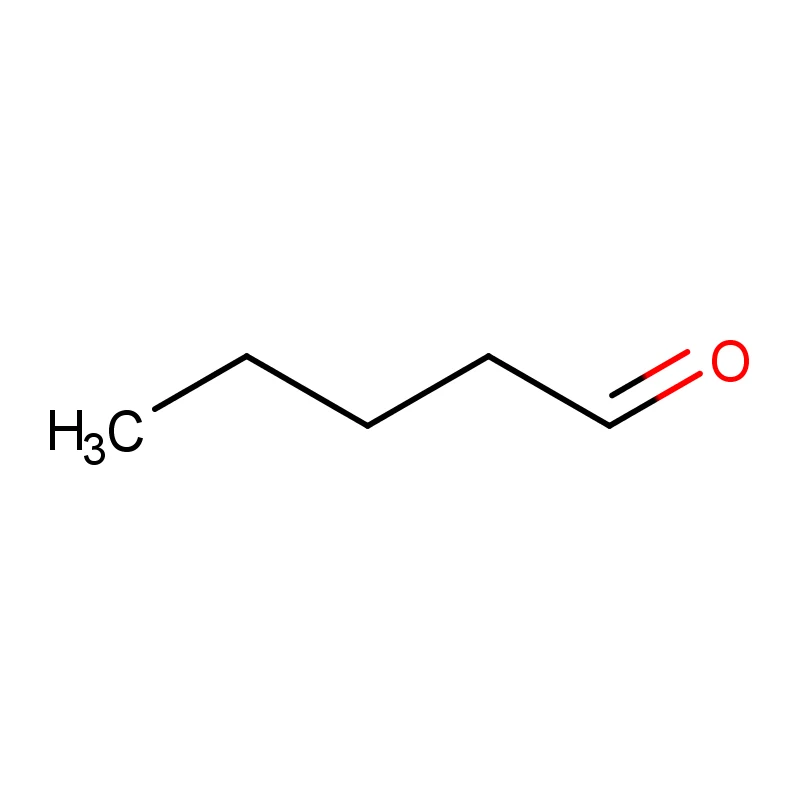
Valeraldehyde
CAS 110-62-3 · C5H10O
Valeraldehyde is a colourless liquid with a pungent odour, a five-carbon chain carrying an aldehyde group.
View specification →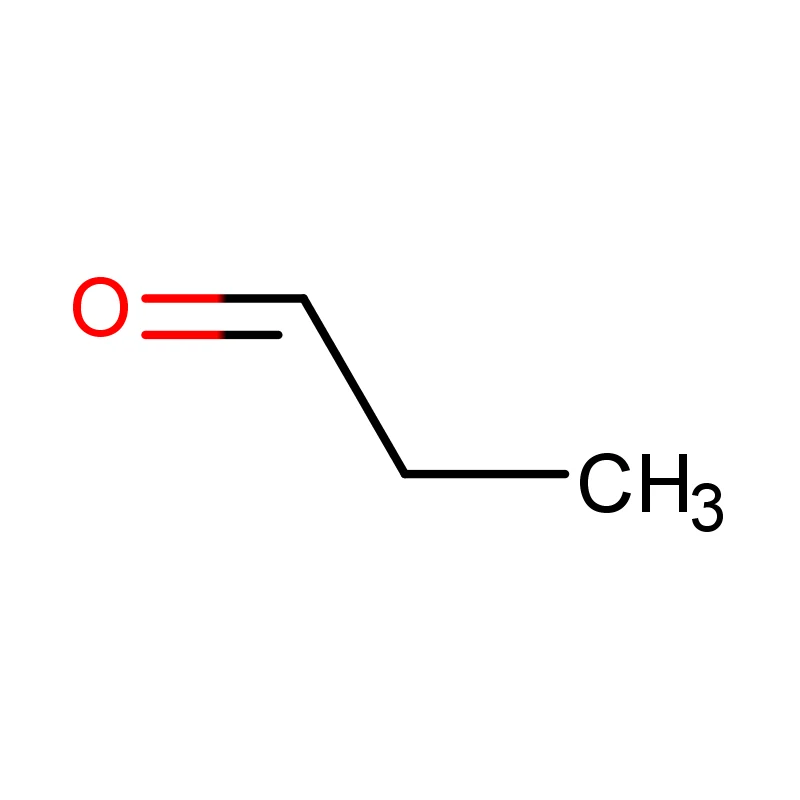
Propionaldehyde
CAS 123-38-6 · C3H6O
Propionaldehyde is recognised as a basic raw material of the fine chemical industry.
View specification →What Goes Wrong Without a Published Specification
A solvent that arrives one colour point darker or 0.1% wetter than the last drum changes the way a coating flows and the way a reaction finishes. The cost is rework, not the price per tonne.
What we do about it
- Assay, water, acidity and Pt-Co colour quoted as specification and measured result side by side
- Food and pharma grade routes available where the product supports it — triethyl citrate is offered against GB 29967-2013 as well as industrial and refined grades
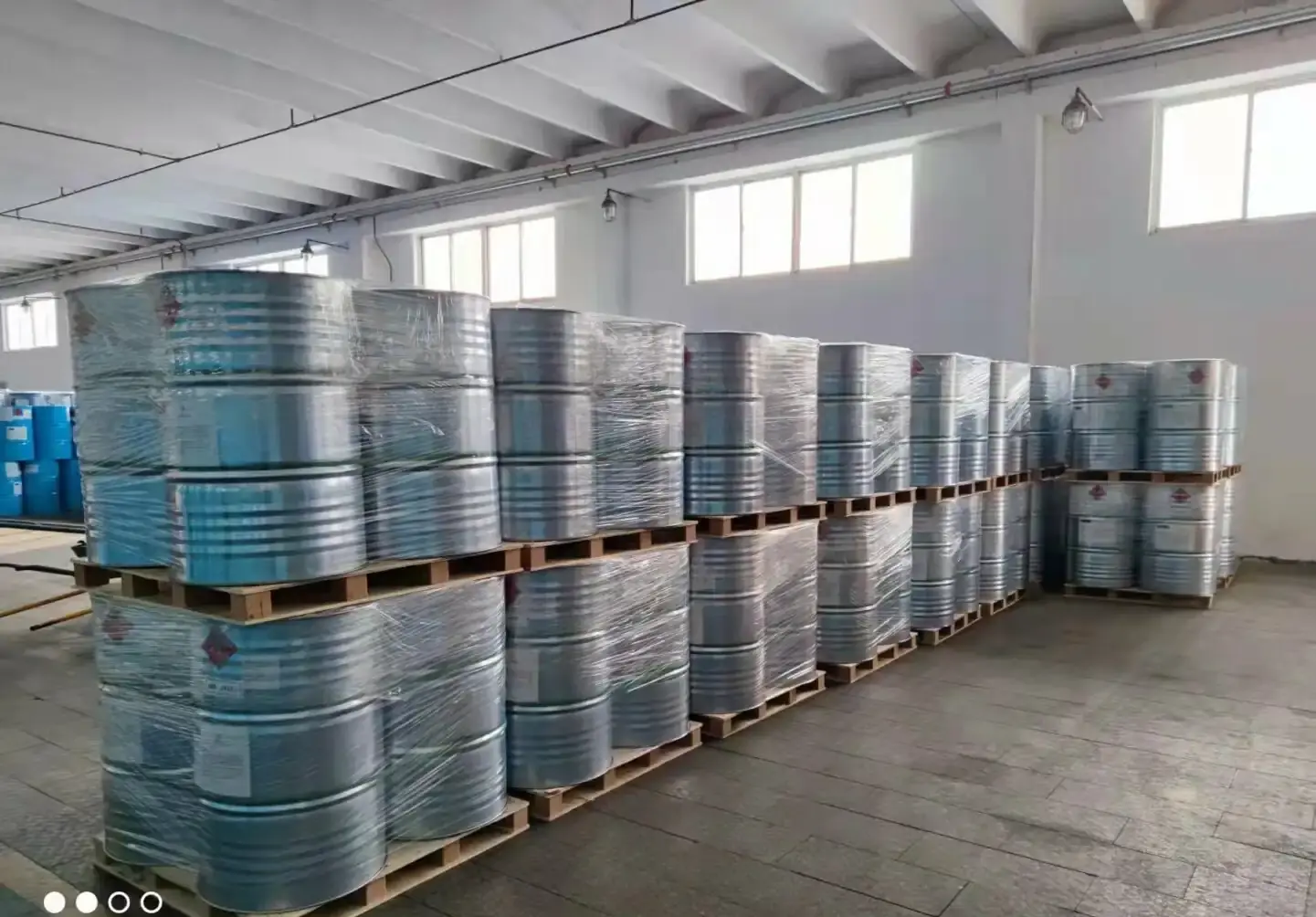
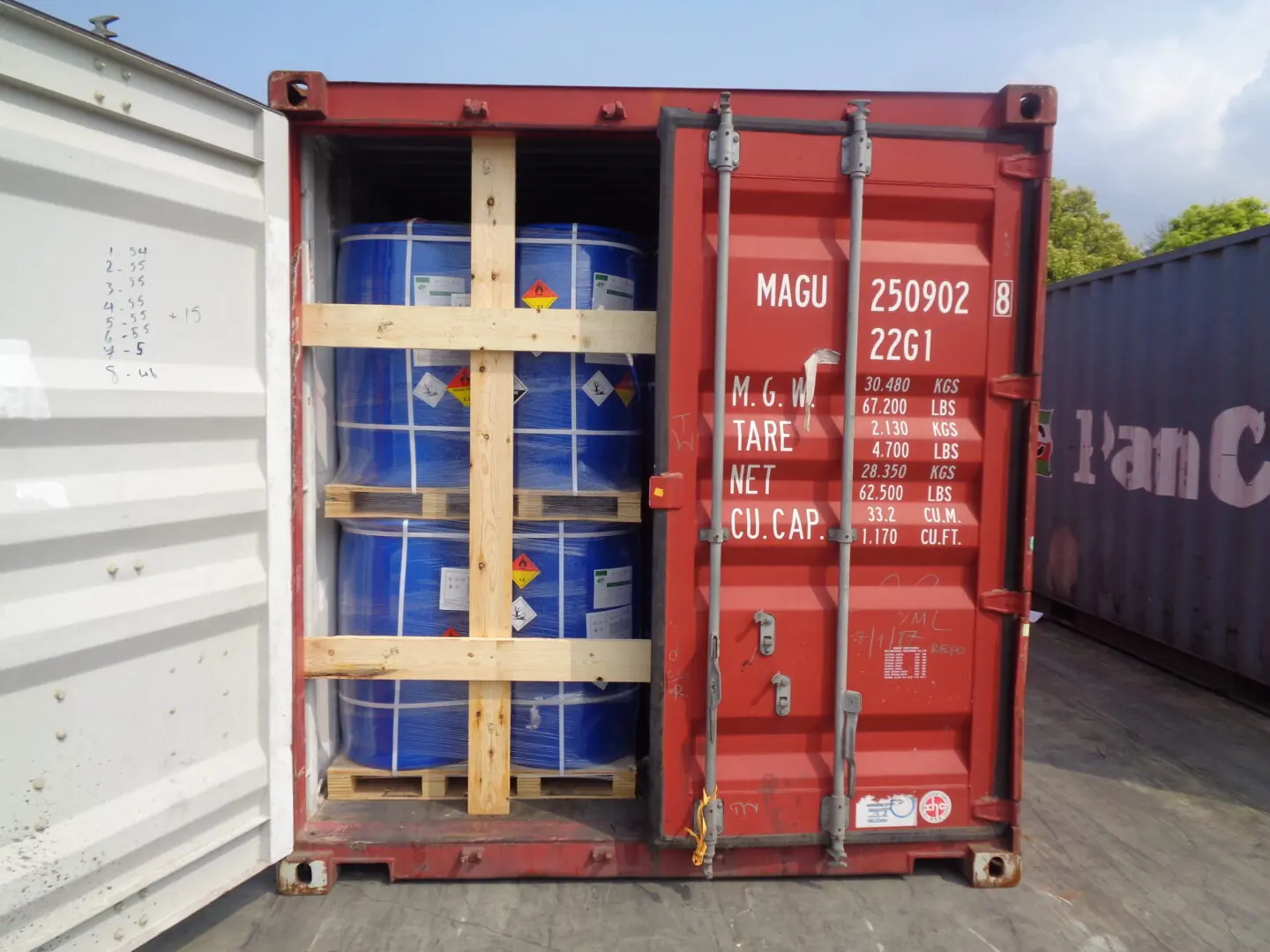
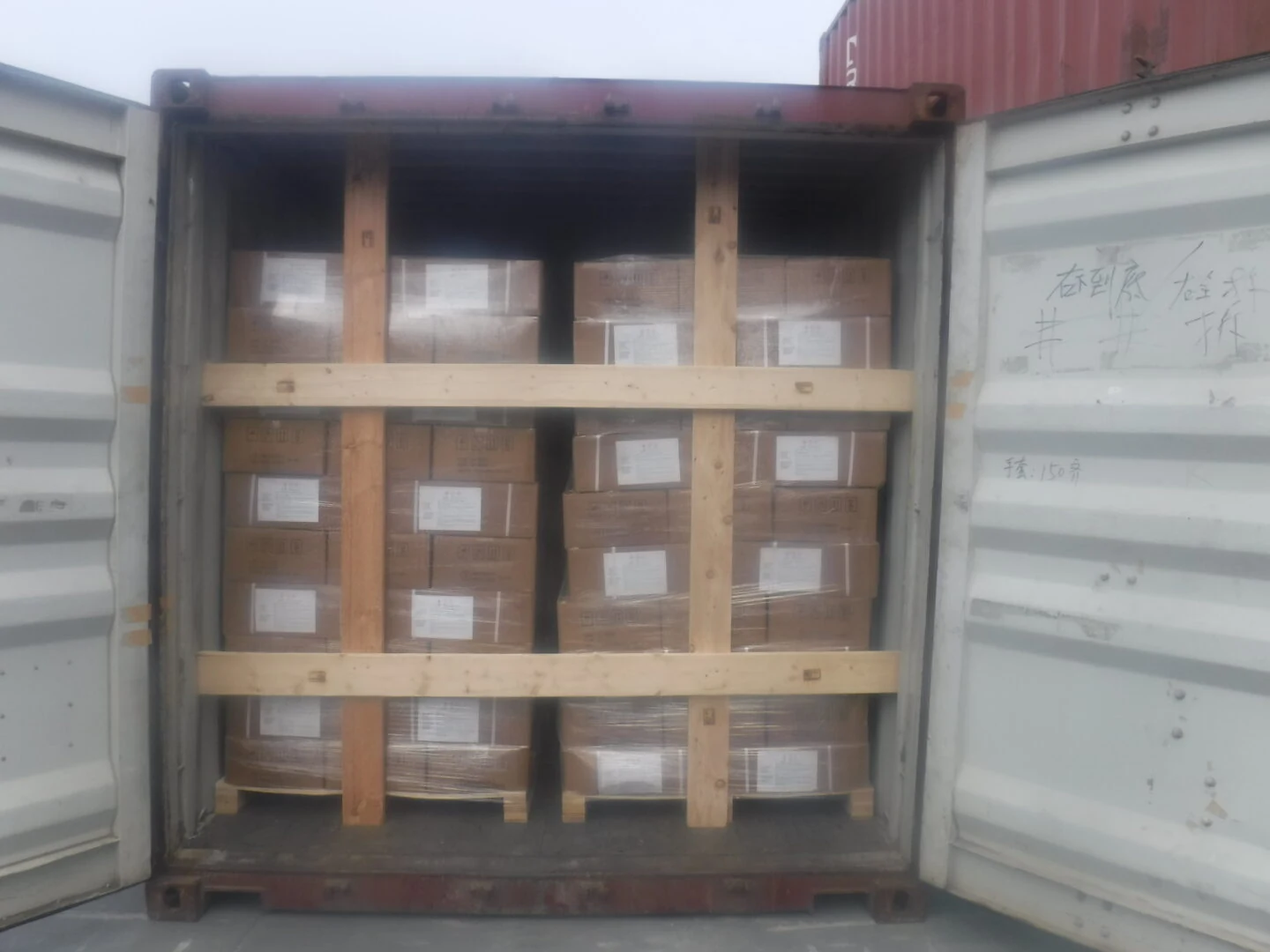
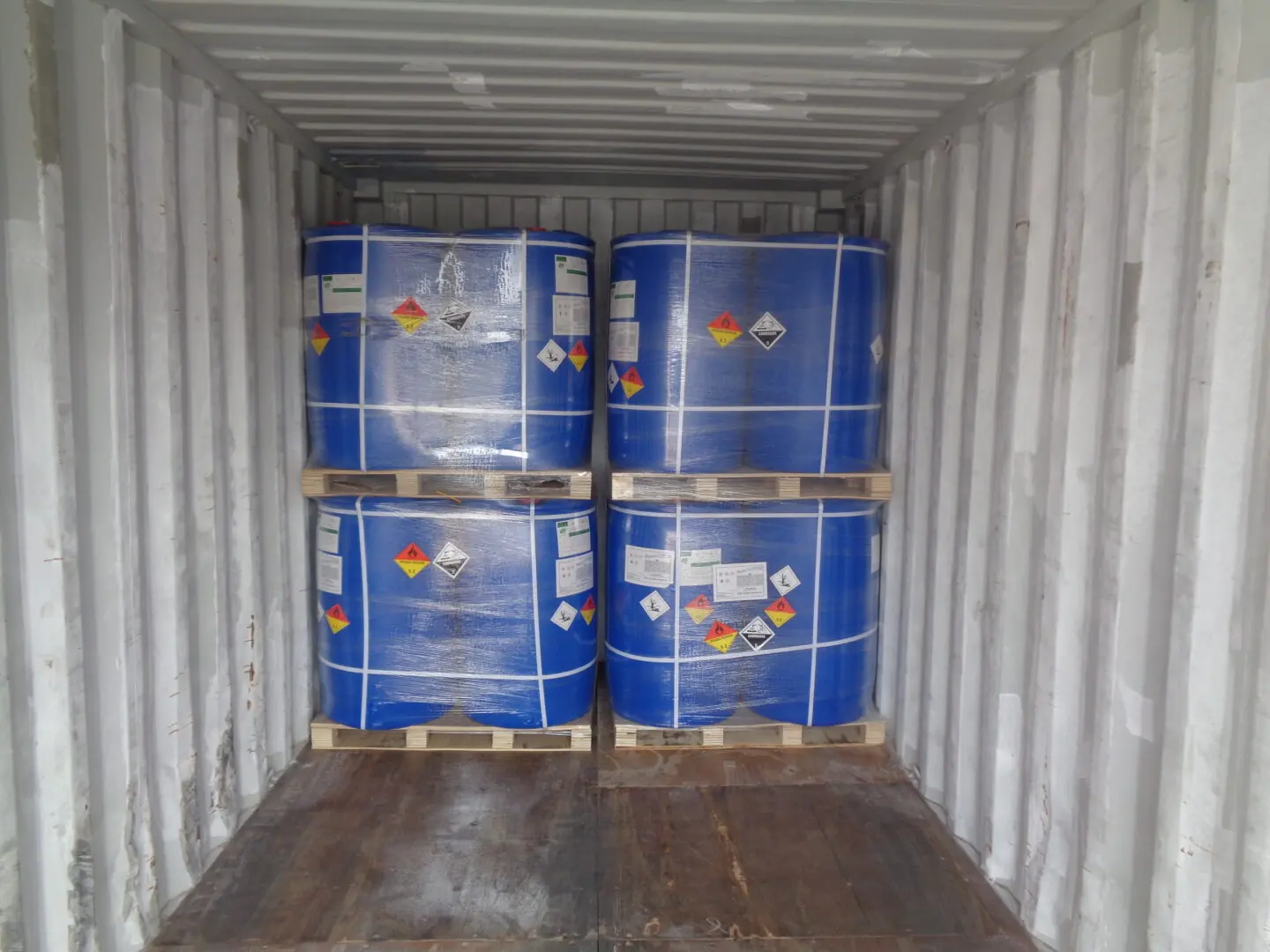
- Galvanised iron drum at 165 kg net, ISO tank, IBC and flexitank depending on volume
- Low-toxicity replacements stocked for restricted solvents — dibasic ester substitutes for isophorone, glycol ethers and cyclohexanone in bake coatings
Industries We Supply From This Range
Alcohols Aldehydes and Esters Buying Questions
Which of your alcohols suit flexographic and gravure inks?
1-Propanol is used as a special solvent for flexographic inks, particularly when printing polyolefin and polyamide film. Propyl acetate is the moderating quick-drying partner in the same systems.
Do you supply a food additive grade of triethyl citrate?
Yes. Triethyl citrate is offered to an enterprise standard in industrial and refined grades and against GB 29967-2013 National Food Safety Standard for the food additive grade, with heavy metals as Pb at 10 ppm maximum.
What is the standard drum weight for your solvents?
Most liquids in this family go out in galvanised iron drums at 165 kg net. Triethyl citrate uses 230 kg iron or plastic drums and dibasic ester 220 kg. ISO tank, IBC and flexitank are available for bulk.
What is the difference between 1-pentanol and your pentanol mixture?
1-Pentanol is the straight-chain isomer supplied at 99.80% minimum amyl alcohol. The pentanol mixture is a blend running 62-68% n-amyl alcohol and 32-38% 2-methylbutanol at 99.0% minimum total content. The mixture is the cheaper solvent; the single isomer is what you need when the downstream ester must be clean.
Can you send the COA before we open a letter of credit?
Yes. Tell us the product and the volume and we send the current quality index with measured results against it, usually the same working day.
Other Product Families
Organic Peroxides
Initiators and Crosslinkers Made in Our Own Jinshan Plant
Bromo- and chloro- intermediatesHalogenated Hydrocarbons
Bromo and Chloro Intermediates for Grignard Chemistry and Flame Retardancy
Phthalic anhydride · 2-EHPVC Plasticizer Feedstock
The Two Raw Materials Behind Phthalate Plasticizer Production
A1426 · A1820TDAE Rubber Process Oil
REACH Compliant Aromatic Process Oil for PCR and TBR Tire Compounds
Get a Quote on Alcohols Aldehydes and Esters
Send the product, the grade and the annual tonnage. We reply within 24 hours with the quality index and the packing option.