
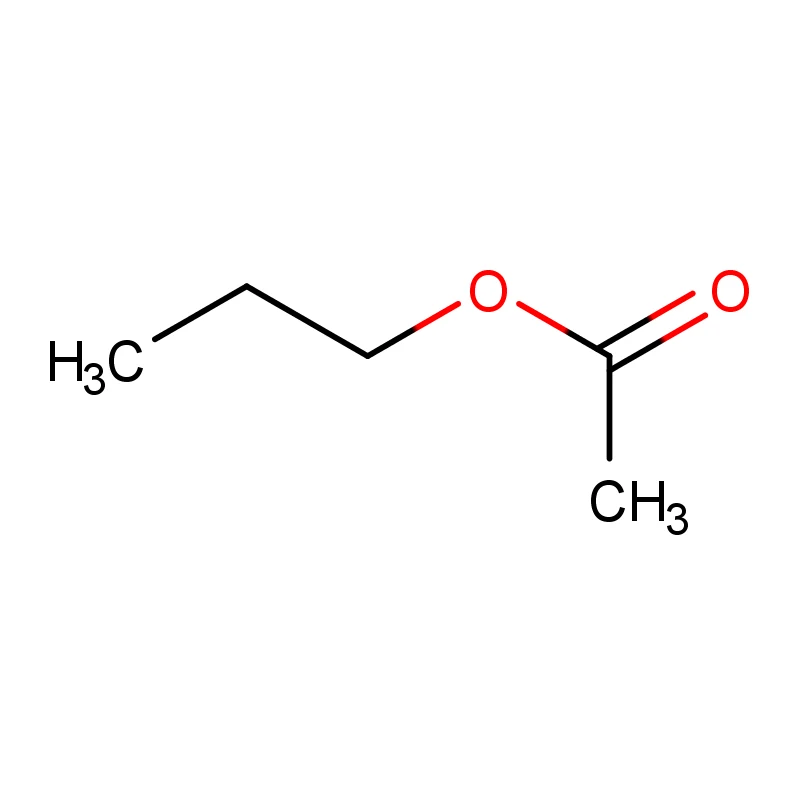
Propyl Acetate
Propyl acetate is a coating and ink solvent, a drug extractant and a fragrance solvent, and industrially it is used as an azeotrope for acetic acid recovery in PTA production. It dissolves ethyl cellulose, nitrocellulose, styrene and methacrylate resin, and in printing it is the moderating quick-drying agent for flexographic and gravure inks.
What You Get With This Grade
- Purity 99.5% minimum with n-propyl alcohol held at 0.10% maximum
- Acid as acetic acid at 0.01% maximum and evaporation residue at 0.005% maximum
- Colour 10 Pt-Co maximum, suitable for pale and white coating systems
- Density specified as a band, 0.883-0.888 g/cm³ at 20 °C, for volumetric dosing
Technical features
- Excellent solvency for a wide range of synthetic resins
- Commonly used as an industrial dehydrating agent
- Normal propyl acetate 99.5% minimum by mass
- Water 0.10% maximum by mass
Where Propyl Acetate Is Used
Coating and ink solvents
An effective solvent for many synthetic resins including ethyl cellulose, nitrocellulose, styrene and methacrylate resin.
Flexo and gravure printing
The moderating quick-drying agent in flexographic and gravure inks, especially for printing on olefin and polyamide films.
PTA acetic acid recovery
Used industrially as an azeotrope for acetic acid recovery.
Drug extraction and fragrances
Used as a drug extractant and as a solvent for spices.
Chlorinated rubber and phenolic plastics
A solvent for nitrocellulose, chlorinated rubber and heat-reactive phenolic plastics.
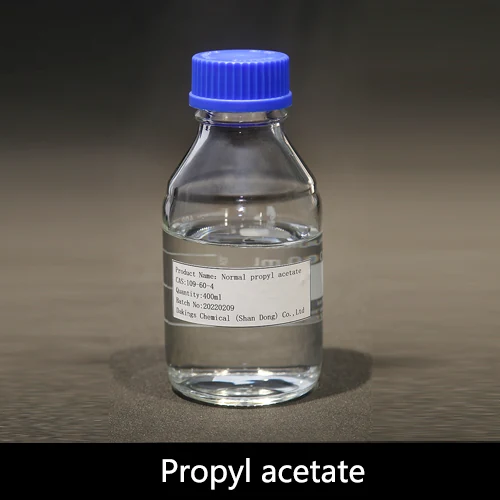
How Propyl Acetate Looks and Ships
Buyers This Grade Is Built For
- Ink formulators balancing evaporation rate in film printing
- Nitrocellulose and chlorinated rubber coating producers
- PTA plants recovering acetic acid by azeotropic distillation
- Fragrance and extraction operations needing a clean ester solvent
What It Stops Going Wrong
- Residual alcohol in an acetate changes the solvency balance and the drying curve
- Acidity in an ester solvent corrodes press components and destabilises nitrocellulose
- Evaporation residue leaves a film defect that only appears after the coating cures
- Colour in the solvent shows up as yellowing in a clear lacquer
Quality Index for Propyl Acetate
| CAS number | 109-60-4 |
|---|---|
| Molecular formula | C5H10O2 |
| Molecular weight | 102.1317 |
| Normal propyl acetate | 99.5% minimum w/w |
| Normal propyl alcohol | 0.10% maximum w/w |
| Water | 0.10% maximum w/w |
| Acid as acetic acid | 0.01% maximum w/w |
| Evaporation residue | 0.005% maximum w/w |
| Density at 20 °C | 0.883-0.888 g/cm³ |
| Colour Hazen Pt-Co | 10 maximum |
How It Ships and How to Store It
Packing
- Galvanised iron drum, 165 kg net per drum
- ISO tank for bulk
- Can be packaged according to user requirements
Storage and transport
- Store as a flammable liquid away from ignition sources
- Keep containers sealed and cool
How the Lot Is Released
Content, residual alcohol, water, acidity, evaporation residue, density and Pt-Co colour are checked against the quality index before release.
What We Can Change
165 kg drum or ISO tank, packed according to user requirements.
Against the Alternatives
Propyl acetate is the ester made from 1-propanol, which we also supply. In an ink system 1-propanol is the primary solvent and propyl acetate the quick-drying moderator. Against PMA, propyl acetate is the faster, lighter solvent; PMA carries both ether and ester functionality and is used in higher grade coatings and electronic chemicals.
Handling Propyl Acetate on Your Site
Written for the person who receives the drum, not for a brochure.
- Pair with 1-propanol when tuning the evaporation curve of a film printing ink
- Check evaporation residue where the coating is a clear or high gloss finish
- Use the 0.883-0.888 g/cm³ density band for volumetric batching
- Store and handle as a flammable liquid
Propyl Acetate FAQ
What purity does your propyl acetate carry?
99.5% minimum normal propyl acetate, with normal propyl alcohol at 0.10% maximum and water at 0.10% maximum.
What resins does it dissolve?
It has excellent solubility for many synthetic resins including ethyl cellulose, nitrocellulose, styrene and methacrylate resin, and it is also a solvent for chlorinated rubber and heat-reactive phenolic plastics.
Is it used in PTA production?
Yes, industrially it is used as an azeotrope for acetic acid recovery.
What is the colour limit?
10 maximum Hazen Pt-Co.
What is the density?
0.883-0.888 g/cm³ at 20 °C.
What packing is standard?
Galvanised iron drum at 165 kg net or ISO tank, packed according to user requirements.
Related Products
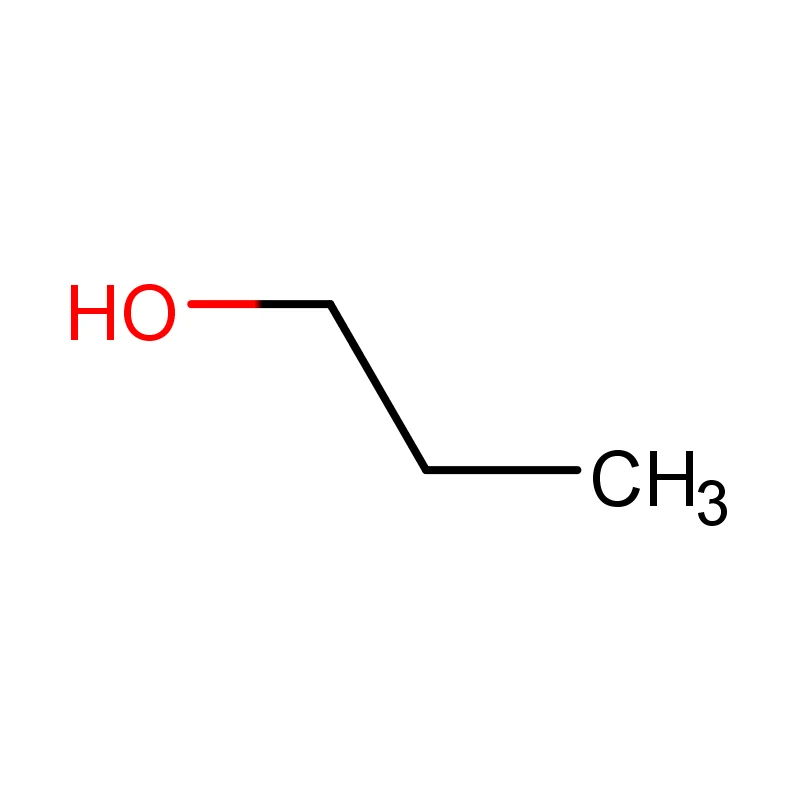
1-Propanol
CAS 71-23-8 · C3H8O
1-Propanol is the main raw material for n-propyl acetate, the green food printing ink solvent, and for n-propylamine, di-n-propylamine, bromopropane...
View specification →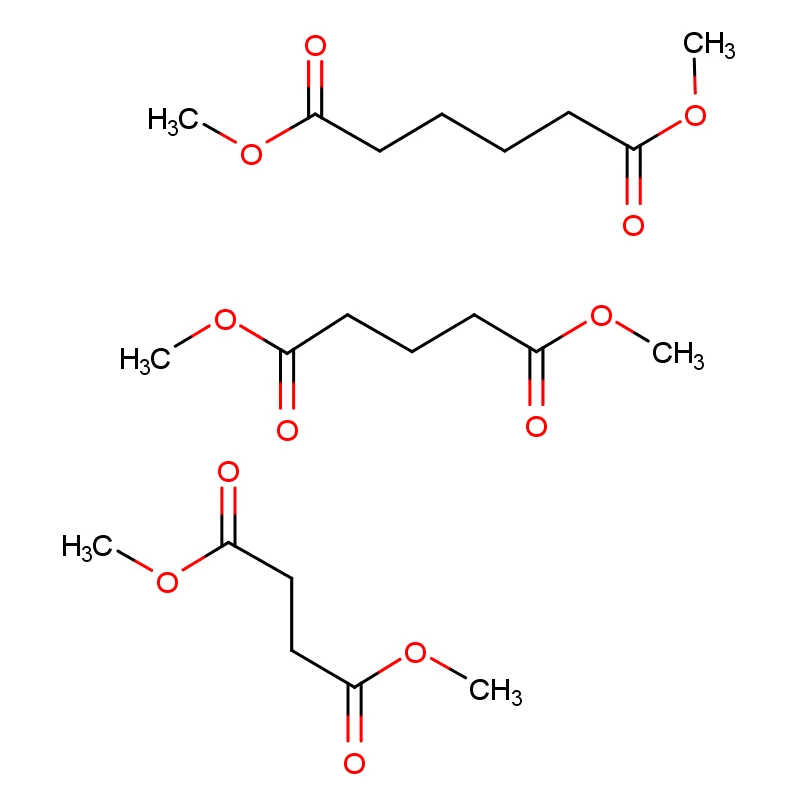
Dibasic Ester DBE
CAS 95481-62-2 · CH3OOC(CH2)nCOOCH3
Dibasic ester, also called divalent acid ester or mixed acid dimethyl ester, is a mixture of dimethyl succinate, dimethyl glutarate and dimethyl adipate.
View specification →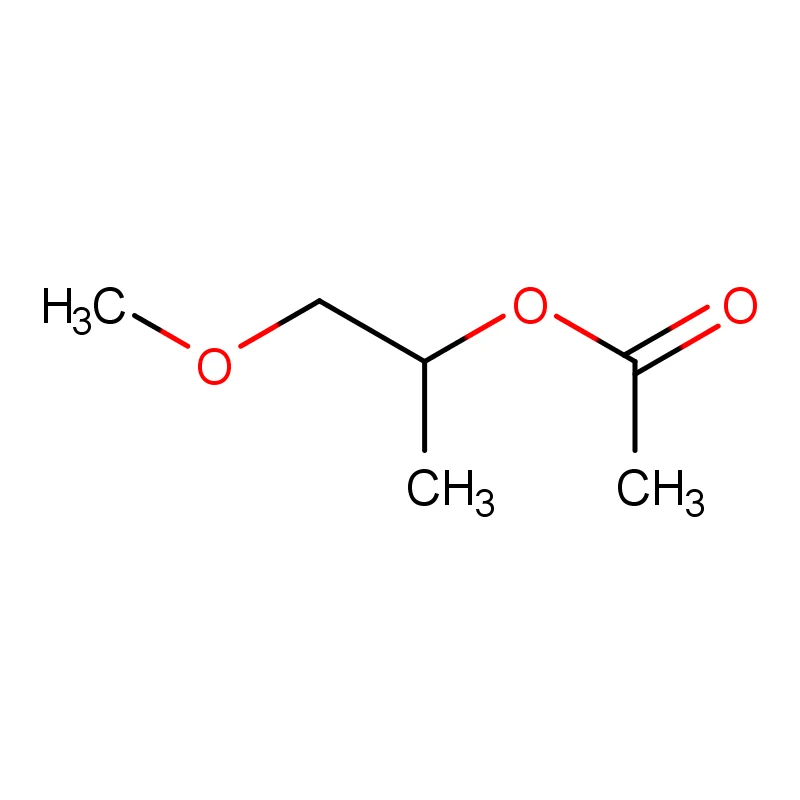
Propylene Glycol Methyl Ether Acetate PMA
CAS 108-65-6 · C6H12O3
Propylene glycol methyl ether acetate is a low-toxicity high-grade solvent whose molecule carries both an ether group and a carbonyl group in ester...
View specification →Where This Product Fits
Request a Quotation for Propyl Acetate
Tell us the grade, the tonnage and the packing your site can unload. We reply within 24 hours with the current quality index.