
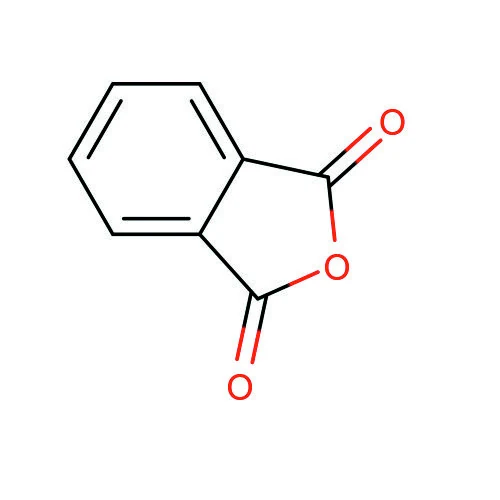
Phthalic Anhydride
Phthalic anhydride is the anhydride half of the phthalate plasticizer pair, supplied at 99.5% minimum purity with a crystallisation point of 130.0 °C minimum. It is a white flake or crystalline powder, insoluble in cold water and soluble in hot water, ethanol, ether, benzene and most organic solvents.
What You Get With This Grade
- Purity 99.5% minimum with free acid content held at 0.5% maximum
- Crystallisation point specified at 130.0 °C minimum, the practical purity check on arrival
- Melting chromaticity 100 maximum and thermal stability chromaticity 150 maximum, both specified
- Quoted alongside 2-ethylhexyl alcohol so the esterification pair arrives on one shipping window
Technical features
- White flake like or crystalline powder with white stripes and other tones
- Insoluble in cold water; soluble in hot water, ethanol, ether and benzene
- An important organic chemical raw material across chemical, pharmaceutical, electronics, agriculture, coatings and fine chemical sectors
- Synonyms include anhydride phtalique and 1,2-benzenedicarboxylic anhydride
Where Phthalic Anhydride Is Used
Phthalate plasticizer production
About 60% of Chinese phthalic anhydride consumption goes to phthalate plasticizers, the largest single outlet.
Dyes and paints
Roughly 25% of consumption serves dyes and paints.
Unsaturated and alkyd resins
About 15% goes to unsaturated resins and other products, and it is a raw material for alkyd resins.
Pharmaceutical and pesticide routes
Used in the production of certain pharmaceuticals and pesticides.
Buyers This Grade Is Built For
- Plasticizer producers esterifying phthalic anhydride with 2-ethylhexyl alcohol
- Alkyd and unsaturated polyester resin manufacturers
- Dye and paint producers using it as an organic chemical raw material
- Buyers who want the anhydride and the alcohol from the same supplier
What It Stops Going Wrong
- A low crystallisation point on arrival means purity is off and the esterification yield will follow
- Free acid above specification drives corrosion and colour in the finished ester
- Colour carried in the anhydride ends up in the plasticizer and then in the finished PVC article
- Two suppliers for the anhydride and the alcohol means two arrival dates for one reaction
Quality Index for Phthalic Anhydride
| CAS number | 85-44-9 |
|---|---|
| Molecular formula | C8H4O3 |
| Molecular weight | 148.12 |
| Appearance | White flake like or crystalline powder with white stripes and other tones |
| Purity | 99.5% minimum |
| Crystallisation point | 130.0 °C minimum |
| Free acid content | 0.5% maximum |
| Melting chromaticity | 100 maximum |
| Thermal stability chromaticity | 150 maximum |
| Water solubility | Insoluble in cold water, soluble in hot water ethanol ether and benzene |
How It Ships and How to Store It
Packing
- Packing arranged to your requirement — send your handling standard with the enquiry
Storage and transport
- Keep dry, since the anhydride will hydrolyse to the acid on contact with water
- Store away from sources of moisture and follow the SDS for handling the flake
How the Lot Is Released
Purity, crystallisation point, free acid and both chromaticity figures are checked against the quality index, with SDS and COA available for the lot.
What We Can Change
Tell us whether your intake is bagged or bulk and the tonnage per call-off, and we will quote the packing that fits your unloading.
Against the Alternatives
Phthalic anhydride and 2-ethylhexyl alcohol are the two halves of the same esterification. The anhydride is a solid flake supplying the aromatic diacid; the alcohol is a liquid supplying the C8 chain. Where a non-phthalate plasticizer is required instead, triethyl citrate is the environmentally friendly non-toxic alternative in our range.
Handling Phthalic Anhydride on Your Site
Written for the person who receives the drum, not for a brochure.
- Check the crystallisation point on arrival as the fastest purity indicator
- Keep the flake dry, since hydrolysis to phthalic acid consumes the anhydride
- Pair the order with 2-ethylhexyl alcohol so the esterification campaign has both feeds on site together
- Review the melting and thermal stability chromaticity figures if the finished plasticizer has a colour specification
Phthalic Anhydride FAQ
What purity and crystallisation point do you supply?
Purity 99.5% minimum with a crystallisation point of 130.0 °C minimum and free acid at 0.5% maximum.
What does phthalic anhydride look like?
A white flake like or crystalline powder with white stripes and other tones.
Is it soluble in water?
It is insoluble in cold water but soluble in most organic solvents including hot water, ethanol, ether and benzene.
What proportion of consumption goes to plasticizers?
In China roughly 60% of phthalic anhydride consumption goes to phthalate plasticizers, about 25% to dyes and paints and about 15% to unsaturated resins and other products.
Can you supply 2-ethylhexyl alcohol on the same order?
Yes. Both sit in the PVC plasticizer feedstock family and are regularly quoted together on one offer.
Do you issue SDS and COA?
Yes, SDS and COA are available. Ask before the order so your QA can review the documents first.
Related Products
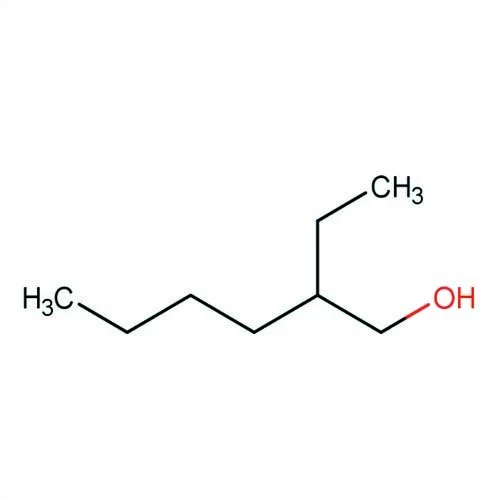
2-Ethylhexyl Alcohol
CAS 104-76-7 · C8H18O
2-Ethylhexyl alcohol, also called octanol or 2-EH, is the C8 alcohol that esterifies with phthalic anhydride and with aliphatic diacids into the...
View specification →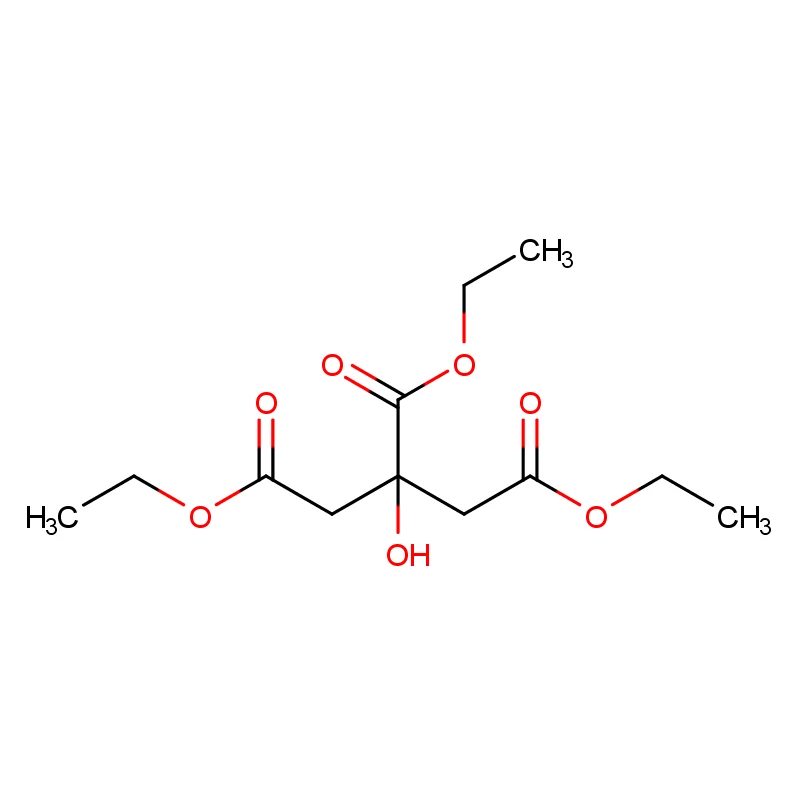
Triethyl Citrate
CAS 77-93-0 · C12H20O7
Triethyl citrate is an environmentally friendly non-toxic ester with strong solvency and good compatibility with a range of resins.
View specification →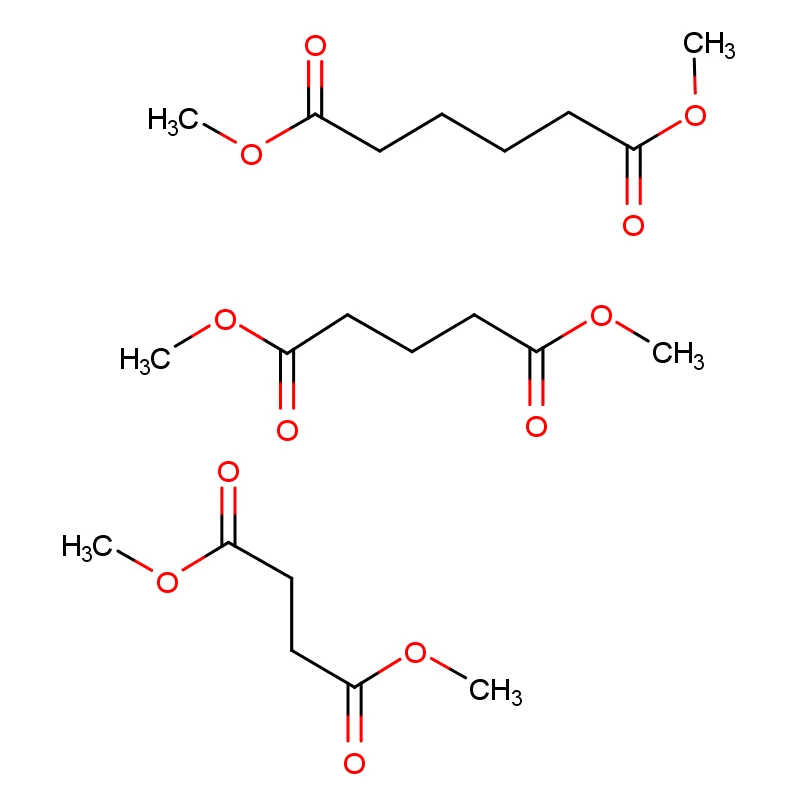
Dibasic Ester DBE
CAS 95481-62-2 · CH3OOC(CH2)nCOOCH3
Dibasic ester, also called divalent acid ester or mixed acid dimethyl ester, is a mixture of dimethyl succinate, dimethyl glutarate and dimethyl adipate.
View specification →Where This Product Fits
Request a Quotation for Phthalic Anhydride
Tell us the grade, the tonnage and the packing your site can unload. We reply within 24 hours with the current quality index.