
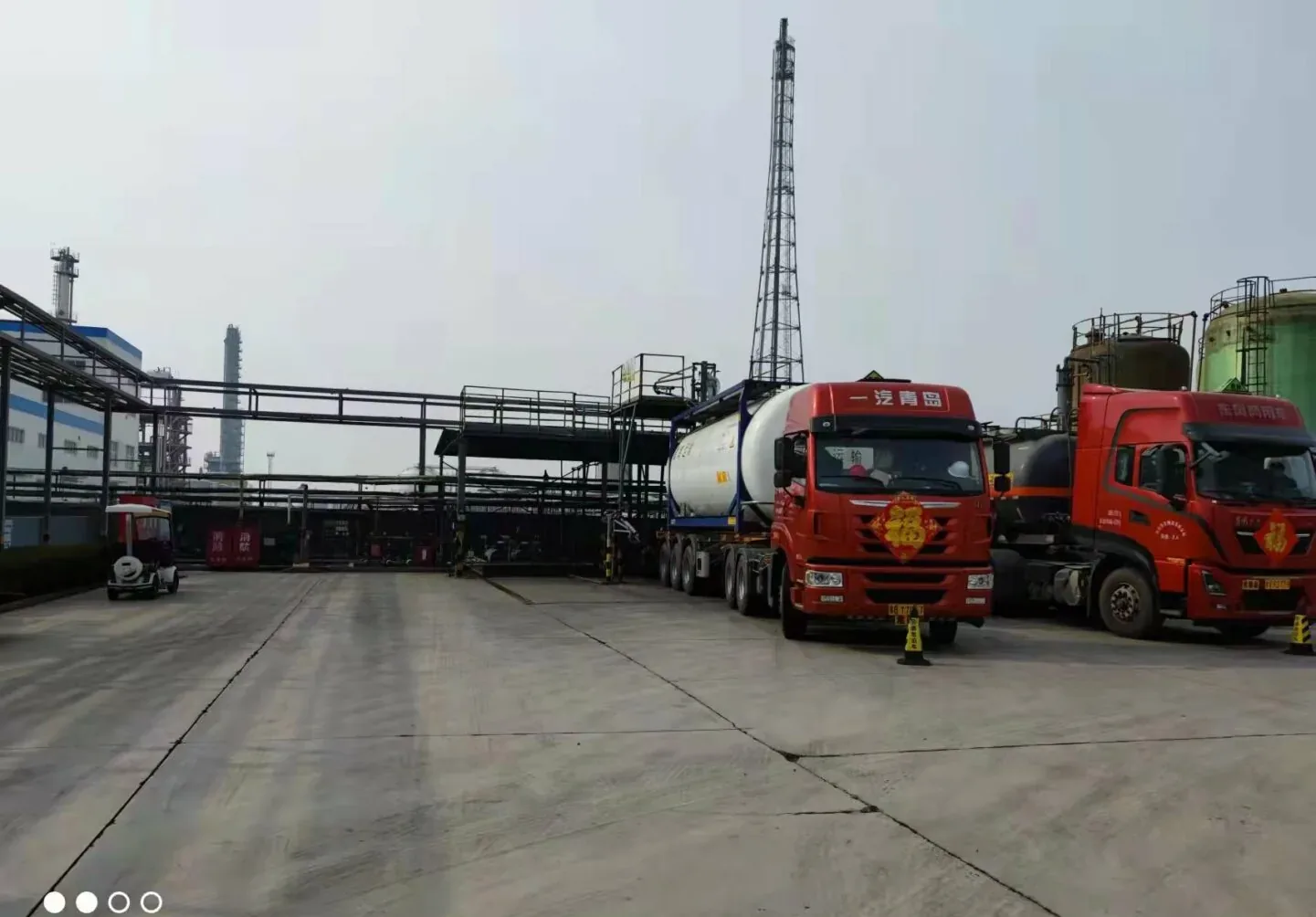
REACH Compliant Aromatic Process Oil for PCR and TBR Tire Compounds
Treated Distillate Aromatic Extract is the low-PAH replacement for traditional DAE aromatic oil. Dakings supplies two viscosity grades, A1426 and A1820, both with a full test report against GB and SH standards including the sum of eight polycyclic aromatic hydrocarbons.
All 2 TDAE Rubber Process Oil Products
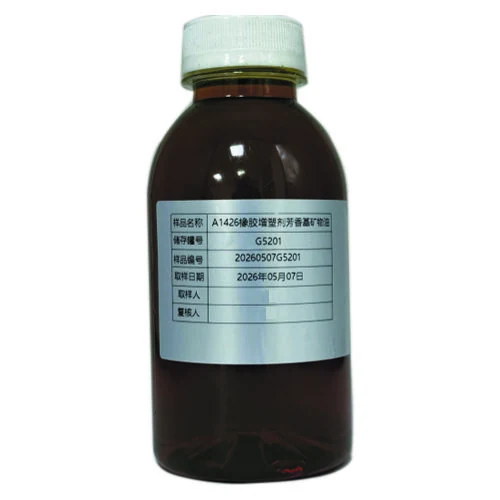
A1426 TDAE Rubber Plasticizer Aromatic Base Mineral Oil
CAS TBC · Treated Distillate Aromatic Extract
A1426 is the lighter of our two TDAE grades, a treated distillate aromatic extract engineered as the environmentally friendly replacement for...
View specification →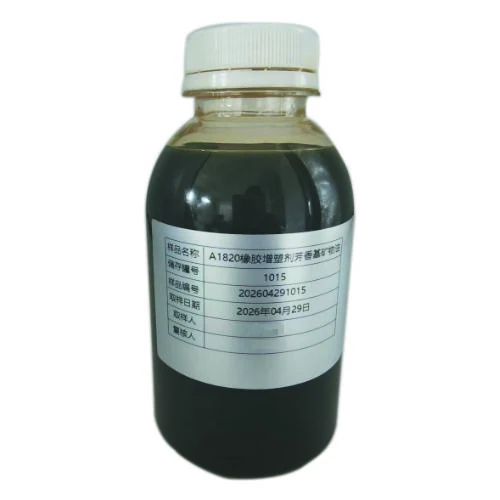
A1820 TDAE Rubber Plasticizer Aromatic Base Mineral Oil
CAS TBC · Treated Distillate Aromatic Extract
A1820 is the heavier, more aromatic of our two TDAE grades, refined as the eco-friendly replacement for traditional high-PAH aromatic oils.
View specification →What Goes Wrong Without a Published Specification
A tire compound that meets EU limits on PAH content needs the oil to be measured, not asserted. Without the 8PAHs number on the report you cannot sign the compliance statement for your customer.
What we do about it
- Sum of eight PAHs measured per lot — 0.97 mg/kg on A1426 and 2.76 mg/kg on A1820 against a 10 mg/kg limit
- Two viscosity grades so compound softening can be matched without changing oil supplier
- Full carbon type analysis reported — CA 18.4% on A1426 and 22.4% on A1820
- Ocean freight by tank container and flexitank, which keeps drum handling out of the mixing room
Industries We Supply From This Range
TDAE Rubber Process Oil Buying Questions
What is the difference between A1426 and A1820?
A1426 has a density of 935.4 kg/m³ at 20 °C, a flash point of 282 °C, an aniline point of 86.4 °C and 18.4% CA. A1820 is the heavier, more aromatic grade at 946.0 kg/m³, flash point 250 °C, aniline point 73.2 °C and 22.4% CA. A1820 softens harder compounds; A1426 is the lighter processing choice.
Does your TDAE meet EU REACH limits on PAH content?
Both grades are specified with the sum of eight polycyclic aromatic hydrocarbons at 10 mg/kg maximum, tested to SN/T 1877.3-2007 Method One. Measured results were 0.97 mg/kg for A1426 and 2.76 mg/kg for A1820 on the reported lots.
Which rubbers is TDAE compatible with?
It integrates with natural rubber, SBR and other synthetic rubbers, and improves filler dispersion for both carbon black and silica.
What does TDAE do to the finished tire?
It improves wear resistance, grip and rolling resistance, and adds flexibility, low-temperature crack resistance and long-term ageing resistance to the cured compound.
How does TDAE ship?
By ocean freight in tank containers and flexitanks. Tell us the discharge port and whether your site can receive a flexitank and we confirm the loading option.
Other Product Families
Organic Peroxides
Initiators and Crosslinkers Made in Our Own Jinshan Plant
Solvents · intermediatesAlcohols Aldehydes and Esters
Solvent Grade Alcohols Aldehydes and Esters for Coatings Inks and Synthesis
Bromo- and chloro- intermediatesHalogenated Hydrocarbons
Bromo and Chloro Intermediates for Grignard Chemistry and Flame Retardancy
Phthalic anhydride · 2-EHPVC Plasticizer Feedstock
The Two Raw Materials Behind Phthalate Plasticizer Production
Get a Quote on TDAE Rubber Process Oil
Send the product, the grade and the annual tonnage. We reply within 24 hours with the quality index and the packing option.