
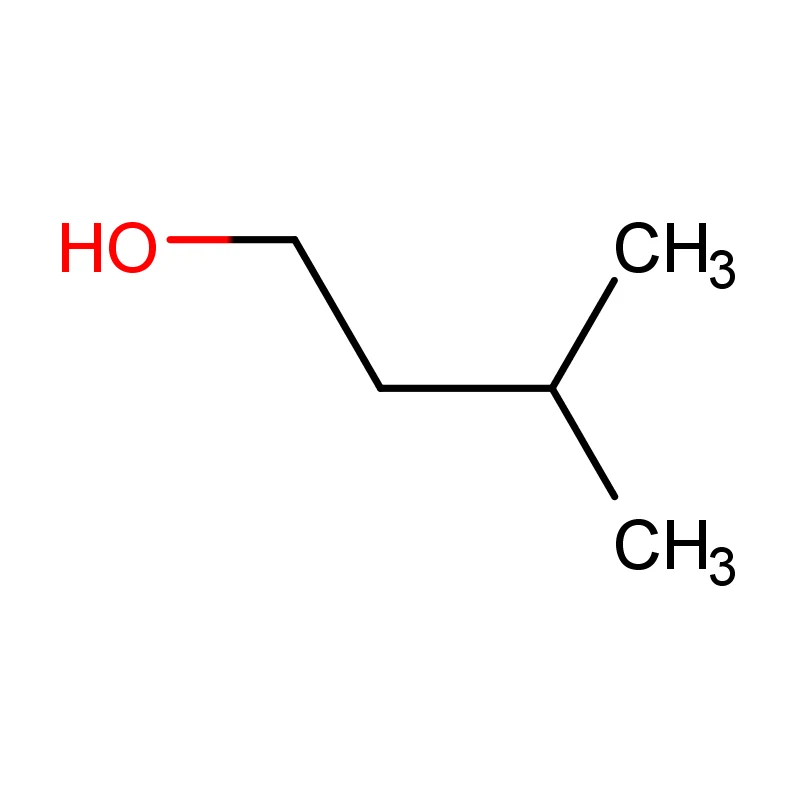
Isoamyl Alcohol
Isoamyl alcohol, 3-methyl-1-butanol, is a colourless liquid slightly soluble in water and miscible with alcohol, ether and other organic solvents. It is used as a photographic chemical, a flavouring, an analytical reagent and for organic synthesis and pharmaceuticals. It occurs naturally as esters in some plants.
What You Get With This Grade
- Main content 99.5% minimum by ISO with the isomer split published
- 3-Methyl-1-butanol at 85.82% minimum and 2-methylbutan-1-ol at 13.68% minimum
- Specific gravity 0.809 maximum and refraction of light 1.407 maximum
- Moisture 0.15 maximum, important for ester synthesis routes
Technical features
- Slightly soluble in water, miscible in alcohol ether and other organic solvents
- Exists naturally in the form of esters in some plants
- Produced from mixed alcohols generated by chlorination and hydrolysis of pentane, or by fractional distillation of heteroalcoholic oils
- Synonyms include 3-methyl-1-butanol, alcool amilico and alcool isoamylique
Where Isoamyl Alcohol Is Used
Flavour and fragrance
Used as a flavouring and in ester synthesis for perfumery.
Analytical laboratory use
Used as an analytical reagent.
Photographic chemistry
Used as a photographic chemical.
Organic synthesis and pharmaceuticals
Used for organic synthesis and in pharmaceutical manufacture.
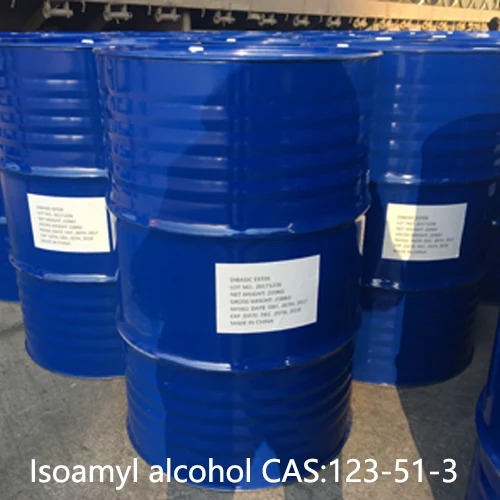
How Isoamyl Alcohol Looks and Ships
Buyers This Grade Is Built For
- Flavour and fragrance houses making isoamyl esters
- Analytical laboratories needing reagent quality material in bulk
- Pharmaceutical manufacturers using it in synthesis
- Buyers who need the isomer ratio stated rather than assumed
What It Stops Going Wrong
- An unstated isomer ratio changes the aroma profile of the ester between lots
- Moisture in the alcohol lowers esterification yield
- Specific gravity and refractive index drift indicate the wrong material has been shipped
- Odour complaints traced to impurities that a published specification would have caught
Quality Index for Isoamyl Alcohol
| CAS number | 123-51-3 |
|---|---|
| Molecular formula | C5H12O |
| Molecular weight | 88.15 |
| Appearance | Colourless liquid with unpleasant odour |
| Main content by ISO | 99.5% minimum |
| 3-Methyl-1-butanol | 85.82% minimum |
| 2-Methylbutan-1-ol | 13.68% minimum |
| Specific gravity | 0.809 maximum |
| Refraction of light | 1.407 maximum |
| Moisture content | 0.15 maximum |
How It Ships and How to Store It
Packing
- Galvanised iron drum or ISO tank, 165 kg net per drum
- Can be packaged according to user requirements
Storage and transport
- Store as a flammable liquid in a ventilated area
- Keep containers sealed to protect the moisture specification
How the Lot Is Released
Main content, both isomer fractions, specific gravity, refraction and moisture are checked against the specification before release.
What We Can Change
165 kg drum or ISO tank, packed according to user requirements.
Against the Alternatives
Isoamyl alcohol is the branched 3-methyl-1-butanol isomer; 1-pentanol is the straight-chain n-amyl isomer at 99.80% minimum; the pentanol mixture blends the two families at 62-68% n-amyl and 32-38% 2-methylbutanol. All three share the C5H12O formula. Choose by which isomer the downstream ester or aroma requires.
Handling Isoamyl Alcohol on Your Site
Written for the person who receives the drum, not for a brochure.
- Confirm the 3-methyl-1-butanol figure of 85.82% minimum when the aroma profile is critical
- Check moisture before an esterification step
- Use specific gravity 0.809 maximum and refraction 1.407 maximum as arrival identity checks
- Store and handle as a flammable liquid
Isoamyl Alcohol FAQ
What is the isomer content?
99.5% minimum main content by ISO, with 3-methyl-1-butanol at 85.82% minimum and 2-methylbutan-1-ol at 13.68% minimum.
What is the specific gravity?
0.809 maximum, with refraction of light at 1.407 maximum and moisture at 0.15 maximum.
How is isoamyl alcohol produced?
From mixed alcohols generated by chlorination and hydrolysis of pentane, or by fractional distillation of heteroalcoholic oils. It also occurs naturally as esters in some plants.
What is it used for?
As a photographic chemical, a flavouring and an analytical reagent, and for organic synthesis and pharmaceuticals.
Is it soluble in water?
Only slightly. It is miscible with alcohol, ether and other organic solvents.
What packing is standard?
Galvanised iron drum or ISO tank at 165 kg net per drum, with packing to user requirements.
Related Products
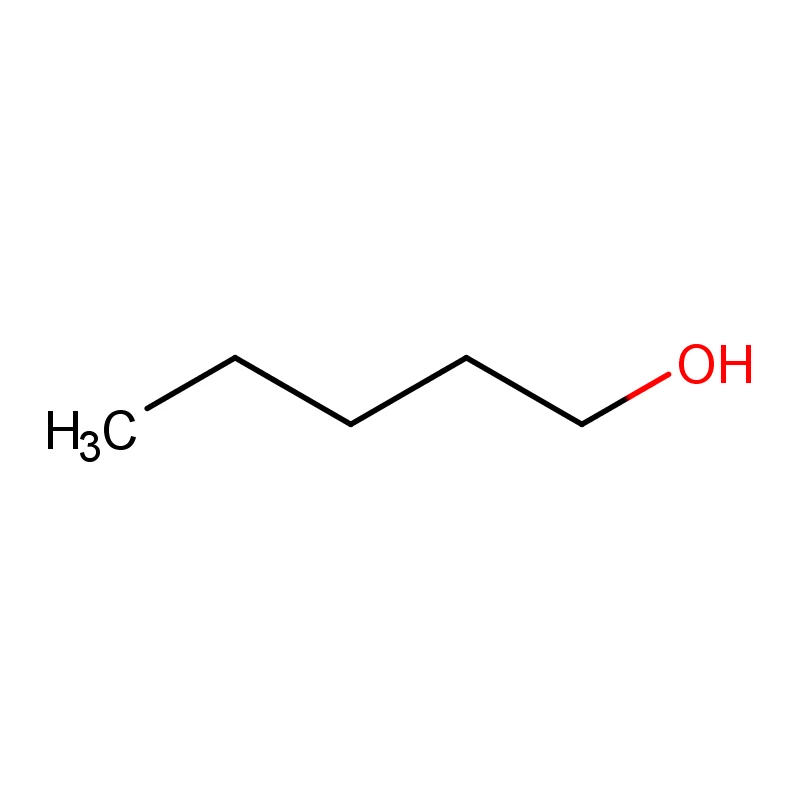
1-Pentanol
CAS 71-41-0 · C5H12O
1-Pentanol, also called n-pentanol or n-amyl alcohol, is the straight-chain form of amyl alcohol with five carbon atoms.
View specification →
Pentanol Mixture
CAS TBC · C5H12O
The pentanol mixture is a multifunctional solvent running 62-68% n-amyl alcohol and 32-38% 2-methylbutanol at 99.0% minimum total content.
View specification →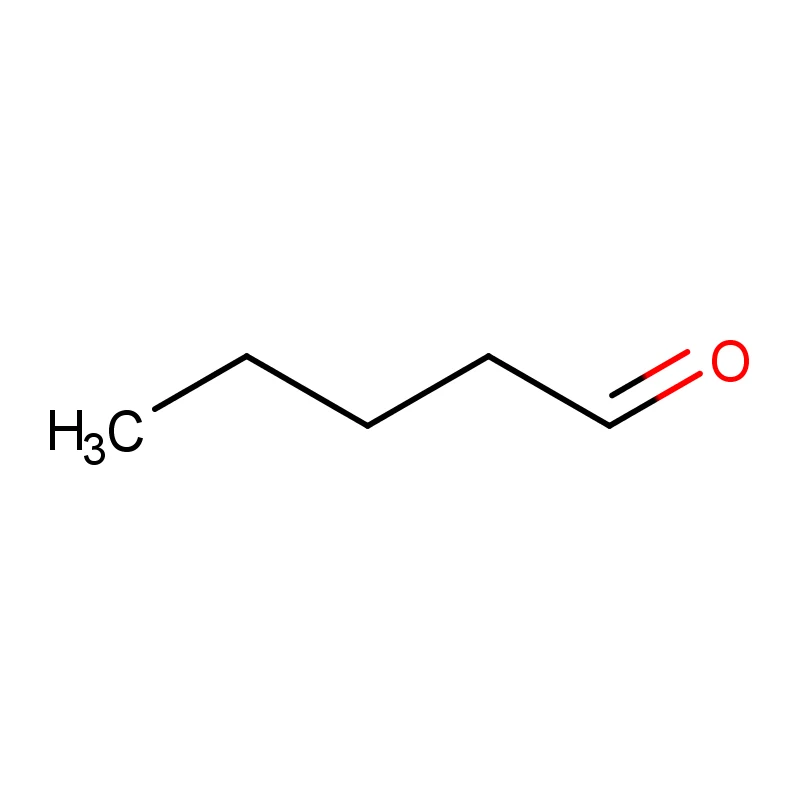
Valeraldehyde
CAS 110-62-3 · C5H10O
Valeraldehyde is a colourless liquid with a pungent odour, a five-carbon chain carrying an aldehyde group.
View specification →Where This Product Fits
Pharmaceutical and Agrochemical Intermediates
Named Intermediates for API and Crop Protection Routes
IndustryFlavours Fragrances and Food Additives
Aroma Chemicals and Food Grade Esters With Stated Isomer Ratios
Product GuideWhere the Pentanol Mixture Is Actually Used
A multifunctional solvent used across coatings, inks, pigments, cleaning agents, flavours and organic synthesis, with a documented isomer split.
Request a Quotation for Isoamyl Alcohol
Tell us the grade, the tonnage and the packing your site can unload. We reply within 24 hours with the current quality index.