
Production Methods and Main Applications of Propionaldehyde
Low-pressure oxo synthesis became the dominant propionaldehyde route from the 1970s and today accounts for the overwhelming share of capacity.
How Propionaldehyde Came to Be Made This Way
Propionaldehyde has several preparation methods, but it was not industrially produced until the early 1950s. In 1975 the United Carbide Company of the United States built a plant using rhodium-phosphine as the catalyst.
After large-scale installation the low-pressure oxo method gradually became the main method and the development direction for propionaldehyde production. In 1981, of the 230,000 t of total propionaldehyde capacity in the United States, Japan and Western Europe, more than 95% was produced by low-pressure oxo synthesis.
What It Feeds
Propionaldehyde is used to produce n-propanol, the preservative raw material propionic acid, the waterborne polyurethane raw material dimethylol propionic acid, the plexiglass monomer methyl methacrylate, the resin raw material trimethylol ethane, and acetone oxime for water treatment.
It also works as a polymerisation inhibitor in polyethylene production, an accelerator for synthetic resins and rubber, an anti-ageing agent, and as antifreeze, lubricant and dehydrating agent. It is recognised as a basic raw material of the fine chemical industry and is used across medicine, paint, plastics, spices, rubber, food and feed.
Buying Specification
Our propionaldehyde is a colourless transparent liquid with no visible impurities, density 0.790-0.800 g/cm³ at 20 °C, aldehyde content 99.50% minimum, moisture 0.20% maximum and acid content as propionic acid 0.10% maximum. It ships in galvanised iron drum or ISO tank at 165 kg net per drum.
Products in This Article
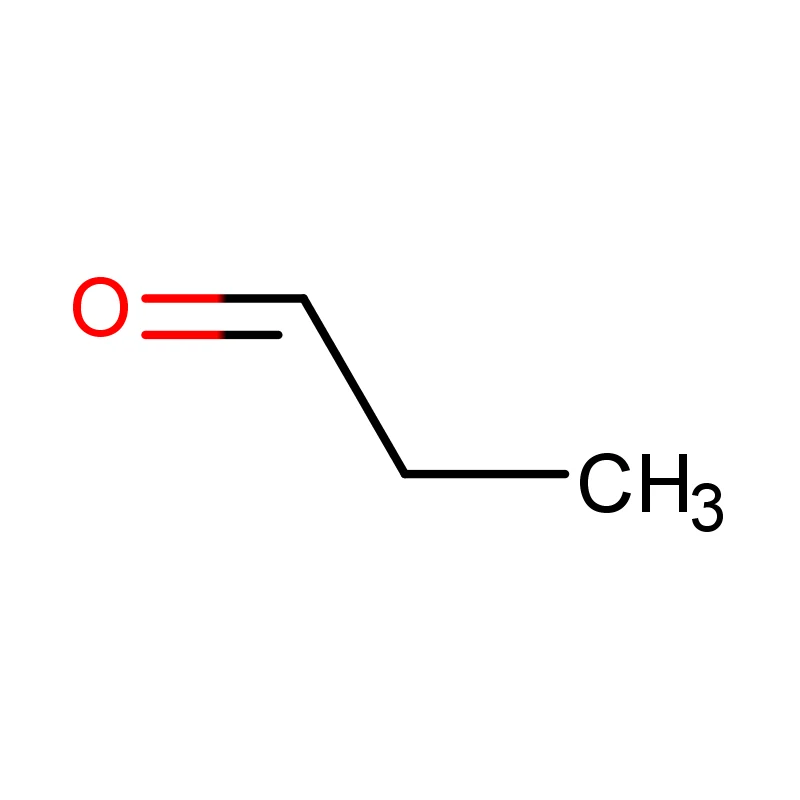
Propionaldehyde
CAS 123-38-6 · C3H6O
Propionaldehyde is recognised as a basic raw material of the fine chemical industry.
View specification →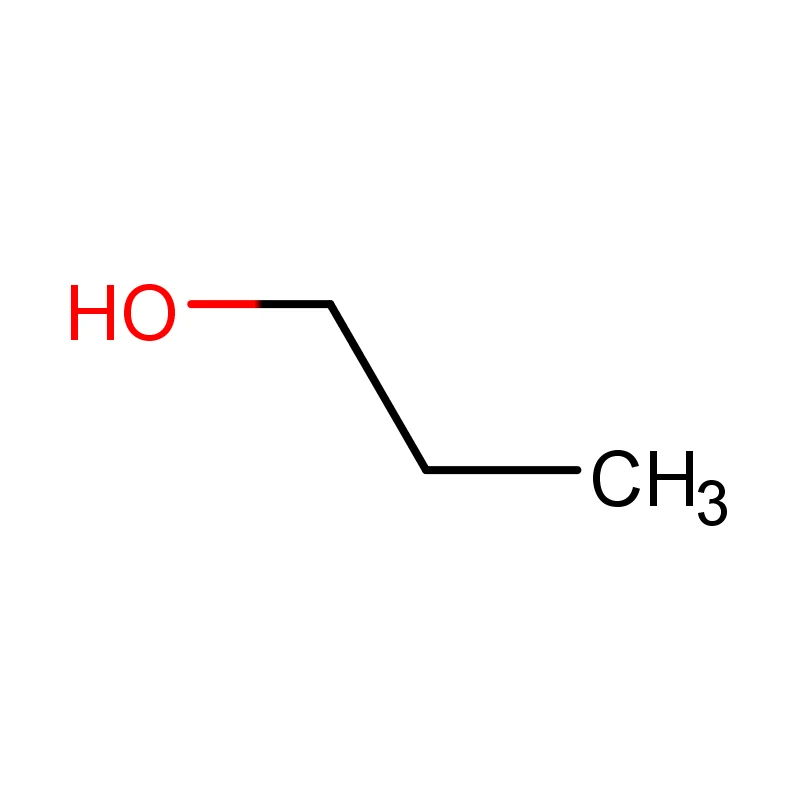
1-Propanol
CAS 71-23-8 · C3H8O
1-Propanol is the main raw material for n-propyl acetate, the green food printing ink solvent, and for n-propylamine, di-n-propylamine, bromopropane...
View specification →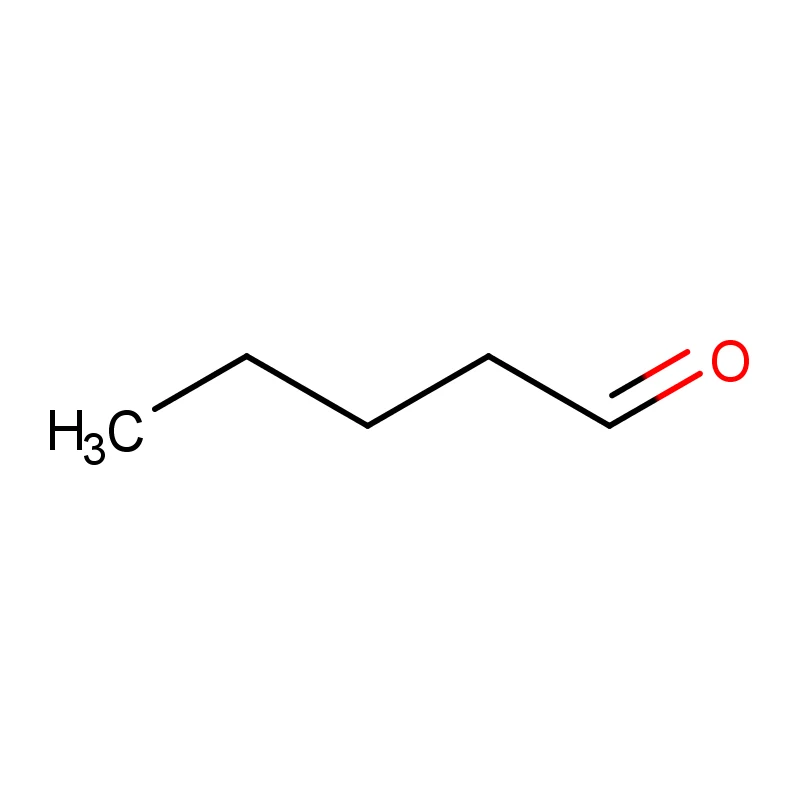
Valeraldehyde
CAS 110-62-3 · C5H10O
Valeraldehyde is a colourless liquid with a pungent odour, a five-carbon chain carrying an aldehyde group.
View specification →Related Pages
Questions on This Topic
What aldehyde content does your propionaldehyde carry?
99.50% minimum aldehyde content by mass fraction, with moisture at 0.20% maximum and acid as propionic acid at 0.10% maximum.
Is propionaldehyde used to make n-propanol?
Yes, it is the raw material for n-propanol, and we supply both, so a buyer can move up or down that step without changing supplier.
Need the Numbers for Your Own Case
Send the application and the volume and we will reply with the relevant quality index rather than a brochure.