
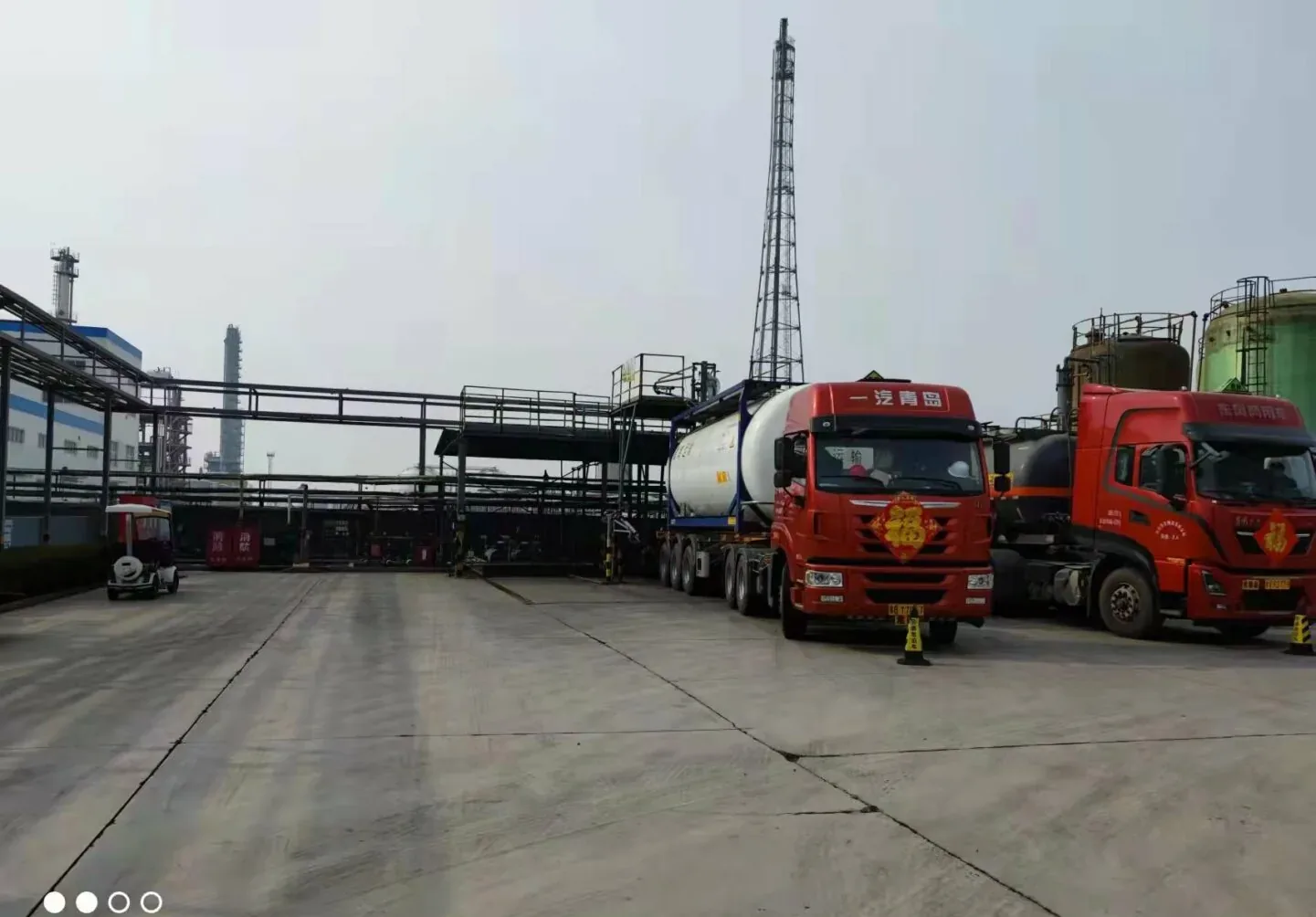
Tire and Rubber Compounding
Tire and rubber plants buy two things from Dakings: the aromatic process oil that softens the compound and disperses the filler, and the peroxide that crosslinks it. Both carry the numbers your compliance file needs.
What This Industry Struggles With
- PAH limits have to be evidenced per lot, not claimed once at qualification
- A change of process oil viscosity shifts mixing torque and extrusion behaviour across the whole line
- Peroxide with drifting active oxygen produces inconsistent cure state between batches
- Aromatic oil that separates in cold storage costs a shift to re-homogenise
What we bring to it
- Tank container and flexitank loading for oil, so no drum handling at the mixing room door
- Cartoned 4x5 kg DCP bags sized to a single batch weigh-up
- Test report per lot covering density, viscosity, flash point, aniline point, CA and 8PAHs
Where Our Material Goes in Your Process
Passenger car tire compounds
A1426 or A1820 TDAE softens the compound, lowers mixing viscosity and improves carbon black and silica dispersion, while keeping 8PAHs well inside the 10 mg/kg limit.
Truck and bus radial tires
The heavier A1820 grade at 22.4% CA carries more aromatic character into high-load compounds where softening demand is greater.
Peroxide cured rubber goods
Dicumyl peroxide at above 99% purity acts as the vulcanising agent for hoses, seals, belts and moulded industrial rubber parts.
Crosslinked polyolefin
The same dicumyl peroxide is used for polyolefin crosslinking, which puts cable and pipe compounders on the same supply line as the rubber shops.
What We Supply Into Tire and Rubber Compounding
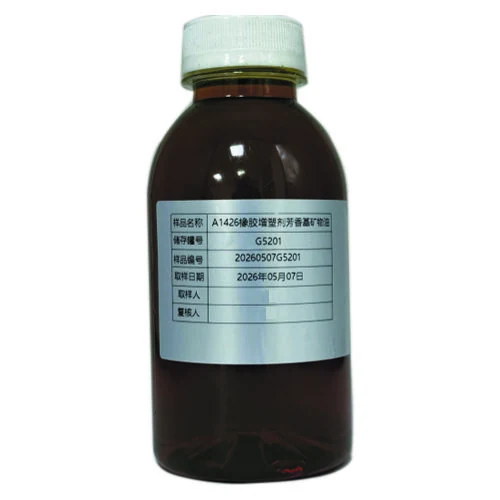
A1426 TDAE Rubber Plasticizer Aromatic Base Mineral Oil
CAS TBC · Treated Distillate Aromatic Extract
A1426 is the lighter of our two TDAE grades, a treated distillate aromatic extract engineered as the environmentally friendly replacement for...
View specification →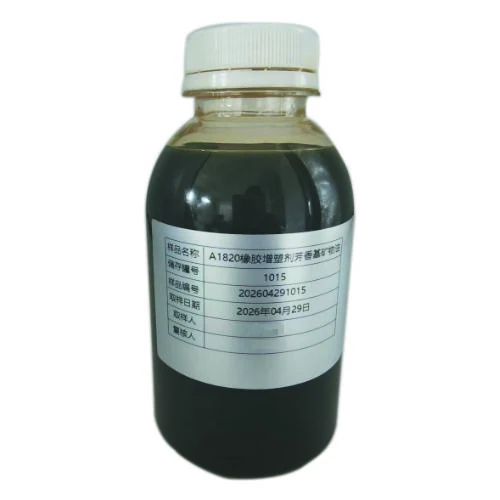
A1820 TDAE Rubber Plasticizer Aromatic Base Mineral Oil
CAS TBC · Treated Distillate Aromatic Extract
A1820 is the heavier, more aromatic of our two TDAE grades, refined as the eco-friendly replacement for traditional high-PAH aromatic oils.
View specification →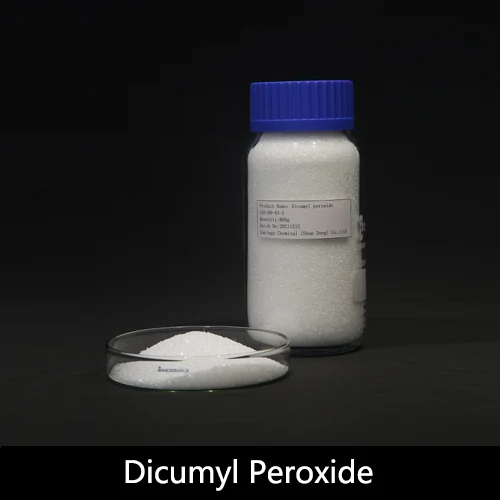
Dicumyl Peroxide
CAS 80-43-3 · C18H22O2
Dicumyl peroxide is the rubber vulcanising agent and polyolefin crosslinker of the range, a white crystalline solid above 99% purity with a melting...
View specification →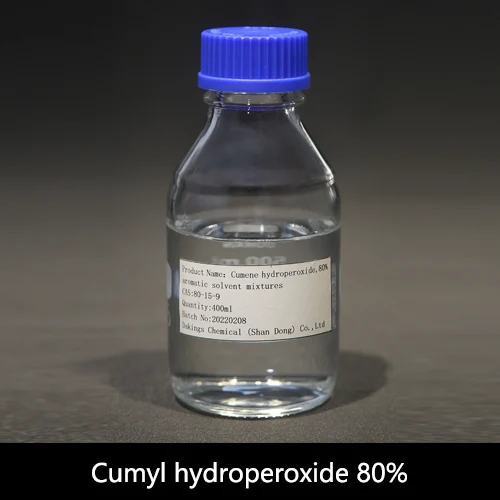
Cumyl Hydroperoxide DKS L-80
CAS 80-15-9 · C9H12O2
Cumyl hydroperoxide DKS L-80 is the 80-85% content grade of the initiator used to start olefin polymerisation and copolymerisation.
View specification →Delivery Capability Behind the Product
Tire and Rubber Compounding Questions
Can you match the process oil grade we run today?
Send us your current oil's density, 100 °C viscosity, aniline point and CA percentage and we will tell you whether A1426 or A1820 sits closer, with the full test report for comparison.
Do you supply both the oil and the curing peroxide?
Yes. TDAE and dicumyl peroxide come from the same company, so the process oil and the crosslinker arrive on one set of documents.
What is the 8PAHs result on your TDAE?
0.97 mg/kg on the reported A1426 lot and 2.76 mg/kg on A1820, both against a 10 mg/kg maximum, tested to SN/T 1877.3-2007 Method One.
How is dicumyl peroxide stored at our plant?
Below 30 °C in a dedicated cool dry ventilated store, out of direct sunlight, away from reducing agents, acids, bases and heavy metal compounds. The SADT is 75 °C with an alarm temperature of 70 °C.
Tell Us What Your Line Runs
Send the specification you buy against today and we will tell you which of our products matches, with the measured test report.