
Coatings Inks and Printing
Coating and ink formulators come to Dakings for the solvent band between fast evaporating esters and high boiling replacements for restricted materials. Nine of our products sit in that band.
What This Industry Struggles With
- Isophorone, cyclohexanone and some glycol ethers are being designed out on toxicity grounds
- Colour bodies in a solvent show up as yellowing in a white topcoat
- Flexo printing on polyolefin and polyamide film needs a solvent that neither dries too fast nor blocks
- High boiling solvents that will not biodegrade create effluent problems at the coating plant
What we bring to it
- Pt-Co colour specified on the solvents where yellowing matters — 10 maximum on propyl acetate and 1-propanol, 5 measured on PM
- Distillation range reported on PM at 117.6-119 °C against a 117-125 °C specification
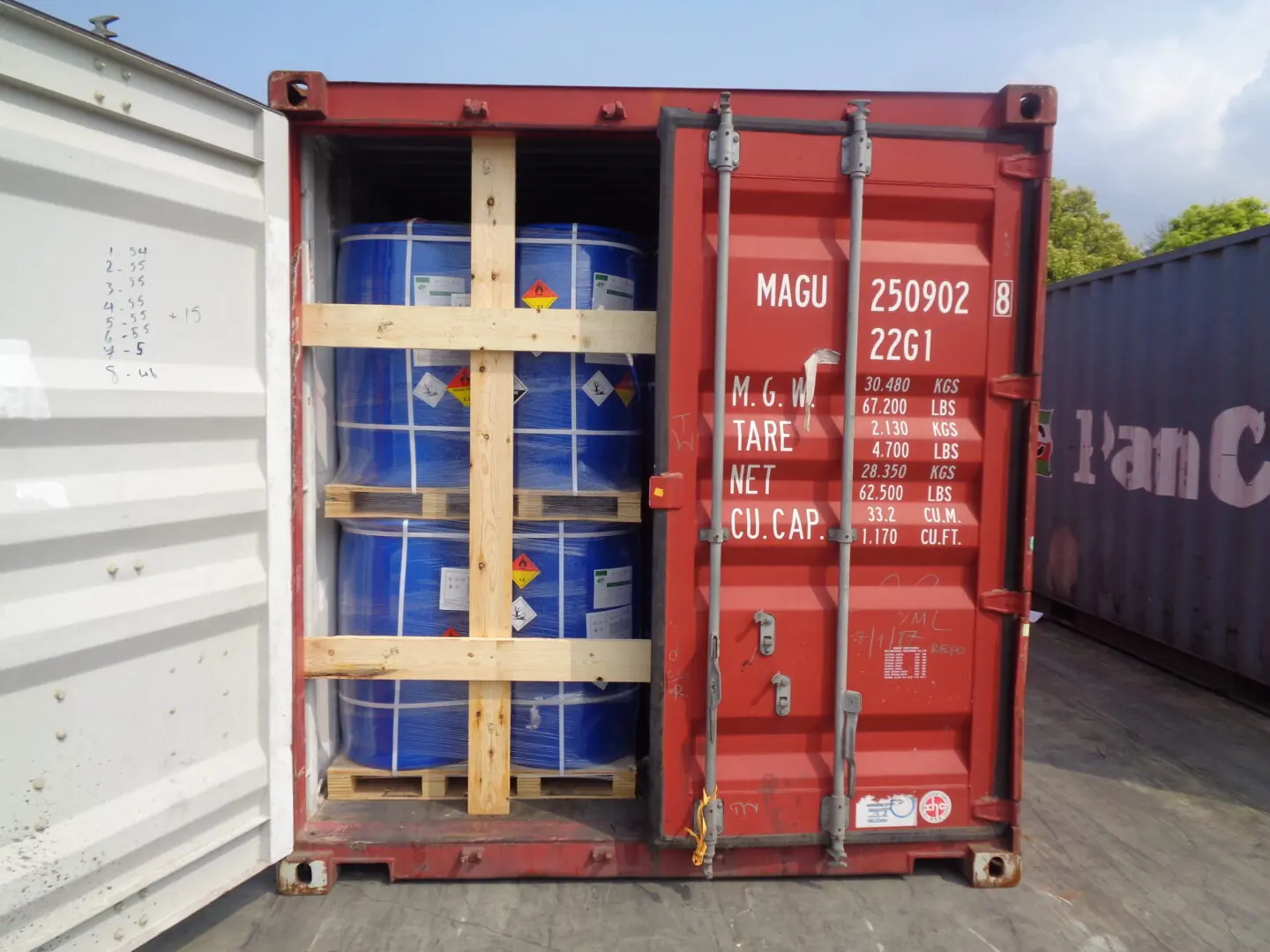
- Drum, IBC, ISO tank and flexitank so pilot volumes and production volumes come from the same lot
Where Our Material Goes in Your Process
Bake and coil coatings
Dibasic ester is a biodegradable high boiling solvent that replaces isophorone, glycol ethers and cyclohexanone in baked synthetic resin, coil and sheet coatings and in can interior and exterior coatings.
Automotive intermediate and topcoat
Dibasic ester is used to reach the intended gloss and smoothness of the intermediate and topcoat film.
Flexographic and gravure inks
1-Propanol is the special solvent for flexo inks on polyolefin and polyamide film; propyl acetate is the moderating quick-drying partner.
Electronic chemicals and high grade coatings
PMA carries both ether and ester functionality in one molecule, which gives it dissolving power for polar and non-polar resin alike.
Pigment and ink dispersion
The pentanol mixture works as solvent, dispersant and thickener and helps diffuse pigment molecules through the vehicle.
What We Supply Into Coatings Inks and Printing
Dibasic Ester DBE
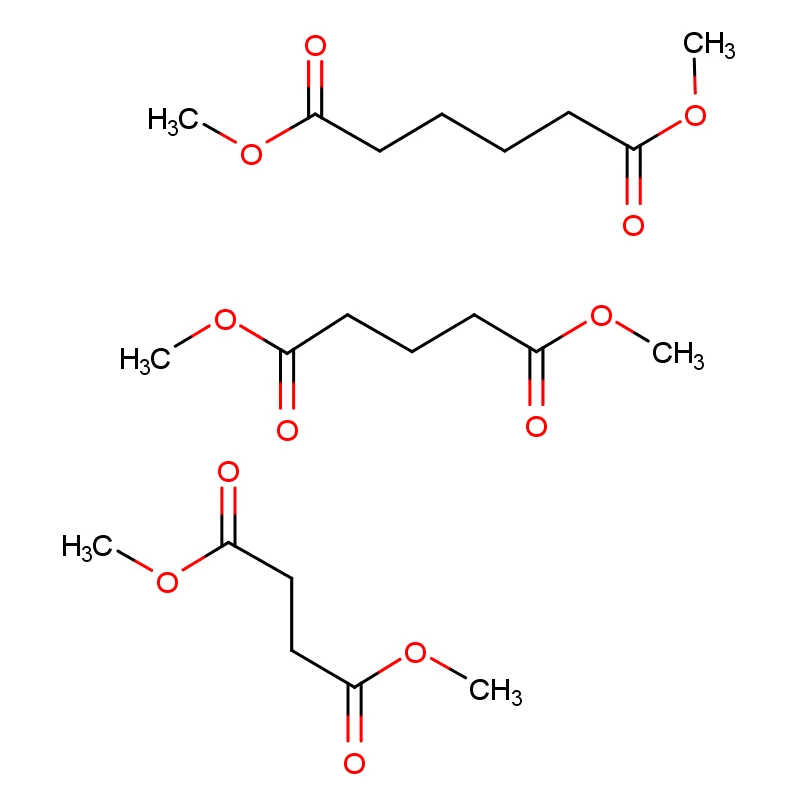
CAS 95481-62-2 · CH3OOC(CH2)nCOOCH3
Dibasic ester, also called divalent acid ester or mixed acid dimethyl ester, is a mixture of dimethyl succinate, dimethyl glutarate and dimethyl adipate.
View specification →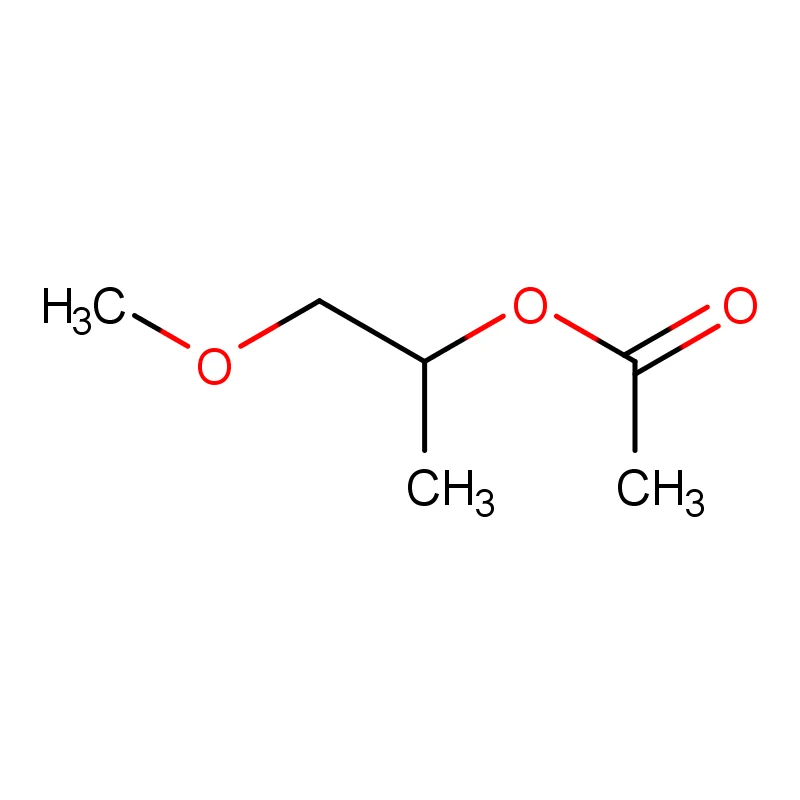
Propylene Glycol Methyl Ether Acetate PMA
CAS 108-65-6 · C6H12O3
Propylene glycol methyl ether acetate is a low-toxicity high-grade solvent whose molecule carries both an ether group and a carbonyl group in ester...
View specification →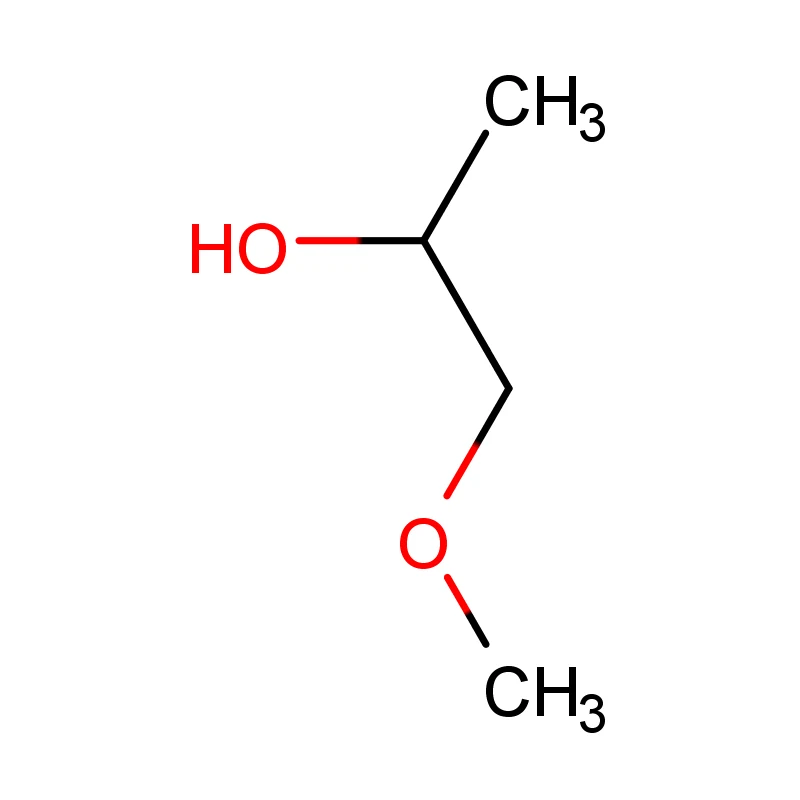
1-Methoxy-2-Propanol PM
CAS 107-98-2 · C4H10O2
1-Methoxy-2-propanol, the glycol ether known as PM, is used as a solvent, dispersant or diluent in coating, ink, printing and dyeing, pesticide,...
View specification →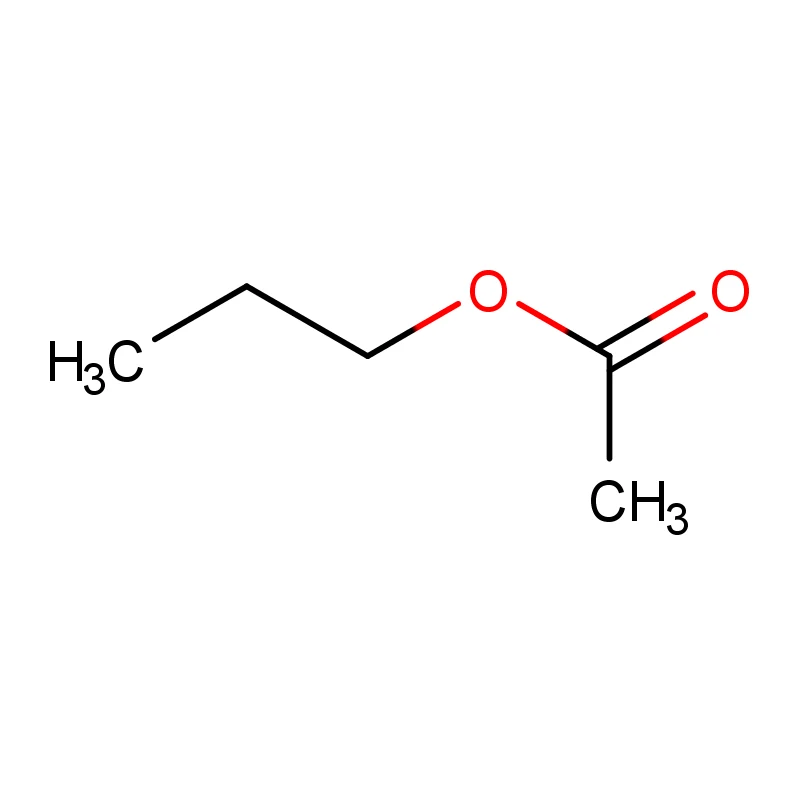
Propyl Acetate
CAS 109-60-4 · C5H10O2
Propyl acetate is a coating and ink solvent, a drug extractant and a fragrance solvent, and industrially it is used as an azeotrope for acetic acid...
View specification →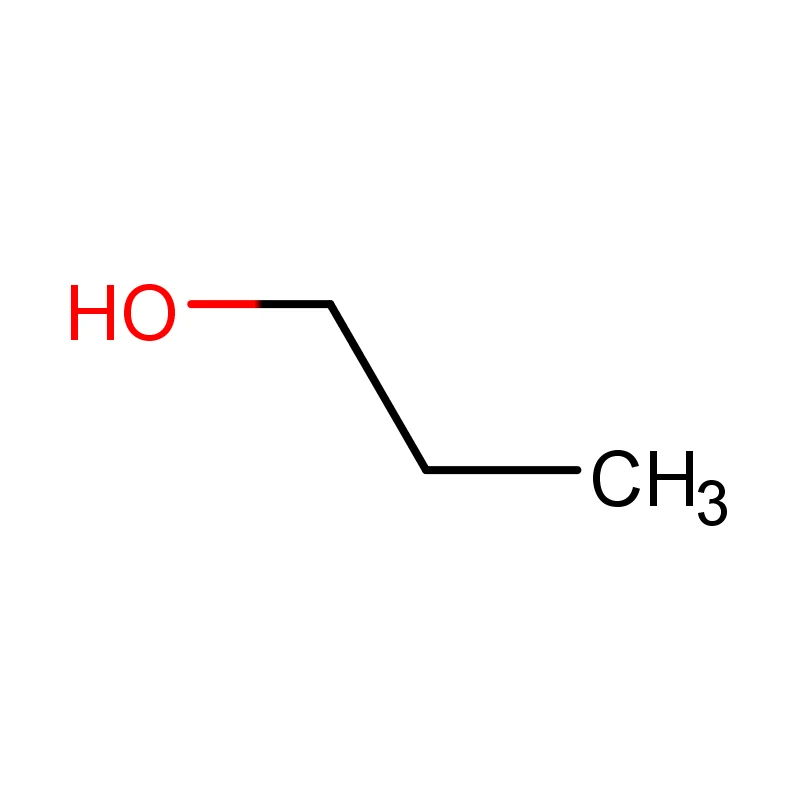
1-Propanol
CAS 71-23-8 · C3H8O
1-Propanol is the main raw material for n-propyl acetate, the green food printing ink solvent, and for n-propylamine, di-n-propylamine, bromopropane...
View specification →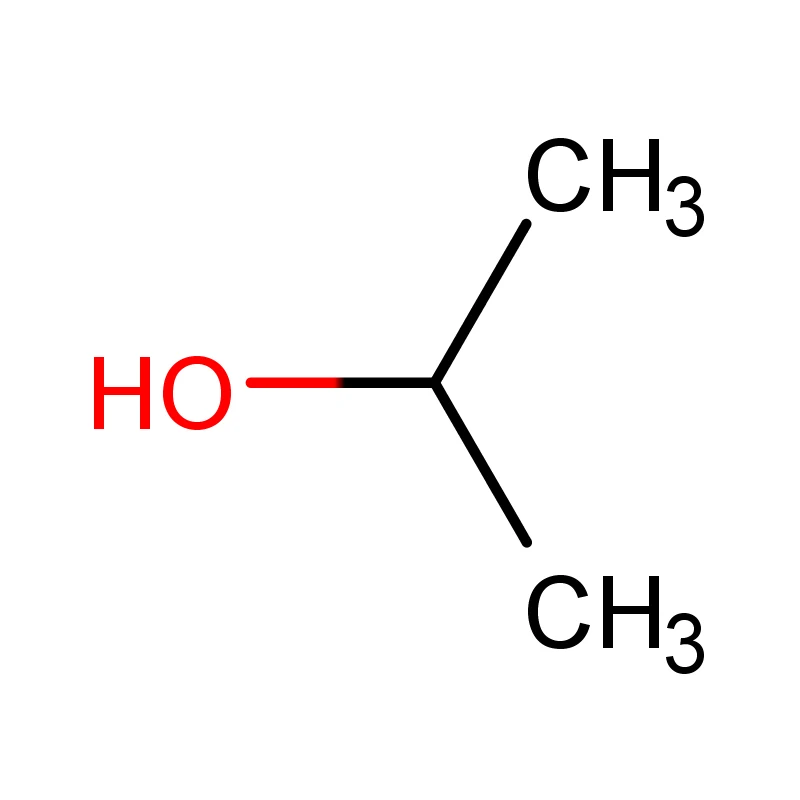
2-Propanol
CAS 67-63-0 · C3H8O
2-Propanol, isopropyl alcohol, is made from propylene and is used as an industrial and coating solvent, as a component in cleaning, car care and...
View specification →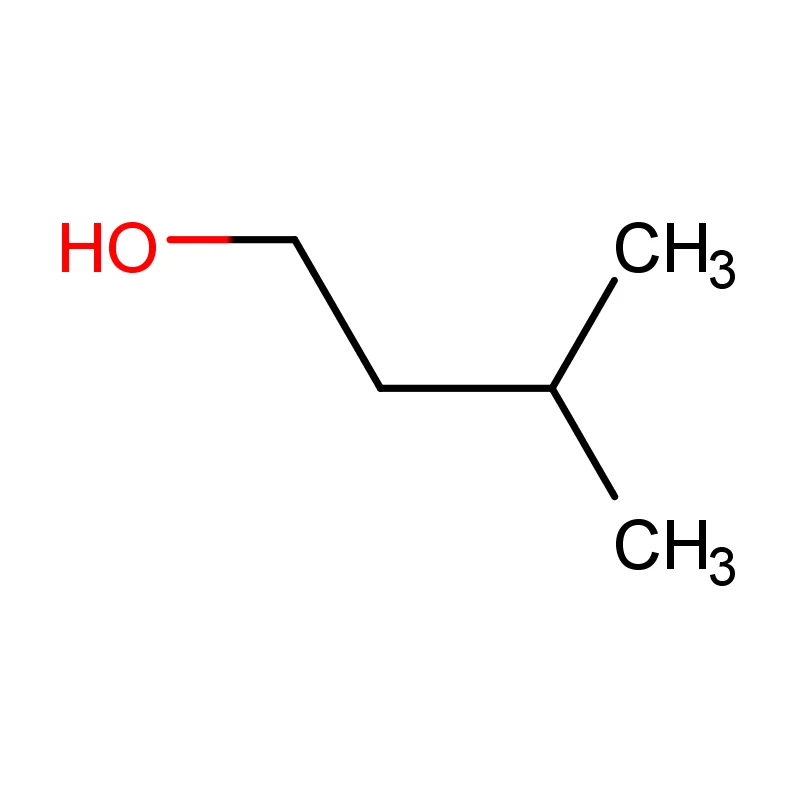
Pentanol Mixture
CAS TBC · C5H12O
The pentanol mixture is a multifunctional solvent running 62-68% n-amyl alcohol and 32-38% 2-methylbutanol at 99.0% minimum total content.
View specification →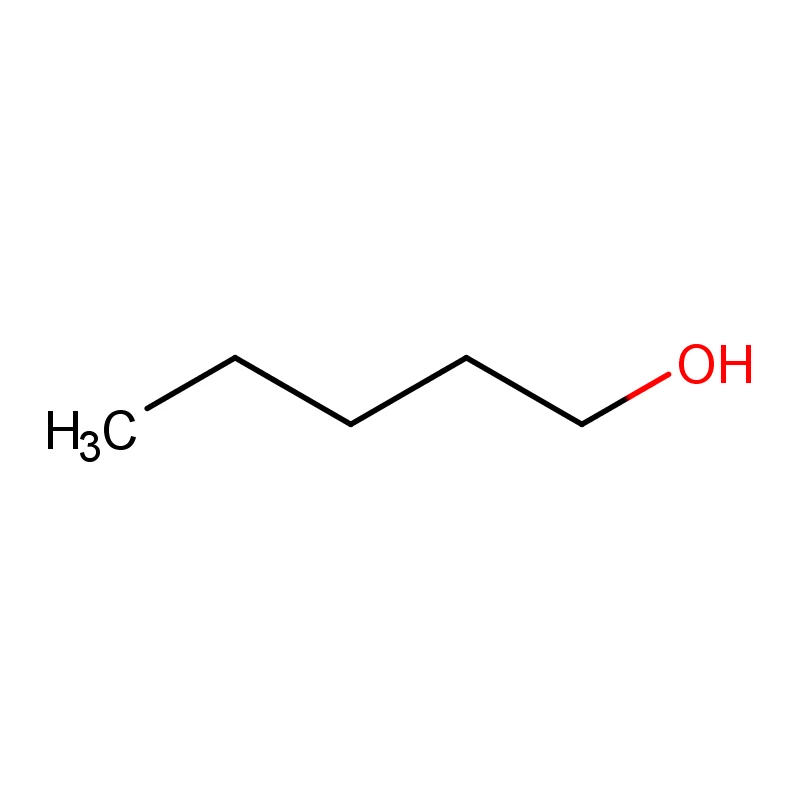
1-Pentanol
CAS 71-41-0 · C5H12O
1-Pentanol, also called n-pentanol or n-amyl alcohol, is the straight-chain form of amyl alcohol with five carbon atoms.
View specification →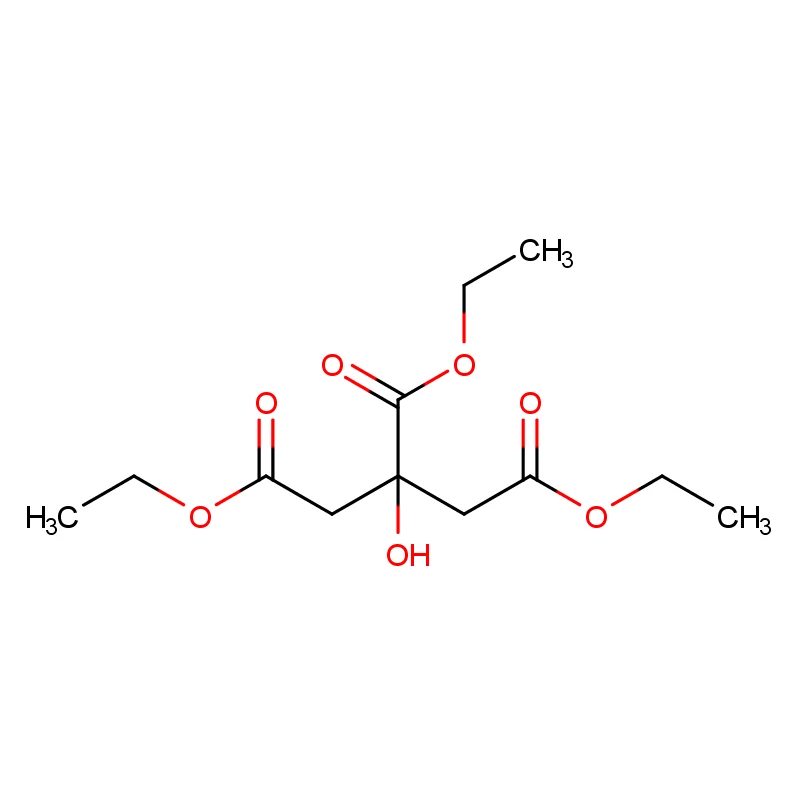
Triethyl Citrate
CAS 77-93-0 · C12H20O7
Triethyl citrate is an environmentally friendly non-toxic ester with strong solvency and good compatibility with a range of resins.
View specification →Delivery Capability Behind the Product
Articles Behind These Products
Analysis Report on the n-Pentanol Market
n-Pentanol production is technology intensive with high technical thresholds, and only a few companies worldwide hold large-scale capacity.
Product GuideWhere the Pentanol Mixture Is Actually Used
A multifunctional solvent used across coatings, inks, pigments, cleaning agents, flavours and organic synthesis, with a documented isomer split.
Process GuideProduction Methods and Main Applications of Propionaldehyde
Low-pressure oxo synthesis became the dominant propionaldehyde route from the 1970s and today accounts for the overwhelming share of capacity.
Coatings Inks and Printing Questions
What can replace cyclohexanone in a bake coating?
Dibasic ester is the direct substitute we supply. It is a colourless mixture of dimethyl succinate, glutarate and adipate at 99.0% minimum ester content with a 195-230 °C distillation range, low volatility and biodegradability.
Which solvent do you recommend for printing on polyolefin film?
1-Propanol as the primary solvent, with propyl acetate as the quick-drying moderator. Both are stocked at 99.5% minimum and 10 maximum Pt-Co colour.
Do you supply glycol ethers and their acetates?
Yes. 1-Methoxy-2-propanol (PM) and propylene glycol methyl ether acetate (PMA) are both listed, with full quality index for PM including density, distillation range, water, acid number and PM content.
Is triethyl citrate suitable as a non-phthalate plasticizer for coatings?
It is an environmentally friendly non-toxic ester with strong solvency and good compatibility with many resins, used in ink coatings and varnish as well as in PVC soft and hard products.
Tell Us What Your Line Runs
Send the specification you buy against today and we will tell you which of our products matches, with the measured test report.