
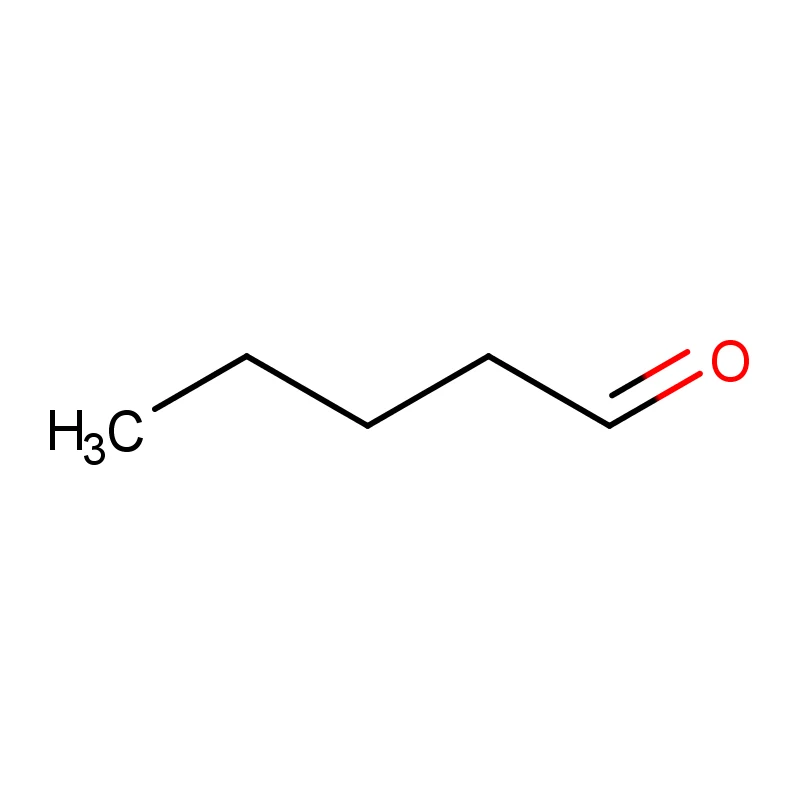
Valeraldehyde
Valeraldehyde is a colourless liquid with a pungent odour, a five-carbon chain carrying an aldehyde group. It is soluble in water and in ethanol and ether, boils at 102-104 °C and has a density of 0.805 g/mL. Industrially it is used mainly to produce pentanol and to oxidise to valeric acid; in flavour work it contributes a fruity or nutty aroma.
What You Get With This Grade
- n-Valeraldehyde 99.50% minimum with isovaleraldehyde held to 0.20% maximum
- Water 0.10% maximum, which matters because aldehydes hydrate and oxidise in storage
- Boiling point and density published — 102-104 °C and 0.805 g/mL
- Supplied alongside 1-pentanol, the product it feeds, from the same supplier
Technical features
- Basic structure of a five-carbon chain with an aldehyde functional group
- Soluble in water and in organic solvents such as ethanol and ether
- Highly flammable and may react vigorously with oxidising agents
- Boiling point 102-104 °C, density 0.805 g/mL
Where Valeraldehyde Is Used
Pentanol production
Mainly used for the production of pentanol.
Valeric acid production
Used for oxidation to valeric acid.
Flavour and fragrance
Used as a flavouring agent in food giving a fruity or nutty aroma, and in fragrance production contributing to certain perfumes and cosmetics.
Rubber accelerators
A raw material for rubber accelerators as well as for flavours and fragrances.
How Valeraldehyde Looks and Ships
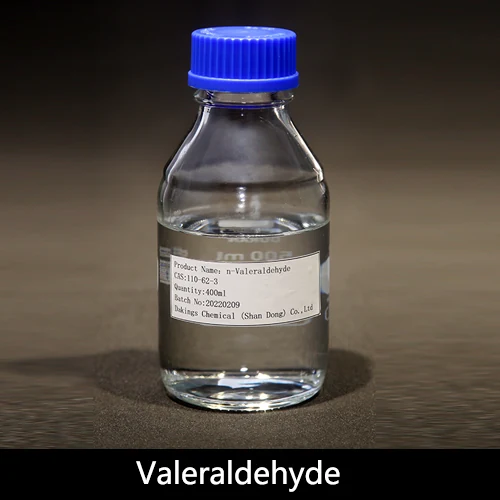
Buyers This Grade Is Built For
- Alcohol producers hydrogenating the aldehyde to pentanol
- Acid producers oxidising to valeric acid
- Flavour and fragrance houses using it for fruity and nutty notes
- Rubber chemical manufacturers making accelerators
What It Stops Going Wrong
- Aldehydes oxidise in store and the acid content climbs before use
- Isovaleraldehyde carried above specification changes the aroma character
- Water in the aldehyde reduces yield in reductive and oxidative routes
- Vigorous reaction with oxidising agents makes storage segregation non-optional
Quality Index for Valeraldehyde
| CAS number | 110-62-3 |
|---|---|
| Molecular formula | C5H10O |
| Molecular weight | 86.13 |
| Appearance | Colourless liquid with pungent odour |
| n-Valeraldehyde | 99.50% minimum m% |
| Isovaleraldehyde | 0.20% maximum m% |
| Water | 0.10% maximum m% |
| Boiling point | 102-104 °C |
| Density | 0.805 g/mL |
How It Ships and How to Store It
Packing
- Galvanised iron drum or ISO tank, 165 kg net per drum
- Can be packaged according to user requirements
Storage and transport
- Highly flammable — keep away from ignition sources
- May react vigorously with oxidising agents, so store separately from oxidisers
- Keep containers sealed and cool to slow oxidation in storage
How the Lot Is Released
n-Valeraldehyde content, isovaleraldehyde and water are checked against the quality index before release. Ask for the batch date with the COA if your process is sensitive to ageing.
What We Can Change
165 kg drum or ISO tank, packed according to user requirements.
Against the Alternatives
Valeraldehyde is the aldehyde one oxidation state below 1-pentanol, which we also supply, and one state below valeric acid. Against propionaldehyde, the other aldehyde in our range, it is the five-carbon rather than three-carbon chain, which is why it heads for pentanol and flavour work while propionaldehyde heads for n-propanol and propionic acid.
Handling Valeraldehyde on Your Site
Written for the person who receives the drum, not for a brochure.
- Segregate from oxidising agents in store, since the reaction can be vigorous
- Check the water and isovaleraldehyde figures before a flavour application
- Ask for the batch date, since aldehydes age in storage
- Handle as a highly flammable liquid
Valeraldehyde FAQ
What content does your valeraldehyde carry?
99.50% minimum n-valeraldehyde, with isovaleraldehyde at 0.20% maximum and water at 0.10% maximum.
What is the boiling point and density?
Boiling point 102-104 °C and density 0.805 g/mL.
What is it mainly used for?
Mainly for the production of pentanol and for oxidation to valeric acid, and as a raw material for flavours, fragrances and rubber accelerators.
What aroma does it give?
A fruity or nutty aroma, which is why it is used as a flavouring agent in food and in fragrance production.
What are the main handling hazards?
It is highly flammable and may react vigorously with oxidising agents, so keep it away from ignition sources and store it separately from oxidisers.
Do you also supply the pentanol it makes?
Yes, 1-pentanol and the pentanol mixture are both in the same product family.
Related Products
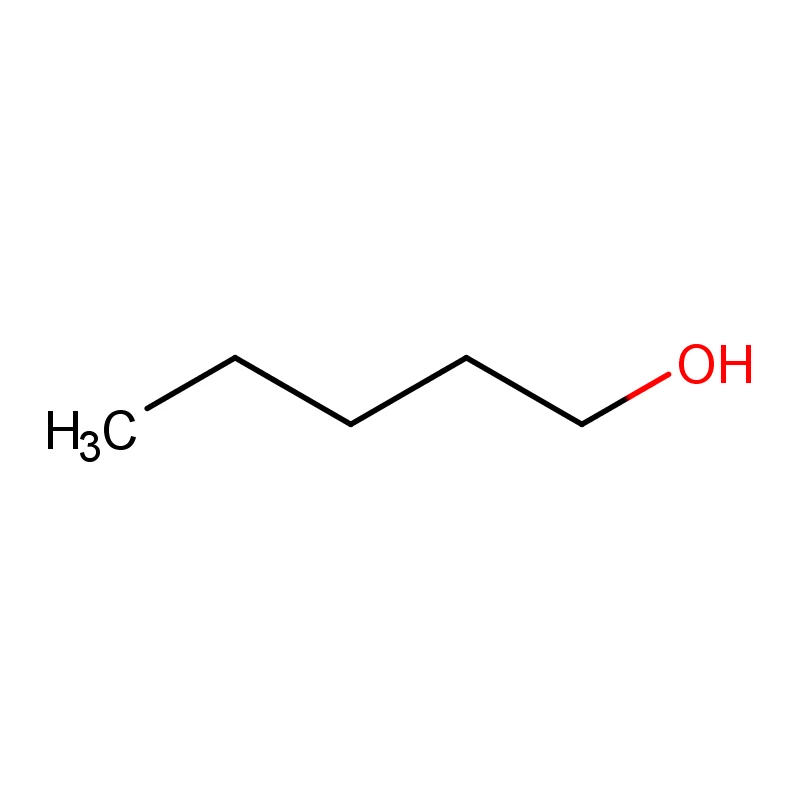
1-Pentanol
CAS 71-41-0 · C5H12O
1-Pentanol, also called n-pentanol or n-amyl alcohol, is the straight-chain form of amyl alcohol with five carbon atoms.
View specification →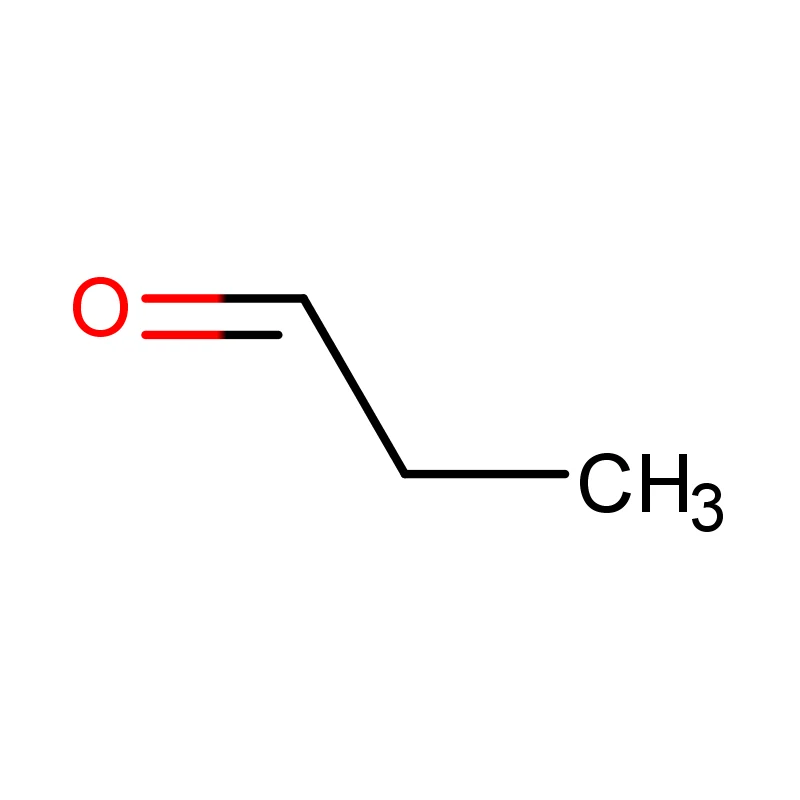
Propionaldehyde
CAS 123-38-6 · C3H6O
Propionaldehyde is recognised as a basic raw material of the fine chemical industry.
View specification →
Pentanol Mixture
CAS TBC · C5H12O
The pentanol mixture is a multifunctional solvent running 62-68% n-amyl alcohol and 32-38% 2-methylbutanol at 99.0% minimum total content.
View specification →Where This Product Fits
Flavours Fragrances and Food Additives
Aroma Chemicals and Food Grade Esters With Stated Isomer Ratios
Industry ArticleAnalysis Report on the n-Pentanol Market
n-Pentanol production is technology intensive with high technical thresholds, and only a few companies worldwide hold large-scale capacity.
Process GuideProduction Methods and Main Applications of Propionaldehyde
Low-pressure oxo synthesis became the dominant propionaldehyde route from the 1970s and today accounts for the overwhelming share of capacity.
Industry ArticleThe Industry Outlook for n-Valeraldehyde
In an integrated petrochemical industry, producers with upstream and downstream positions hold the advantage, and standalone aldehyde producers face pressure.
Request a Quotation for Valeraldehyde
Tell us the grade, the tonnage and the packing your site can unload. We reply within 24 hours with the current quality index.