
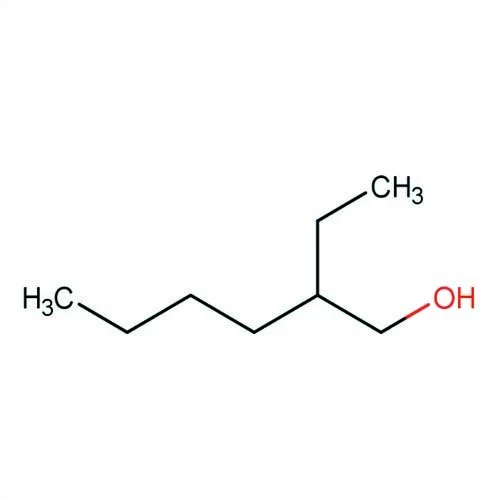
2-Ethylhexyl Alcohol
2-Ethylhexyl alcohol, also called octanol or 2-EH, is the C8 alcohol that esterifies with phthalic anhydride and with aliphatic diacids into the plasticizer range. It is a colourless flammable oily liquid with a special odour, dissolving in about 720 times its weight of water and miscible with most organic solvents.
What You Get With This Grade
- Physical constants stated rather than implied — boiling point 184 °C, melting point -70 °C, flash point 81.1 °C and relative density 0.834 at 20/20 °C
- Feeds both the main plasticizer and the cold-resistant auxiliary plasticizer routes
- Supplied alongside phthalic anhydride so the esterification pair comes from one supplier
- Full first aid and protective equipment guidance published with the product, not buried in a separate file
Technical features
- Colourless flammable liquid with a special odour
- Dissolves in about 720 times water and is miscible with most organic solvents
- Synonyms 2-ethylhexanol, 2-EH, isooctyl alcohol and alcohol C8
- Store and transport at low temperature and prevent exposure to sunlight, per the flammable materials regulations
Where 2-Ethylhexyl Alcohol Is Used
Phthalate plasticizer manufacture
Esterified into dioctyl phthalate and related phthalate esters as the main plasticizer for plastics.
Aliphatic diester plasticizers
Used to make dioctyl azelate and dioctyl sebacate, which serve as cold-resistant auxiliary plasticizers.
Defoaming and dispersing
Used as defoamer, dispersant and mineral processing agent.
Printing dyeing painting and film
Applied across printing and dyeing, painting and film production.
Buyers This Grade Is Built For
- Plasticizer producers running DOP or aliphatic diester lines
- PVC compounders sourcing the raw materials rather than the finished plasticizer
- Formulators needing a defoamer, dispersant or petroleum filler component
- Mineral processing operations using it as a processing agent
What It Stops Going Wrong
- A flammable alcohol stored without reference to its 81.1 °C flash point is a warehouse classification problem
- Sourcing the alcohol and the anhydride separately splits one reaction across two delivery schedules
- Missing first aid guidance slows the site EHS approval for a new raw material
- Cold-resistant plasticizer routes fail if the alcohol quality is not consistent
Quality Index for 2-Ethylhexyl Alcohol
| CAS number | 104-76-7 |
|---|---|
| Molecular formula | C8H18O |
| Molecular weight | 130.231 |
| Structural formula | CH3CH2CH2CH2CH(C2H5)CH2OH |
| Appearance | Colourless transparent oily liquid with irritating odour |
| Relative density at 20/20 °C | 0.834 |
| Boiling point | 184 °C |
| Melting point | -70 °C |
| Flash point | 81.1 °C |
| Water solubility | Dissolves in about 720 times water |
How It Ships and How to Store It
Packing
- Packing arranged to your requirement — confirm drum or bulk with the enquiry
Storage and transport
- Store and transport at low temperature and prevent exposure to sunlight, per flammable material regulations
- Wear chemical safety goggles for eye protection and anti-static work clothes for skin and body protection
- Use a self-priming filter type full face gas mask or long tube mask where vapour exposure is possible
- For fire, use dry powder, carbon dioxide or sand; firefighters must wear gas masks and full body firefighting suits and work from upwind
How the Lot Is Released
Supplied against the stated physical constants with SDS and COA available for the lot. Ask for the current batch document before the order is confirmed.
What We Can Change
Packing and delivery unit are set against your intake. Send the annual tonnage and the call-off pattern and we will confirm what is practical.
Against the Alternatives
2-Ethylhexyl alcohol supplies the C8 chain in a phthalate ester; phthalic anhydride supplies the aromatic diacid. Where a non-phthalate route is needed, triethyl citrate is the environmentally friendly non-toxic plasticizer in our range. Among our alcohols, 2-EH is the plasticizer feedstock while 1-propanol, 2-propanol and the pentanols are solvents and synthesis intermediates.
Handling 2-Ethylhexyl Alcohol on Your Site
Written for the person who receives the drum, not for a brochure.
- Classify storage against the 81.1 °C flash point before the first delivery
- Store at low temperature and out of sunlight as the flammable materials regulations require
- For skin contact remove contaminated clothing and rinse with plenty of water
- For eye contact lift the eyes and face, rinse with flowing water or saline solution and seek medical attention
- For inhalation move to fresh air, administer oxygen if breathing is difficult and seek medical treatment
- In an emergency evacuate to a higher location, isolate the area and restrict entry; responders should wear self-contained positive pressure respirators and acid and alkali resistant work clothes
2-Ethylhexyl Alcohol FAQ
What is the boiling point and flash point?
Boiling point 184 °C and flash point 81.1 °C, with a melting point of -70 °C and relative density 0.834 at 20/20 °C.
What plasticizers does it produce?
Mainly phthalate esters and aliphatic diester plasticizers such as dioctyl phthalate, dioctyl azelate and dioctyl sebacate, used as main plasticizer and cold-resistant auxiliary plasticizer.
What other names does it go by?
2-Ethylhexanol, 2-EH, isooctyl alcohol and alcohol C8. It is also referred to as octanol.
How should it be stored?
As a flammable material, at low temperature and away from sunlight, following the regulations for flammable materials.
What personal protective equipment is needed?
Chemical safety goggles for the eyes, anti-static work clothes for skin and body, and a self-priming filter type full face gas mask or long tube mask where vapour exposure is possible.
What extinguishing media apply?
Dry powder, carbon dioxide or sand. Firefighters must wear gas masks and full body firefighting suits and work from upwind, spraying water to keep containers cool until the fire is out.
Related Products
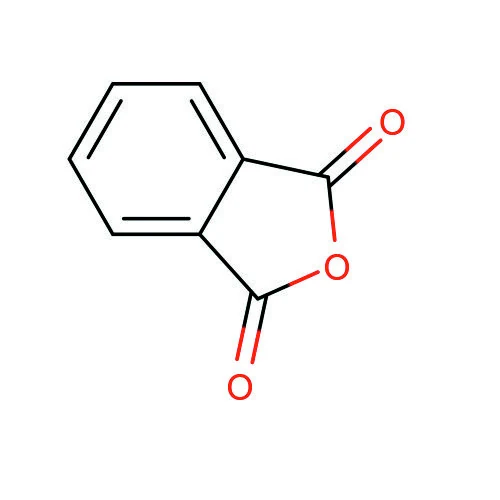
Phthalic Anhydride
CAS 85-44-9 · C8H4O3
Phthalic anhydride is the anhydride half of the phthalate plasticizer pair, supplied at 99.5% minimum purity with a crystallisation point of 130.0 °C...
View specification →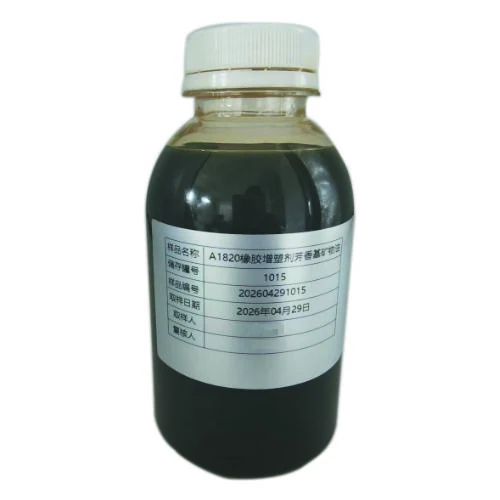
A1820 TDAE Rubber Plasticizer Aromatic Base Mineral Oil
CAS TBC · Treated Distillate Aromatic Extract
A1820 is the heavier, more aromatic of our two TDAE grades, refined as the eco-friendly replacement for traditional high-PAH aromatic oils.
View specification →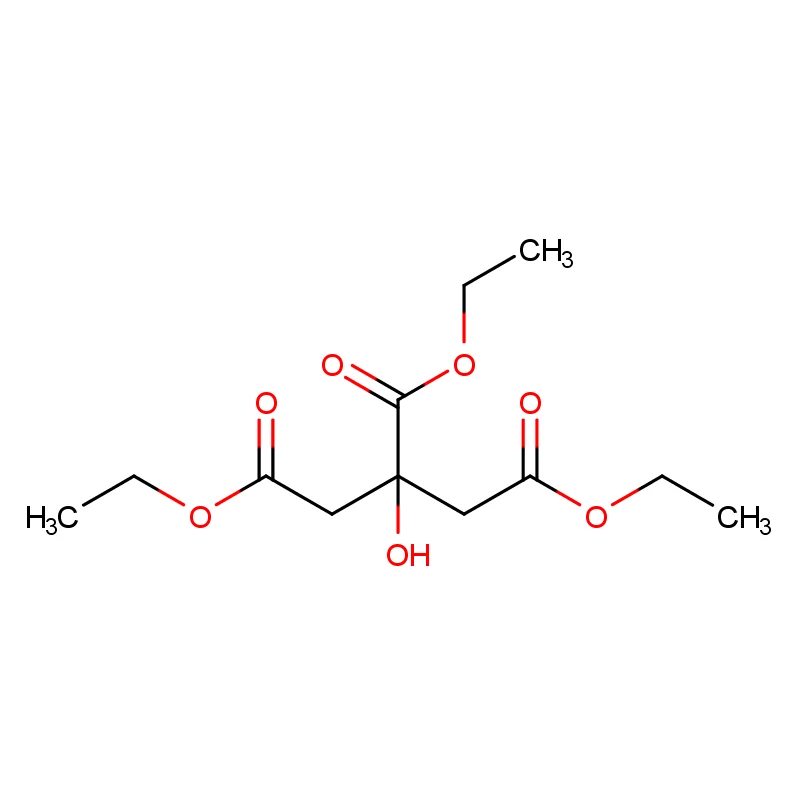
Triethyl Citrate
CAS 77-93-0 · C12H20O7
Triethyl citrate is an environmentally friendly non-toxic ester with strong solvency and good compatibility with a range of resins.
View specification →Where This Product Fits
Request a Quotation for 2-Ethylhexyl Alcohol
Tell us the grade, the tonnage and the packing your site can unload. We reply within 24 hours with the current quality index.