
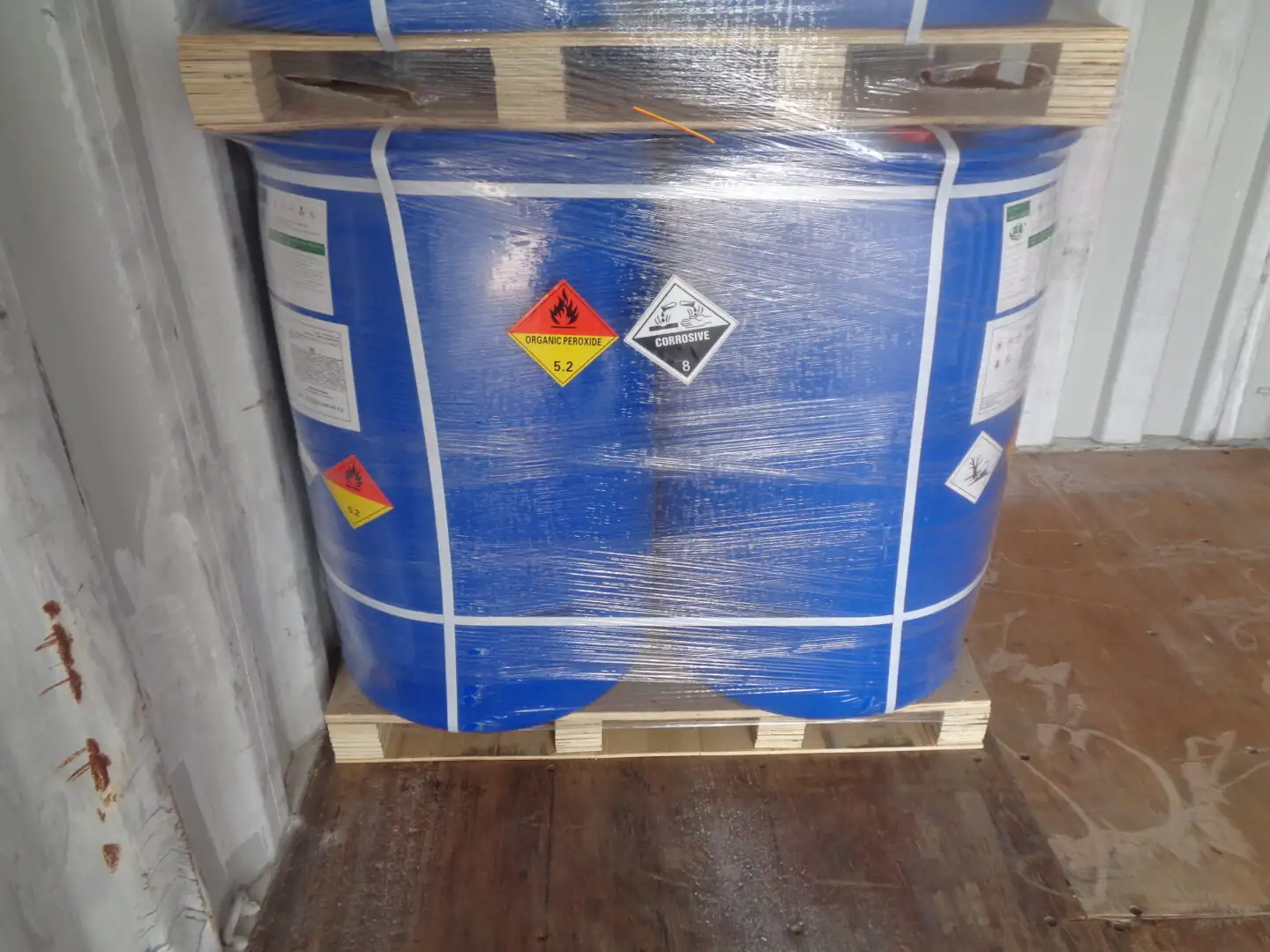
Plastics Polymers and Flame Retardancy
Polymer producers and compounders use Dakings material at three points: starting the polymerisation, crosslinking the finished polymer, and softening or flame retarding it afterwards.
What This Industry Struggles With
- Styrene and butadiene polymerisation will not start without a reliable initiator
- Additive flame retardants bloom out and degrade the mechanical properties of the base resin
- Phthalate plasticizer producers are exposed when the anhydride and the alcohol come from two traders
- Non-phthalate plasticizer demand in toys food contact and pharma keeps rising
What we bring to it
- Initiator, crosslinker, plasticizer feedstock and flame retardant on one supplier code
- Peroxide produced at our own Jinshan base rather than bought on the open market
- Dibromoneopentyl glycol at 97.0% minimum GC assay and 0.5% maximum moisture, 25 kg per bag
Where Our Material Goes in Your Process
Olefin polymerisation
Cumyl hydroperoxide initiates polymerisation and copolymerisation of olefins such as styrene and butadiene, where the double bonds open and the monomers join into long chains.
Polyolefin crosslinking
Dicumyl peroxide crosslinks polyolefins and initiates styrene polymerisation, at above 99% purity and a melting point of 39.5 °C.
Phthalate plasticizer manufacture
Phthalic anhydride at 99.5% minimum and 2-ethylhexyl alcohol esterify into DOP and related diesters.
Non-phthalate soft PVC
Triethyl citrate is used as an environmentally friendly non-toxic plasticizer in soft and hard PVC and in cellulose acetate film.
Reactive flame retardant resins
Dibromoneopentyl glycol builds into unsaturated polyester, thermoplastic and polyurethane resin and into rigid PU foam, giving flame retardancy plus light stability and chemical resistance at low loading.
What We Supply Into Plastics Polymers and Flame Retardancy
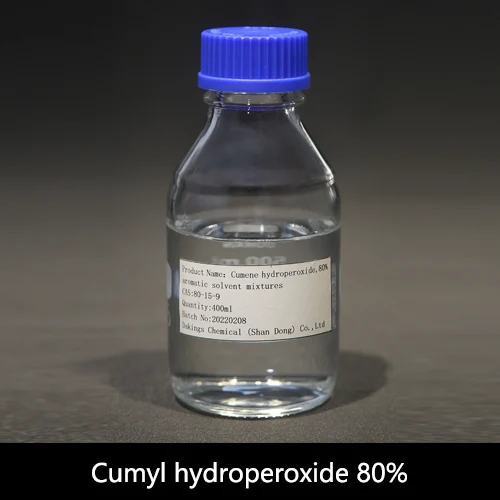
Cumyl Hydroperoxide DKS L-80
CAS 80-15-9 · C9H12O2
Cumyl hydroperoxide DKS L-80 is the 80-85% content grade of the initiator used to start olefin polymerisation and copolymerisation.
View specification →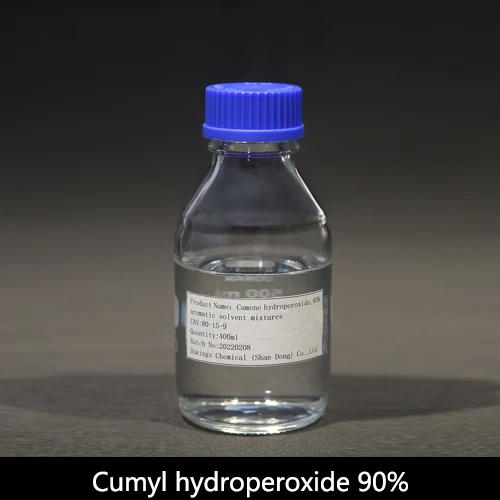
Cumyl Hydroperoxide DKS L-90
CAS 80-15-9 · C9H12O2
Cumyl hydroperoxide DKS L-90 is the high content grade, supplied at 88±1% with 9.14-9.46% actual active oxygen.
View specification →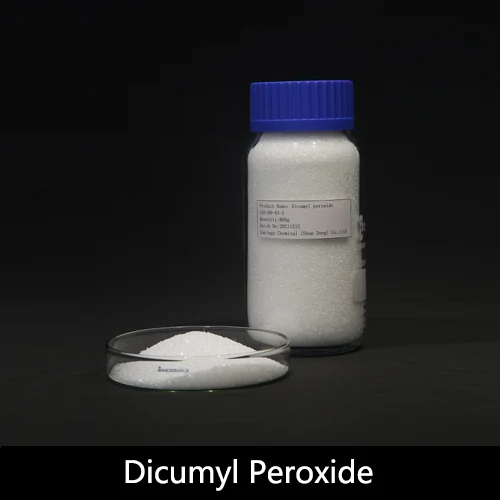
Dicumyl Peroxide
CAS 80-43-3 · C18H22O2
Dicumyl peroxide is the rubber vulcanising agent and polyolefin crosslinker of the range, a white crystalline solid above 99% purity with a melting...
View specification →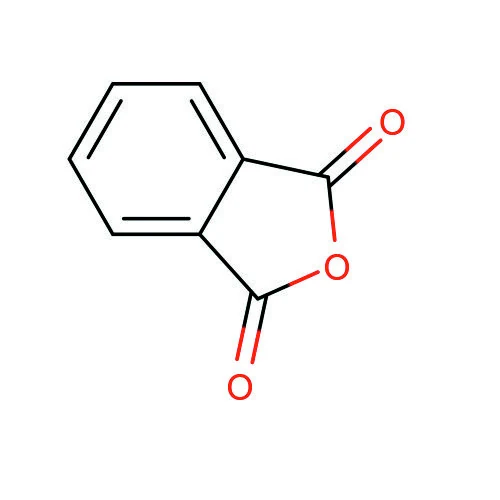
Phthalic Anhydride
CAS 85-44-9 · C8H4O3
Phthalic anhydride is the anhydride half of the phthalate plasticizer pair, supplied at 99.5% minimum purity with a crystallisation point of 130.0 °C...
View specification →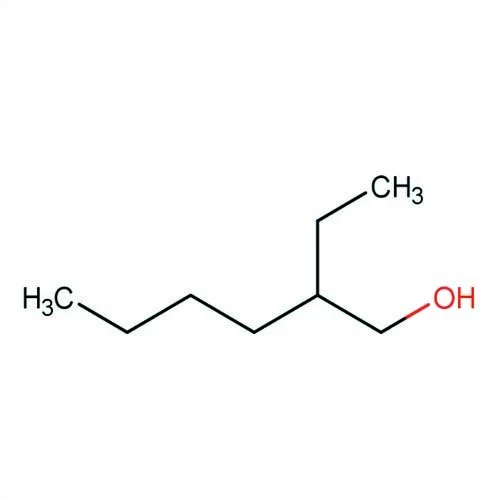
2-Ethylhexyl Alcohol
CAS 104-76-7 · C8H18O
2-Ethylhexyl alcohol, also called octanol or 2-EH, is the C8 alcohol that esterifies with phthalic anhydride and with aliphatic diacids into the...
View specification →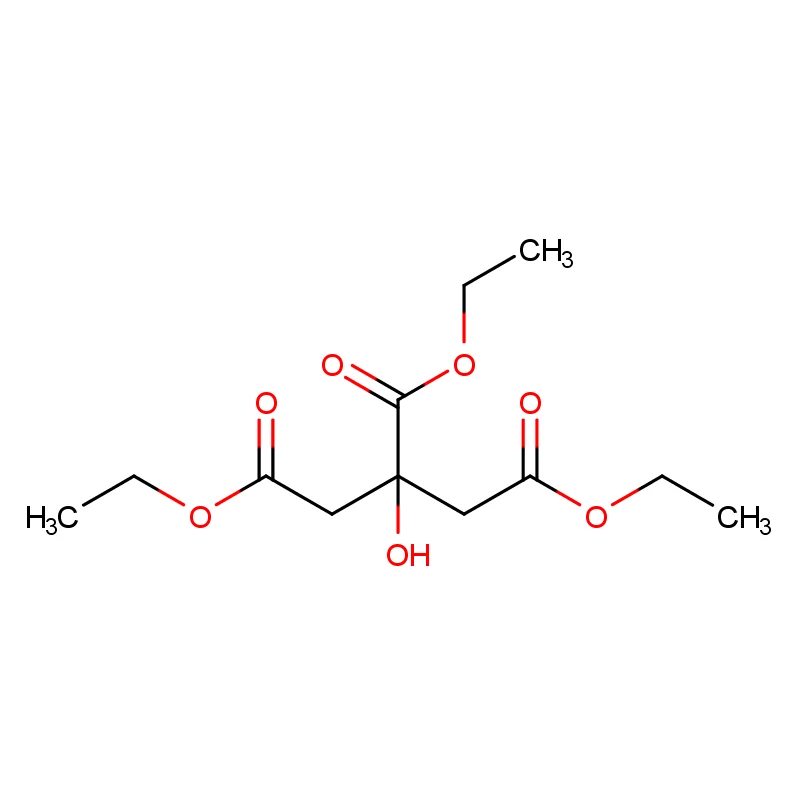
Triethyl Citrate
CAS 77-93-0 · C12H20O7
Triethyl citrate is an environmentally friendly non-toxic ester with strong solvency and good compatibility with a range of resins.
View specification →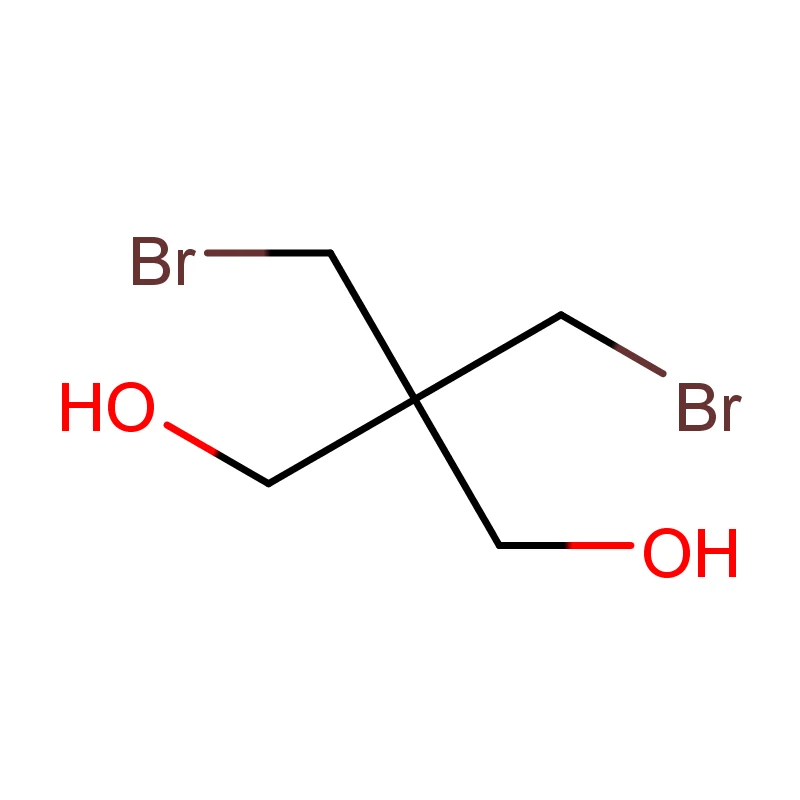
Dibromoneopentyl Glycol
CAS 3296-90-0 · C5H10Br2O2
Dibromoneopentyl glycol is a reactive flame retardant for unsaturated polyester, thermoplastic and polyurethane resins and for rigid polyurethane foam.
View specification →Delivery Capability Behind the Product
Plastics Polymers and Flame Retardancy Questions
Why use a reactive flame retardant instead of an additive one?
Because it becomes part of the polymer. Dibromoneopentyl glycol reacts into the resin, so the dosage is small and the mechanical properties of the base resin are not affected, while light stability and chemical resistance stay good.
Can dibromoneopentyl glycol be used for flame retardant fibre?
Yes. Blended with antimony trioxide it forms a melt with good fluidity and spinnability, and the resulting flame retardant fibres keep good mechanical properties.
Which peroxide initiates styrene polymerisation?
Both. Cumyl hydroperoxide is used to initiate olefin polymerisation including styrene and butadiene; dicumyl peroxide is also used as an initiator of styrene polymerisation as well as a rubber vulcanising agent.
Do you supply both halves of the DOP raw material pair?
Yes — phthalic anhydride and 2-ethylhexyl alcohol are both in the PVC plasticizer feedstock family and can be quoted on a single offer.
Tell Us What Your Line Runs
Send the specification you buy against today and we will tell you which of our products matches, with the measured test report.