
Backlit LED Channel Letters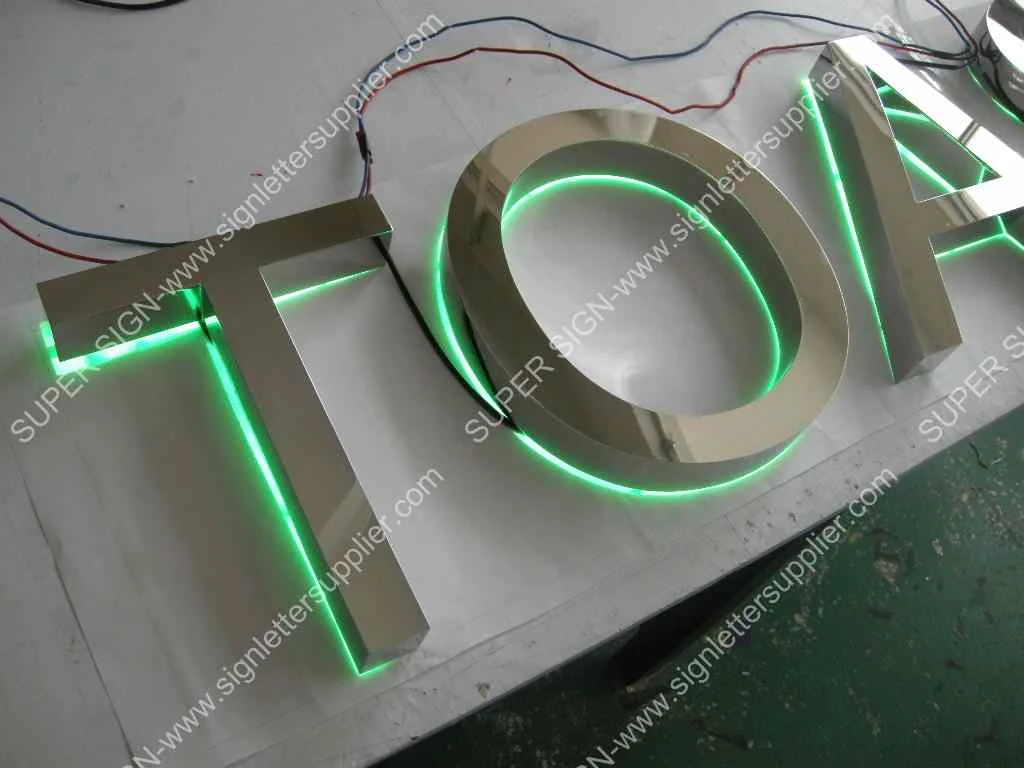
Backlit LED Letters 03
Reception walls and facades where the brand colour should appear as light on the wall, not on the letter.
View specification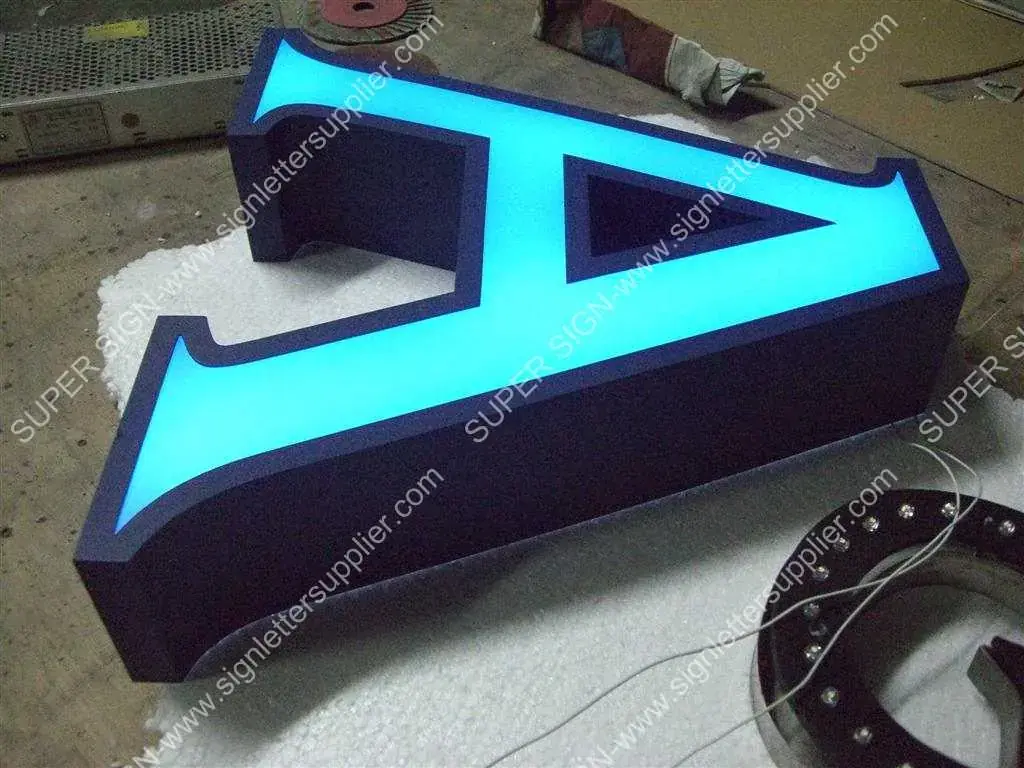
The largest family on the site: 59 builds covering every way of putting light into a fabricated letter, plus lightboxes and projecting flag signs.
Buyers usually ask for an illuminated sign without choosing where the light comes out. That single decision changes the material, the cost, the power draw, the wall preparation and how the sign looks at noon. The three sub-categories below split the catalogue by exactly that.
Sign companies, shopfitters and brand owners specifying illuminated identification for retail units, hotels, showrooms and offices.
59 builds, each with its own specification table, fixing method and production window.
Reception walls and facades where the brand colour should appear as light on the wall, not on the letter.
View specification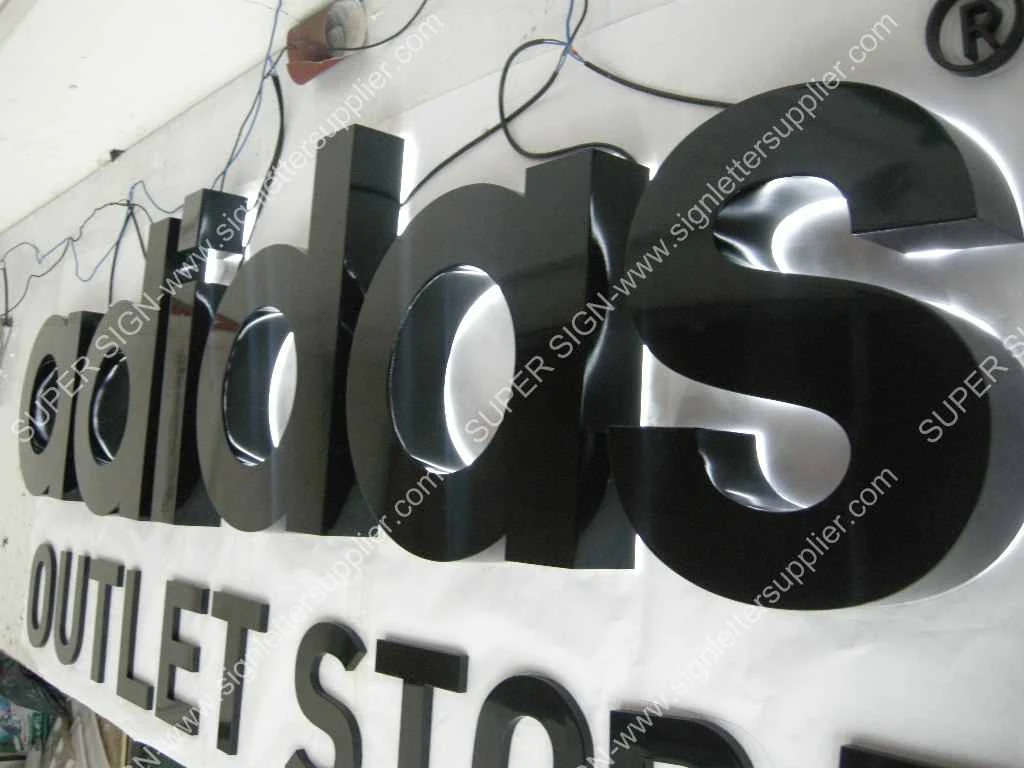
Projects where the electrical approvals have to be documented for a landlord or a fit-out contractor.
View specification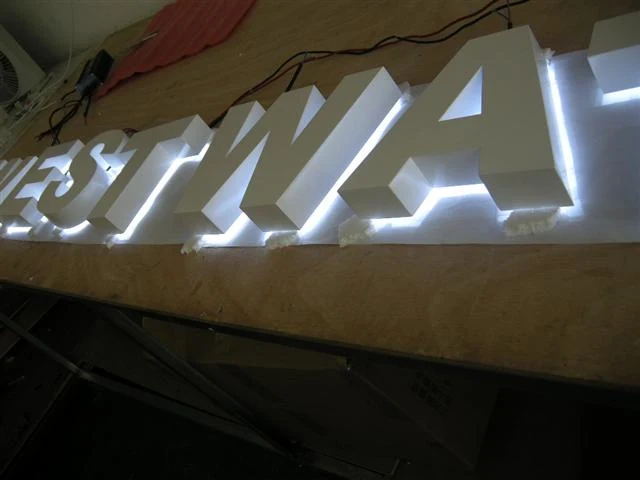
Hotel and office lobbies where the letters are read against an evenly lit feature wall.
View specification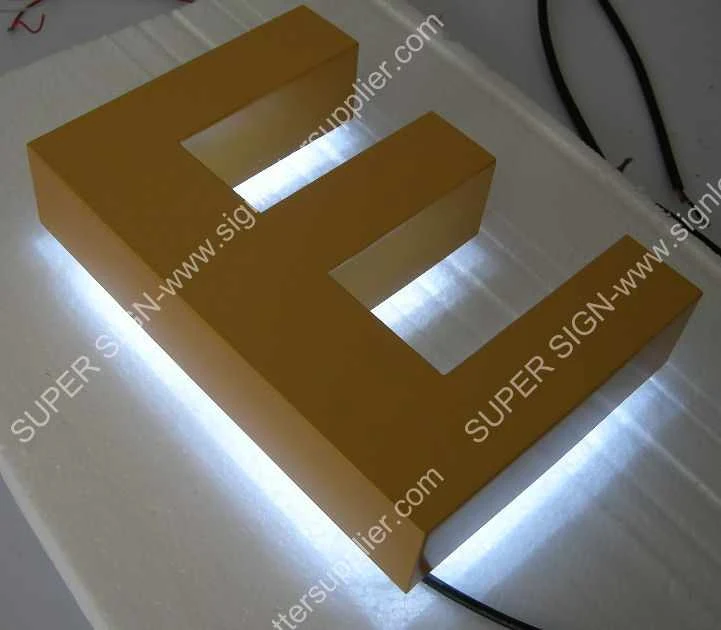
Interiors with controlled lighting where a lit face would be too bright for the room.
View specification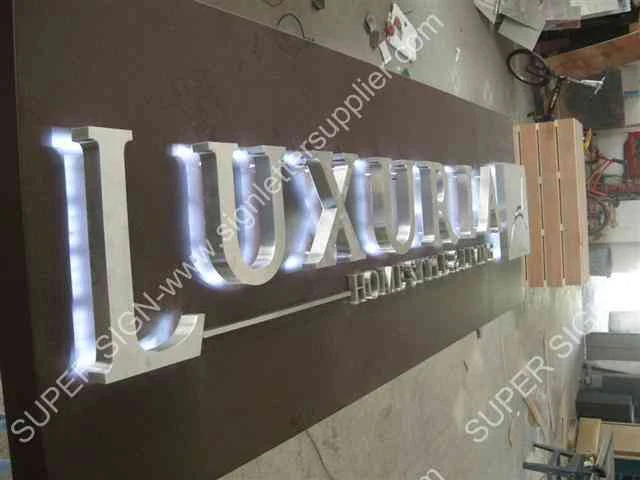
Large wordmarks where a thin halo would be lost at viewing distance.
View specification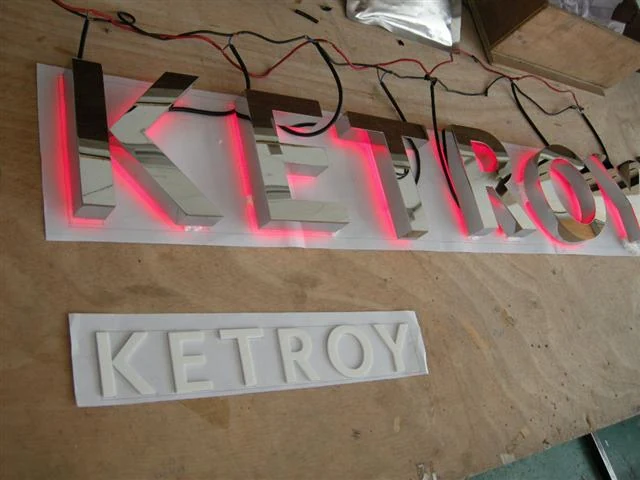
Fit-out contractors who need a complete kit rather than a bare letter.
View specification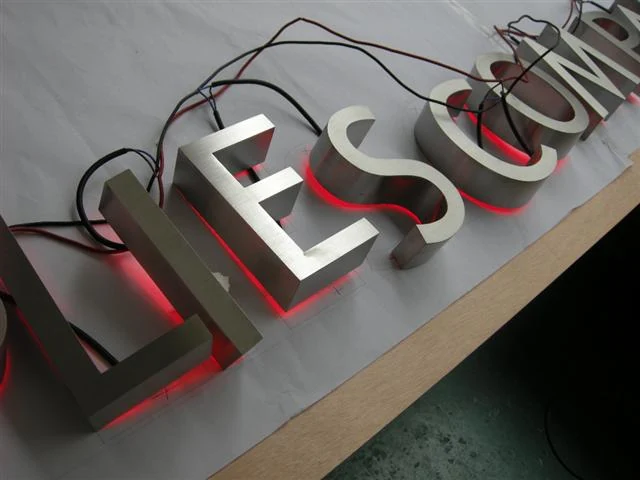
Wordmarks with open round letters such as O, G and Q, where an even halo is harder to achieve.
View specification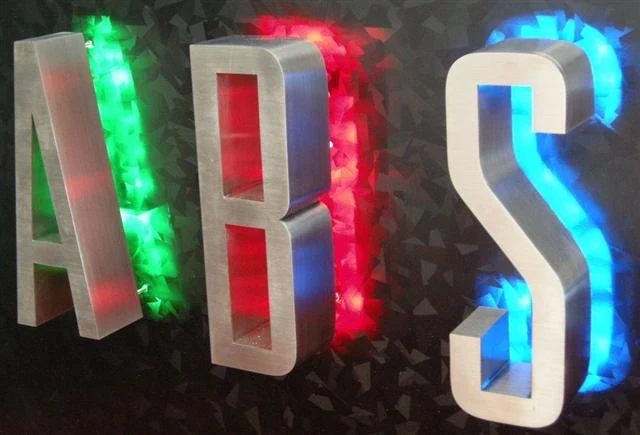
Buildings whose signage has to look deliberate during office hours and dramatic after dark.
View specification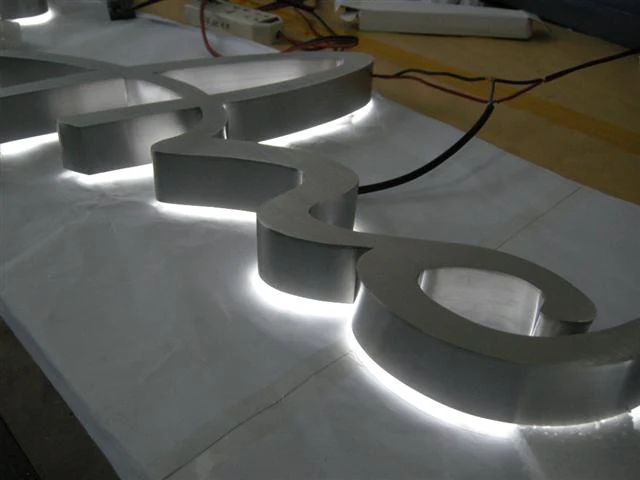
Installers who want to verify the LED layout before the letters go to the wall.
View specification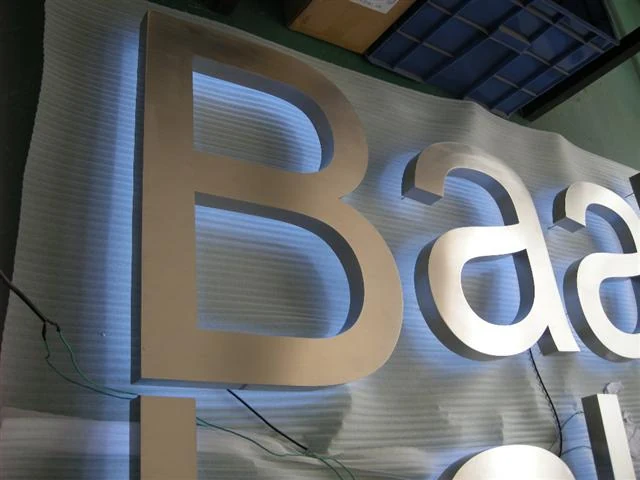
Condensed and narrow typefaces that are usually difficult to halo evenly.
View specification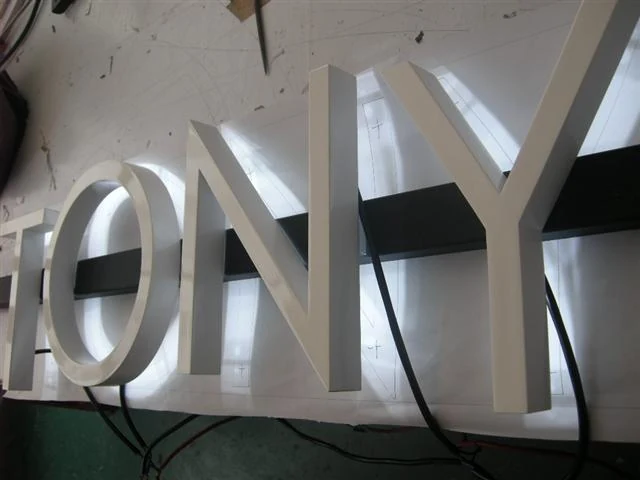
Designers who are choosing the wall finish and the sign at the same time.
View specification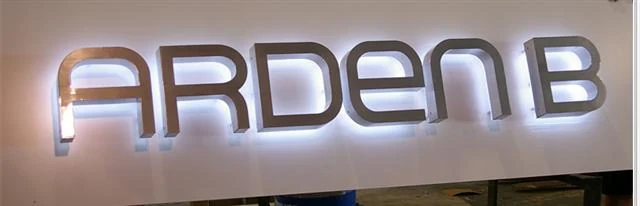
Repeat orders across a chain where the same build specification has to be reproduced exactly.
View specification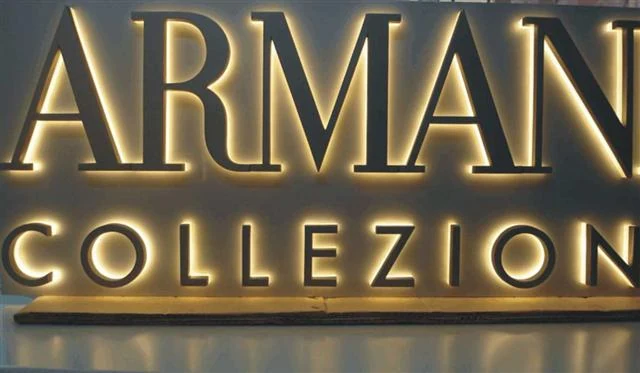
Facades where the letters mount onto stone or cladding and the fixing has to be set out precisely.
View specification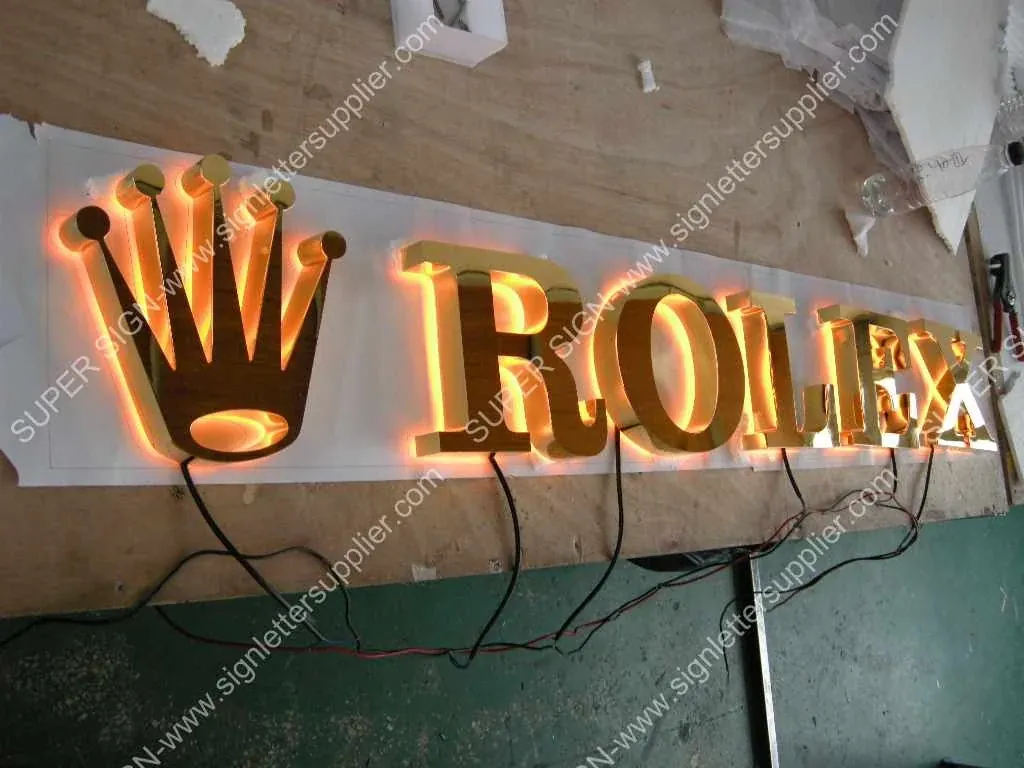
Jewellery, hospitality and heritage brands that want a warm rather than a white glow.
View specification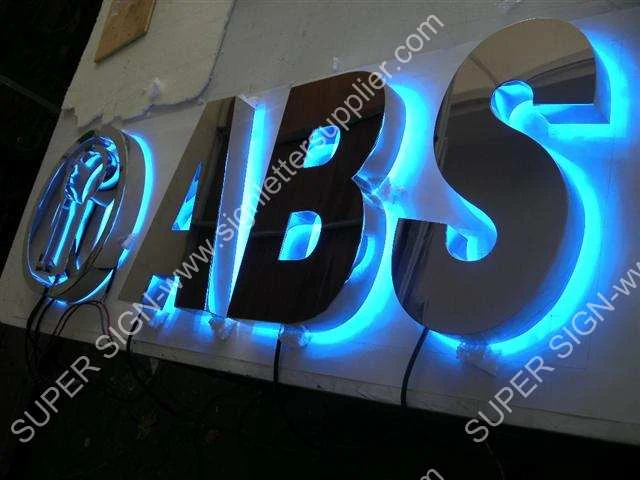
Logotypes that mix uppercase and lowercase and need the halo to stay even across both.
View specification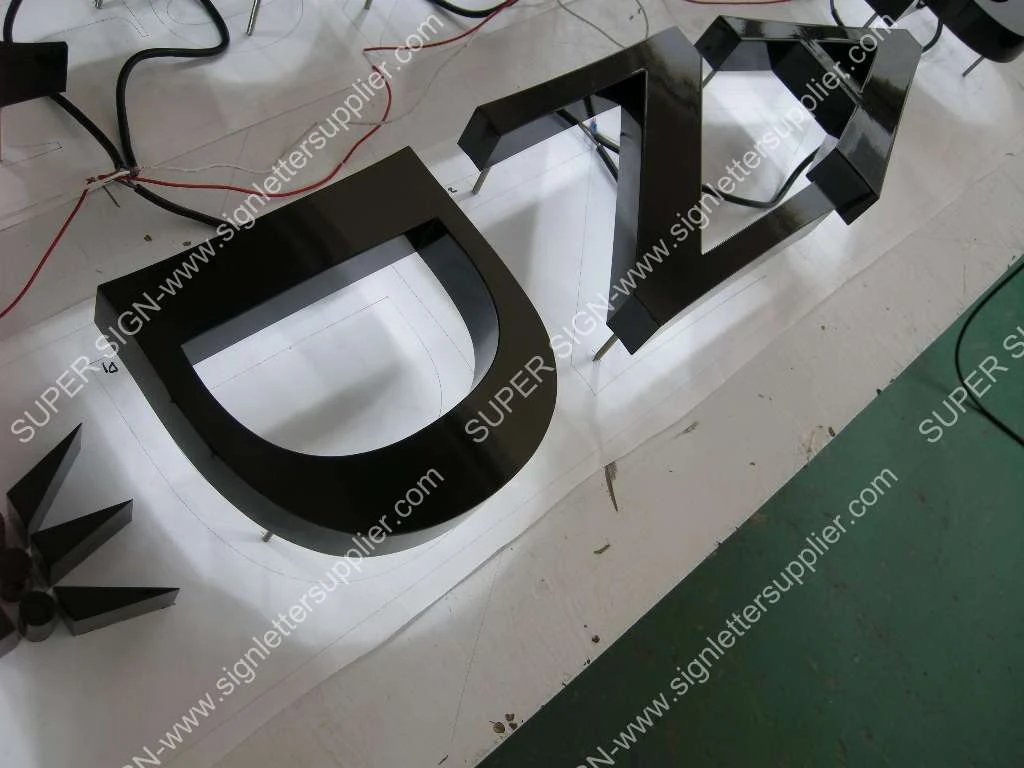
Brands whose mark is a specific colour but who also want the night-time halo look.
View specification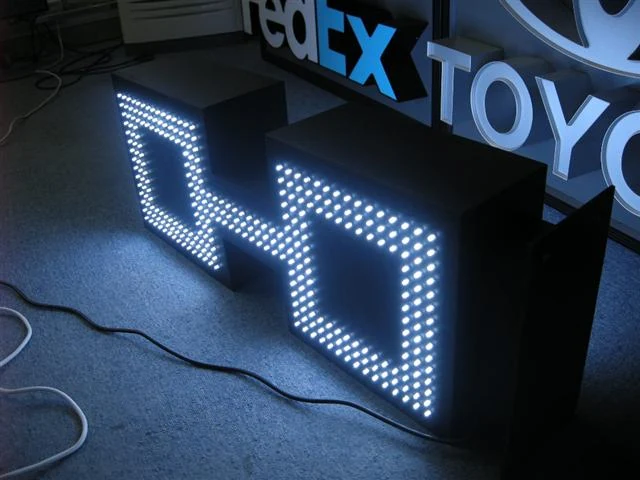
Projecting signs read from both directions along a street or a mall walkway.
View specification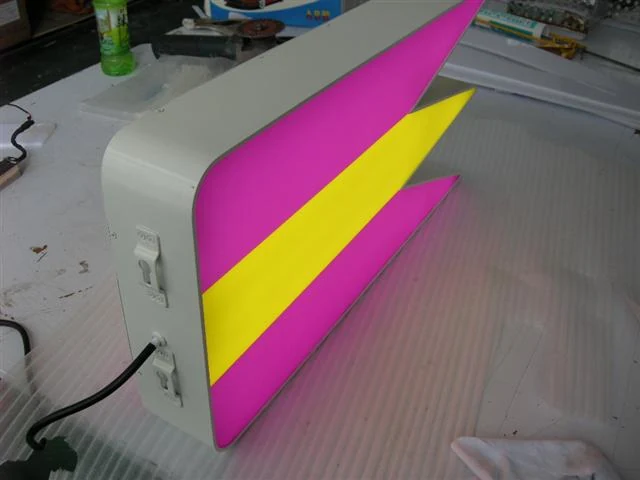
Pharmacies, hotels and street-level shops that need to be seen by pedestrians walking past the facade.
View specification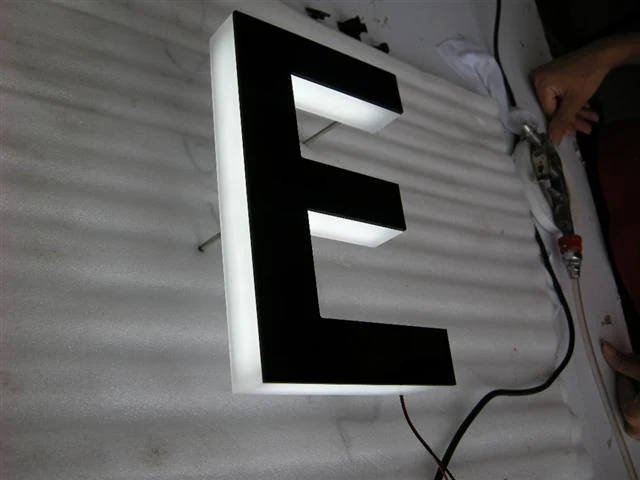
Interiors that want a glowing outline rather than a lit face, such as hotel lobbies and showrooms.
View specification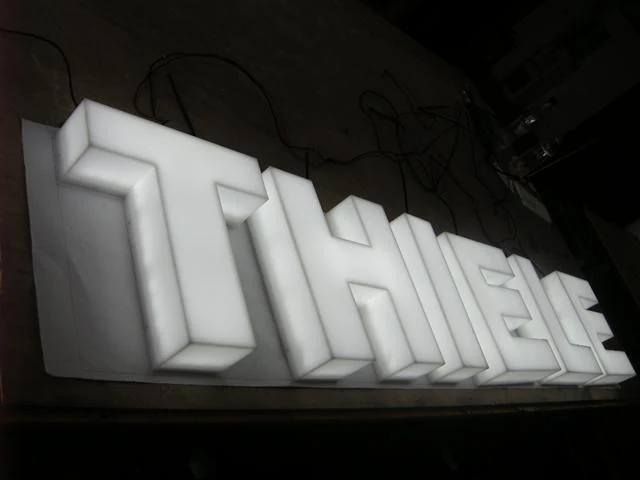
Interior wording that has to glow evenly across the face and the return at the same time.
View specification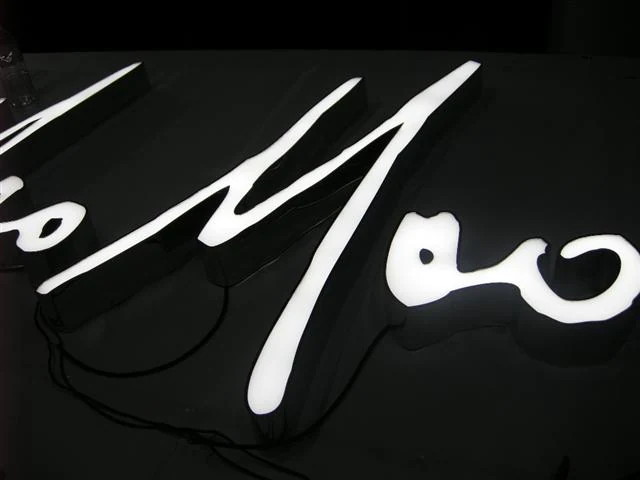
Fascia sets that mix large and small letters and need a consistent build rule across both.
View specification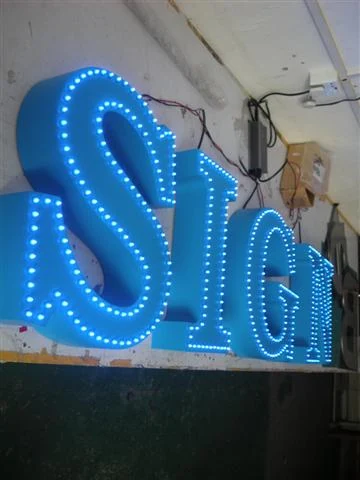
Night-time branding where a perforated dot pattern is the intended look rather than a solid glow.
View specification
Projects with a fixed handover date far enough out to absorb the longer build.
View specification
Corporate colour matching where the brand tone is not a standard acrylic shade.
View specification
Quick-turnaround refits where the fascia is already built and only the letters are new.
View specification
Buyers who want the return finish to match adjacent architectural metalwork.
View specification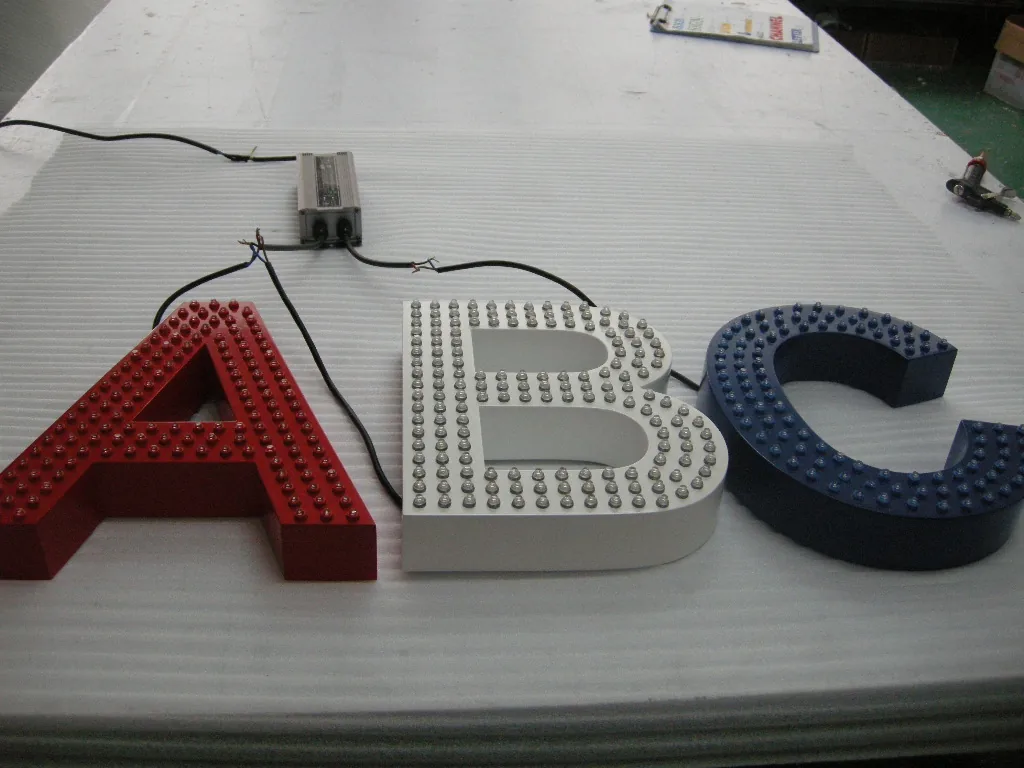
Signs that must look like solid metal by day and a dotted light pattern by night.
View specification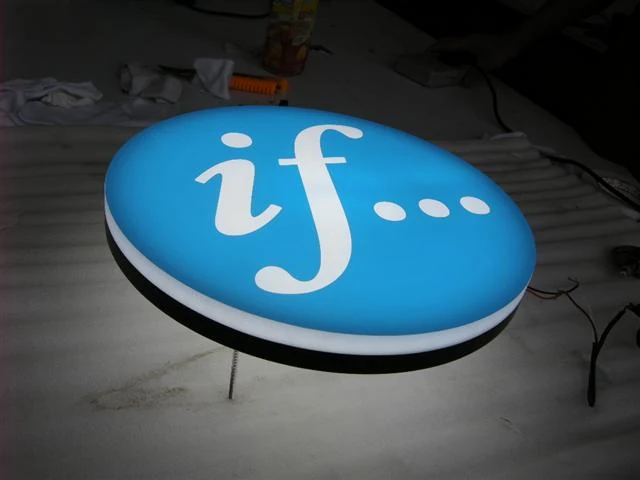
Feature wording in a reception where a single piece of thick acrylic is part of the design.
View specification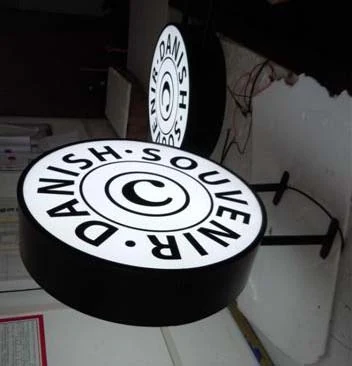
Pharmacy crosses, hotel signs and shop flags on narrow high streets.
View specification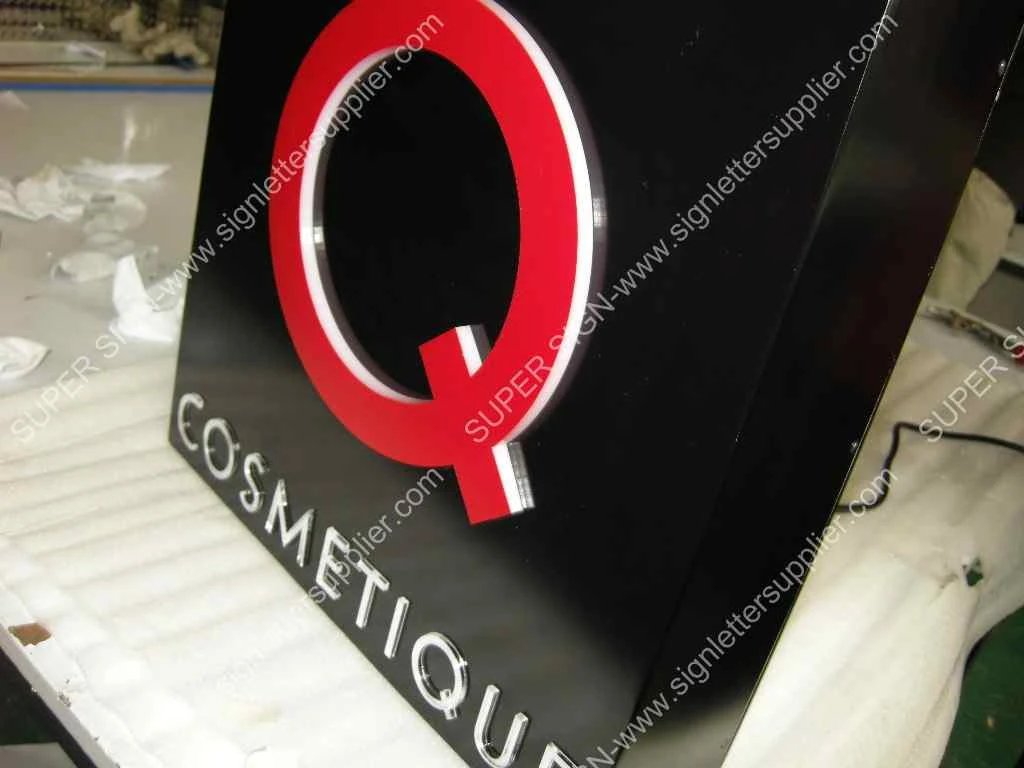
Cosmetic, fashion and service brands whose mark is a shape rather than a word.
View specification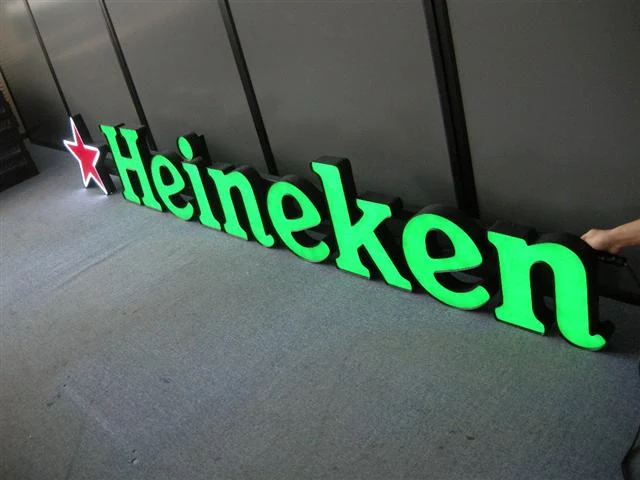
Geometric wordmarks where the letter reads as a lit block rather than a stroke.
View specification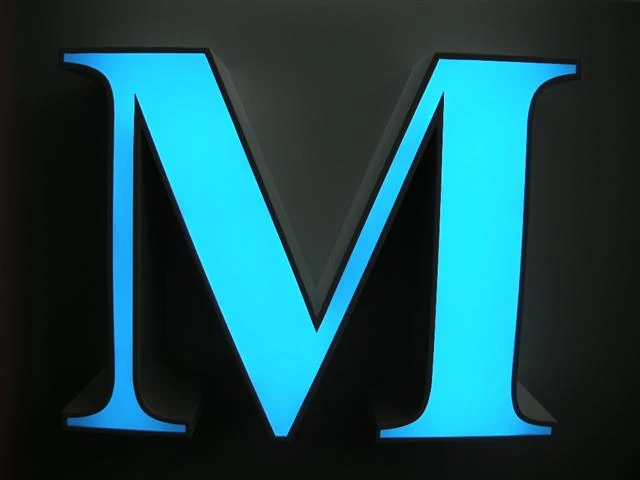
Installers who quote fixed-price fitting and cannot afford to buy accessories locally.
View specification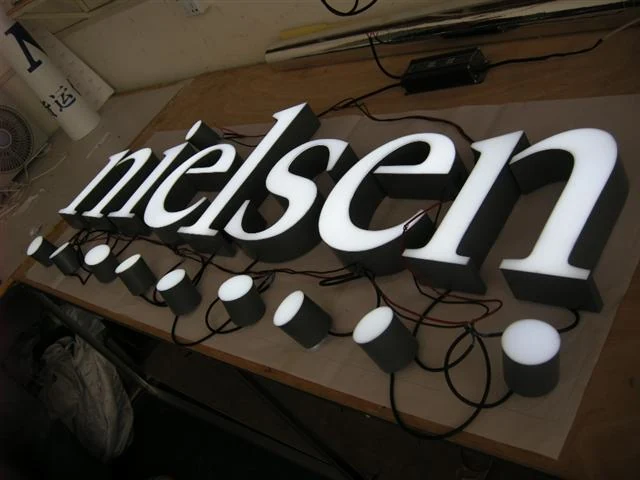
Large facade letters where the acrylic face needs a mechanical edge to hold it flat.
View specification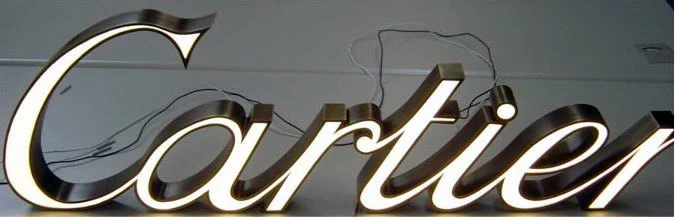
Export projects where the electrical components have to satisfy a local inspector before the sign is switched on.
View specification
Buyers replacing a damaged sign who need the shortest realistic turnaround on an illuminated letter.
View specification
Exposed locations where a PVC back would not last and the whole letter needs to be metal.
View specification
Standard-colour jobs that need to leave the factory quickly without a custom acrylic order.
View specification
Shopfront wording that has to be legible from across a car park at night.
View specification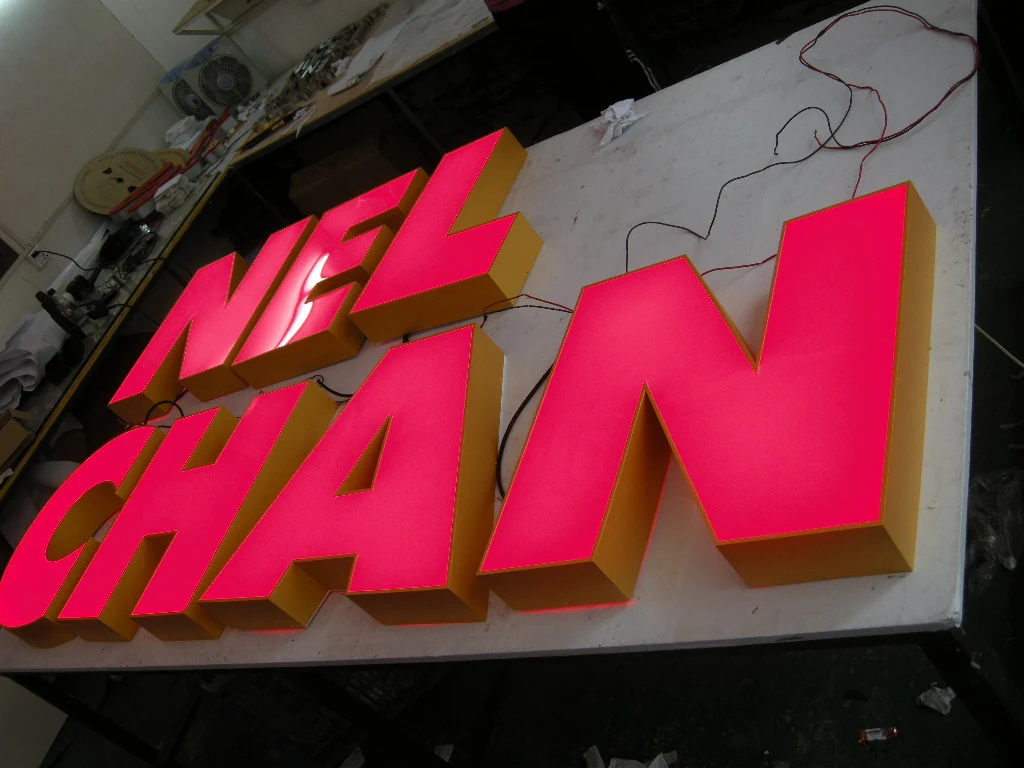
Single-letter replacements on an existing fascia where the new letter has to match the old fixing centres.
View specification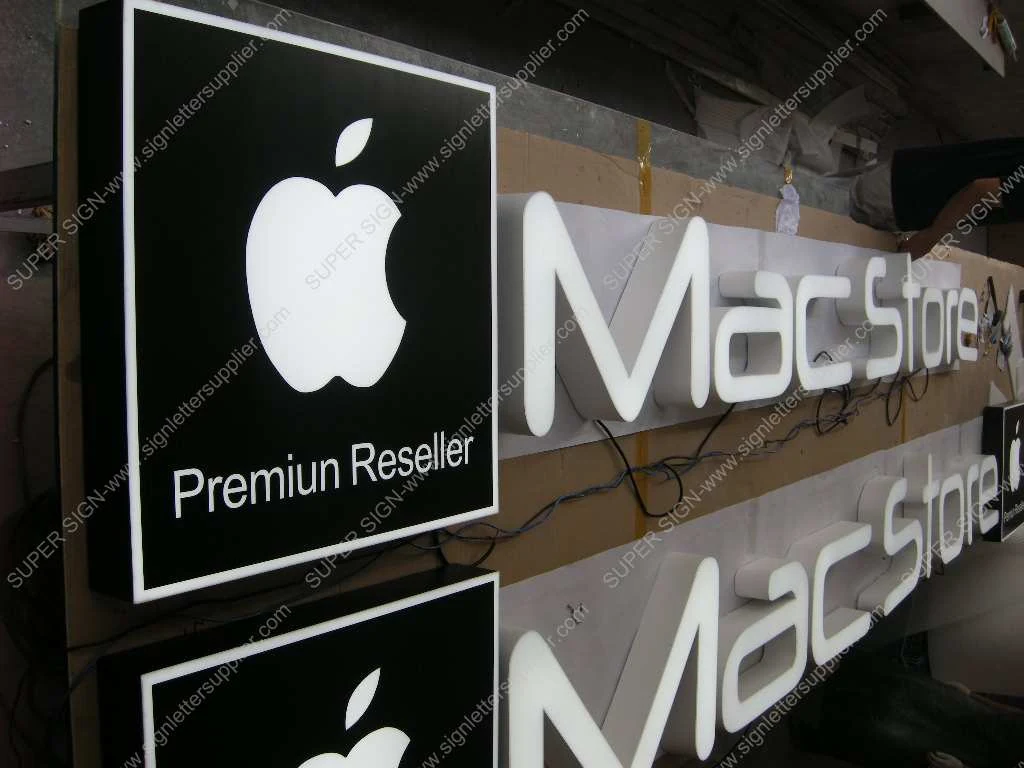
Long wordmarks where several letters sit on one horizontal line and any bowing would be obvious.
View specification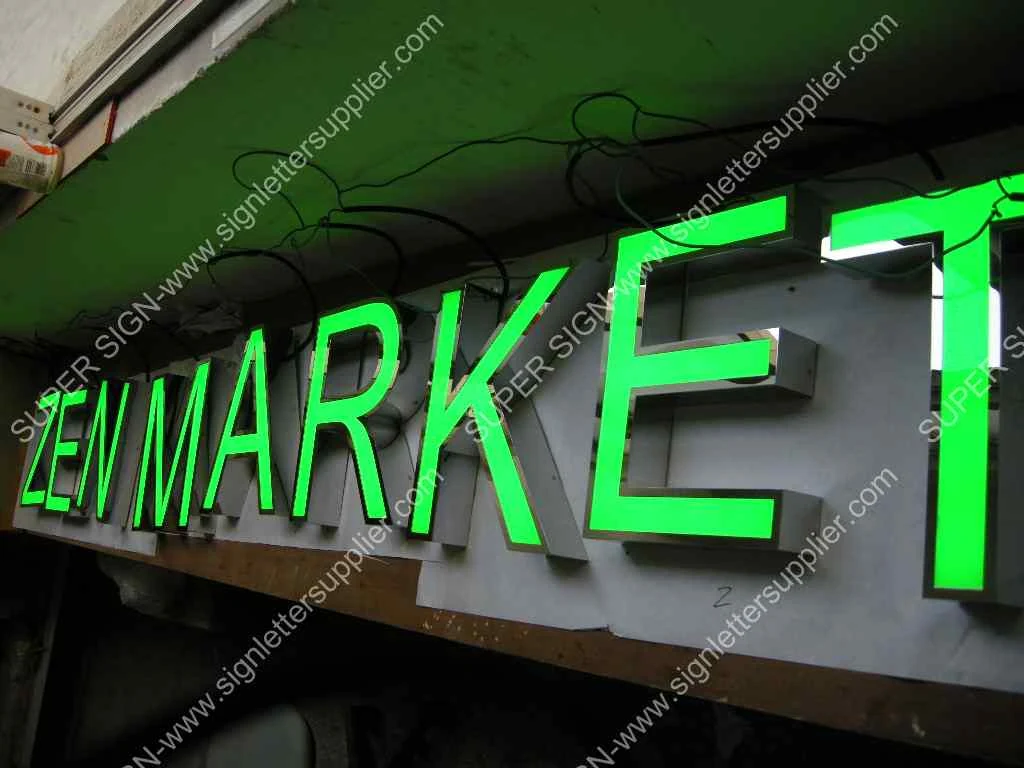
Small independent retailers ordering a handful of letters rather than a full fascia.
View specificationBrands with a strong single accent colour that want the sign to read as that colour at night.
View specification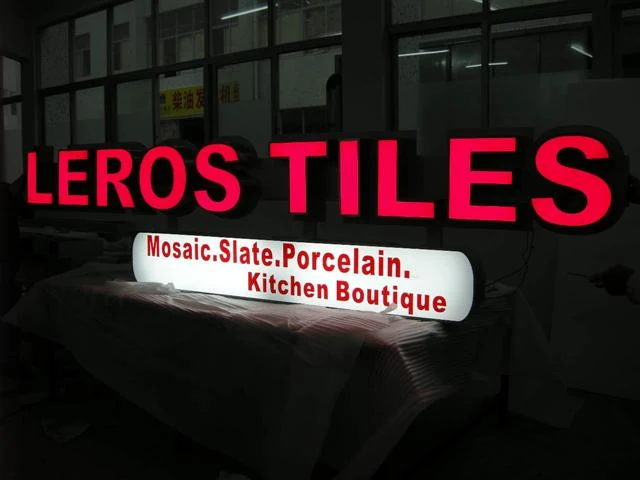
Projects that can trade a slightly longer build time for a stainless rather than aluminium return.
View specification
Sign companies who install with their own crews and need the setting-out drawing in the box.
View specification
Buyers who want to see how the letter is wired before committing to a larger order.
View specification
Interior fascias and mall units where the sign cannot project far into the walkway.
View specification
First-time buyers who want one specification that will pass for both an indoor and an outdoor location.
View specification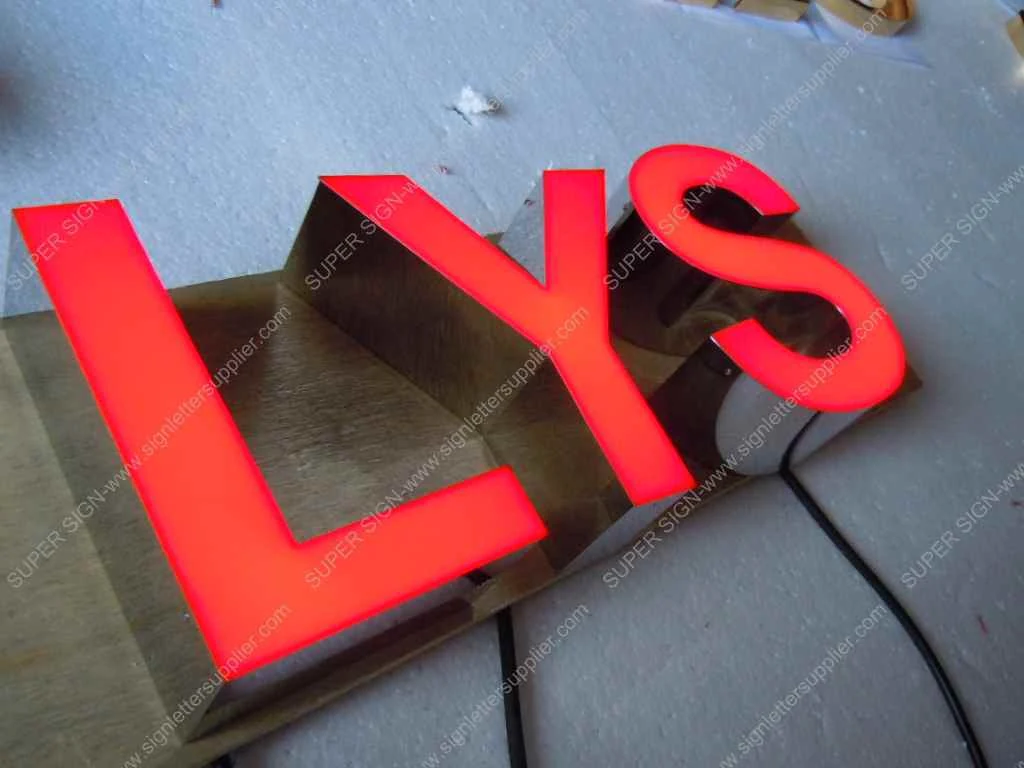
Multi-colour logos where different letters in one word carry different acrylic colours.
View specification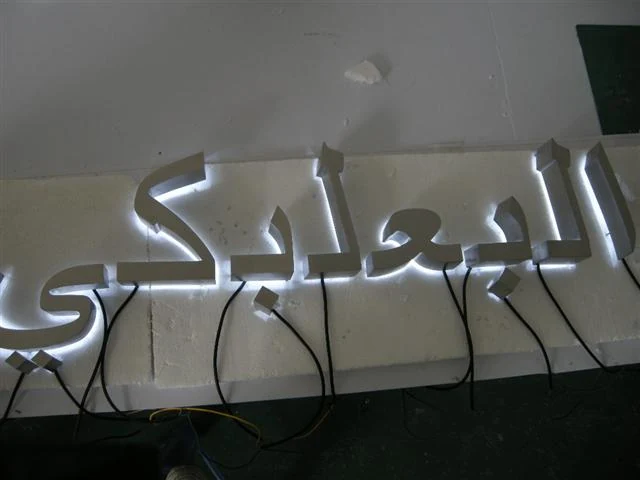
Corporate identity walls where the halo is the whole design intent.
View specification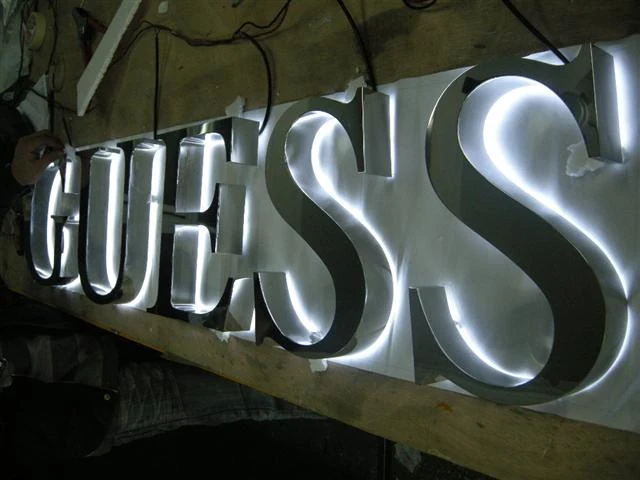
Export orders where the LED approvals need to be on the paperwork.
View specification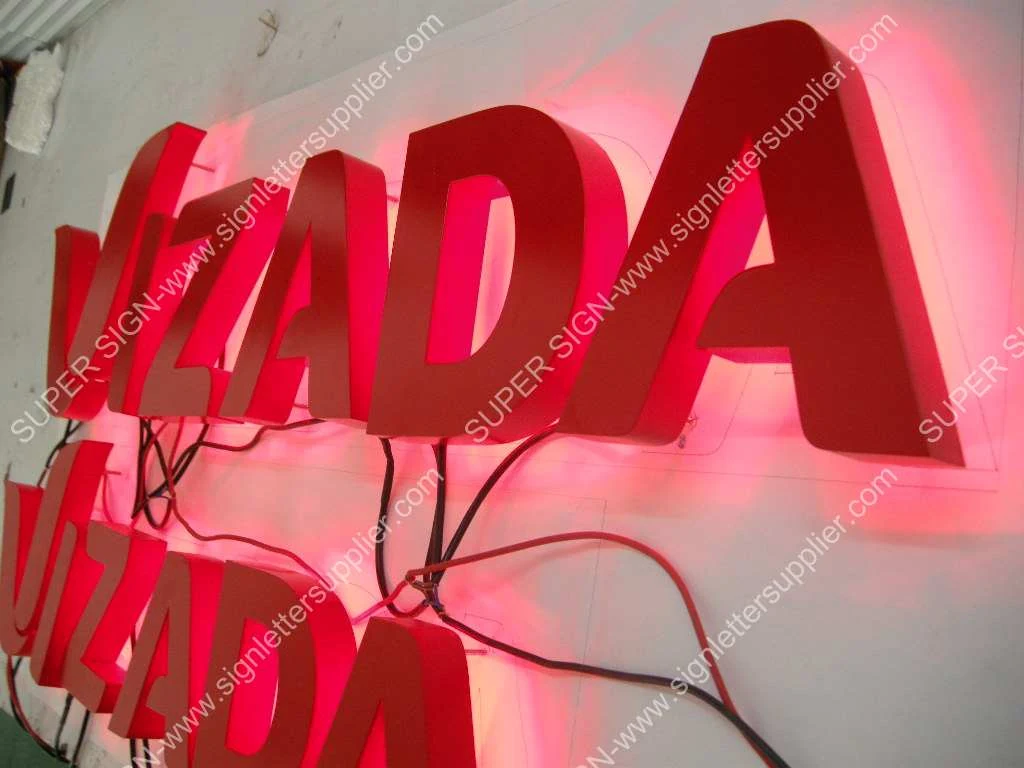
Minimal wordmarks where any unevenness in the halo would be immediately visible.
View specification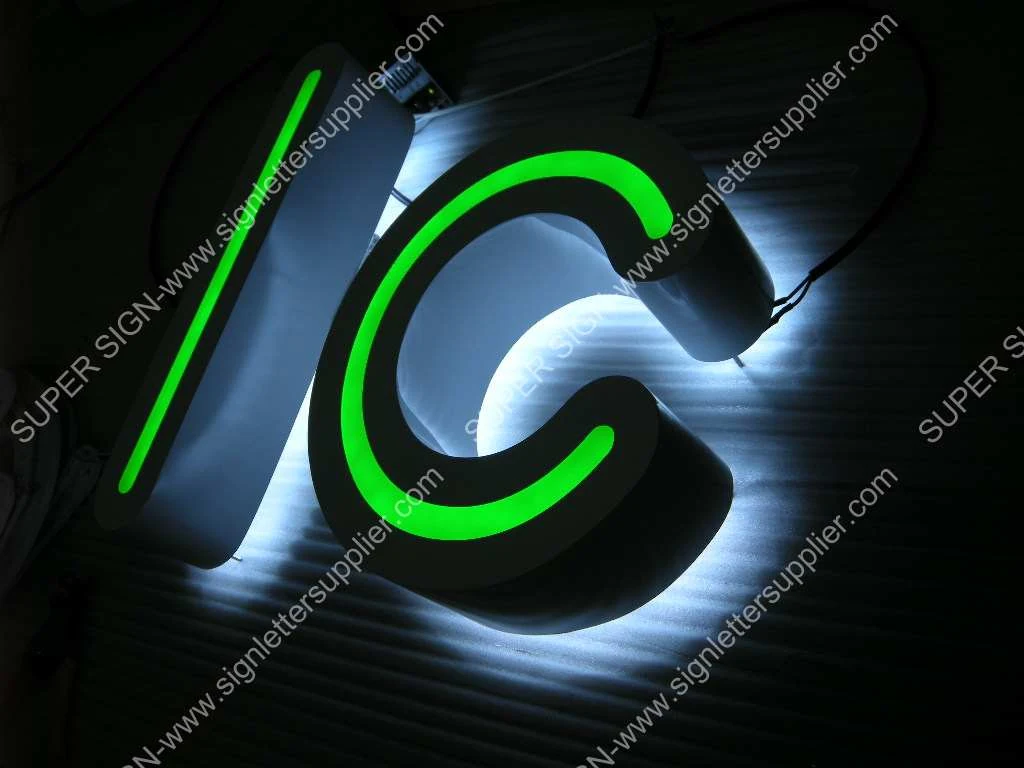
Brands whose logo colour has to stay correct whether the sign is on or off.
View specification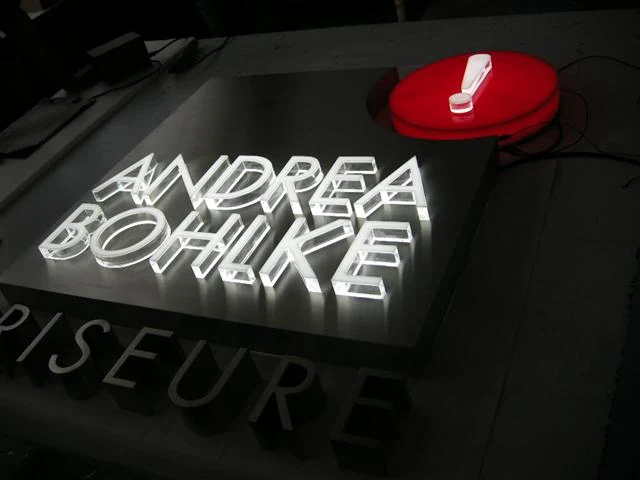
Premium retail fascias that want the acrylic to read as a lens rather than a flat panel.
View specification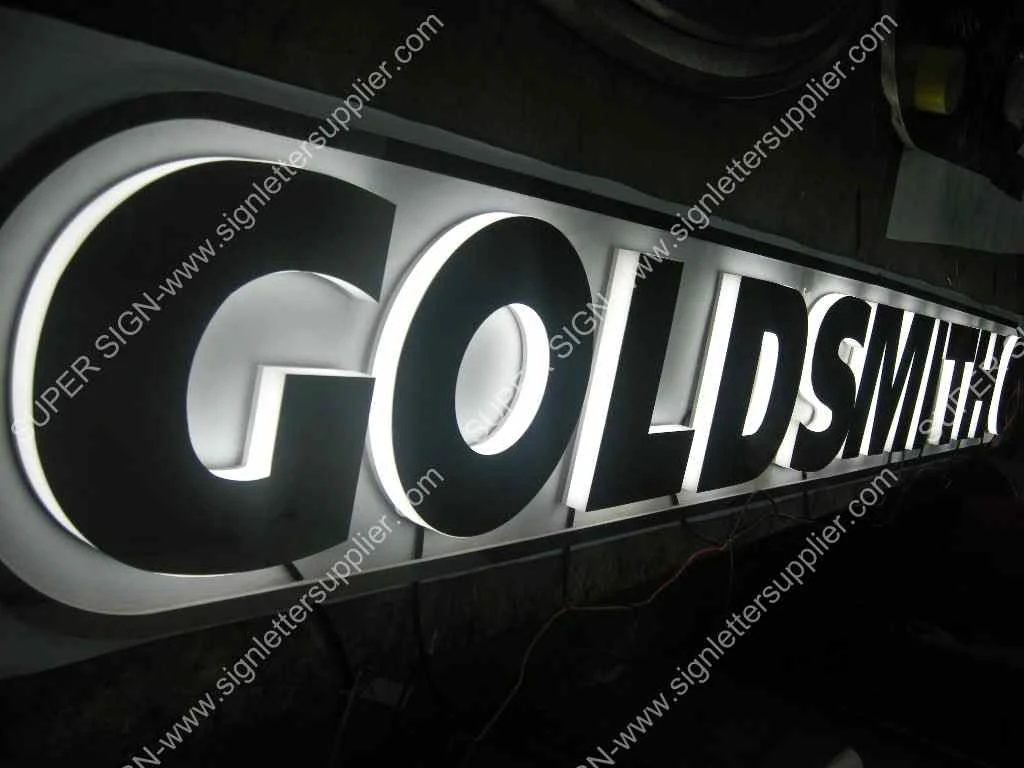
Wall-mounted wording on a light-coloured wall that will carry the halo cleanly.
View specification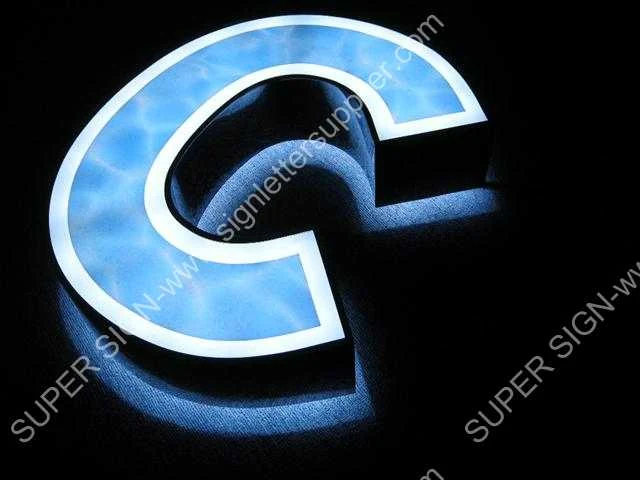
Flagship stores that want the face lit for daytime readability and the halo for a night look.
View specification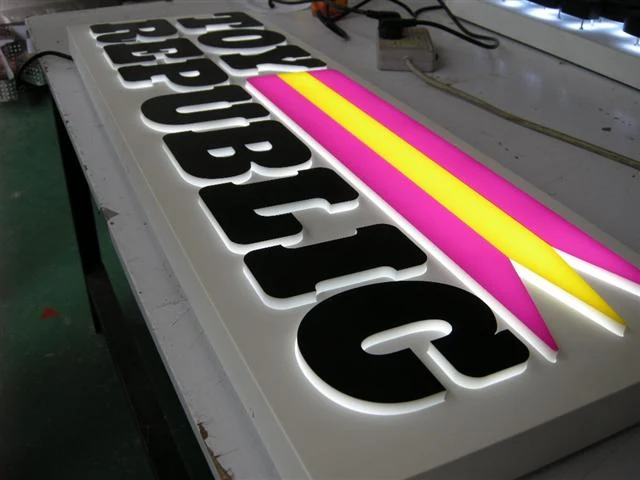
Fascia panels that combine a background colour with raised illuminated wording in one box.
View specification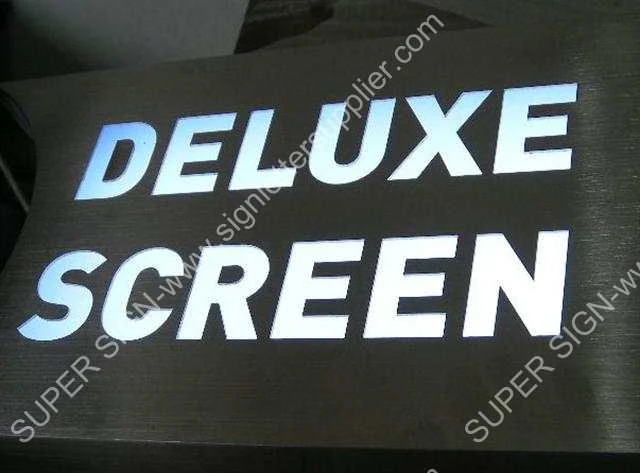
Directory panels, menu boards and internally lit fascia signs on a tight budget.
View specification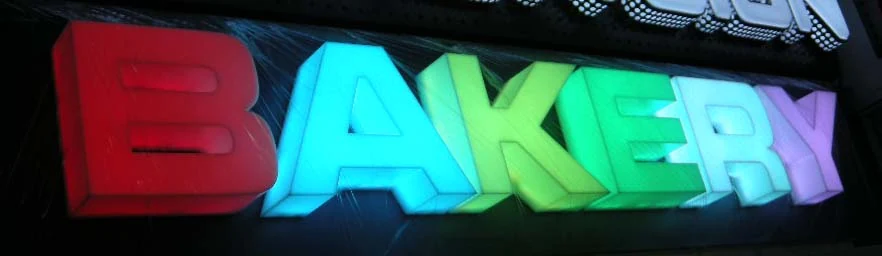
Bars, arcades and entertainment venues that change the colour of the sign through the evening.
View specification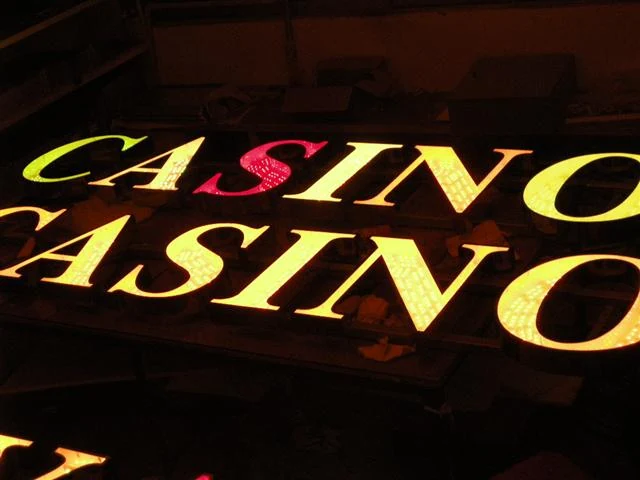
Venues that want the sign colour to change through the evening rather than sit on one brand colour.
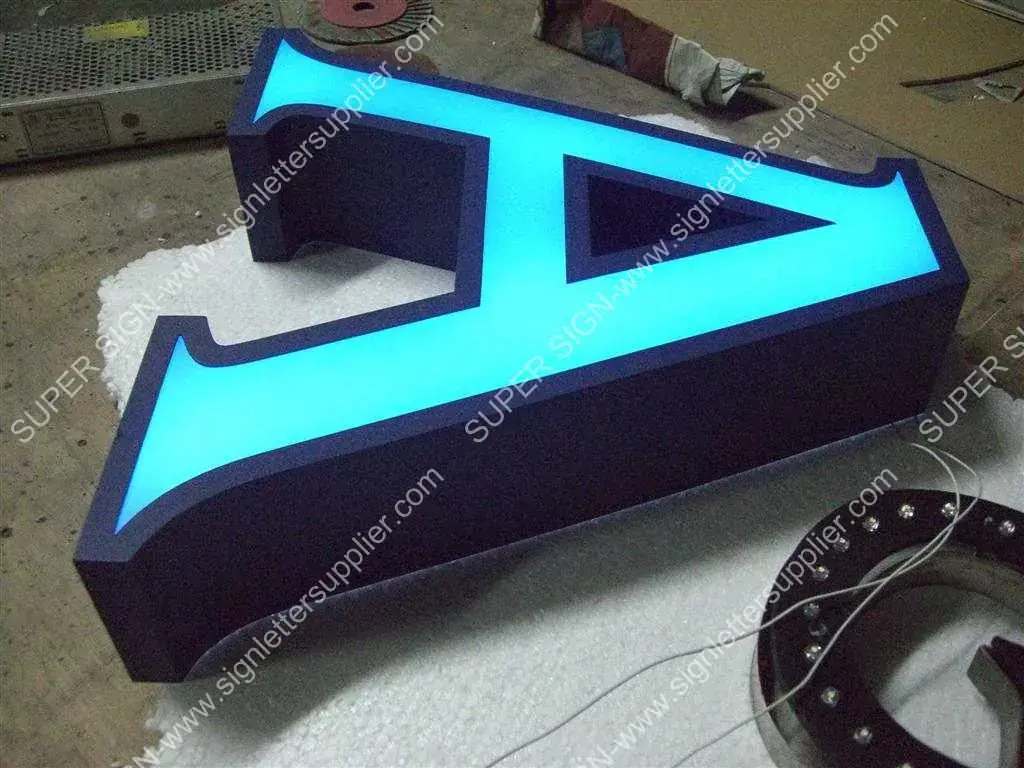
View specificationTwenty-six builds where the light comes out of the front. A metal return, a translucent acrylic face, and waterproof LED on a PVC, stainless or aluminium back plate.
19 productsNineteen builds where the face stays solid metal and the LED throws light onto the wall behind, producing the halo or corona outline.
14 productsFourteen products that are not channel letters: lightboxes, double-sided projecting flag signs, edge-lit solid acrylic, push-through faces and RGB programmable builds.
Frontlit letters push light out through a translucent acrylic face, so the letter itself glows. Backlit letters have a solid metal face and throw light onto the wall behind, so you see a halo around a dark letter. They look completely different at night and almost the same by day.
Barely. In full daylight the halo disappears and you are looking at a plain metal letter, so a backlit sign has to work unlit as well. If the sign must read at noon, frontlit is the safer choice.
The letters, a transformer, the fixing accessories and a 1:1 scale mounting template. The mains cable run to the transformer is the installer's work.
The internal LED is specified as high quality waterproof LED. Sealing the cable entry at the wall is still an installation task, and it is where most water ingress actually happens.
Send a vector file and the finished letter height. We will come back with a price, a production window and the constraints that apply to this construction.