Mine-owned nepheline syenite and feldspar since 2007
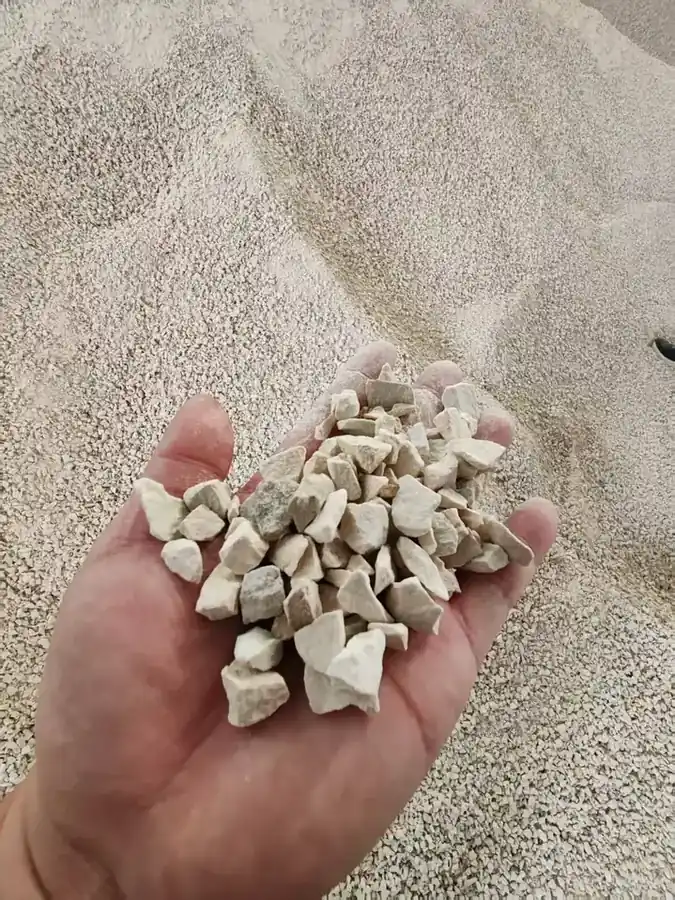
Crushed potassium feldspar held in the hand
Defect Troubleshooting

Glaze Crawling: How Flux Composition Affects Glaze Adhesion

Crawling occurs when glaze pulls away from the body during firing. Often caused by flux chemistry imbalance or poor glaze-body interaction.

Glaze crawling — where the molten glaze pulls away from the body surface, leaving bare patches — is often linked to high surface tension in the molten glaze and poor wetting of the body surface.

Understanding This Defect

Flux composition directly affects melt surface tension: nepheline-rich glazes tend to have lower surface tension (better wetting) than feldspar-only glazes due to the dual-alkali effect of combined Na2O and K2O. If you experience crawling with a feldspar-based glaze, replacing 20-30% of the feldspar with nepheline (K100 or K200) often resolves the issue by reducing melt surface tension and improving body wetting. Additionally, alumina from nepheline increases melt viscosity slightly, which helps the glaze stay in place rather than pulling into droplets. For severe crawling, also check your engobe layer — poor engobe-body adhesion can cause the glaze to lift and crawl. Our nepheline grades work well in engobe formulations to improve adhesion between body and glaze layers..

Solution & Prevention
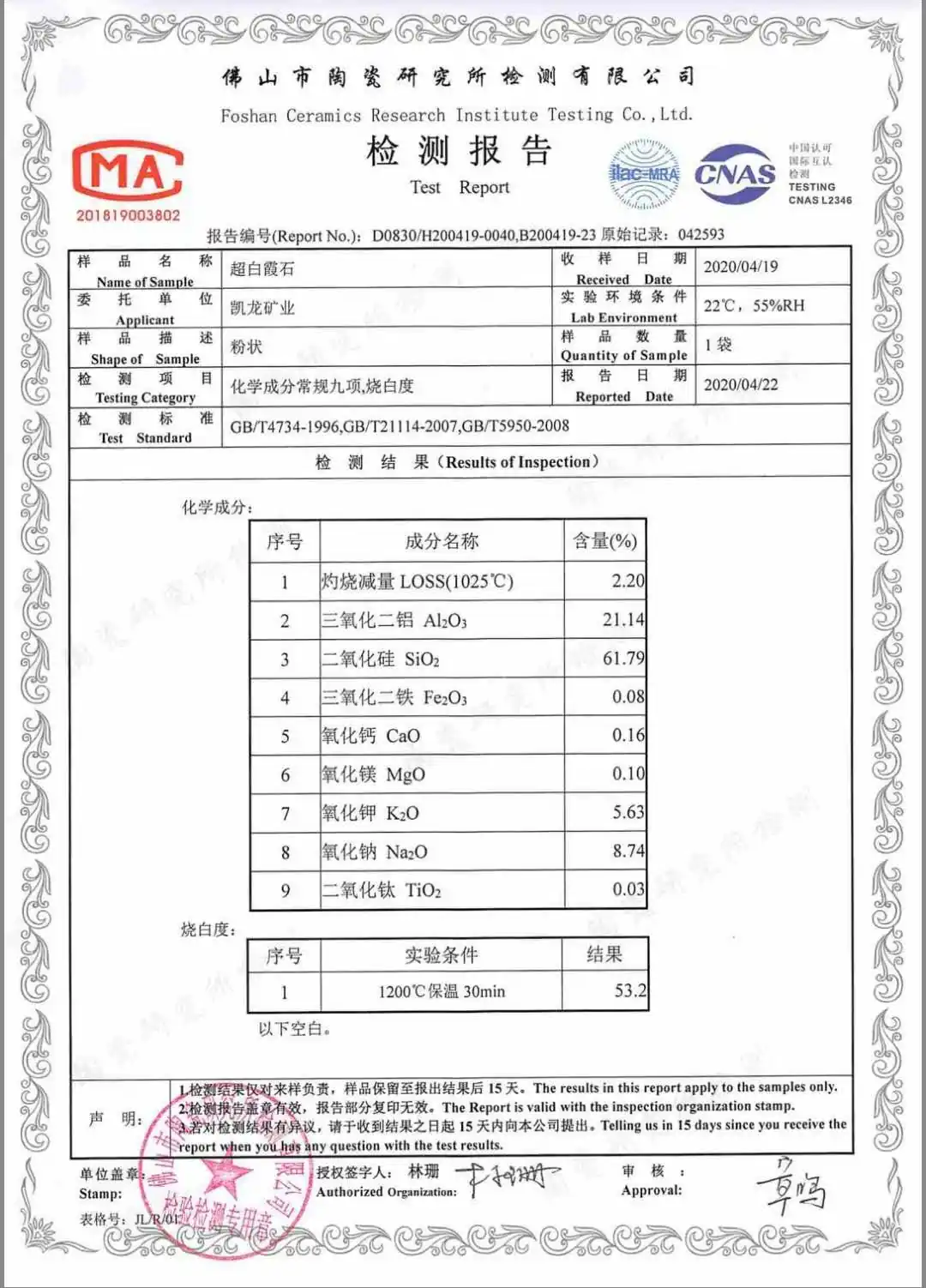
Third-party laboratory analysis report for K200
FAQ

Questions on This Topic

What does Glaze Crawling: How Flux Composition Affects Glaze Adhesion cover?

Glaze crawling — where the molten glaze pulls away from the body surface, leaving bare patches — is often linked to high surface tension in the molten glaze and poor wetting of the body surface.

Can I get samples before ordering?

Yes. We ship 1-5 kg of each grade by DHL or FedEx at our expense. Samples reach most international destinations in 5-7 days and each one includes a Certificate of Analysis.

What is the lead time?

Production runs 7-14 days from order confirmation. Standard grades are normally held in stock, so container loading often starts within 3-5 working days.

How is the material packed?

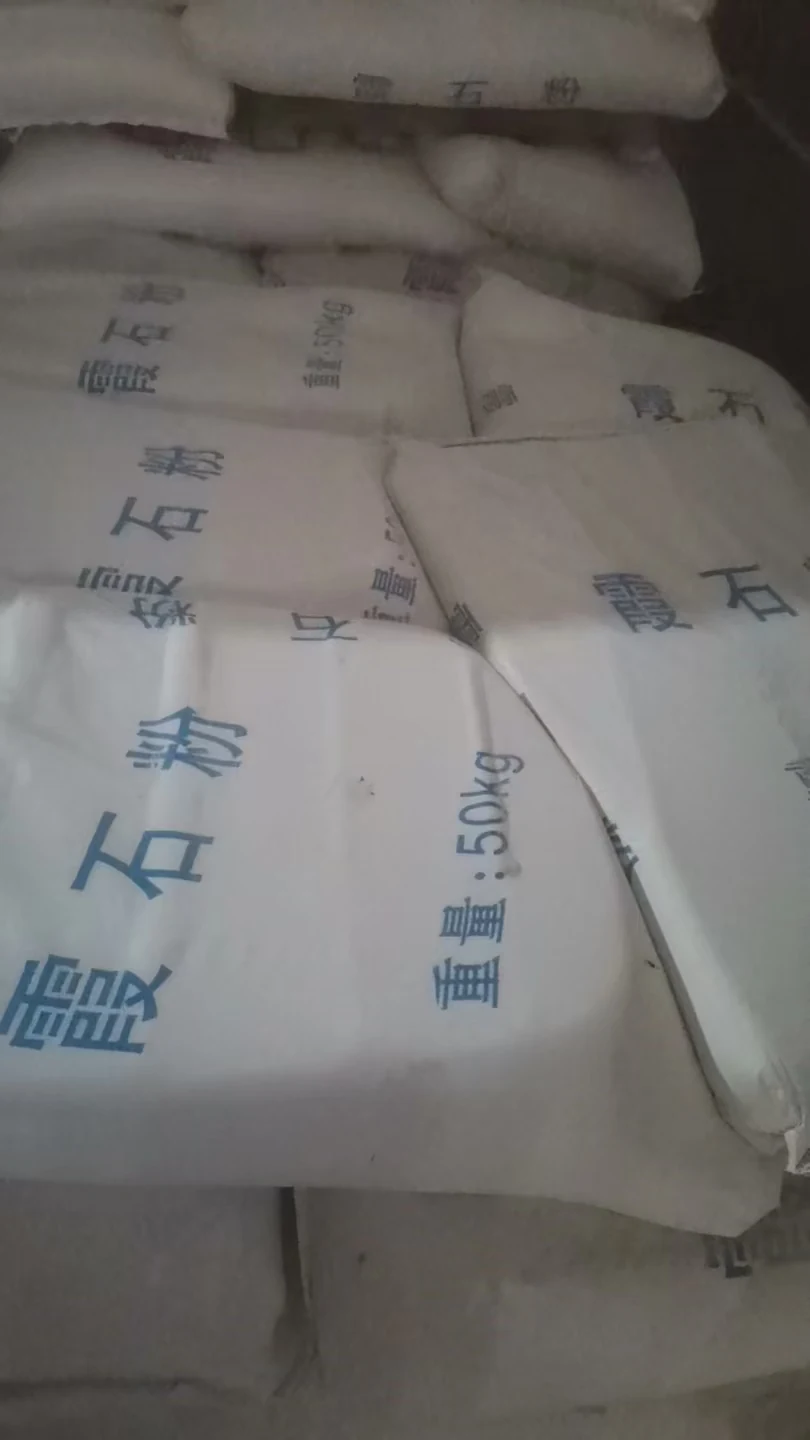
1200 kg FIBC jumbo bags as standard, or 50 kg PP woven bags. Bags carry product name, grade, batch number and weight. Custom packaging and private labelling are available.

Take It From Reading to Testing

Send your current specification and the problem you are chasing. Samples follow within a week.