
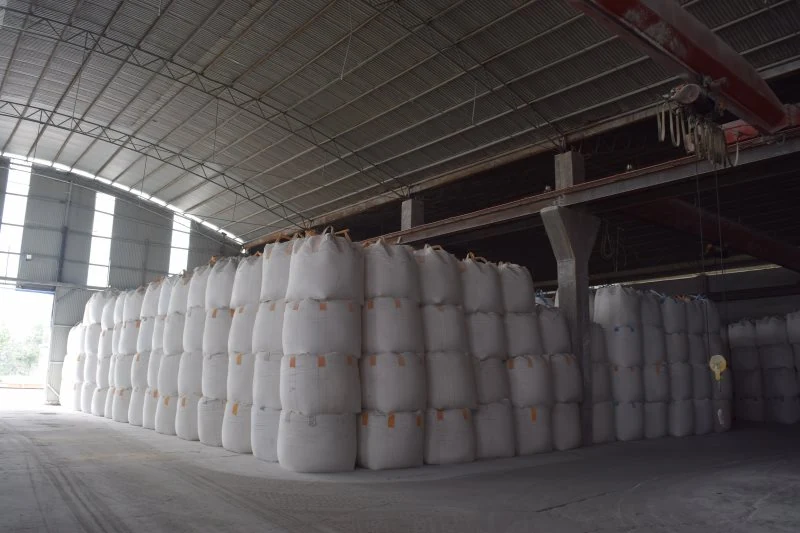
Nepheline Syenite for Ceramic Floor Tile Bodies
Floor tiles have to reach water absorption below 3% — below 0.5% for porcelain grade — while carrying foot traffic and moisture for decades. Reaching that density with an underpowered flux means pushing the kiln, and pushing the kiln costs gas and rejects.
Technical Requirements
- Complete vitrification at a temperature the kiln can hold all shift
- A firing range wide enough to absorb normal kiln variation
- Mechanical strength high enough for heavy traffic ratings
- Chemistry that does not move between deliveries
Why This Flux
Firing temperature drops 30-50 degrees C
Total alkali of 12-16% against 10-14% for feldspar does more fluxing work per kilogram.
Higher alumina raises strength
20-24% Al2O3 against 17-19% from feldspar increases modulus of rupture in the fired body.
Broader firing range cuts rejects
More distance between vitrification and deformation gives the kiln room to drift.
No free silica
Improves frost resistance and removes quartz inversion stress on cooling.
Grades We Recommend Here
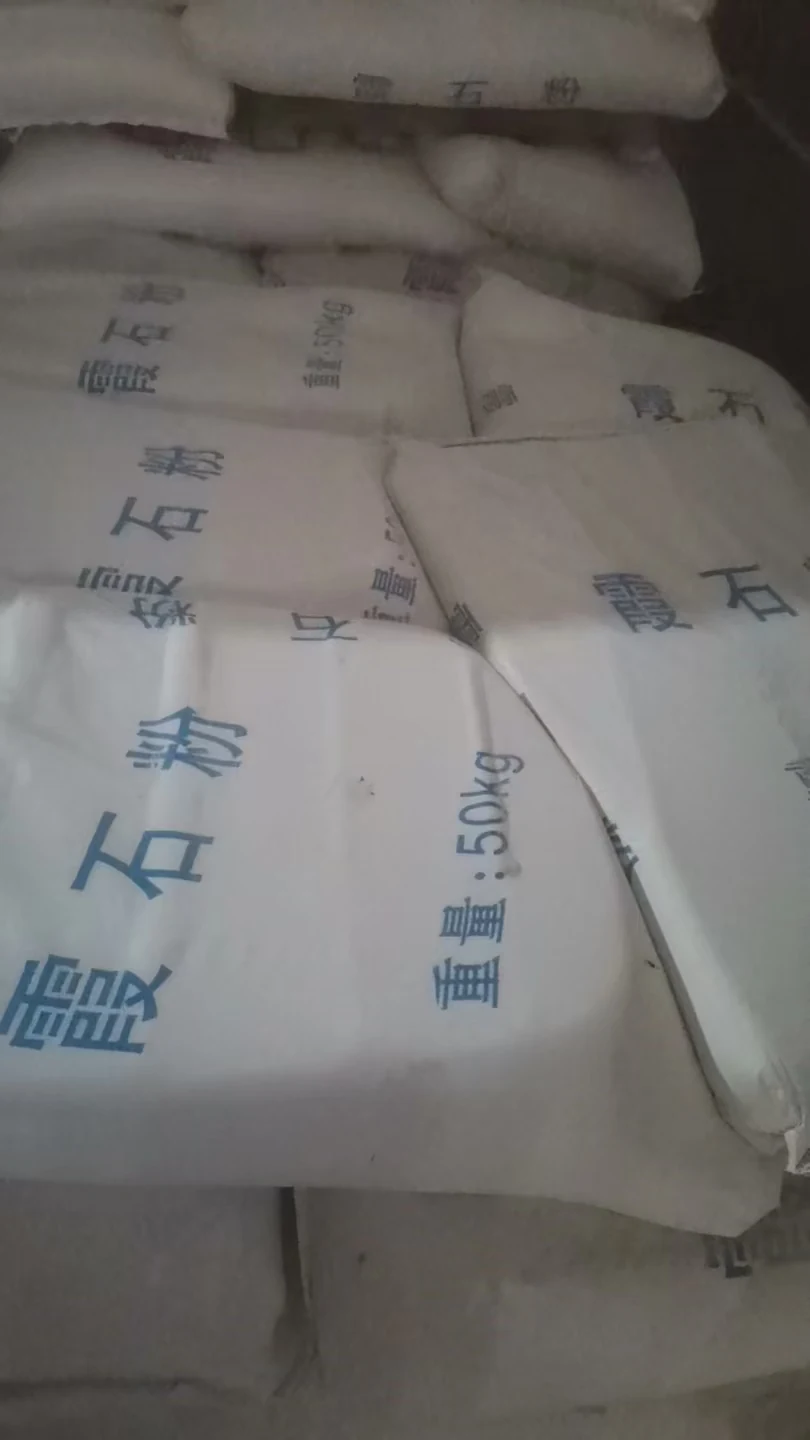 K100
K100Nepheline Powder K100 Standard
The volume grade — the same deposit, ground coarser, priced for tonnage
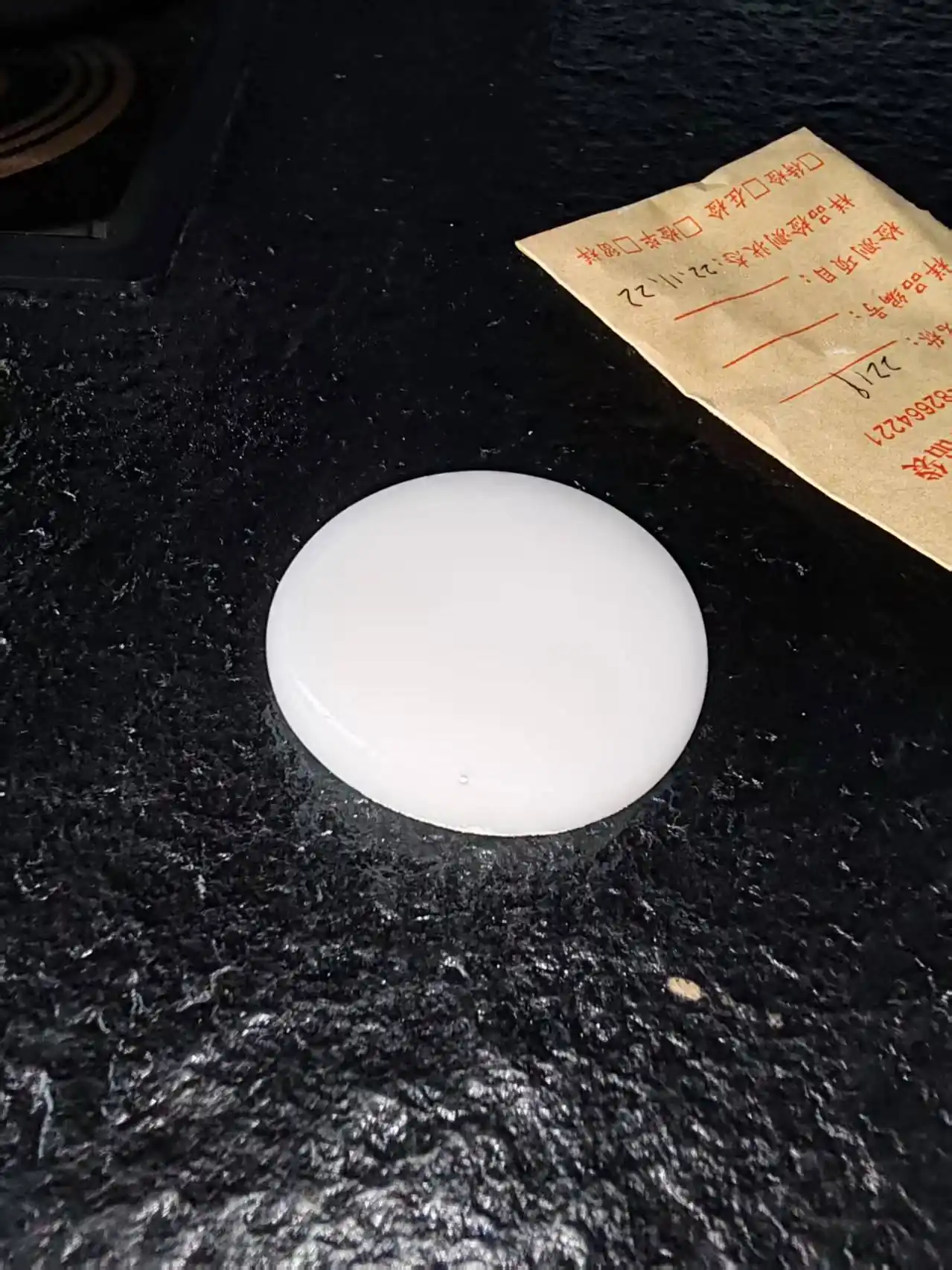 K200
K200Nepheline Powder K200 Ultra White
The lowest iron grade we produce, for bodies that have to fire white
Typical Body Composition
Typical floor tile body. For porcelain floor tiles targeting absorption below 0.5%, increase nepheline to 25-30%.
| Component | Share of body |
|---|---|
| Clay | 35-40% |
| Nepheline | 20-25% |
| Quartz | 25-30% |
| Feldspar | 5-10% |
| Talc | 3-5% |
Starting point only. Send us your current recipe and we will suggest a substitution ratio for a first trial.
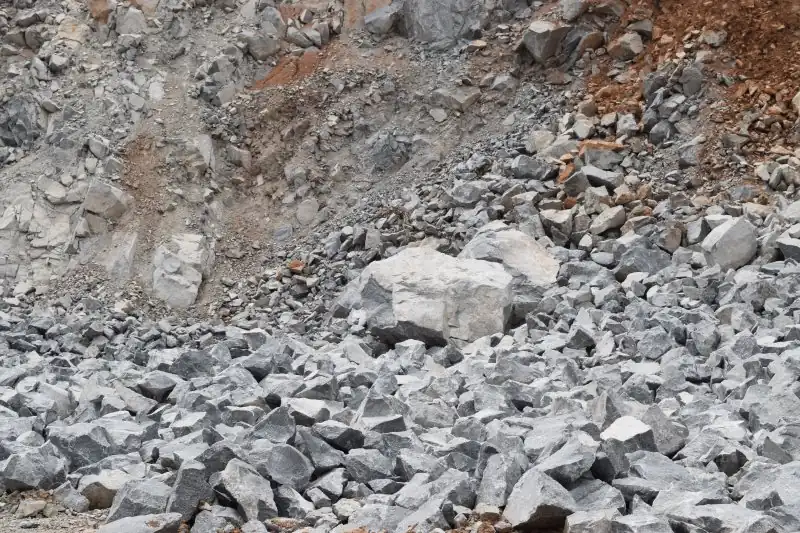
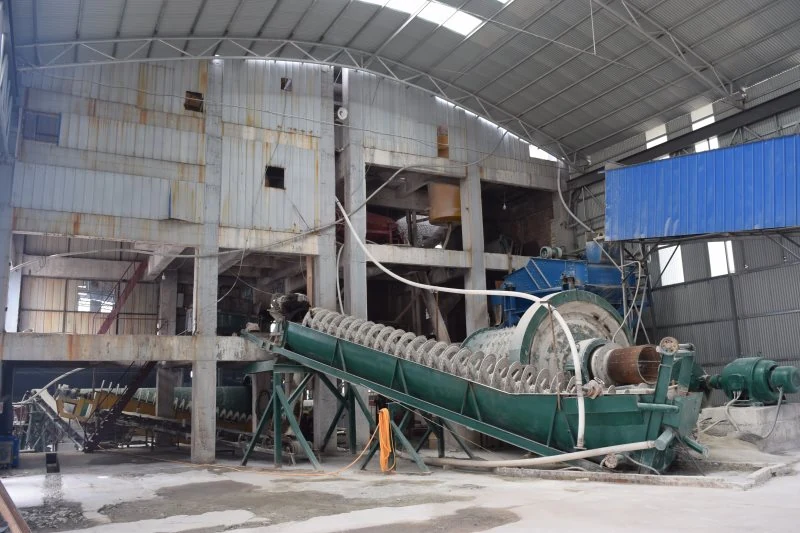
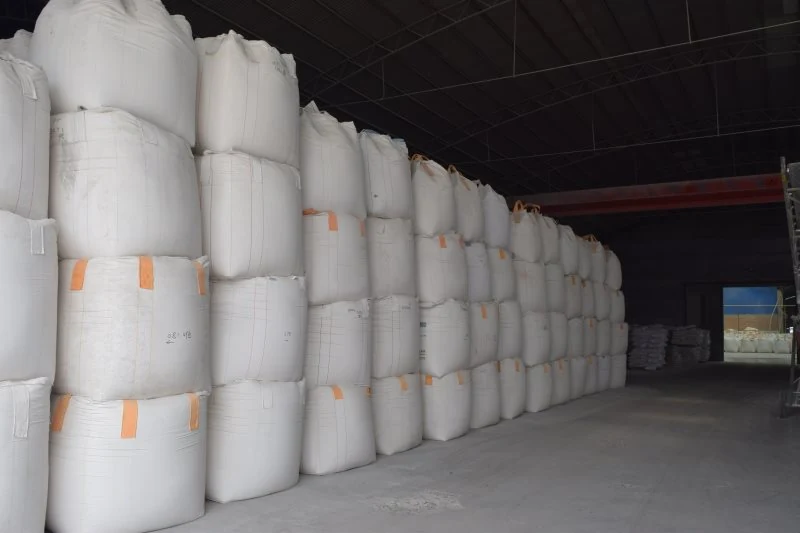
Where the Material Comes From
More Application Guides
Feldspar & Nepheline for Art Pottery & Studio Ceramics
Studio ceramic bodies and experimental glazes
Application GuidesFeldspar & Nepheline for Container Glass (Bottles & Jars)
Cost reduction + durability improvement
Application GuidesFeldspar for Electrical Porcelain Insulators
K-feldspar high viscosity for shape retention
Application GuidesFeldspar & Nepheline for Fiberglass Production
Alumina source for E-glass and insulation
Application GuidesFeldspar for Opaque & White Ceramic Glazes
Optimal matrix for zirconium opacifiers
Application GuidesFeldspar for Vitreous China & Hotel Ware
Dual flux approach for commercial tableware
Questions From Ceramic Floor Tiles Producers
Which grade should I start with for ceramic floor tiles?
Most customers start with K100 and K200. We ship 1-5 kg samples of each grade you want to compare, with a Certificate of Analysis so you can check our numbers against your own laboratory results.
Can I get samples before ordering?
Yes. We ship 1-5 kg of each grade by DHL or FedEx at our expense. Samples reach most international destinations in 5-7 days and each one includes a Certificate of Analysis.
What is the lead time?
Production runs 7-14 days from order confirmation. Standard grades are normally held in stock, so container loading often starts within 3-5 working days.
What quality documentation comes with a shipment?
A batch-specific Certificate of Analysis covering XRF chemistry, particle size, moisture and fired whiteness at 1200 degrees C. We send it for approval before loading, and originals travel with the shipping paperwork.
Send Us Your Current Recipe
Tell us the flux you use now and the defect you are chasing. We will recommend a grade and a substitution ratio for a first trial.