
Nepheline Powder K200 Ultra White
The lowest iron grade we produce, for bodies that have to fire white
What K200 Is
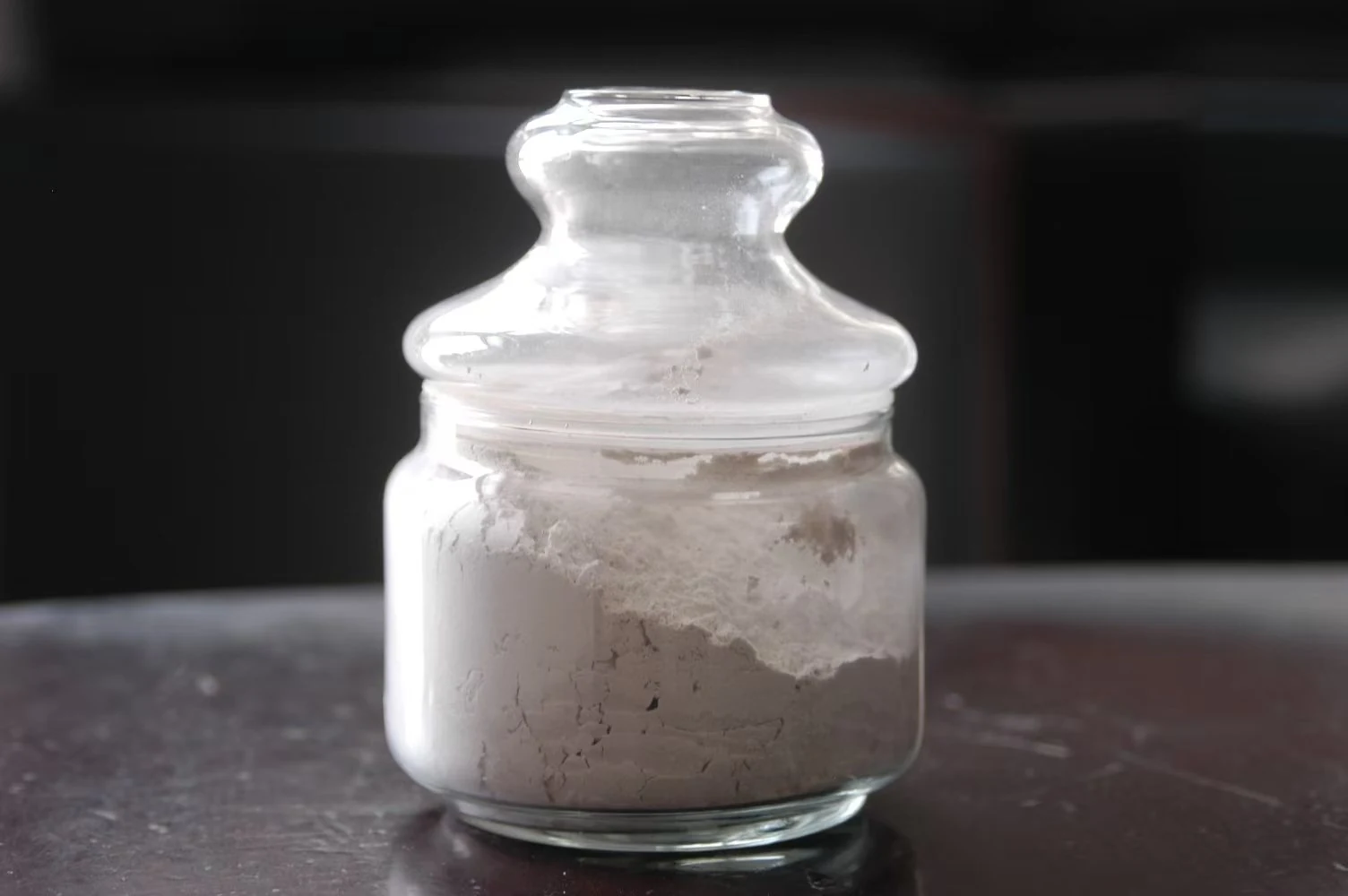
K200 is the lowest-iron material in our range: Fe2O3 at 0.08%, ground to 200 mesh (about 74 microns). It exists for one reason — ceramic bodies and glazes where fired whiteness is the specification that decides whether a batch ships or gets downgraded.
That iron level is not achieved by selecting better ore. It comes from extended multi-stage wet magnetic separation, where the slurry passes low-intensity separators for magnetite first and then high-intensity separators for weakly magnetic biotite and hornblende. Dry-process plants working the same deposit cannot reach it.
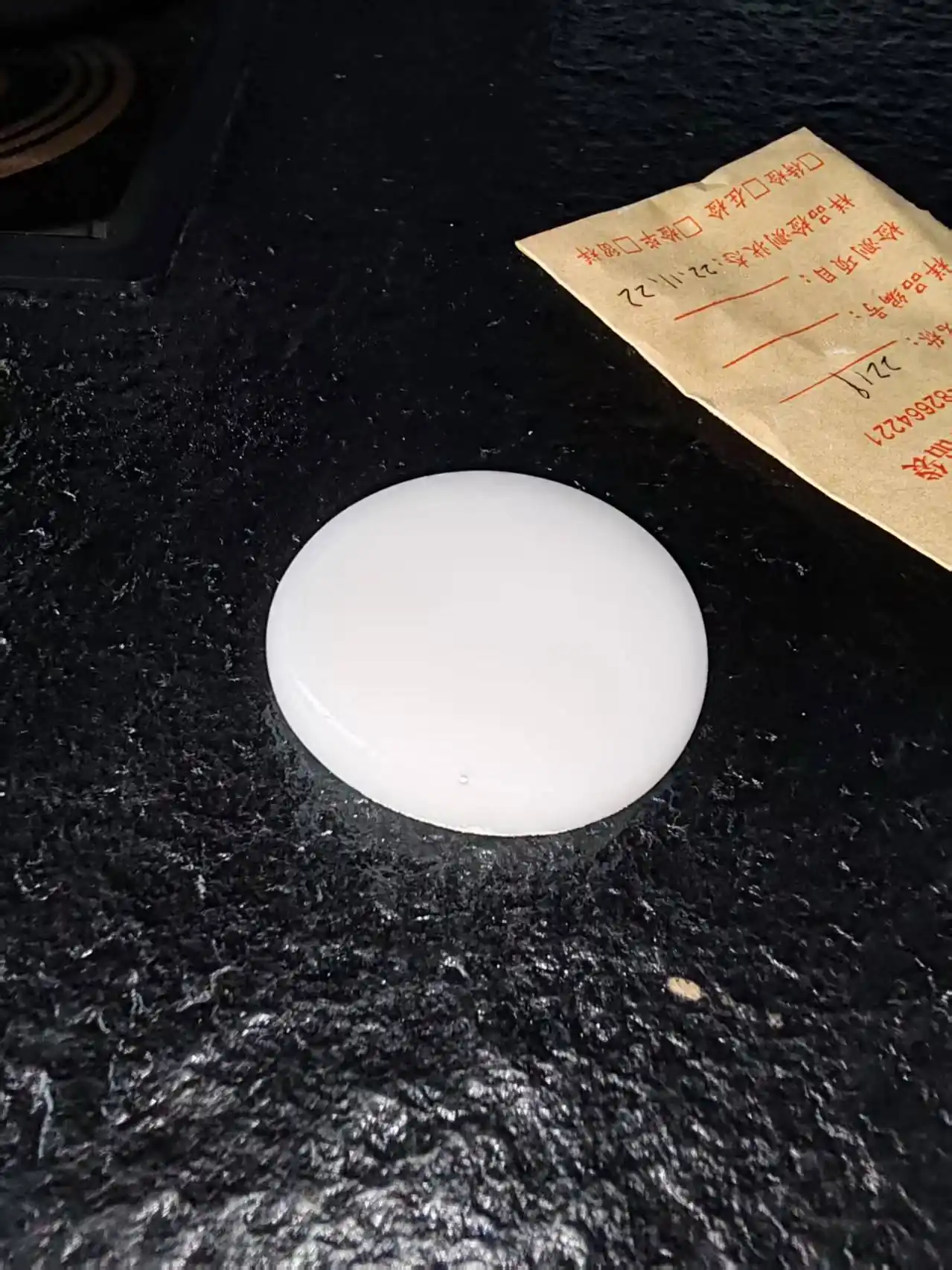
Independent testing at our third-party laboratory confirms fired whiteness that matches or exceeds imported nepheline syenite from Canada and Norway, at delivered costs that make sense for Asian and Middle Eastern buyers.
Typical Chemistry and Processing
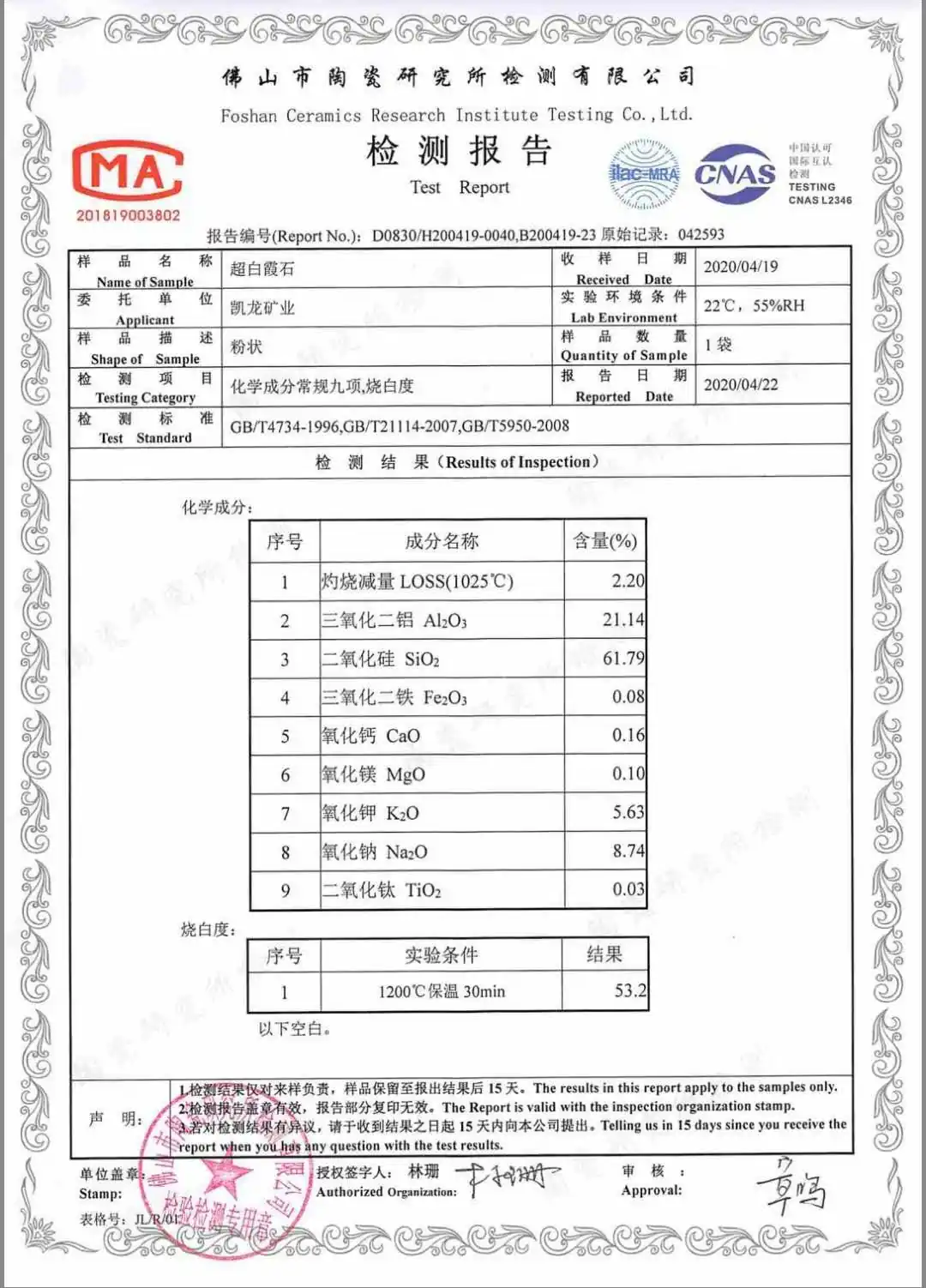
Values from our published specification. Every shipment carries a batch-specific Certificate of Analysis with the actual numbers.
| Property | Value |
|---|---|
| Fe2O3 | 0.08% |
| SiO2 | 61.79% |
| Al2O3 | 21.14% |
| K2O | 5.63% |
| Na2O | 8.74% |
| CaO | 0.16% |
| MgO | 0.10% |
| TiO2 | 0.03% |
| Fineness | 200 mesh (about 74 microns) |
| Process | Wet milling + multi-stage magnetic separation |
Analysis by XRF. Fired whiteness measured on pressed discs at 1200 degrees C. Independent verification available from Foshan Youbo Ceramic Analysis & Testing Co., Ltd..
What You Get From This Grade
Fired whiteness without an optical brightener
At Fe2O3 0.08% and TiO2 0.03%, the glass phase stays colourless. There is no yellow cast to mask with zircon or extra opacifier.
Complete vitrification at practical kiln temperatures
Na2O 8.74% plus K2O 5.63% gives 14.37% total alkali, enough flux to reach water absorption below 0.5% without pushing the kiln curve.
Fine particle size that closes surfaces
200 mesh means faster dissolution in the melt and a smoother fired surface — useful for polished porcelain and for glazes that have to heal pinholes.
No free silica
Nepheline syenite carries no free quartz, which removes a respirable silica exposure and the quartz inversion stress that causes cooling cracks.
Why Customers Switch to K200
Fired body comes out cream instead of white
Iron in the flux is the usual cause. At 0.08% Fe2O3, K200 removes the flux as a variable so you can look at the clay.
Whiteness drifts between deliveries
Single-deposit ore and batch-by-batch XRF keep the chemistry inside a narrow band instead of moving with whatever the supplier bought that month.
Pinholes and specks in polished surfaces
Wet processing removes the iron-bearing inclusions that become black specks, and 200 mesh helps the glaze close over escaping gas.
Typical Buyers
- Porcelain tile and large-format slab plants specifying water absorption below 0.5%
- Fine tableware and hotel ware producers selling on translucency and whiteness
- Sanitary ware factories that need a white body and dimensional stability in one material
- Glaze and frit houses that cannot tolerate iron or titanium colour pick-up
Where It Is Used
- Premium porcelain tiles
- Large-format slabs 800x2400 mm and above
- Fine tableware and dinnerware
- Sanitary ware bodies
- High-whiteness glazes
- Ceramic ink and engobe bases
How K200 Is Made and Shipped
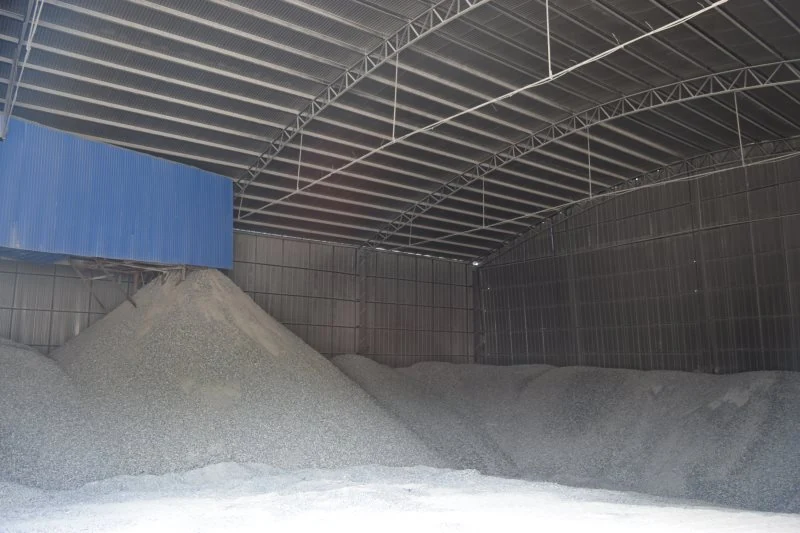
Packaging
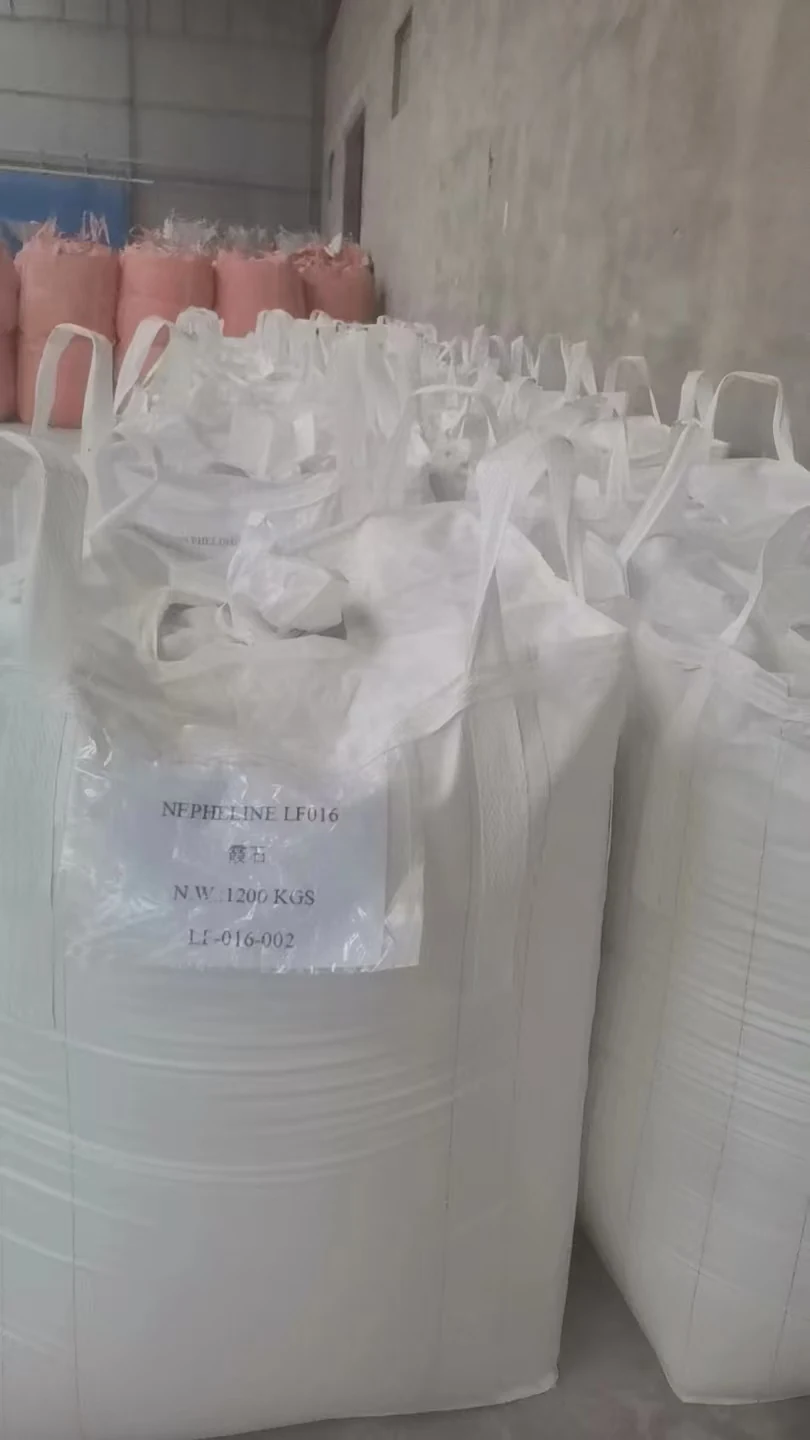
1200 kg FIBC jumbo bags as standard, or 50 kg PP woven bags. Bags are labelled with product name, grade, batch number and weight. Private labelling available.
Loading
A 20ft container takes about 24 tons, roughly 20 jumbo bags. Loading photos on request and a numbered security seal on every container.
Against the Alternatives
Against K100 the chemistry is almost the same; what you are buying is the finer grind and the lower iron. Against imported nepheline syenite the fired whiteness is comparable and the freight is a fraction. Against a 0.25% Fe2O3 feldspar the difference in fired colour is visible without an instrument.
How to Trial It
Start by substituting K200 for the feldspar in your existing body at a 0.82 ratio by weight, then fire your standard curve and measure absorption and whiteness before adjusting. Most porcelain bodies settle between 25% and 30% K200. Keep the material dry; it ships below 1.0% moisture and picks moisture up if bags are opened and left.
Other Grades in the Range
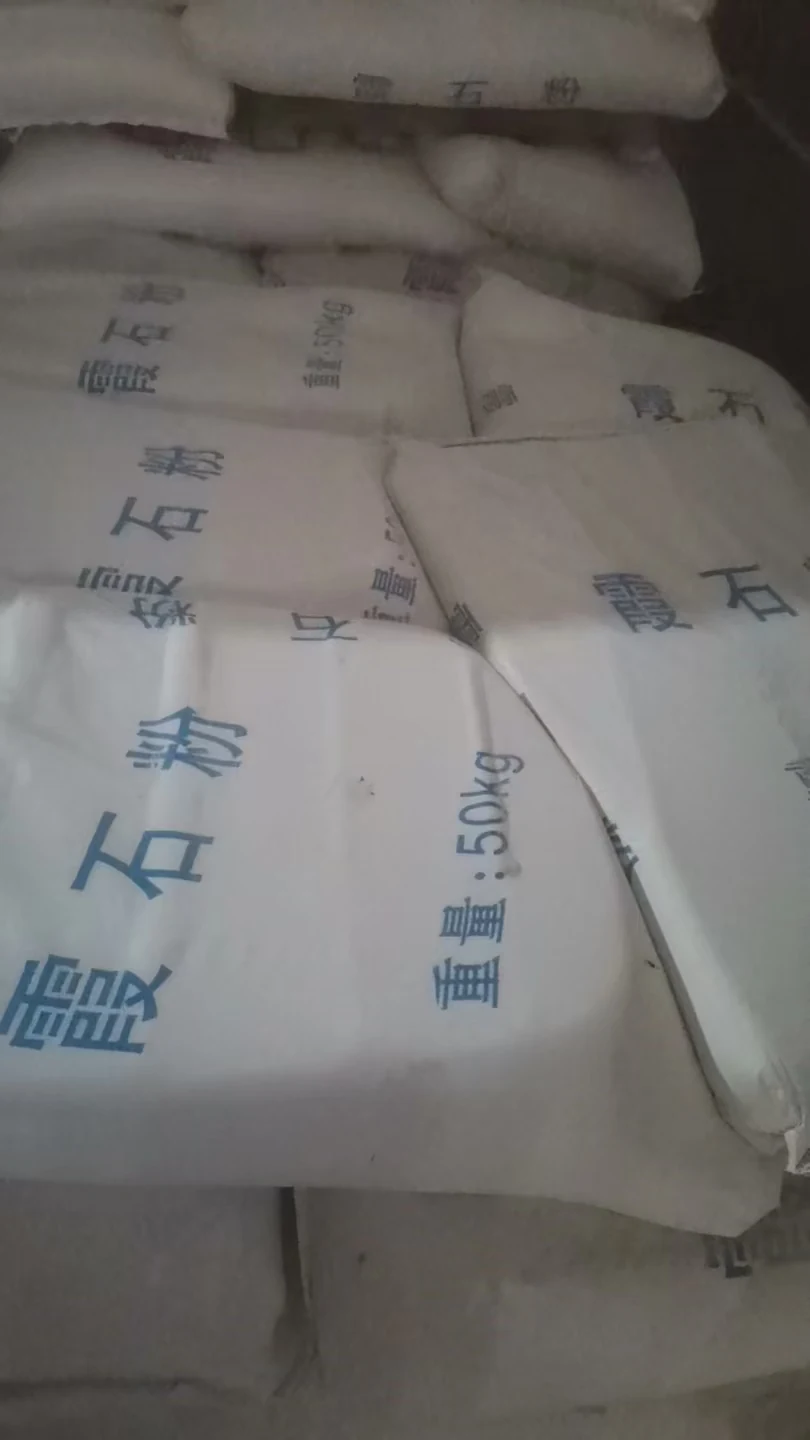 K100
K100Nepheline Powder K100 Standard
The volume grade — the same deposit, ground coarser, priced for tonnage
GP20Nepheline Powder GP20 High Expansion
A glaze-maker's nepheline — high calcium, highest total alkali in the range
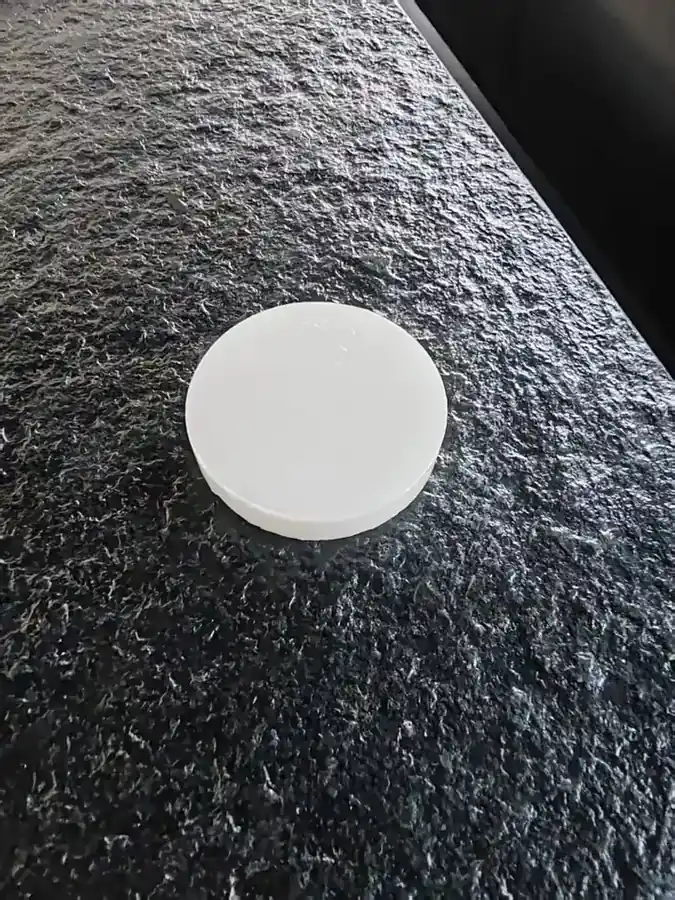 TX101
TX101Potassium Feldspar TX101 Ultra White
K-feldspar taken through an extra purification stage for whiteness-critical work
Articles That Mention K200
Annual Volume Discount Program
200t+ annual: 3-8% tiered pricing
Defect TroubleshootingBlack Specks in Ceramics: Iron Contamination from Raw Materials
Wet processing eliminates steel grinding contamination
Formulation and Technical GuidesHow to Calculate Flux Requirements for Your Ceramic Body
Step-by-step method for determining nepheline dosage
Country and Market GuidesNepheline & Feldspar Supplier for Egypt
Africa's largest producer, Alexandria
Country and Market GuidesNepheline & Feldspar Supplier for Italy
Sassuolo world benchmark
Country and Market GuidesNepheline & Feldspar Supplier for Pakistan
Growing sector, Karachi port
Questions About K200
What is the typical chemistry of K200?
Published typical values are Fe2O3 0.08%, SiO2 61.79%, Al2O3 21.14%, K2O 5.63%. Every shipment carries a batch-specific Certificate of Analysis with the actual measured numbers.
Can I get samples before ordering?
Yes. We ship 1-5 kg of each grade by DHL or FedEx at our expense. Samples reach most international destinations in 5-7 days and each one includes a Certificate of Analysis.
What is the minimum order quantity?
One 20ft container, which is about 24 tons — roughly 20 FIBC jumbo bags. Samples of 1-5 kg per grade are available before that for laboratory evaluation.
What is the lead time?
Production runs 7-14 days from order confirmation. Standard grades are normally held in stock, so container loading often starts within 3-5 working days.
Test K200 in Your Own Laboratory
We ship 1-5 kg by courier at our expense, with the Certificate of Analysis, so you can compare our numbers against yours.