
Nepheline Syenite and Feldspar From Our Own Mine in Henan
We mill wet, not dry — which is why our K200 grade reaches Fe2O3 0.08% and fires white enough for porcelain and tableware. 120 million tons of verified reserves, 250,000 tons a year, and a Certificate of Analysis with every container.
Five Catalogue Grades From One Deposit
Three nepheline syenite powders and two potassium feldspars, all milled wet at our own plant, plus sodium feldspar supplied to specification.
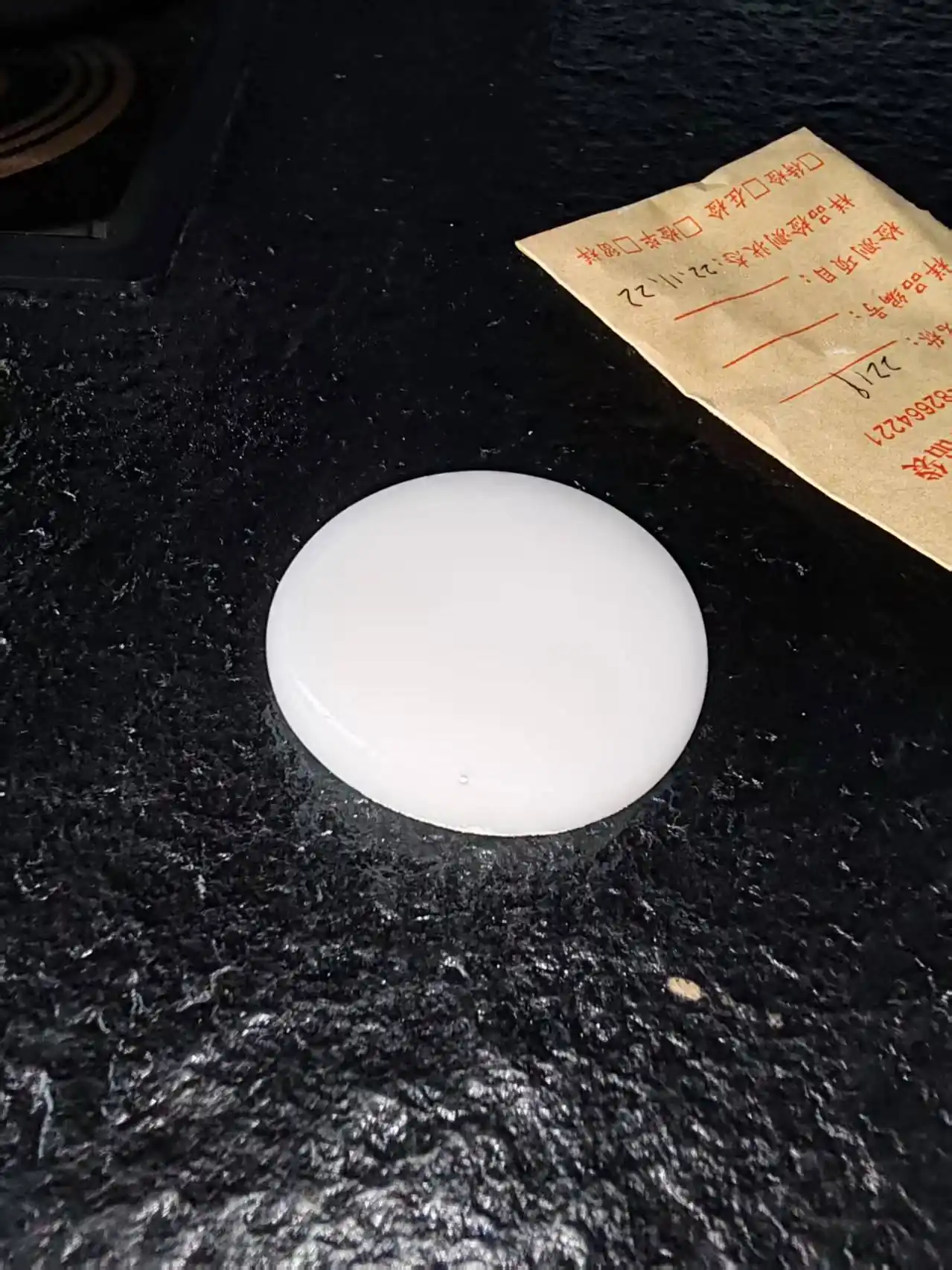 K200
K200Nepheline Powder K200 Ultra White
The lowest iron grade we produce, for bodies that have to fire white
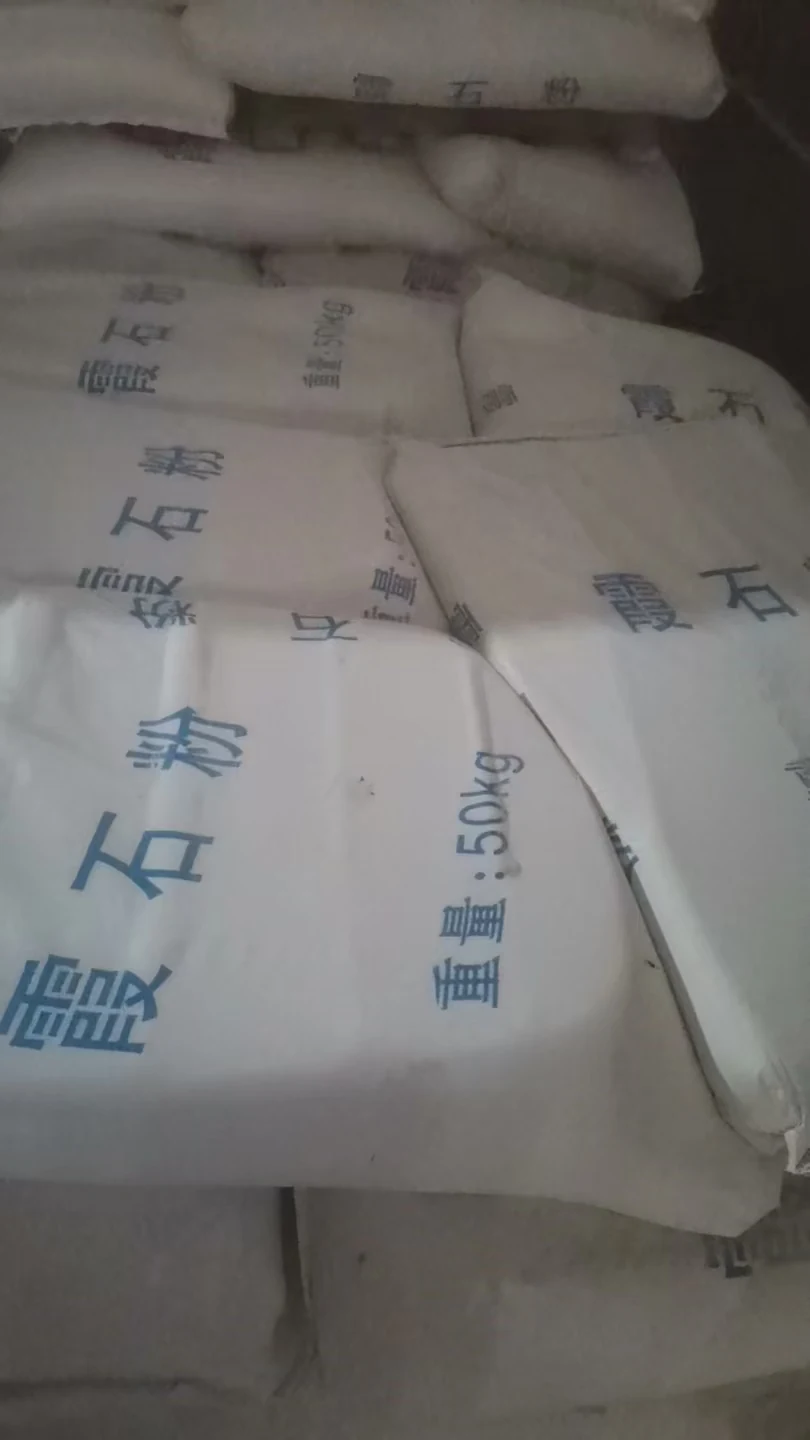 K100
K100Nepheline Powder K100 Standard
The volume grade — the same deposit, ground coarser, priced for tonnage
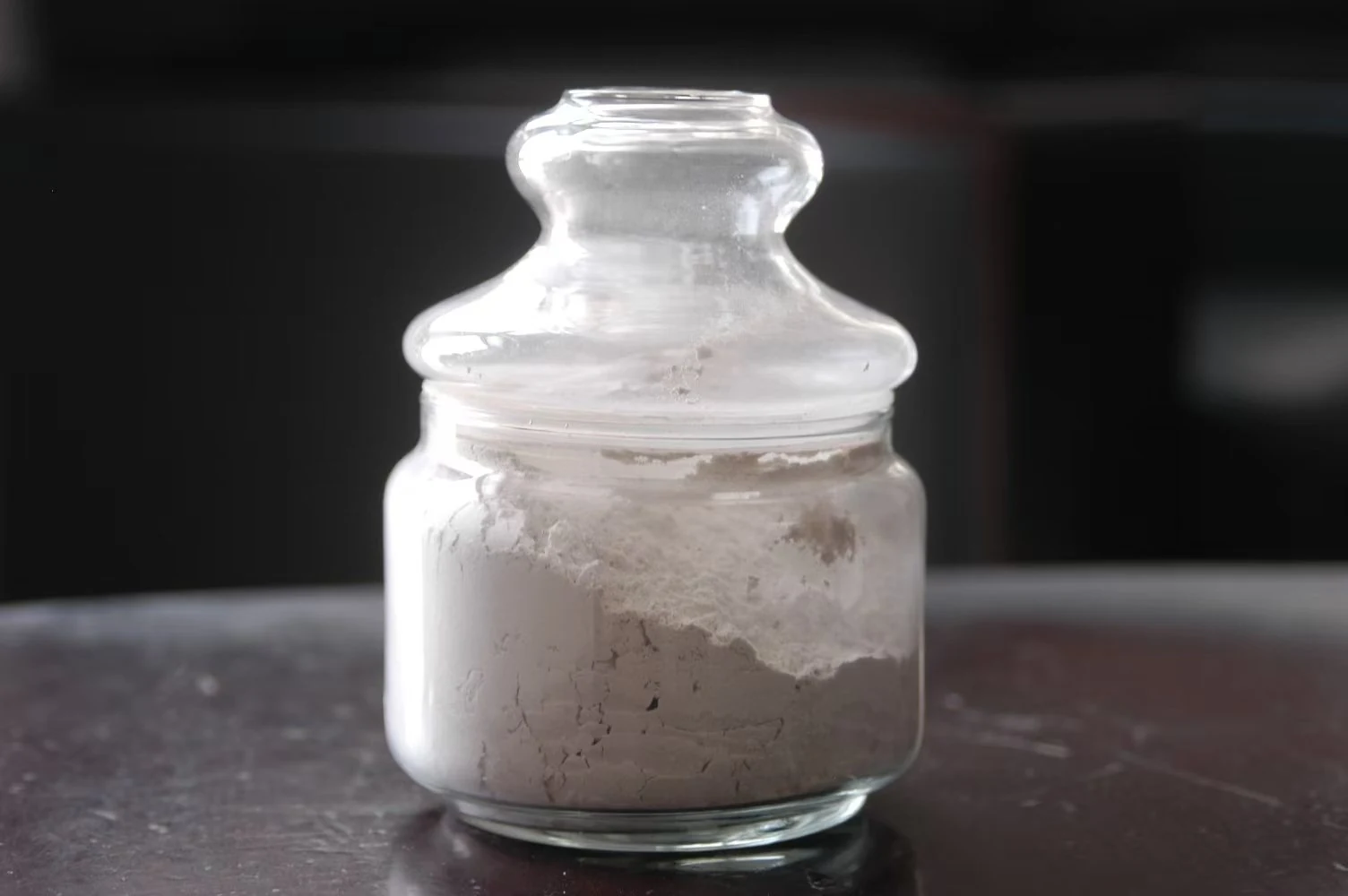 GP20
GP20Nepheline Powder GP20 High Expansion
A glaze-maker's nepheline — high calcium, highest total alkali in the range
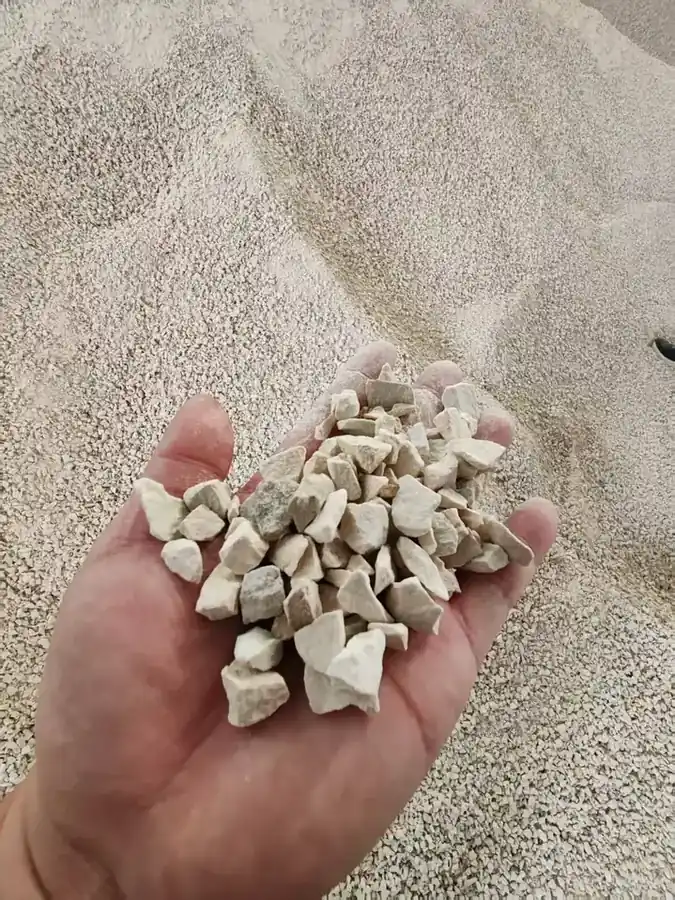 SY101
SY101Potassium Feldspar SY101 High K+Na
Flotation feldspar for bodies that have to hold their shape
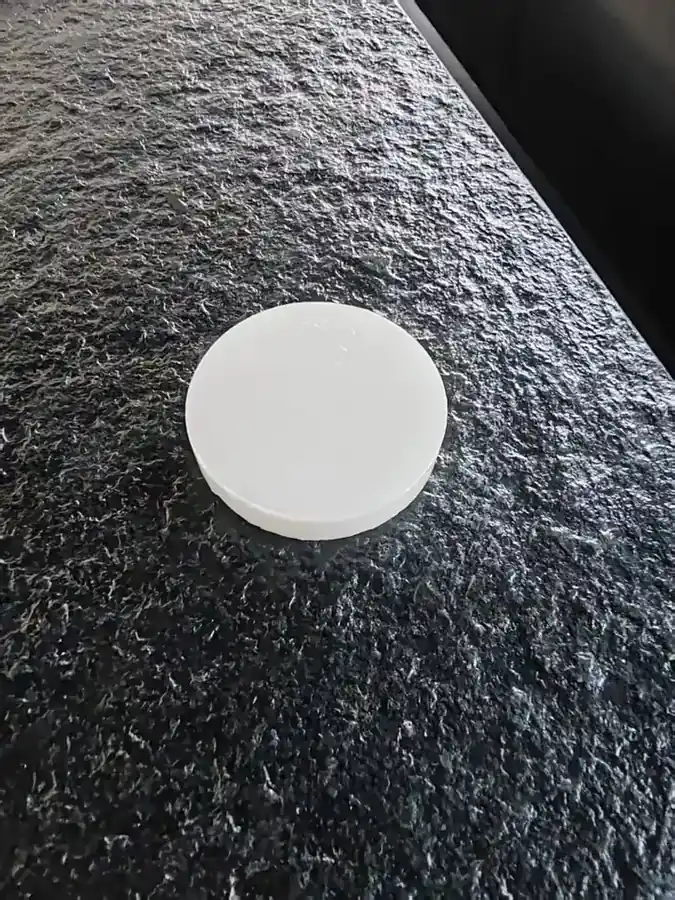 TX101
TX101Potassium Feldspar TX101 Ultra White
K-feldspar taken through an extra purification stage for whiteness-critical work
Three Mineral Lines
Nepheline syenite for fluxing power and whiteness, potassium feldspar for melt viscosity, sodium feldspar for an earlier melt.
NephelineNepheline Powder
Our core product line, milled wet from a single deposit. Nepheline syenite brings more alumina and more alkali per tonne than feldspar and carries no
Grades and applications →K-FeldsparPotassium Feldspar
Flotation-beneficiated K-feldspar from premium Henan deposits, in a standard grade and an ultra-white grade. Potassium feldspar produces a more viscou
Grades and applications →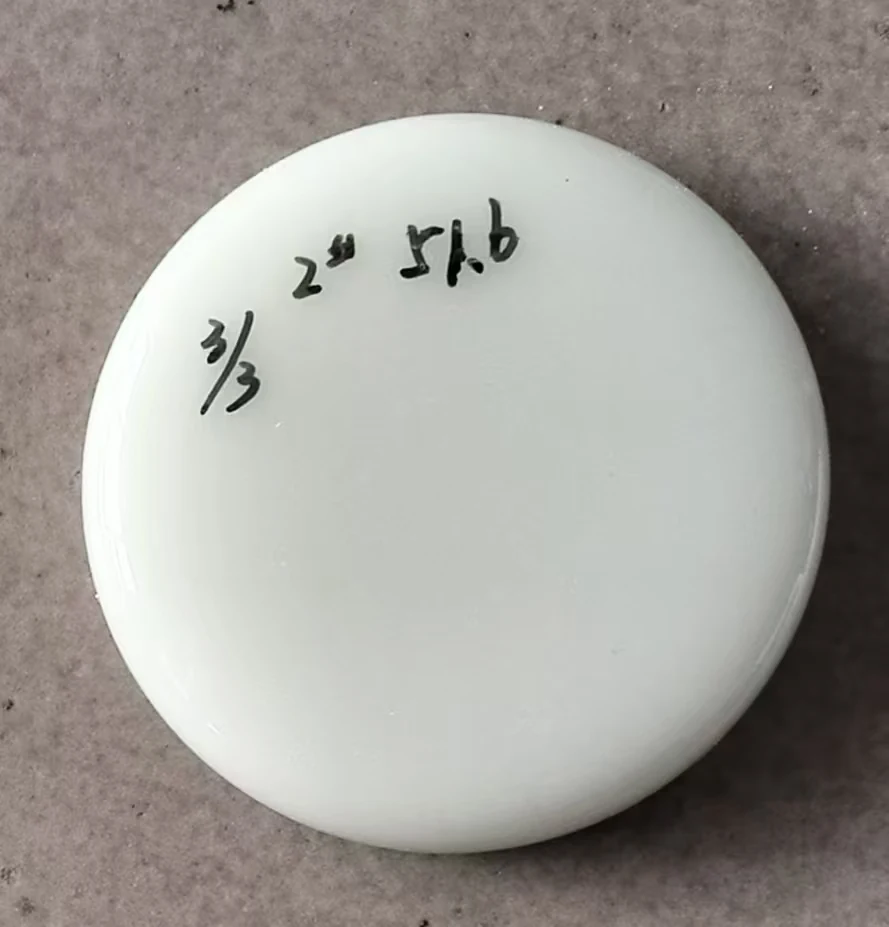 Na-Feldspar
Sodium Feldspar
Sodium feldspar (albite) supplied to specification rather than as a fixed catalogue grade. Indicative chemistry is Na2O around 11% and Al2O3 around 19
Grades and applications →Six Applications We Supply Every Month
Each page gives the technical requirement, the grade that meets it and the formulation range our customers actually run.
Ceramic Floor Tiles
Floor tiles have to reach water absorption below 3% — below 0.5% for porcelain grade — while carrying foot traffic and moisture for decades....
Materials for this application →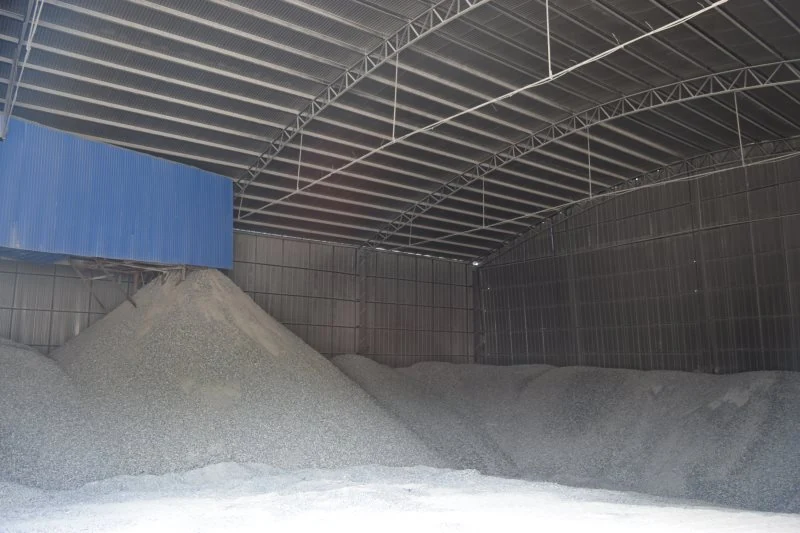
Porcelain Tiles and Large Slabs
Large slabs amplify every material inconsistency. A flux variation that is invisible in a 600 mm tile shows up as warping across 2400 mm, an...
Materials for this application →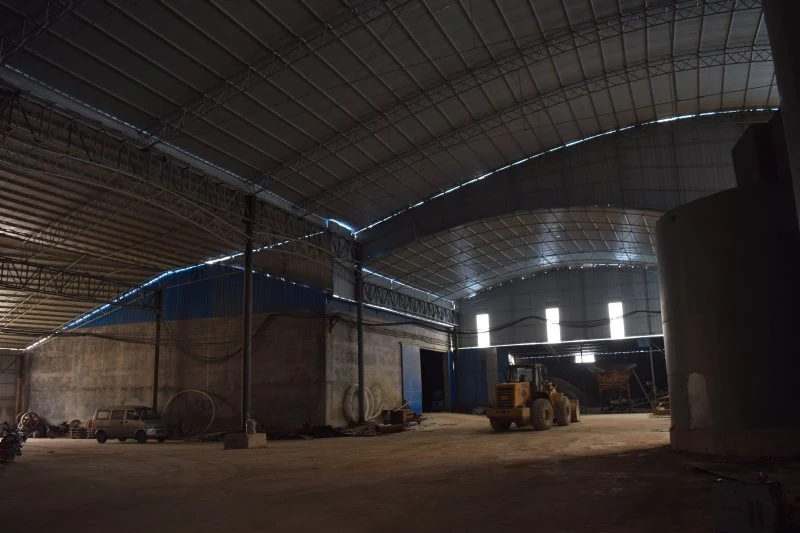
Sanitary Ware
Toilets and washbasins are complex three-dimensional shapes that must vitrify completely for hygiene and still hold dimensional accuracy thr...
Materials for this application →Tableware and Dinnerware
Fine tableware sells on translucency and whiteness and is returned for chipped rims. All three properties are decided in the body recipe, an...
Materials for this application →Matte and Polished Glazes
A matte glaze that comes from underfiring is a defect waiting to happen — dry, patchy and different on every kiln car. A matte that comes fr...
Materials for this application →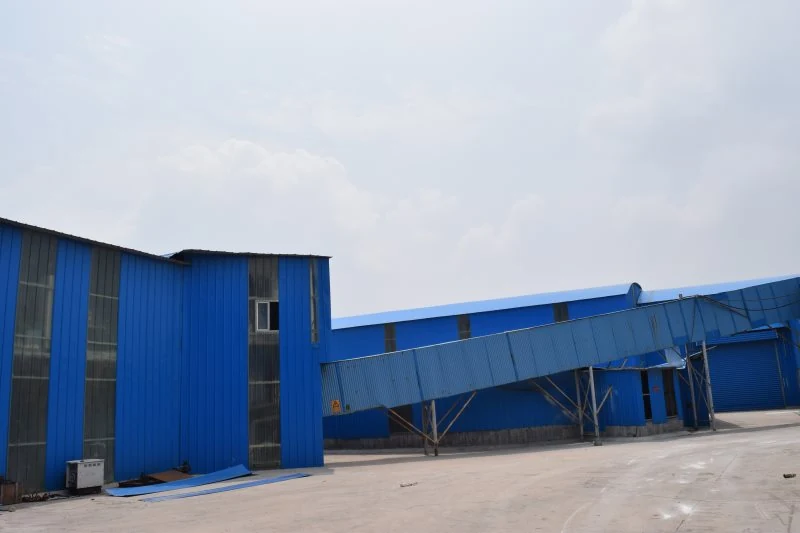
Glass Manufacturing
Soda ash is one of the most expensive lines in a glass batch, and the batch still needs alumina for chemical durability. Buying those two th...
Materials for this application →Four Problems That Usually Trace Back to the Flux
Your fired body comes out cream, not white
Iron in the flux is usually the cause. Wet processing takes Fe2O3 down to 0.08% in K200, which removes the flux from the list of suspects.
Chemistry moves between deliveries
One deposit, one plant and batch-by-batch XRF. Nothing changes because a trader switched pits that month.
Firing costs more than it should
Nepheline carries 12-16% total alkali against 10-14% for feldspar, which typically drops vitrification 30-50 degrees C.
Large slabs warp and get scrapped
Consistent particle size and documented batch chemistry are what large-format lines actually need from a flux supplier.
Mine to Mill in One Company
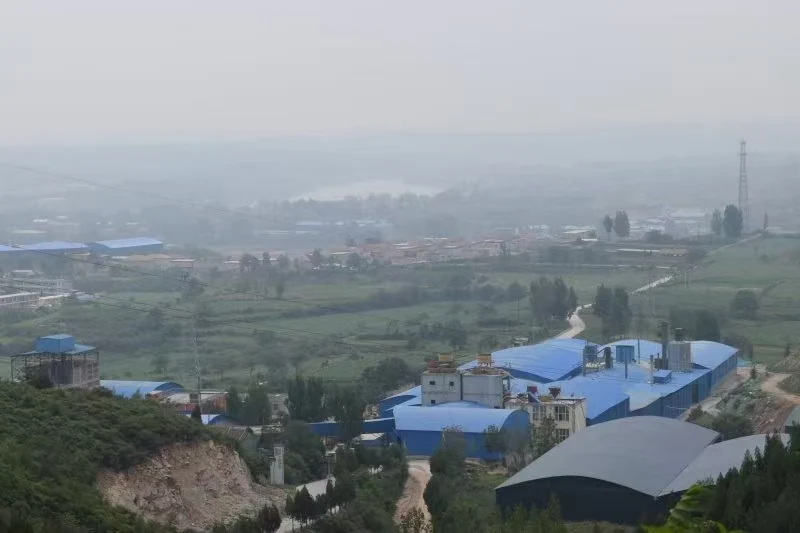
We are not a trading company with a warehouse. Anyang County Kailong Mining holds the mining licence, runs the quarry, owns the wet-process plant and sells direct. That is why the chemistry on your third container matches the chemistry on your first.
Our own mine, not a purchase order
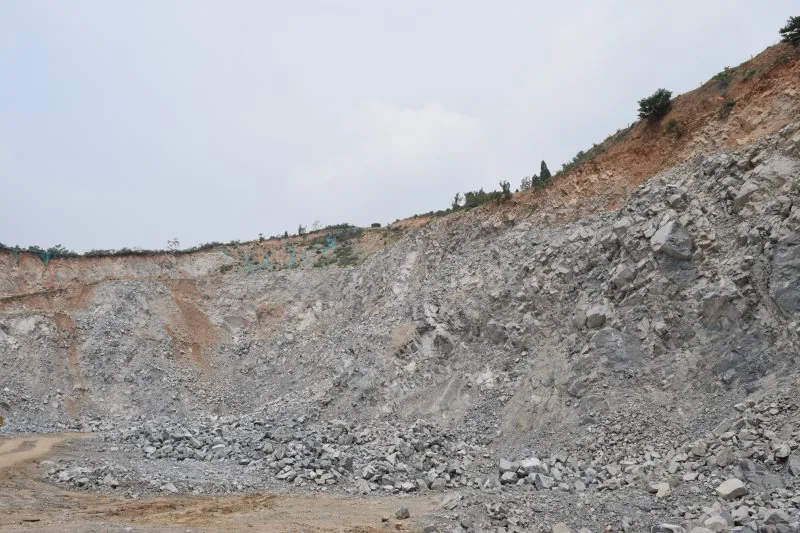
A government-issued mining licence since 2007 over a deposit with more than 120 million tons of verified nepheline syenite.
Wet process, three separation stages
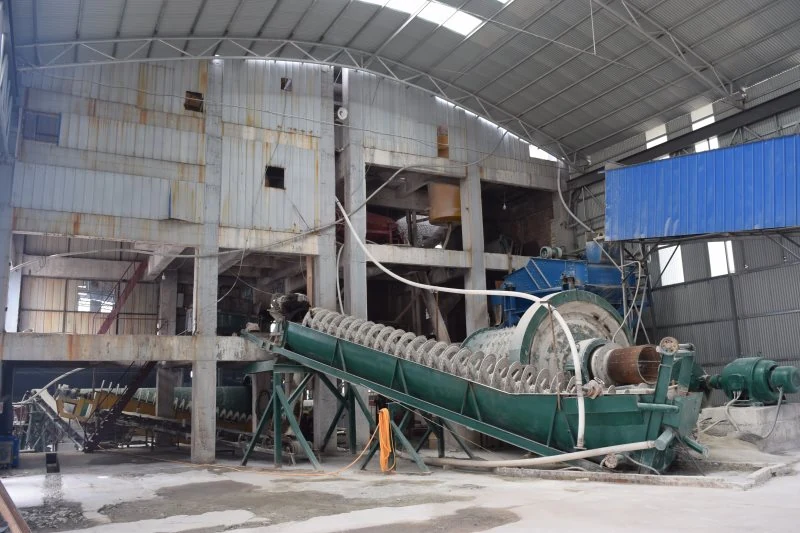
Over 40 million CNY invested in a wet line that takes Fe2O3 from around 0.4% in raw ore to 0.08% in finished K200.
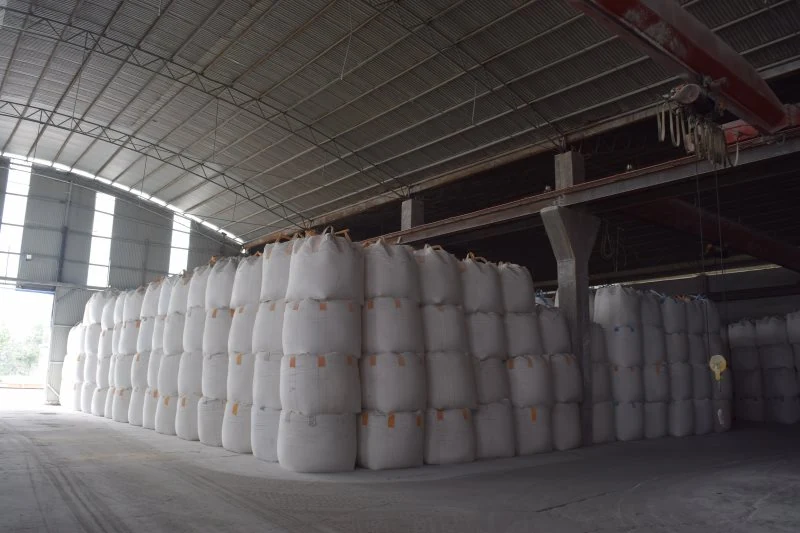
250,000 tons a year, held in stock
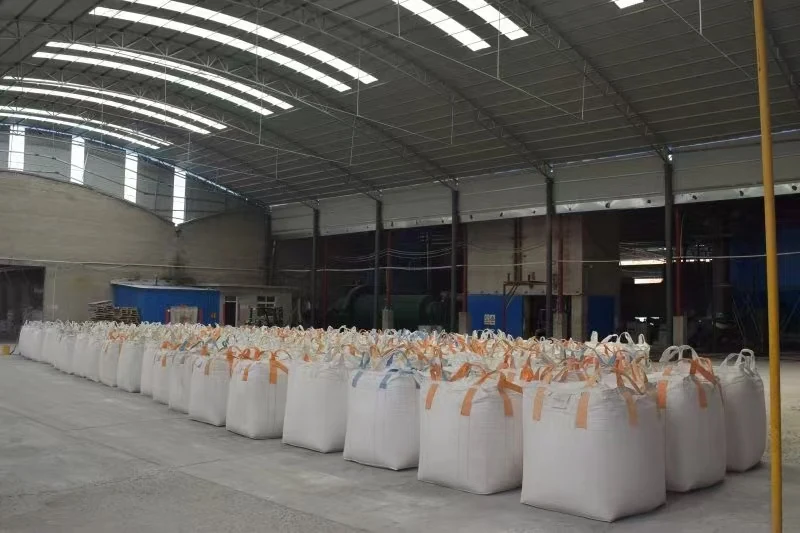
Standard grades ship from the enclosed warehouse, so loading usually starts 3-5 working days after confirmation.
Three ports within 6-8 hours
Tianjin, Qingdao and Lianyungang by road, 3 km from the expressway. FOB or CIF worldwide.
Seven Stages With Quality Control at Each One
Open pit mining
Drill-and-blast extraction at Jiulongshan, hauled about 500 metres downhill to the crushing station. Geologists inspect each face and segregate quality zones.
Two stage crushing
A jaw crusher takes boulders up to 800 mm down to roughly 150 mm; a cone crusher reduces that to the 10-20 mm feed size wet milling needs.
Wet ball milling
Ore is slurried with water and ground to 100 or 200 mesh. Grinding wet liberates iron-bearing inclusions locked inside larger grains.
Three stage magnetic separation
High-intensity wet separation takes magnetite, then biotite, then weakly magnetic minerals. Fe2O3 falls from around 0.4% in raw ore to 0.08% in K200.
Classification and dewatering
Hydrocyclones set the particle size; thickeners and filter presses remove water, which is recycled back into the grinding circuit.
Drying and packing
Rotary dryers bring moisture below 1.0%. Product is packed into 1200 kg FIBC or 50 kg woven bags labelled with grade and batch number.
Testing and loading
XRF chemistry, laser particle size, moisture and fired whiteness at 1200 degrees C on every batch, then sealed container loading.
Sampling Ordering Quality and Private Label
The commercial mechanics written out, including payment terms, lead times and what arrives in the container.
Sample Evaluation
Nobody should qualify a new flux on a supplier's data sheet. We ship 1-5 kg of each grade you want to evaluate by DHL or FedEx at our expense, with a
How we supplyOrdering and Shipping
The mechanics of importing mineral powder from China are routine once you have seen them written down. This is the sequence we run on every order, wit
How we supplyQuality Assurance
Consistency is the only thing a mineral supplier really sells. Every production batch goes through the same four tests, and the results travel with th
How we supplyPrivate Label and OEM
Trading companies, distributors and large manufacturers who sell under their own brand can take the same wet-processed material in their own packaging
147 Technical Articles for Engineers and Buyers
Formulation guidance, defect troubleshooting, material comparisons and import procedure.
Annual Volume Discount Program
200t+ annual: 3-8% tiered pricing
Raw Material ScienceWhy Batch-to-Batch Consistency Matters More Than Single-Batch Quality
Evaluating consistency, not just peak quality
Defect TroubleshootingBlack Specks in Ceramics: Iron Contamination from Raw Materials
Wet processing eliminates steel grinding contamination
Defect TroubleshootingBloating in Porcelain: Over-Fluxing and How to Correct It
Reduce nepheline 3-5% or lower temperature
Formulation and Technical GuidesHow to Calculate Flux Requirements for Your Ceramic Body
Step-by-step method for determining nepheline dosage
Defect TroubleshootingCeramic Crazing: How Flux Selection Prevents Glaze Cracking
Fix with nepheline in body + K-feldspar in glaze
Questions Buyers Ask First
What products do you supply?
Three nepheline syenite powder grades — GP20 high expansion, K200 ultra white and K100 standard — plus two potassium feldspar grades, SY101 and TX101, and sodium feldspar to specification. Everything is processed from our own quarry.
What is nepheline syenite and why use it instead of feldspar?
It is a quartz-free igneous rock used as a flux in ceramics and glass. Against feldspar it carries more alumina (20-24% against 17-19%) and more total alkali (12-16% against 10-14%), melts earlier, gives a wider firing range and contains no free silica.
How low is the iron content?
K200 runs Fe2O3 at 0.08%, K100 at 0.12% and GP20 at 0.14%. Those levels come from multi-stage wet magnetic separation; dry-process plants working the same ore cannot reach them.
What is your production capacity?
250,000 tons per year, drawn from a deposit with more than 120 million tons of verified reserves.
How do you keep quality consistent between shipments?
One deposit, one processing plant and 100% batch testing — XRF chemistry, laser particle size, moisture and fired whiteness at 1200 degrees C — with the results issued as a Certificate of Analysis.
Are you a mine or a trading company?
A mine. Anyang County Kailong Mining Co., Ltd. has held its own government-issued mining licence since 2007 and runs mining, processing, sales and technical service in one company.
Send Us Your Specification
Samples of 1-5 kg per grade, a Certificate of Analysis with every shipment and a reply within 24 hours.