
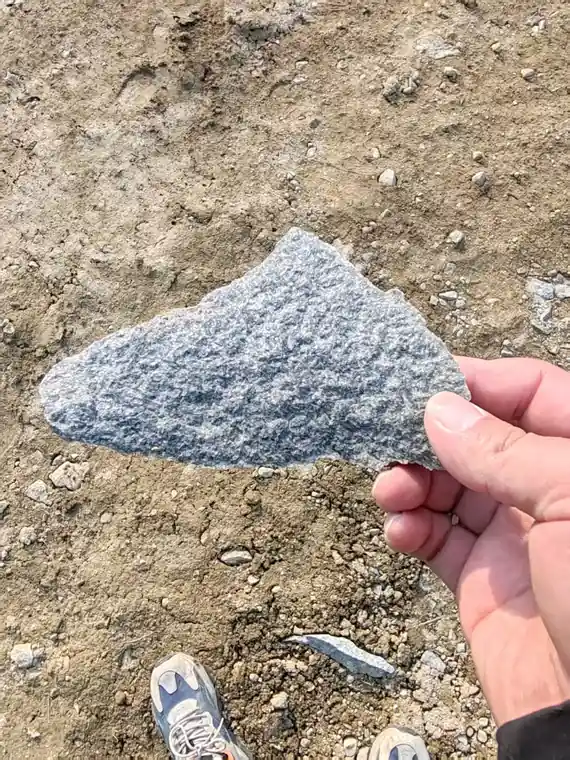
Bloating occurs when ceramic bodies are over-fired: the surface glass phase seals completely, trapping decomposition gases (from residual carbonates, sulfates, or organic matter) inside the body.
Understanding This Defect
The trapped gas expands, creating visible blisters or a generally swollen appearance with reduced density. If you experience bloating, the first thing to check is your flux content — too much nepheline or feldspar causes the body to vitrify and seal at temperatures lower than your kiln setting, creating the sealed-surface-plus-gas-generation condition that causes bloating. The fix: reduce nepheline content by 3-5% or reduce firing temperature by 20-30 degrees C. If you recently switched from feldspar to nepheline without reducing the percentage, this is likely the cause — nepheline provides approximately 20-30% more flux per ton, so the same weight percentage over-fluxes the body. Use our conversion guide: nepheline weight should be 80-85% of the feldspar weight it replaces.
Solution & Prevention
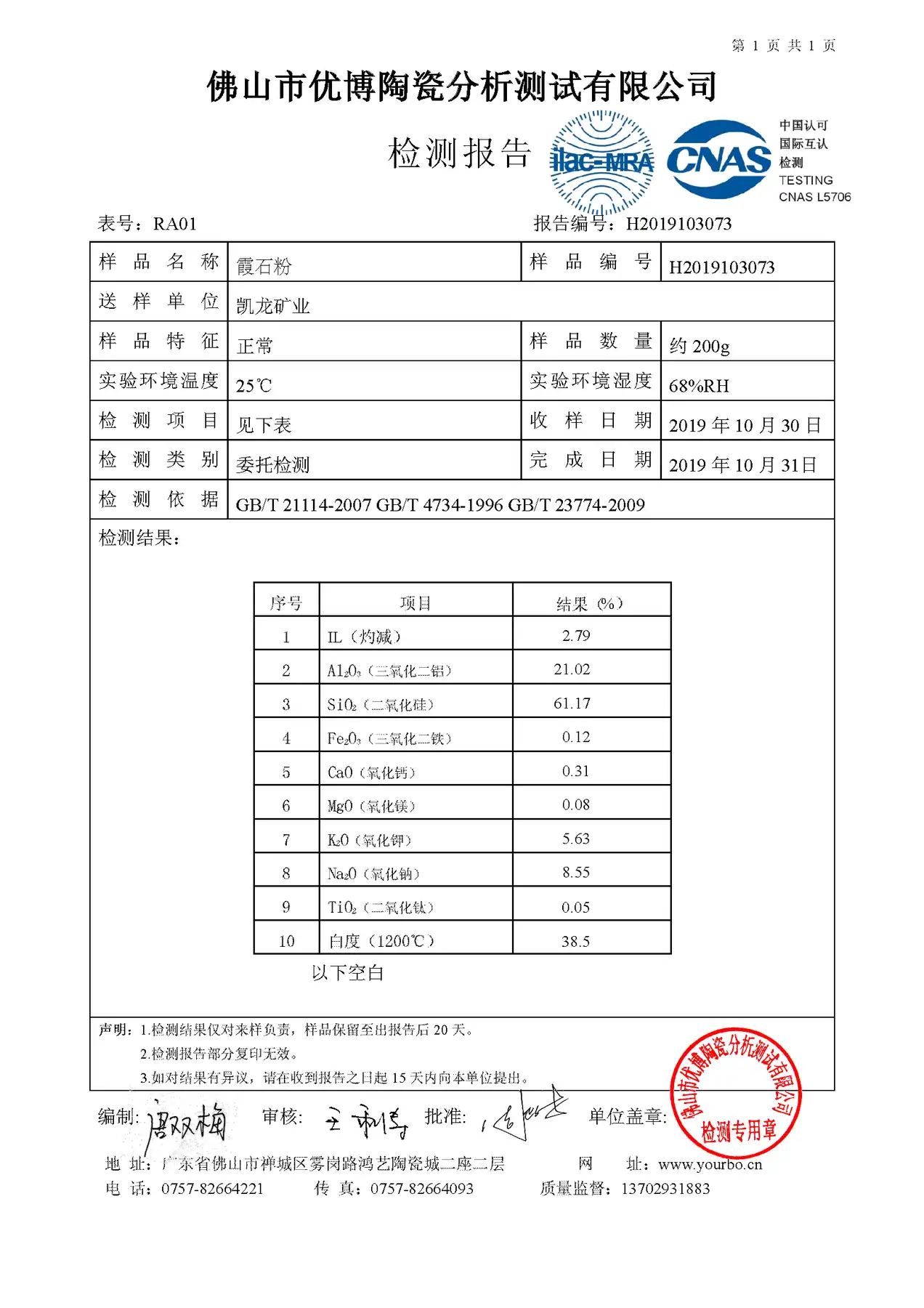
Also ensure that carbonate-containing materials (CaCO3, dolomite) are limited to below 3% in porcelain bodies to minimize gas generation at vitrification temperatures..